Volkswagen Tiguan vs. Toyota Rav4 vs. Hyundai Tucson: Which one has the best infotainment system?
If you're in the market for a mid-size SUV and tech is important to you, you're probably wondering which car offers the best in infotainment. We examine the systems found in the Hyundai Tucson Sport, Toyota RAV4 and VW Tiguan.

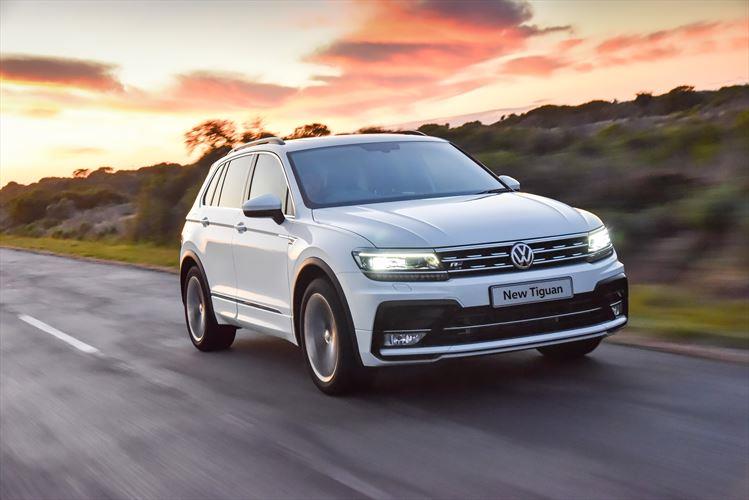

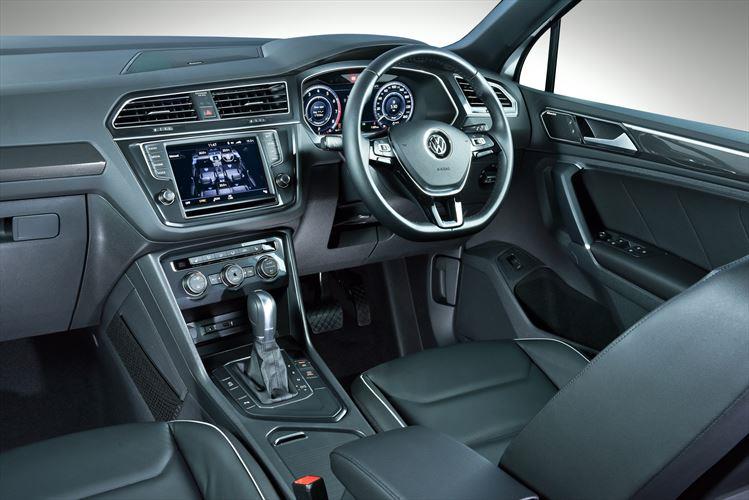
Volkswagen Tiguan: 4/5
If you have R16 500 to spend on the more upmarket “Discover Pro” system (available only on Comfortline and Highline variants), you'll get a larger, 9.2-inch touchscreen with premium satellite navigation system and DVD drive, Gesture Control functionality, Bluetooth and USB interface for iPod/iPhone. And by means of the above-mentioned App Connect you also have smartphone mirroring.
Volkswagen also offers their optional Active Info Display which turns your Tiguan's instrument binnacle into an interactive display, just like Audi's 'virtual cockpit'. The Active Info screen allows you to customise the display to view infotainment, navigation or vehicle statistics. (Also see Honda CR-V vs. VW Tiguan vs. Nissan X-Trail: here's our winner)
Toyota RAV4 3/5
Every new Toyota RAV4 is equipped with a 7-inch multimedia touchscreen system above the centre stack with buttons on either side, and added control switches on the steering wheel. The system is embedded with up to three USB ports, a Bluetooth and auxiliary port, six speakers, a DVD player and three power sockets. Pushing the elongated buttons on either side of the screen takes you to your desired location on the system instantly, or press the menu button to use the on-screen icons. (Also read Nissan X-Trail vs. Toyota RAV4 vs. Kia Sportage: Lowest running costs.)
In order to use the smartphone mirroring option, you need to download the MirrorLink or Miracast App on your Android-enabled phone. The downside is that MirrorLink and Miracast are not compatible with iPhones at the moment, but Toyota says that Apple CarPlay is on the cards when the RAV4 gets its next tech-upgrade.
Hyundai Tucson Sport 4/5
The freshly-updated Hyundai Tucson Sport (read our Tucson Sport launch report here) now also features the "floating" 7-inch navigation touchscreen similar to the one in the Hyundai Kona (from R384 900). The infotainment system integrates (optional) navigation, media and connectivity features, and the Display Audio allows passengers to mirror their smartphone’s content onto the system’s 7-inch display via Apple CarPlay and Android Auto. This enables your phone's music, navigation (Google Maps, Waze etc.) and other selected apps to appear on the centrally-mounted touchscreen.
Satellite buttons on the height- and reach-adjustable steering wheel enable the driver to operate the cruise control, answer phone calls, toggle the onboard computer’s information screens, and change radio stations or mute the sound system. (Read Infotainment comparison: Toyota C-HR vs. Mazda CX-3 vs. Hyundai Kona here.)
Verdict
For day-to-day ease of use, I prefer the Hyundai Tucson Sport's system. It's placed at the right height, is super easy to use, and it isn't too large. While the Hyundai system's graphics may not be as crisp and while the system itself may not be quite as responsive as the VW's larger touchscreen system, it's uncomplicated and user-friendly. The reason why the RAV4 system loses this battle, is because iPhone users can't make use of the smartphone mirroring function.
The Tiguan's entry-level Composition media system is more sophisticated and therefore will take a bit more time to master, especially if you're not very tech-orientated. We suggest taking the time to play around with the infotainment system when taking each car for a test drive.
Sources: Toyota SA, Hyundai SA, VW SA