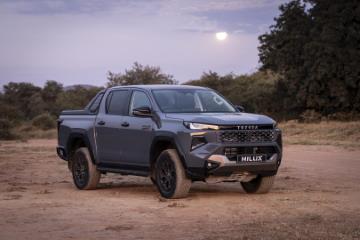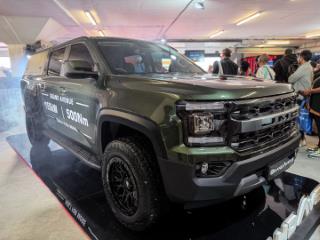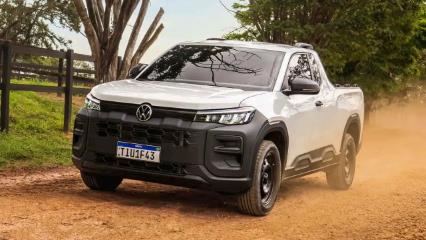

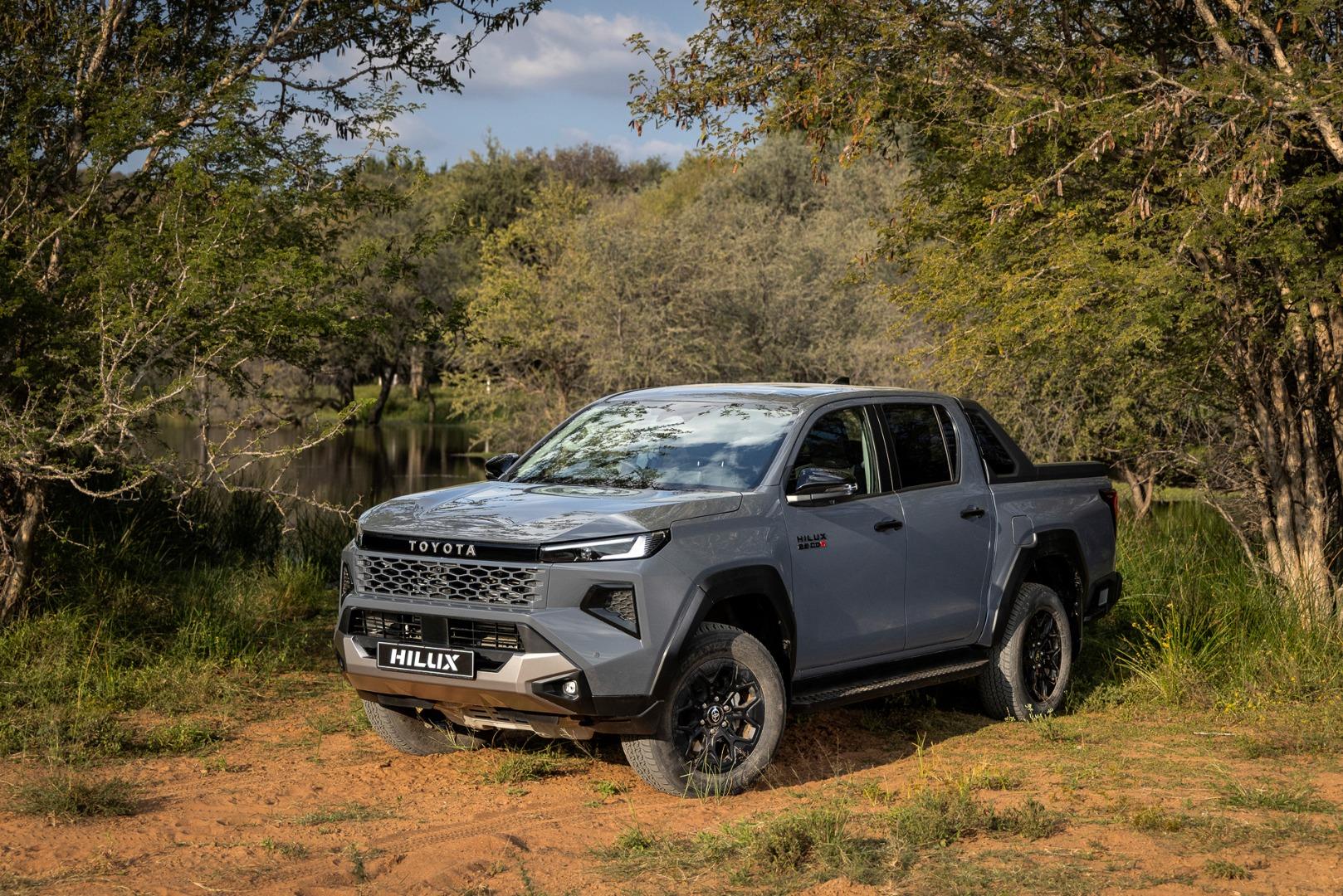
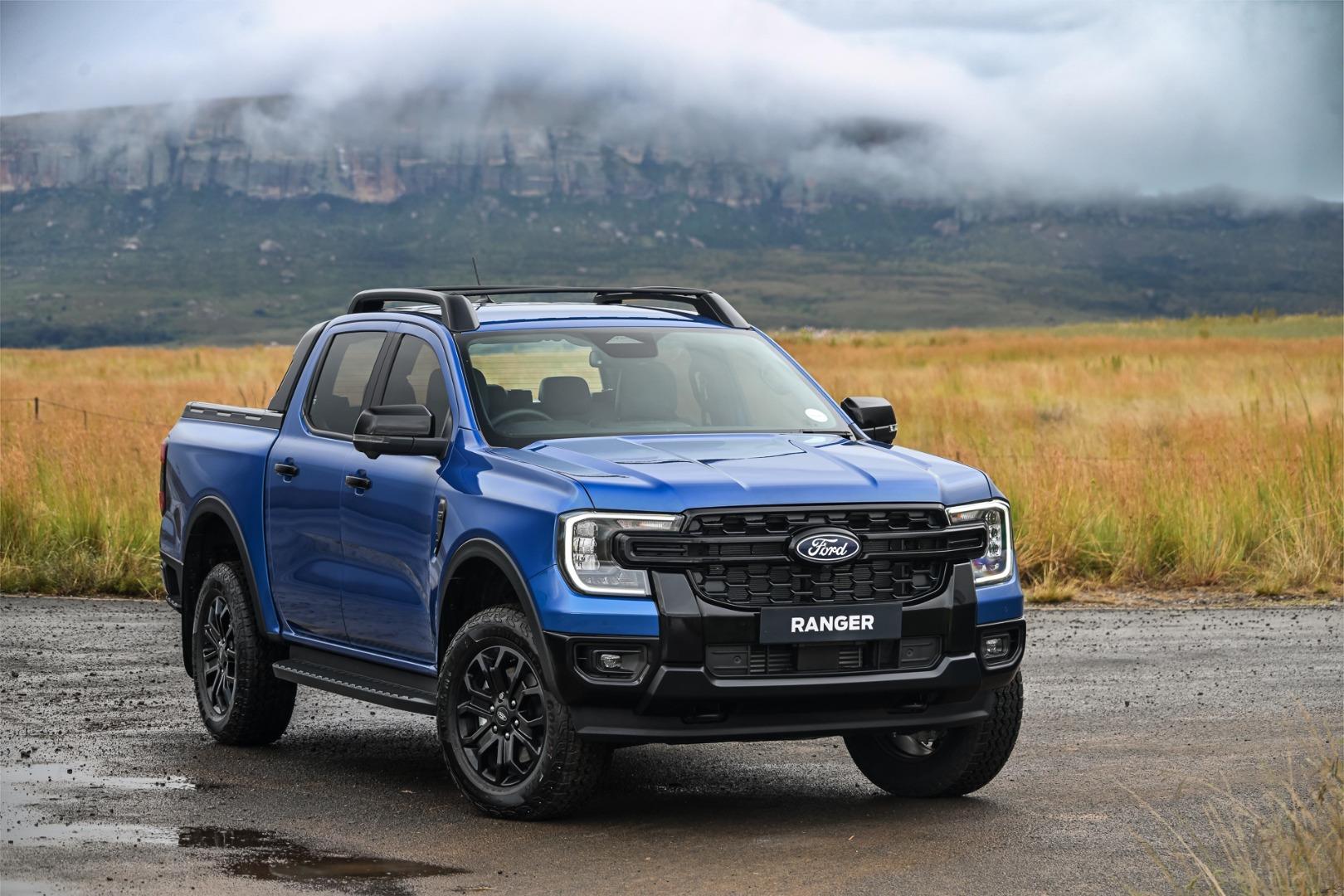

For many South African bakkie owners, 100 000 km has become a psychological milestone. It is around this mileage that factory warranties or service plans begin to fall away on several popular double-cab models, leaving owners responsible for maintenance bills that were previously covered by a manufacturer's plan. But is 100 000 km really the point where a Toyota Hilux, Ford Ranger, Isuzu D-Max or Mitsubishi Triton suddenly becomes expensive to own?
Not quite. The reality is more complicated. Some manufacturers end their service-plan coverage at 90,000 km, while warranties may continue to 100 000 km or even 120 000 km. Other models, including the current Volkswagen Amarok, have a 100 000 km maintenance plan but a longer 150 000 km warranty.
Related: Hilux vs Shark 6 vs Triton vs Ranger: Which Double-Cab Bakkie Actually Earns Its Keep?
The real “service cliff”, therefore, isn't a single kilometre figure. It is the point at which routine servicing, consumables, and unexpected repairs move from a prepaid manufacturer package to the owner's bank account. And on a modern diesel double cab, that can make a significant difference.
Which double cabs are we talking about?
The Toyota Hilux, Ford Ranger and Isuzu D-Max consistently occupy the top positions in South Africa's new-bakkie sales rankings. In August 2026, the Hilux led the market with 3 881 units, followed by the Ranger with 2 372 and the D-Max with 2 005. These are therefore the key vehicles to consider when looking at the long-term running costs of a South African double-cab bakkie.
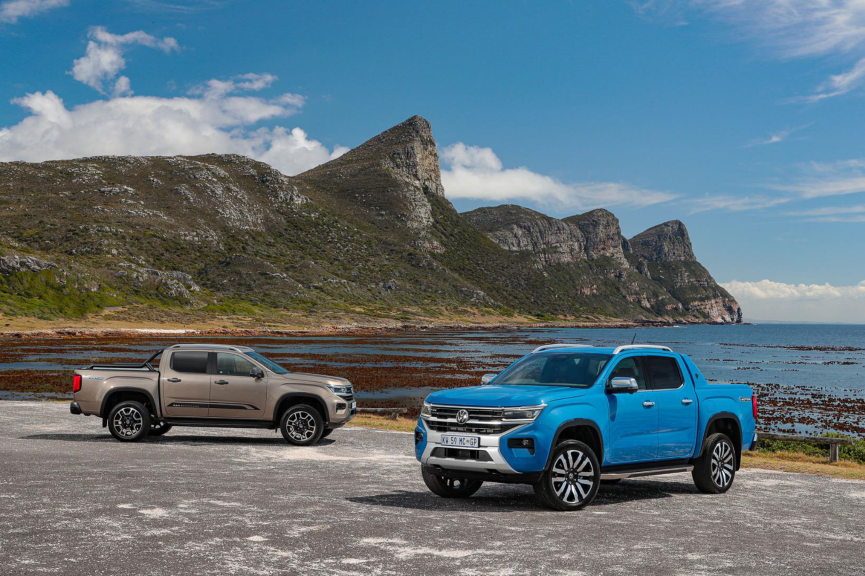
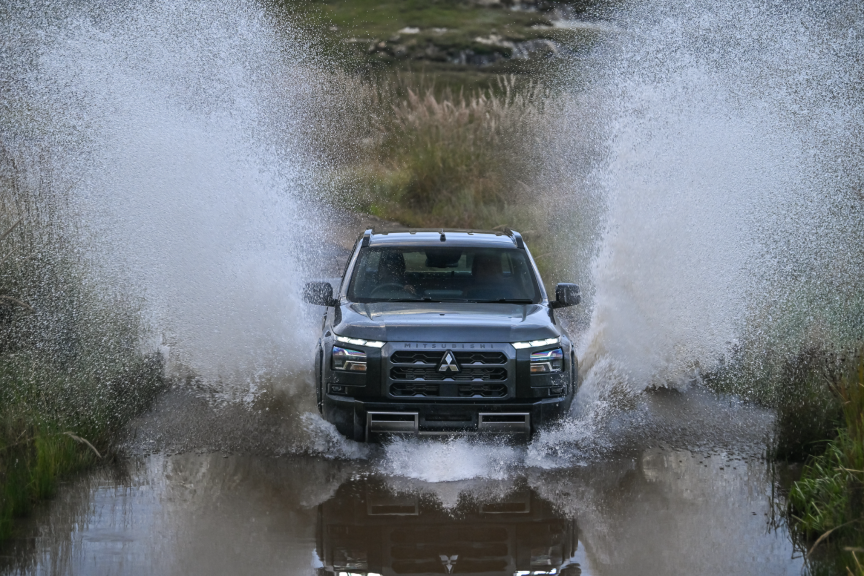
The Mitsubishi Triton and Volkswagen Amarok are also important alternatives, particularly in the used market. The important question for a buyer looking at a four- or five-year-old bakkie is not simply “How much does a service cost?”. It should be “What will I have to pay for once the manufacturer's service or maintenance plan has expired?”
The 100 000 km cliff isn't the same for every bakkie
Before looking at rands and cents, it is worth understanding what the manufacturers actually cover.
| Bakkie | Factory warranty/service-plan position |
|---|---|
| Toyota Hilux | 3-year/100 000 km warranty and 9-service/90 000 km service plan |
| Ford Ranger | 4-year/120 000 km warranty and 6-year/90 000 km service plan |
| Isuzu D-Max | 5-year/120 000 km warranty and 6-year/90 000 km service plan |
| Mitsubishi Triton | 5-year/unlimited-km warranty and 5-year/90 000 km service plan |
| Volkswagen Amarok | 5-year/150 000 km warranty and 5-year/100 000 km maintenance plan |
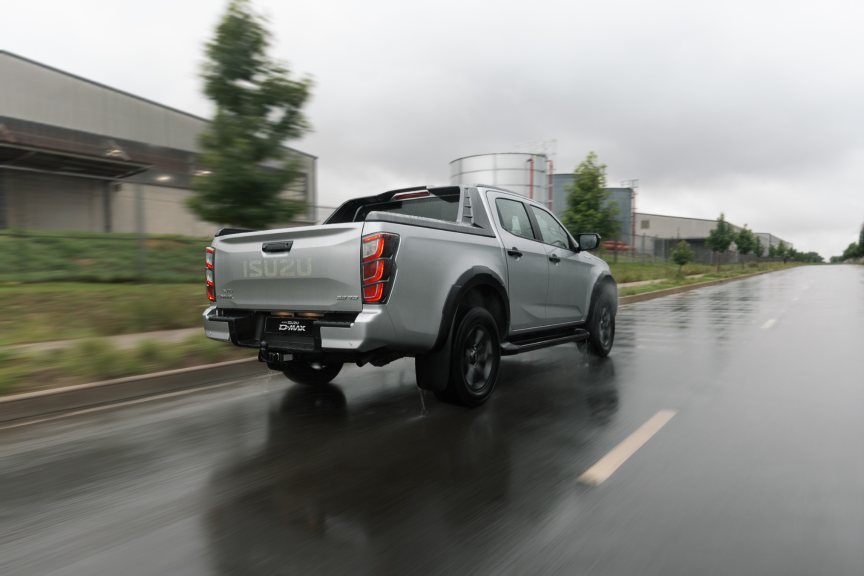
Toyota confirms that the Hilux is supplied with a four-year/100 000 km warranty and a nine-service/90,000 km service plan. A five-year/120 000 km warranty covers the Isuzu D-Max, but its standard service plan runs for six years or 90 000 km, with servicing scheduled every 15 000 km or 12 months. Mitsubishi South Africa's information lists the Triton with a five-year/unlimited-km manufacturer's warranty and a five-year/90 000 km service plan, with servicing every 10 000 km.
Volkswagen is an interesting exception. The current Amarok has a five-year/150 000 km manufacturer warranty but a five-year/100 000 km Genuine EasyDrive maintenance plan. Its service interval is 15 000 km. Ford's current offering is a four-year/120 000 km warranty and a six-year/90 000 km service plan, with intervals set at every 15 000 km.
The important distinction
A warranty and a service plan are not the same thing. A warranty generally covers manufacturing defects and component failures under the manufacturer's terms. A service plan covers specified, scheduled maintenance. A maintenance plan can go further by covering certain wear-and-tear items, depending on the manufacturer's terms. This matters enormously when buying a used bakkie. A vehicle can be out of its service plan but still under warranty, or it can be outside both.
So what does servicing actually cost?
This is where things get difficult because manufacturers generally do not publish a single nationwide price for every service on every variant. Dealer labour rates, engine specifications, oil requirements, parts prices and the exact service due can all change the final invoice. Ford, for example, has introduced an online service price calculator specifically because service pricing varies across dealers.
Its calculator allows Ranger owners to generate a quotation and compare original Ford parts with Motorcraft alternatives where available. Ford also notes that consumables, labour and oil pricing can vary between dealers. That makes the claimed “100 000 km service cost,” without specifying the exact year, engine, transmission, and service provider, potentially misleading.
However, there are useful South African benchmarks. Servicing research puts a typical minor service for passenger vehicles at approximately R1 000 to R3 500, while major services can range from around R2 200 to more than R8 000, depending on the vehicle. Complex major services can exceed R23 000 on some vehicles.
A double cab sits toward the more expensive end of the mainstream vehicle spectrum because of its larger diesel engines, greater oil capacities, additional filters and, in some cases, four-wheel-drive driveline components. For budgeting purposes, an owner of an out-of-plan double cab should therefore not think in terms of an R2 000 oil change.
A more realistic approach is to budget for:
Routine service: roughly R3 000–R8 000+. This can cover a conventional scheduled service depending on the vehicle and what's due. A larger scheduled service can cost roughly R8 000–R15 000+. This isn't a manufacturer's quoted price; it is a budget range based on broader South African servicing data and the additional maintenance requirements that may apply to larger, more complex vehicles. Actual quotes can be lower or substantially higher.
Wear-and-tear items: potentially several thousand rand more
This is where the ownership equation changes. Brake pads, discs, batteries, shocks, suspension bushes, tyres, clutch components and other consumables aren't necessarily part of a basic service. Once the vehicle is outside its maintenance plan, these costs are yours.
The hidden cost
The biggest mistake a used-bakkie buyer can make is to budget only for oil and filters. A 100,000 km double cab has spent considerable time carrying loads, towing, travelling on gravel, and potentially operating in dusty or harsh environments. That doesn't mean it is unreliable. It means more components may require attention as mileage increases.
Isuzu, for example, specifically notes that its service schedules detail what is inspected or replaced at each service and recommends adherence to the prescribed intervals. It also notes that driving conditions can affect maintenance requirements. Ford's used Ranger servicing programme similarly recognises that owners of older, higher-mileage vehicles may need continued scheduled maintenance beyond the original plan.
This is why the difference between an R5 000 service and an R20 000 bill can be nothing more than a set of brake pads, a battery, or another wear item being due at the same time.
Toyota Hilux: the 90 000 km rather than 100 000 km cliff
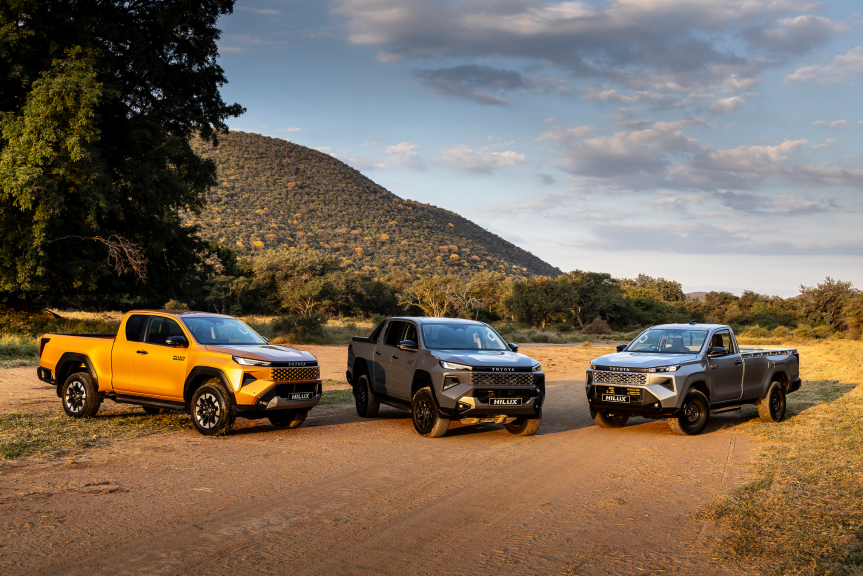
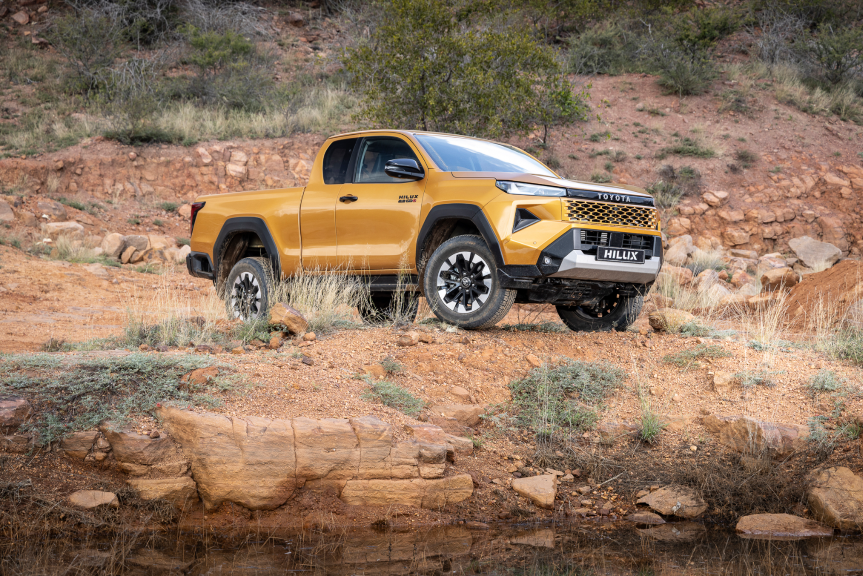
The Hilux is arguably the clearest example of why the 100 000 km figure can be misleading. Toyota's current Hilux package includes a three-year/100 000 km warranty but only nine services up to 90 000 km. That means an owner can technically reach 100 000 km while still under warranty, but the standard service plan has already expired.
For a used Hilux buyer, this is important. A vehicle advertised at 95 000 km isn't necessarily still fully covered for scheduled maintenance. The service plan may already have ended at 90 000 km. Toyota's Hilux service interval is also relatively short compared with some competitors, set at every 10 000 km on the 2.8 GD-6 Hilux. That means more frequent scheduled visits than a 15 000 km vehicle over the same mileage.
What should a used Hilux buyer budget?
Rather than assuming the next service will cost a fixed amount, budget for:
Scheduled oil and filter servicing
Fuel and air filters when due
Brake inspection and possible replacement
Differential and transmission-fluid requirements where specified
Battery replacement
Suspension and steering wear
Tyres
Any age- or mileage-related repairs
Ford Ranger: more technology, more variables
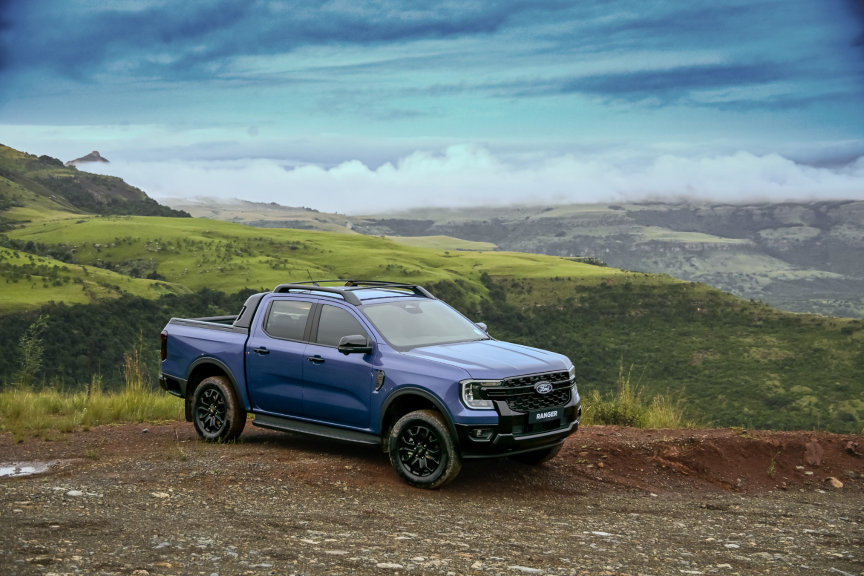
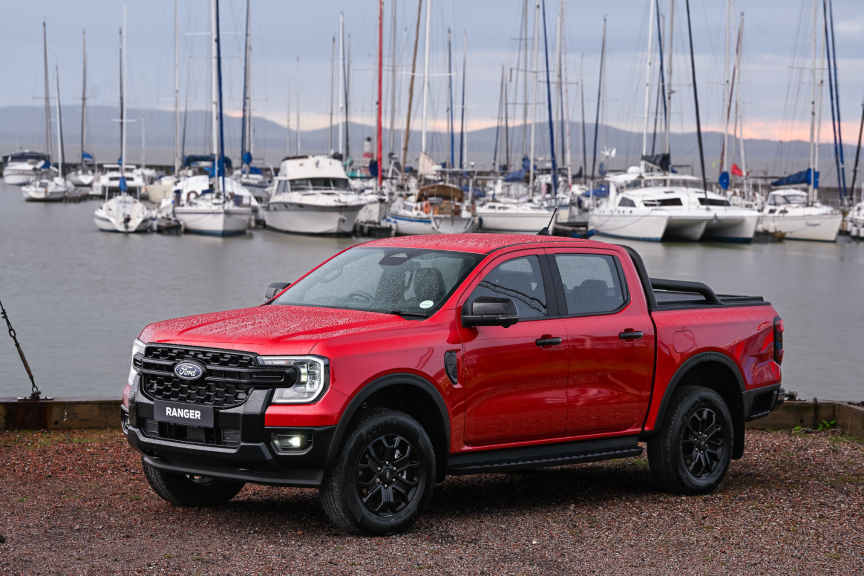
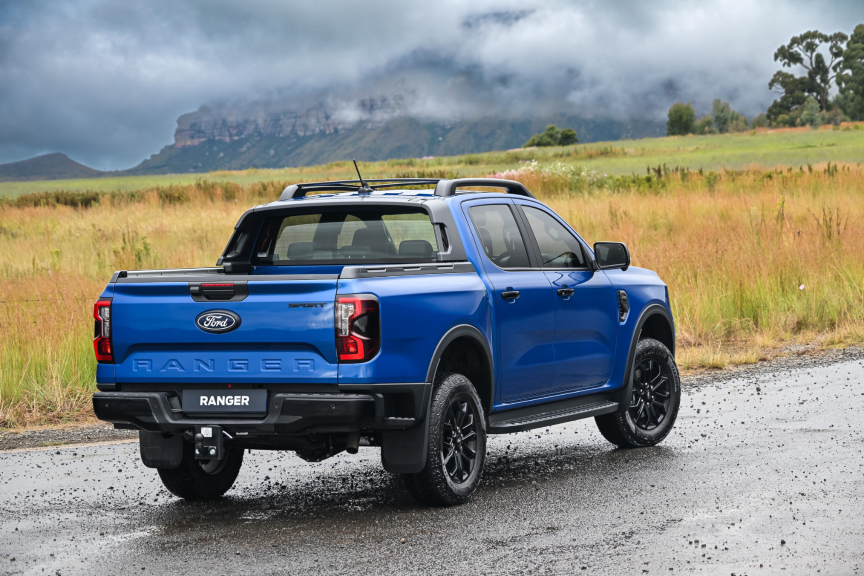
The Ford Ranger is another vehicle where the cost of ownership depends heavily on which generation and engine you're buying. Older 2.2-litre and 3.2-litre Rangers have different maintenance requirements from the newer 2.0-litre diesel models. AutoTrader's Ford Ranger buyer's guide notes that the older 2.2-litre diesel is relatively straightforward for independent workshops, while the newer 2.0-litre models introduce greater complexity and, in some variants, a 10-speed automatic transmission.
The important point is that researching "Ford Ranger service cost” won't return a single number. A high-mileage 2.2 TDCi and a modern 2.0 Bi-turbo Wildtrak shouldn't be expected to generate identical workshop bills. Ford's current Value Care system is therefore particularly useful for buyers because it allows owners to obtain vehicle-specific quotations rather than relying on generic service-cost estimates.
Ford currently offers extended service plan options for Ranger models beyond 100 000 km, including plans reaching 105 000 km, 120 000 km, 135 000 km, and 150 000 km or more, depending on the specific vehicle.
The Ranger budget
For an out-of-plan Ranger, a sensible owner should maintain an emergency maintenance reserve rather than budgeting only for the next scheduled service. A R5,000–R8,000 routine-service budget is a reasonable starting point, but a vehicle-specific quote should always be obtained before buying or servicing. The larger financial risk comes from wear items or repairs that happen alongside the scheduled service.
Isuzu D-Max: the service plan ends before the warranty
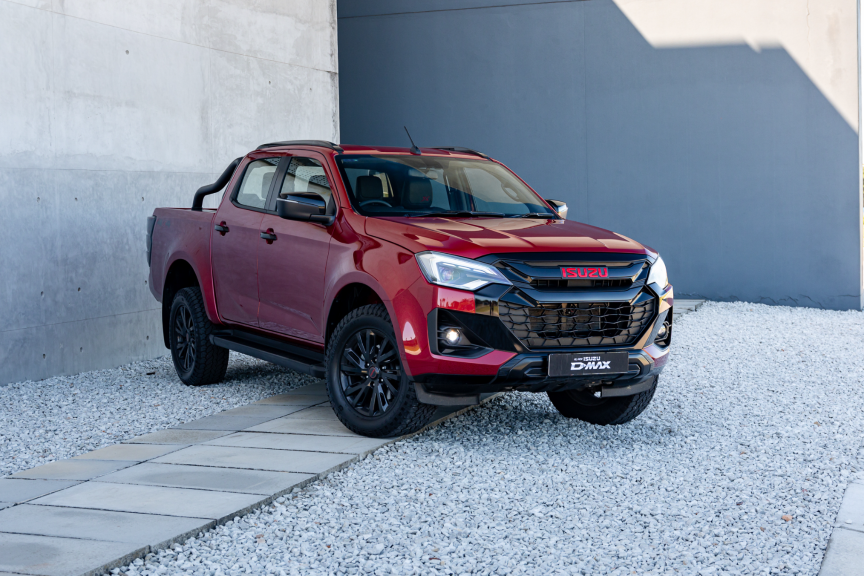
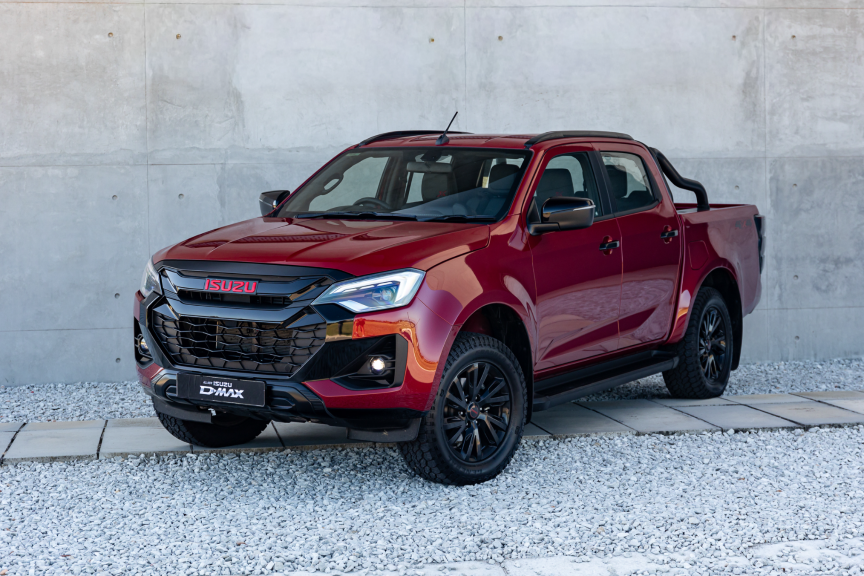
The D-Max provides another useful example of the “service cliff”. Current South African D-Max models come with a five-year/120,000 km warranty but a standard 6-year/90,000 km service plan. Servicing is scheduled every 15,000 km or 12 months. So a D-Max owner can have up to 30,000 km of warranty coverage remaining after the standard service plan has expired.
That changes the financial equation. The warranty can still protect against qualifying component failures, but the owner is responsible for scheduled servicing once the service plan has run out. Isuzu also offers extensions through its Mobility programme, with service-plan and maintenance-plan options that can extend substantially beyond the standard cover.
AutoTrader's recent D-Max buyer's guide describes service costs as moderate and confirms the typical 15,000 km service interval. It also highlights the importance of load history and use when considering suspension and steering wear on higher-mileage examples.
The D-Max budget
The D-Max's 15,000 km service interval means it doesn't necessarily require as many scheduled visits as a vehicle with a 10,000 km service interval. But at 90,000 km and beyond, buyers should investigate:
Full service history
Correct servicing at the specified intervals
Brake condition
Suspension wear
Steering components
DPF and emissions-system condition
Turbocharger and diesel-system condition
Differential and drivetrain condition on 4x4 models
Mitsubishi Triton: the plan ends at 90,000 km
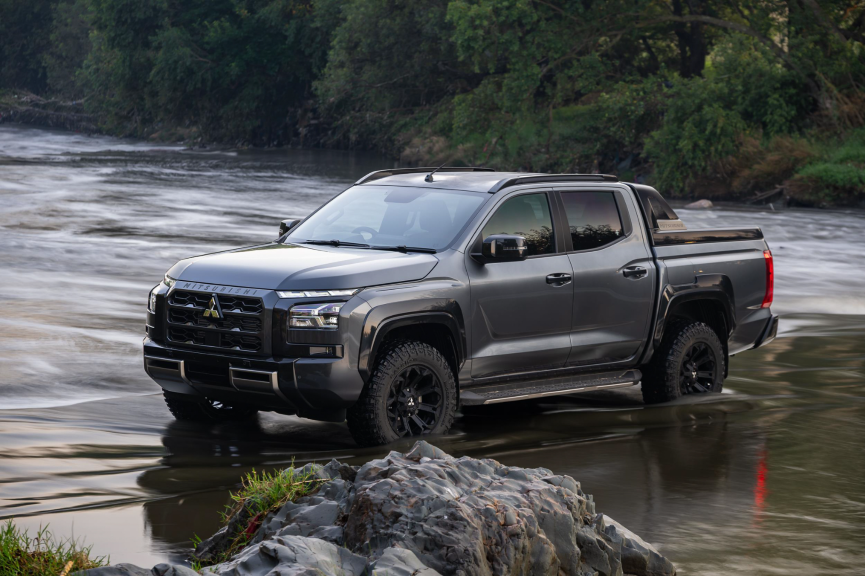
The Triton follows a similar pattern. Mitsubishi's South African information lists a five-year/90,000 km service plan alongside a five-year/unlimited-km warranty. The prescribed service interval is every 10,000 km. That means the owner can reach any mileage within the five years with the vehicle still within its stated warranty period in terms of time/km, but the included service plan has already ended.
For a used Triton buyer, the service history therefore becomes particularly important around the 90,000–100,000 km mark. The key question isn't simply whether the bakkie has crossed 100,000 km. It is “What has been done since the 90,000 km service-plan limit?”
Volkswagen Amarok: the unusual one
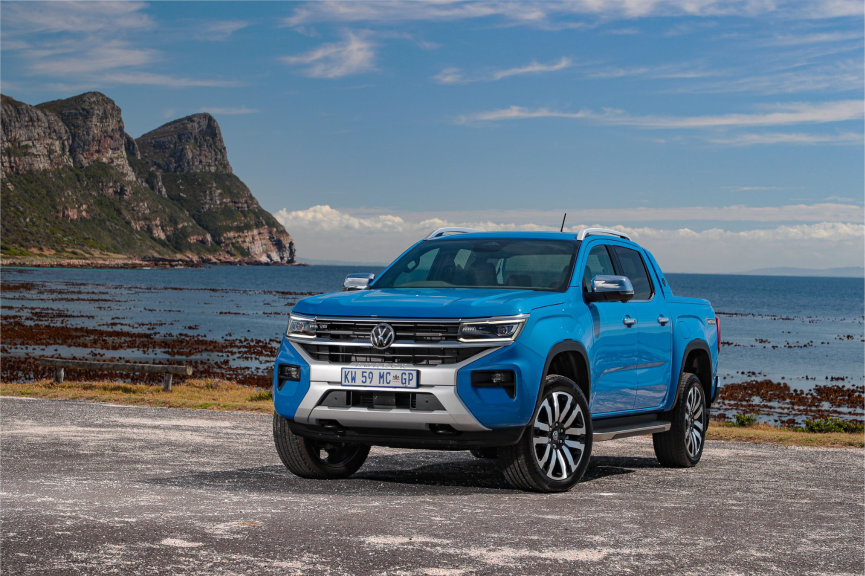
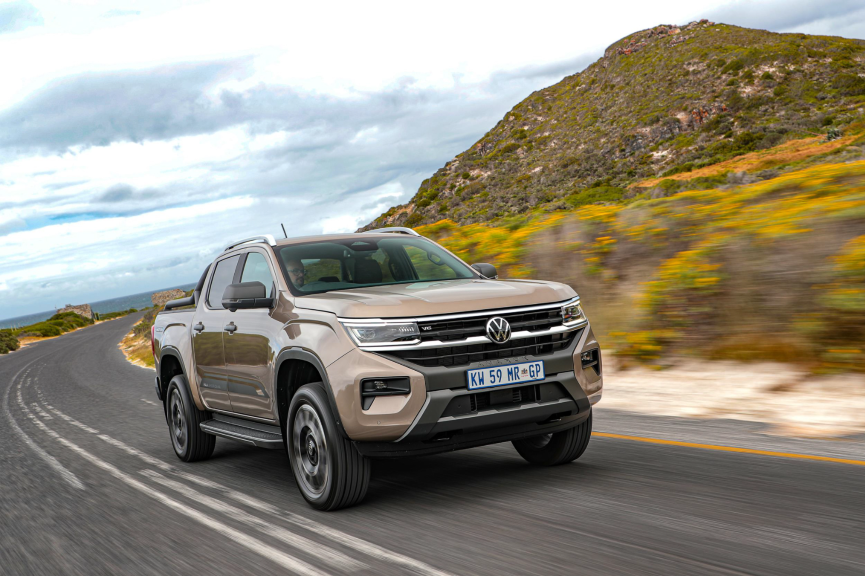
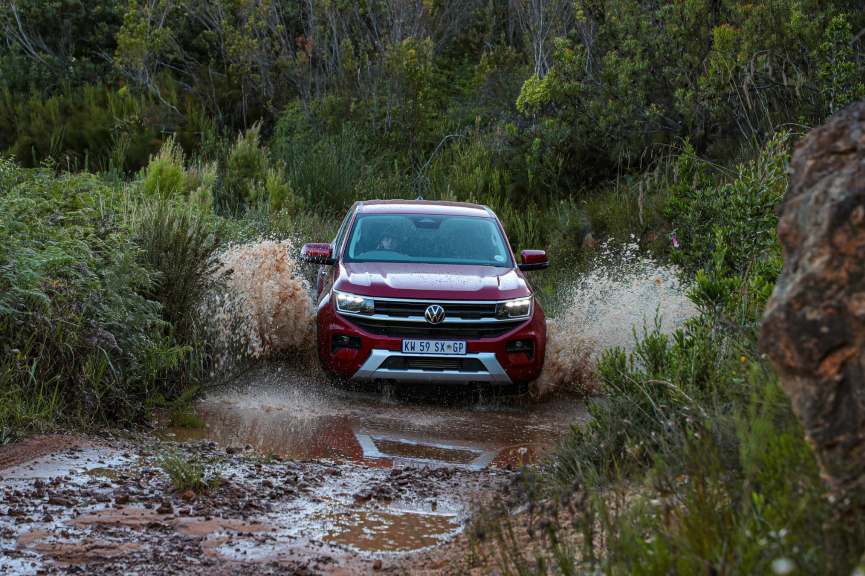
The current Amarok flips the conventional equation. Volkswagen South Africa lists a five-year/150,000 km warranty and five-year/100,000 km Genuine EasyDrive maintenance plan, with servicing every 15,000 km. This means the current Amarok can still have a significant amount of factory warranty remaining when the maintenance plan expires.
That makes the 100,000 km point more of a maintenance-cost milestone than a complete warranty cliff. Volkswagen's published EasyDrive pricing also demonstrates how much longer-term maintenance cover can be worth when purchased as an extension. Current listed double-cab maintenance-plan upgrades extend to 120,000 km, 150,000 km, and further, depending on the selected period.
The real cost isn't the 100,000 km service
This is perhaps the most important takeaway. If you're buying a used double cab at 100,000 km, don't fixate on the price of the next service. Instead, calculate the next 30,000 km of ownership.
For example, if you buy a bakkie at 100,000 km and keep it until 130,000 km, you could face:
| Expense | Sensible budgeting approach |
|---|---|
| Routine servicing | R6,000–R15,000+ |
| Larger scheduled maintenance | R8,000–R15,000+ where applicable |
| Brake components | Several thousand rand, depending on the vehicle and parts required |
| Battery | Budget separately |
| Tyres | Potentially R6,000–R15,000+ for a set, depending on size and specification |
| Suspension/wear items | Keep a contingency fund |
| Unexpected repair | R10,000–R20,000+ contingency is sensible |
These are budgeting figures, not manufacturer quotations, and actual costs can fall outside them. Tyres, in particular, vary enormously depending on whether the vehicle uses conventional 16-inch workhorse tyres or large 18- or 20-inch lifestyle-bakkie tyres. The same applies to brakes, suspension and drivetrain components.
AutoTrader's research into South African service pricing reinforces this point: the final bill is influenced by the vehicle, service interval, workshop, parts used and any additional repairs identified during inspection. Independent workshops can also be cheaper than franchised dealerships, although buyers should consider the impact on service history and resale value.
How much should you keep in the bank?
For someone buying a popular used double cab at around the 100,000 km mark, a useful rule is to separate routine servicing costs from emergency repair costs. Don't spend your entire budget on the vehicle and assume the next service will only cost R5,000. A more conservative approach would be:
Minimum maintenance reserve: R10 000
This provides some breathing room for a service and a smaller unexpected repair.
More comfortable reserve: R20 000–R30 000
This is considerably more appropriate for a high-mileage double cab, particularly if you're buying privately or the vehicle's service history isn't complete.
Workhorse or high-mileage 4x4: R30 000+
If the bakkie has spent its life towing, carrying heavy loads, travelling off-road, or operating in harsh conditions, the likelihood of multiple wear items requiring attention at once is higher. That doesn't mean the vehicle is a bad buy. It means the owner should have sufficient financial margin to cover normal mechanical wear and tear.
What to check before buying a 100 000 km bakkie
A full service history is arguably more valuable than the number on the odometer.
Before buying, ask for:
1. The complete service history
Look for evidence that services were performed at the manufacturer's prescribed intervals.
2. The last major service
Find out exactly what was replaced rather than simply accepting a stamp in a book.
3. Brake condition
Ask whether pads and discs are original or have already been replaced.
4. Tyres
A set of six-ply or all-terrain tyres can represent a substantial upcoming expense.
5. Suspension
Check shocks, bushes, ball joints, steering components and leaf springs.
6. 4x4 system
On four-wheel-drive models, check the transfer case, differentials and associated drivetrain components.
7. Diesel emissions systems
Modern diesel bakkies use increasingly sophisticated emissions technology. A vehicle used predominantly for short urban trips may experience conditions that aren't ideal for diesel particulate filter systems.
8. Transmission
Find out whether the automatic transmission has a specified fluid service and whether it has been completed when required.
9. Previous use
A 100 000 km bakkie used mainly on highways is fundamentally different from one that spent 100 000 km towing a trailer on a farm.
10. Remaining warranty
Never assume 100 000 km means the warranty has ended. As the examples above show, some manufacturers provide coverage beyond that figure.
The verdict: 100 000 km isn't a death sentence
The idea of a “100 000 km service cliff” is useful shorthand, but it isn't technically accurate for every South African double cab. What changes around this mileage is who pays. Once the service plan has expired, the owner starts carrying the cost of scheduled maintenance. As the vehicle ages, wear-and-tear items become increasingly important too.
For someone shopping for a used Toyota Hilux, Ford Ranger, Isuzu D-Max, Mitsubishi Triton, or Volkswagen Amarok, the smartest approach is therefore not to avoid a bakkie simply because it has crossed 100 000 km. Instead, look for a complete service history, evidence of proper maintenance, sensible prior use, and enough cash in reserve to cover normal high-mileage ownership.
A well-maintained 120 000 km bakkie can be a much safer financial proposition than a neglected 80 000 km example. And that is the real lesson of the 100 000 km service cliff: the odometer doesn't suddenly make a double cab expensive. Neglected maintenance does.