
Practicality and versatility doesn’t have to come at a price; meet the economical Chery Tiggo
The Chery Tiggo is the sort of car that slides in under the radar, and if it wasn’t for the marketing hype, you probably wouldn’t have given it a second glance. I know that when it first released, I was none the wiser and only discovered the model some time after the fact.


The Chery Tiggo is the sort of car that slides in under the radar, and if it wasn’t for the marketing hype, you probably wouldn’t have given it a second glance. I know that when it first released, I was none the wiser and only discovered the model some time after the fact.
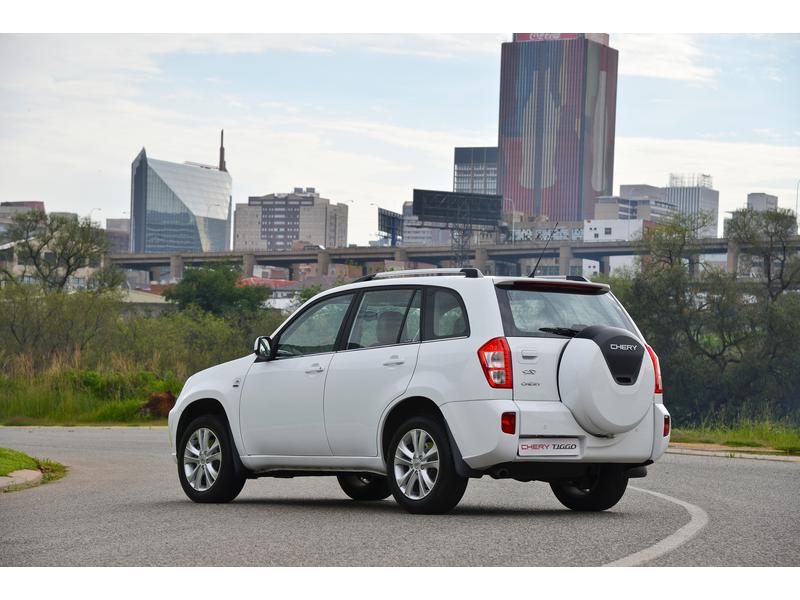
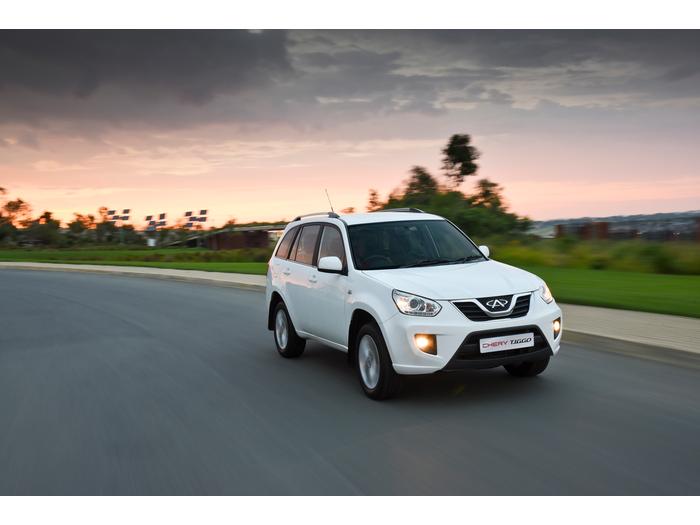
This isn’t because of low sales numbers, this is more due to the fact that it’s styled so well that it blends in with the rest of the SUV offerings out and about on our roads. It’s certainly not a bad thing, finding a Chinese vehicle that is actually visually appealing.
The face-lifted Chery Tiggo is even more striking than its predecessor. Daytime running lights, lane change indication and park distance control are standard features on the 1.6 VVT model now and the refreshed headlights, bumpers and alloy wheels keep the model shape looking relevant and contemporary. It’s a good looking vehicle and easily mistakable for a Japanese compact SUV, with RAV4-looking lines that could be passed off for Prado even.
It’s the interior that lets the Tiggo down though, while the exterior fit and finish is acceptable, the interior is a selection of less than desirable plastics and materials, none of which seem to fit alongside their counterparts. The finish is rough, with mould flashing exposed in just too many places. Sadly, it’s not improved by the large typeface or ambient lighting either.
While the pre-facelift is still offered with its 1.6 and 2.0-litre engine offerings, the face-lifted model features a new engine configuration in the form of a new 1.6-litre 4-cylinder with Variable Valve Timing. This new motor produces 93kW, only 2kW less than its 2.0-litre sibling. Torque suffers a little more with the lost displacement, the engine producing 160Nm where the 2.0 makes a beefier, 178Nm, as is to be expected.
The switch to a VVT motor does see the power developed a little later in the rev range but the fuel savings can be felt with the 1,6 VVT motor considerably more fuel efficient than it’s similarly powered, big brother. While the 2.0 returns figures of 9.9-litres / 100km, the face-lifted 1,6 VVT sips fuel at a rate of 8.6-litres/100km.
While these numbers seem low for a vehicle that is applauded for climbing the infamous Sani Pass, it wasn’t the 1.6 that accomplished this feat, but rather the 2.0. This doesn’t mean that the 1.6 is any less competent, it just needs a little more persuasion to get up the climbs. In fact, I found it to be quite compliant over the rough stuff, with the suspension showing good flexibility and range of motion. I would go so far as to say that it’s better composed on dirt than it is on tar – and even the tar manners are respectable.
It is a front wheel drive only soft-roader, best suited for the school run rather than the outback, but if you need something that can rough it from time to time, and your budget doesn’t extend to the likes of Prados and Trailblazers, the Chery needs to be considered.
The Chery Tiggo 1.6 VVT retails for R229 900 and comes with a three year / 100 000km warranty.