
New vs Used: Jeep Wrangler JL vs JK. What are the key differences?
Having driven past my local Jeep dealership a few times during mid-2019, I noted a fresh batch of Wrangler models that looked the same, but different. It wasn’t until I stopped at the dealership and took a closer look that I noted that the cars in question were the highly anticipated new generation model. This begs the question, with exterior aesthetics so similar, what are the key differences between the new and previous generation Jeep Wranglers?


A brief history
The Jeep Wrangler can trace its roots back to the Willys MB and Jeep CJ from the 40s and 50s, however, the first Jeep to wear the popular Wrangler badge only saw the light of day in the late 80s. The model is known as the YJ generation and was produced from 1987 until 1995 in two-door and two-door convertible guise. In 1997 the TJ generation Wrangler was introduced and produced for a nine-year stint.
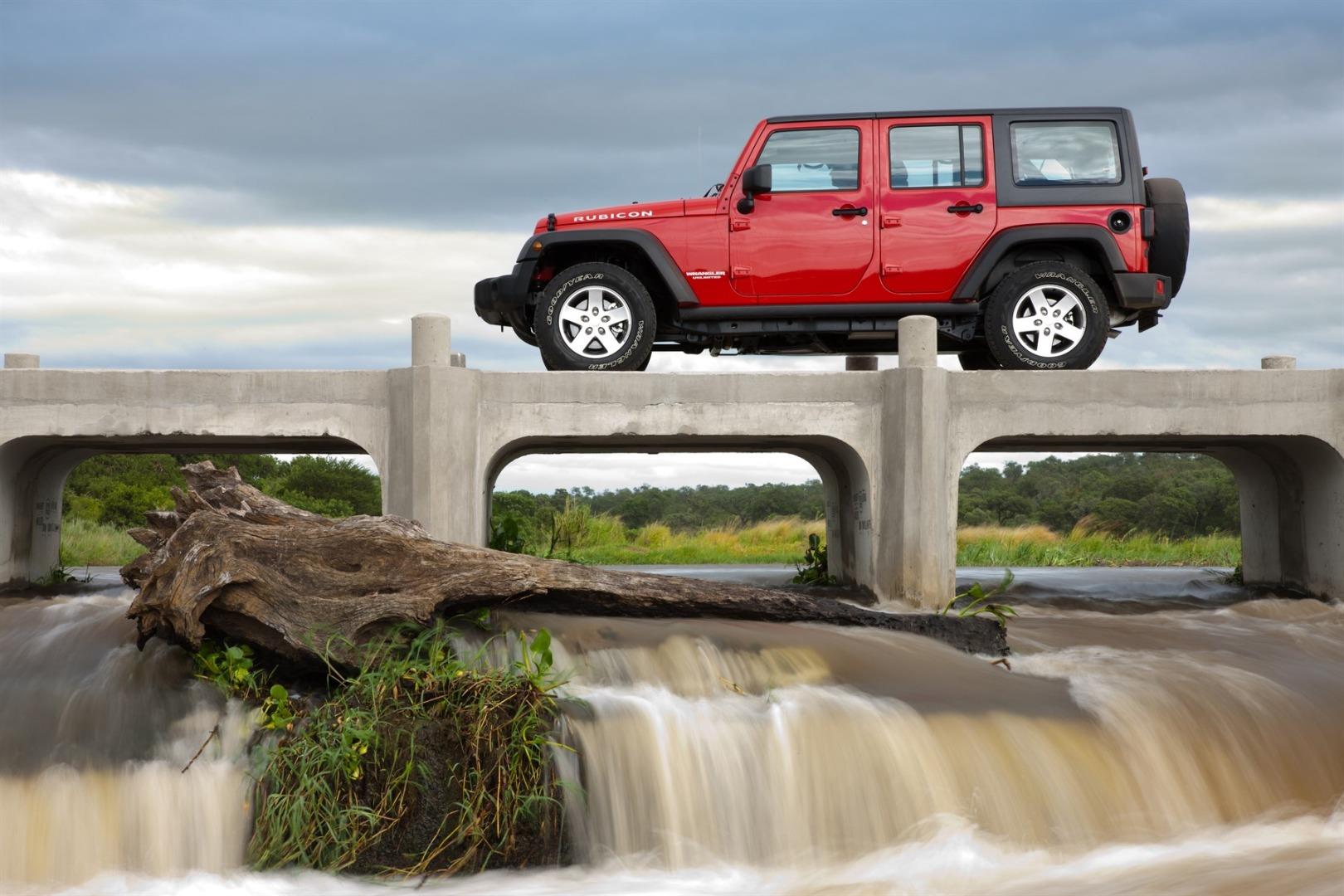
In 2007, we saw the introduction of the popular Wrangler JK, which was produced until 2018 before making way for the new JL variant. Despite a history spanning over three decades, the Wrangler retains its boxy, rugged off-road look that has made it so popular among enthusiasts.

Interior changes
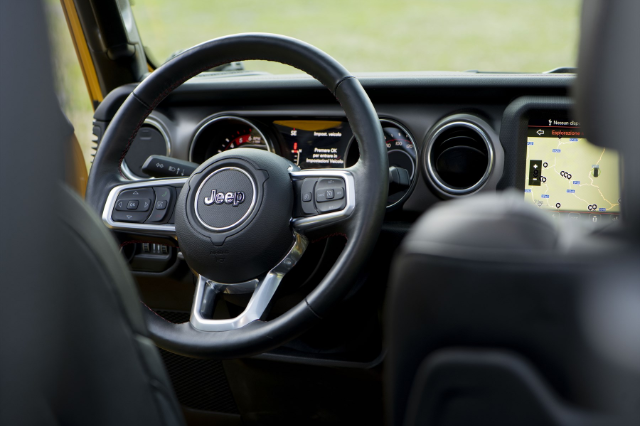
Upon first glance, the current and previous generation Wrangler models appear similar, from an exterior perspective at least, with both the JL and JK variants available in either Sahara or Rubicon specification and in two-door or four-door Unlimited guises. However, stepping inside, the differences become far more apparent with the new model providing an 8.4-inch UConnect infotainment system, which now offers full smartphone integration with Apple CarPlay and Android Auto functionality. Adding to the improved interior is more space afforded by a new dashboard design along with a longer wheelbase. The interior is also wash-proof, complete with drain plugs in the floor to allow for easier cleaning.
Improved capability
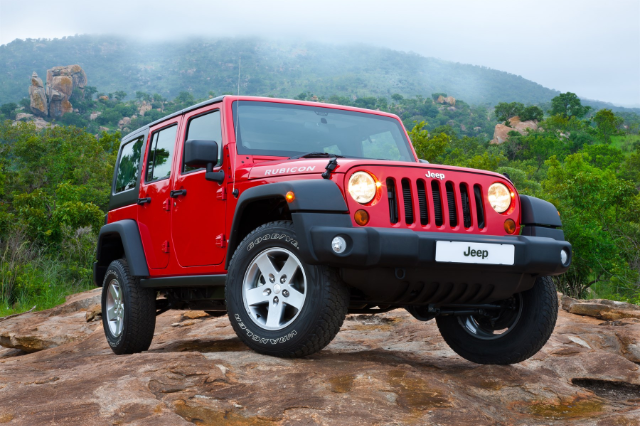
The new Wrangler features improved off-road ability thanks to new bumpers that allow for greater approach and departure angles. There are also larger flared wheel arches that can accommodate tyres that measure up to 35-inches with the new Wrangler Rubicon itself equipped with 32-inch tyres as standard. Both the JK and JL Rubicon models and share the ability to decouple their front sway bar in low-range mode. The latest Wrangler also features beefier axles which allow it to take more punishment when heading through the rough stuff.
Both models in Sahara specification feature Jeep’s highly-rated Command-Trac 4x4 system which allows for two-and four-wheel drive modes. The top-spec Rubicon models from both generations feature locking differentials at both the front and the rear along with a 4:1 low range as part of its Rock-Trac two-speed transfer case system which also features a 77.2:1 crawl ratio.
One engine to rule them all

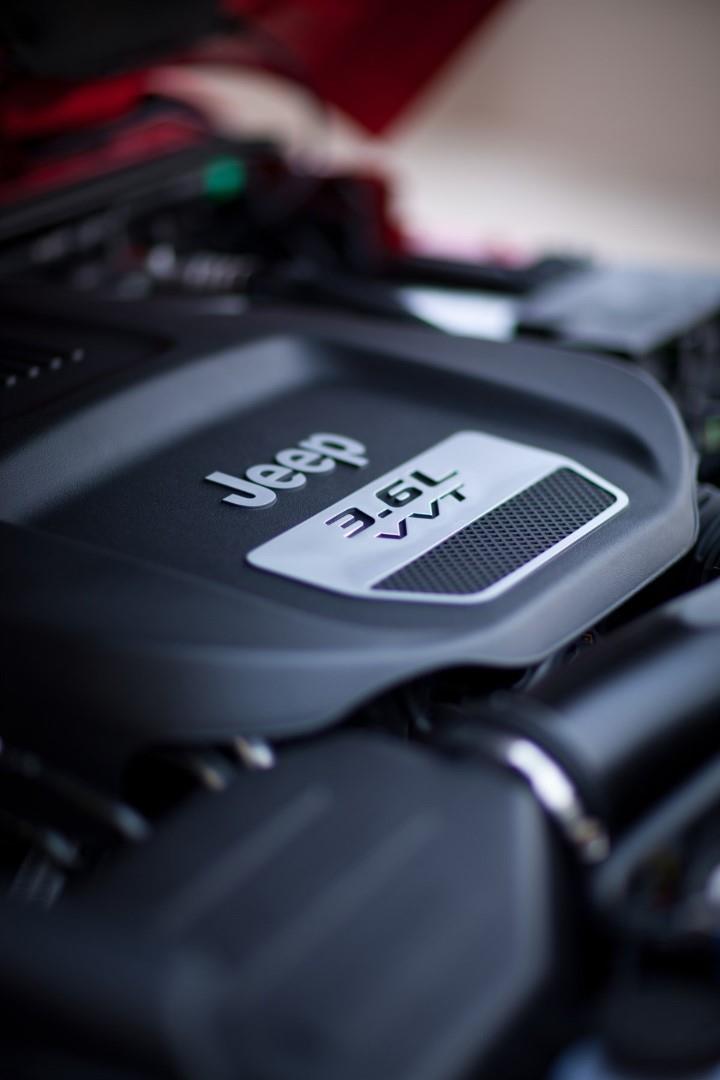
The previous generation Wrangler models were available with both a 3.6-litre naturally aspirated V6 that produces 209 kW and 347 N.m as well as a 2.8-litre turbodiesel engine with 147 kW and 460 N.m. The new model is only available with the aforementioned V6 engine, however, the new Wrangler is lighter, making it more accelerative and marginally better on fuel.
Pricing and warranty

Jeep South Africa still has some previous generation JK Wranglers on sale with pricing starting from R650 995 while the new version starts from R868 607. Both models come with a three-year /100 000km maintenance plan and a three-year/ 100 000km warranty. There are also many used Wranglers for sale for those looking at a lower price point.
Recommended next:
Jeep Wrangler Sahara (2020) Review: The more things change, the more they stay the same