New Ford Escort Mk1 RS revealed - and it's pricey!
No screens. No ABS. 895 kg. Built under official global licence from Ford, Boreham Motorworks has re-engineered the ultimate analogue classic from the ground up. But bringing one to South Africa will cost you serious supercar money.


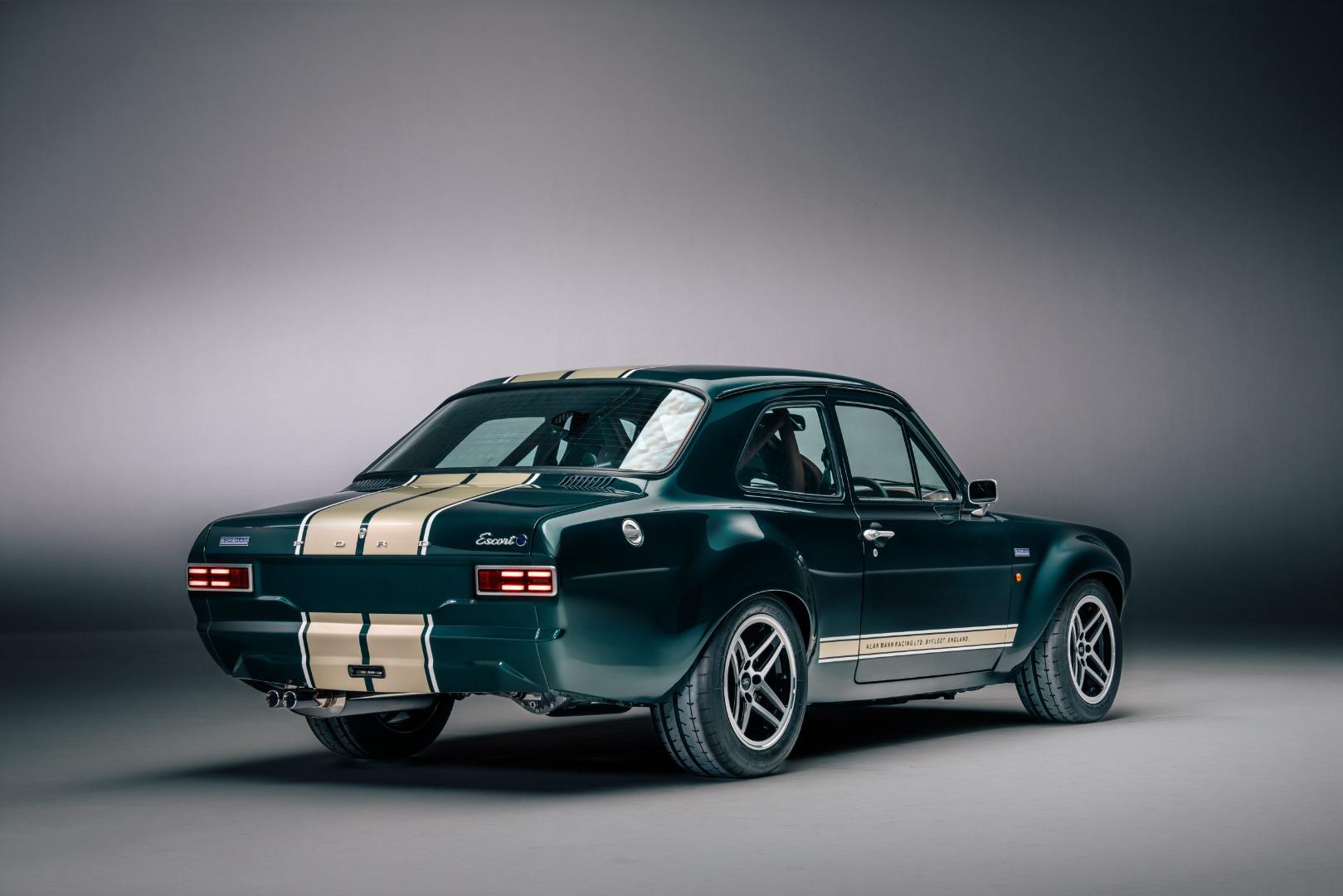
The legendary Ford Escort Mk1 returns, but it's only for the super-rich
If you grew up in South Africa during the '70s or '80s, or even the '90s, you probably have a Ford Escort story. Whether it was your dad’s baseline 1300 handling the daily school run, a mint 1600 Sport dominating the local robot-to-robot brackets, or watching legendary track specials scream down the main straight at Kyalami, the Escort is deeply woven into our local petrolhead DNA. (My first car was a white 1984 Ford Escort 1300, which served me exceedingly well from the age of 19 until it was replaced by an old Mercedes-Benz C180. Find classic Ford Escort models for sale on AutoTrader here.)
Now, British specialist Boreham Motorworks has done the unthinkable. Under an official global licensing agreement with Ford, they have just unveiled a brand-new, production-spec Ford Escort Mk1 RS. And no, this isn't a refurbished old classic with a modern engine thrown in; it is a completely new machine built from the ground up.
Is this just a restored old classic?
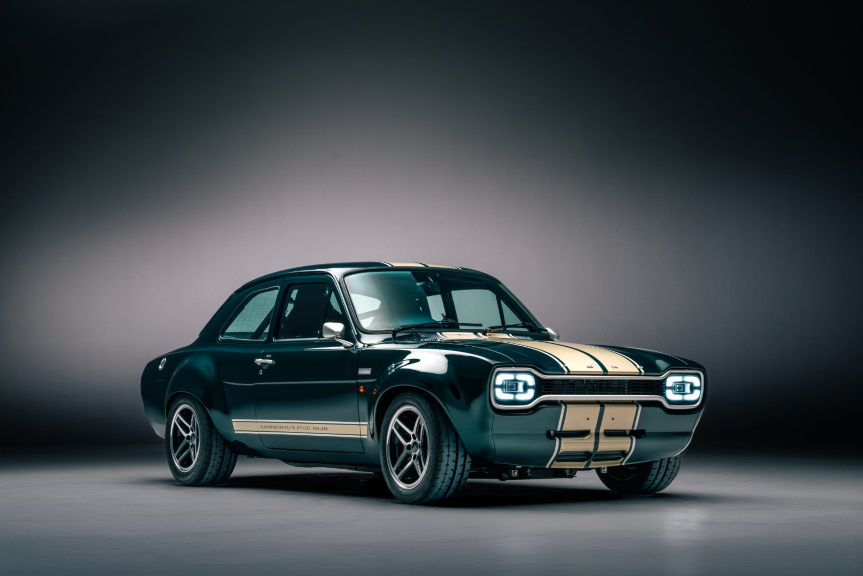
Let's get one thing straight: this is not a restomod. Boreham calls it a "continumod" because they aren't slicing up rusted donor cars. Instead, the team digitally scanned original blueprints and used advanced computer-aided engineering to build an entirely new steel chassis and body structure.
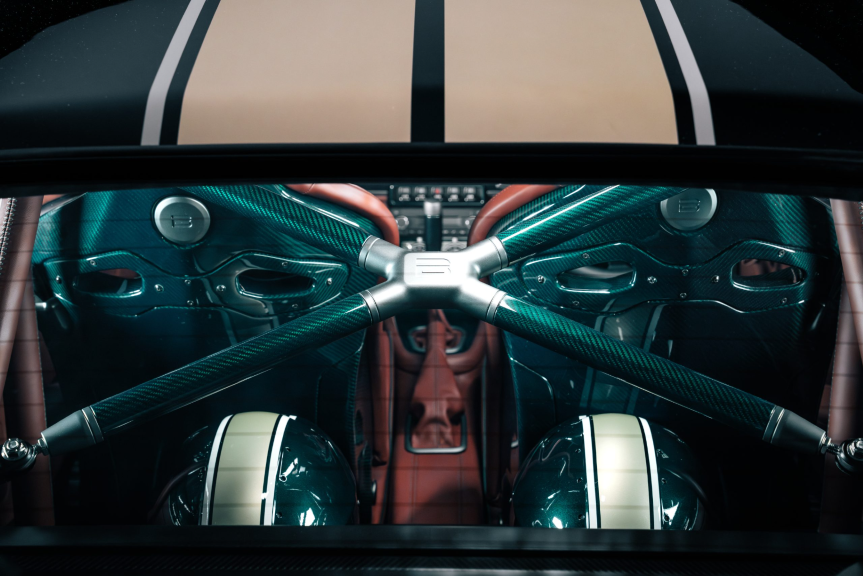
The biggest selling point for collectors? Because of the official Ford blessing, each of these cars comes with an authentic Ford chassis number, making it a legitimate continuation of the historic RS bloodline rather than a backyard kit car.
What is screaming under the bonnet?
Purists have two very different, naturally aspirated choices. You can go full vintage with a 1.8-litre Twin-Cam motor that pays homage to the 1968 Alan Mann Racing cars, pushing out a respectable 136 kW (185 PS) through a classic four-speed "bullet" manual box.
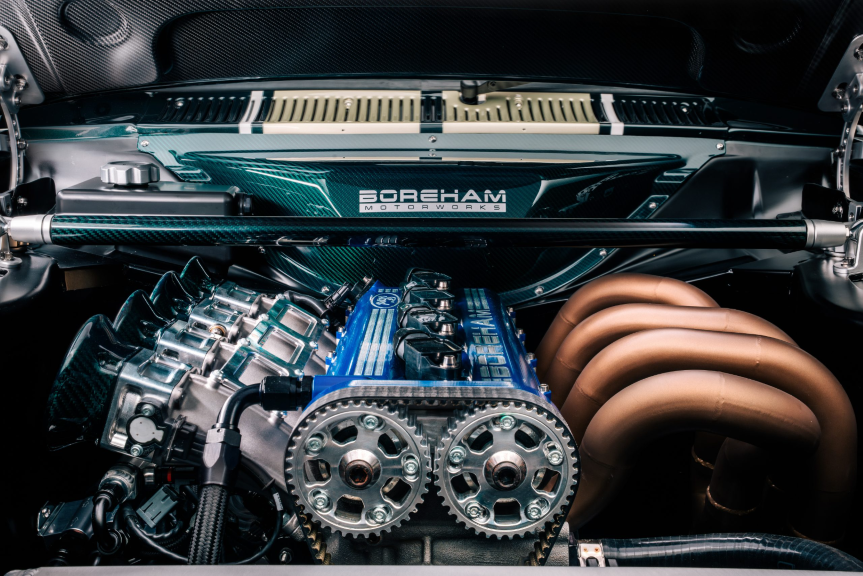
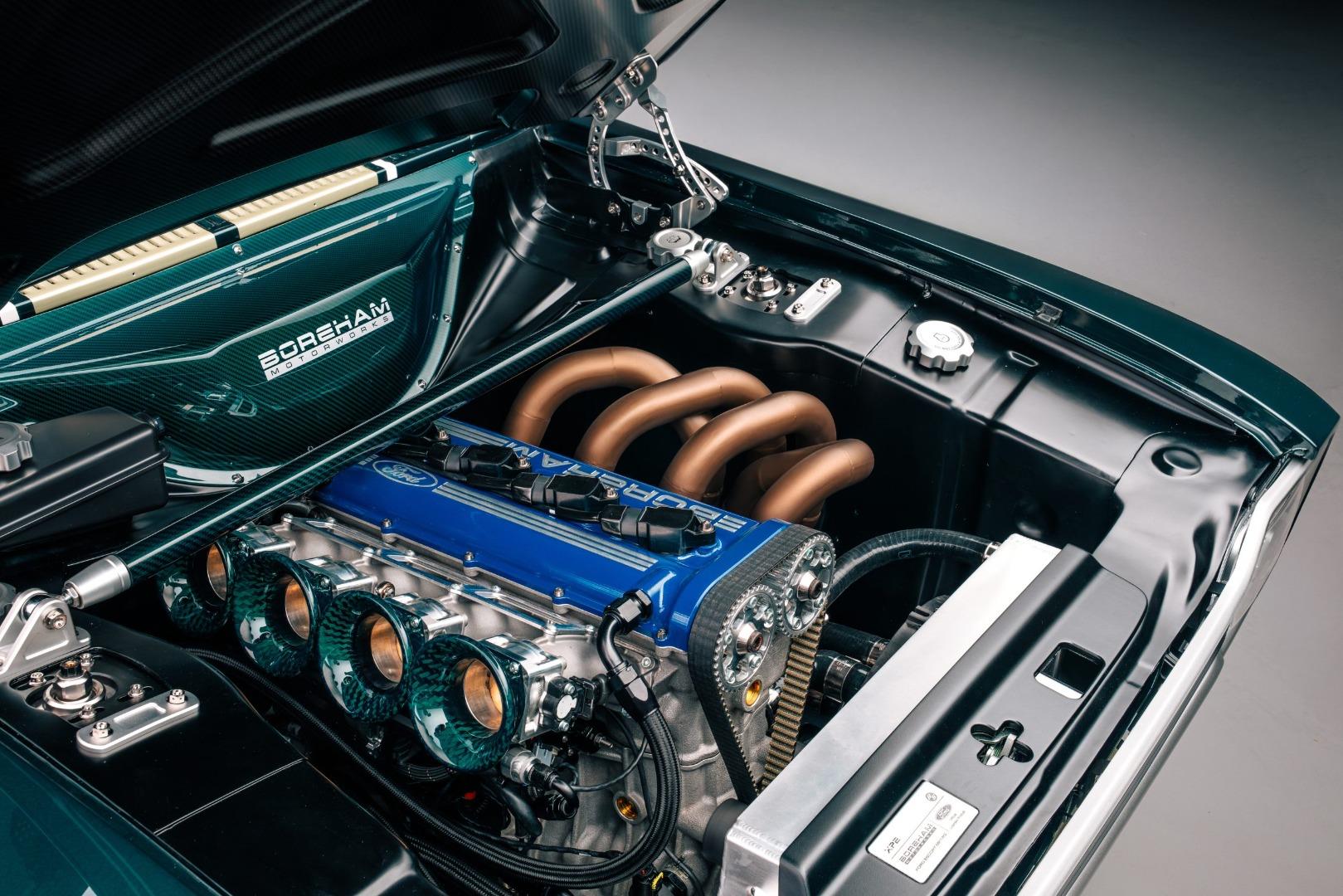
But the real talking point is the flagship Boreham TEN-K engine.
The block: A bespoke 2.2-litre (2 152 cc) inline-four that uses 3D-printed casting technology to form the block tightly around the internal components, saving massive amounts of weight. The whole engine weighs a ridiculous 85 kg.
The power: It pumps out 243 kW (330 PS) and 210 Nm of torque.
The redline: It screams all the way to 10 000 rpm.
To handle that kind of high-revving madness, it’s packed with Formula 1-inspired port geometry, individual throttle bodies, a carbon-fibre airbox, a billet crankshaft, and a dry-sump lubrication system. Power is sent strictly to the rear wheels via a five-speed close-ratio manual transmission with a dog-leg first gear, paired with an automatic torque-biasing differential.

How light is it, and how does it handle?
Boreham targeted a dry weight of just 895 kg. To put that into perspective, it weighs significantly less than a modern Mazda MX-5 but packs more than double the power. To hit that number, the bonnet and boot lid are crafted from lightweight carbon fibre, and the interior is stripped of any unnecessary weight.
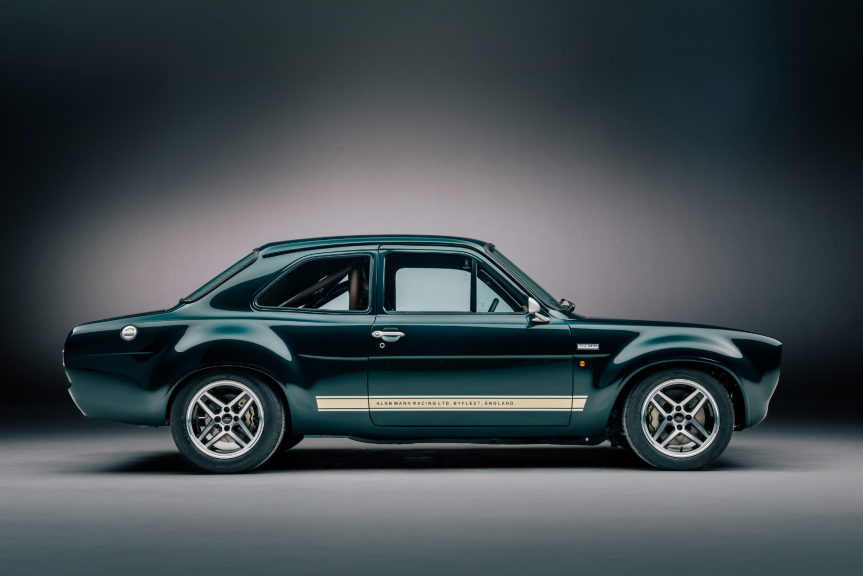
The suspension setup retains the classic MacPherson strut front and live rear axle layout, but the geometry has been heavily modernised:
The stance: A custom front subframe pushes the front axle line forward, increasing the wheelbase by 30 mm to replicate the exact proportions of the '68 Alan Mann race cars. This unlocks front-end grip and steering precision that no road-going original Mk1 could ever match.
The rear end: The live rear axle is a fully floating design made from aluminium and titanium, slashing rear unsprung mass by 50% (40 kg) compared to old-school rally cars. It is held in place by a motorsport-spec six-link setup and a twin Watts linkage.
The stoppers: Adjustable R53 dampers take care of body control, while braking is handled by 300 mm vented front discs with four-piston callipers. Best of all? There is no ABS, no traction control, and no power steering. It's just you, a traditional cable-operated handbrake, and pure analogue feedback.
Does it have any modern tech inside?
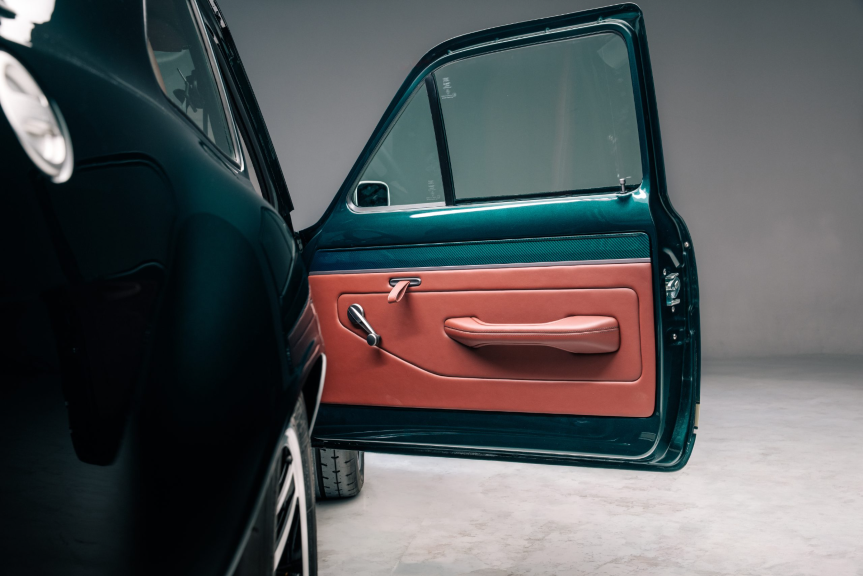
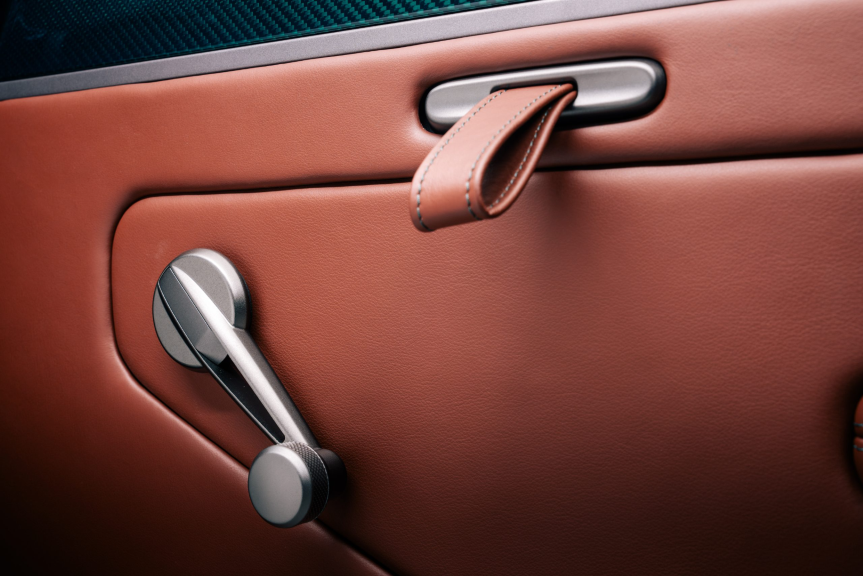
If you are looking for digital touchscreens or Apple CarPlay, you are looking at the wrong car. The dashboard is a clean, technical environment dominated by exposed carbon fibre, mechanical window winders, and beautiful analogue dials.

However, Boreham didn't ignore usability. It features a fully developed electric climate control system (heating and air conditioning) to survive hot summer days, a subtle single-DIN stereo with phone connectivity, and high-performance LED headlights that mimic the taped-over lenses of vintage rally stages.
The coolest interior detail? A pair of mechanical rally chronographs mounted side-by-side in a "shotgun" configuration on the centre console, developed in collaboration with luxury watchmaker Breitling.

How much does it cost, and can you get it in South Africa?
Now for the gut punch. Pricing starts at £295,000 in the UK: roughly R7 million before local taxes.
Why so expensive? Boreham is only building 150 units globally. That means all the massive development costs - scanning blueprints, engineering a stiffer modern chassis, and hiring hypercar suspension tuners - are split between a very small group of buyers.
(We currently have 144 Ford Mustangs for sale, if you'd like to take a peek.)

Furthermore, you are paying for mechanical components that read like a Formula 1 parts catalogue. Shaving the rear unsprung weight by half required a custom live rear axle machined from solid aluminium and titanium. Squeezing 243 kW from a naturally aspirated four-cylinder block required cutting-edge 3D-printing casting techniques to wrap the metal as tightly as humanly possible around the internal components. Throw in a heavy licensing fee paid back to Ford to secure those genuine, factory-certified chassis numbers, and the result is a low-volume, bespoke motorsport prototype wearing a nostalgic 1970s suit.
Ford South Africa won't sell these locally, but Boreham is building them in both left- and right-hand drive. If a local collector privately imports one, shipping, duties, VAT, and luxury taxes may push the final landed price past R10 million. It is serious supercar money, but for a 10 000 rpm piece of Ford history, chances are a few local buyers won't be able to resist.