




Mercedes-Benz C-Class Cabriolet
Fuel Economy and CO2
Four engines are offered in the Mercedes-Benz C-Class Cabriolet line. The most economical model starts with the only diesel engine in the range, the C 220 d, which has a claimed fuel consumption of 5.1-4.8 l/100 km and CO2 emissions are 136 g/km.
The petrol range starts with the C 200. It’s claimed fuel consumption is rated at 6.8-6.4 l/100 km while CO2 emissions are 154 g/km.
A more powerful petrol C 300 has a claimed fuel consumption of 7.1-6.7 l/100 km and CO2 emissions of 163 g/km.
Stronger performance models start with the AMG C 43. Claimed fuel economy is rated at 9.8-9.5 l/100km and CO2 emissions at 223 g/km.
The most powerful petrol engine and quickest C-Class Cabriolet model, but the least economical, is the AMG C 63 S Cabriolet. It's claimed to used 8.9 l/100 km of fuel on a combined cycle and emits 218 g/km of CO2.
Reliability & Safety
In a UK owner satisfaction survey, the Mercedes C-Class Cabriolet was rated average for reliability. From the participating owners, 18.1% of them reported experiencing a problem with their car at least once with a common problem related to electrics and brakes.
It was also said that “owners were least impressed with the car's running costs, while ride and handling weren't singled out for any particular praise, either. Impressive engines and safety features were the C-Class attributes that owners appreciate most warmly.”
When the C-Class Cabriolet was crash-tested by Euro NCAP in 2017, it was awarded a full five stars. The car scored 89% in the adult occupant protection category, 79% for child occupant protection, 66% in the pedestrian category and 53% for safety assist.
Standard safety equipment includes features like stability control, ABS (anti-lock brakes), a host of airbags, ISOFIX child car seat mounting points and a tyre pressure monitoring system. There’s also automatic braking if the car detects an imminent collision and a system for detecting drowsiness.

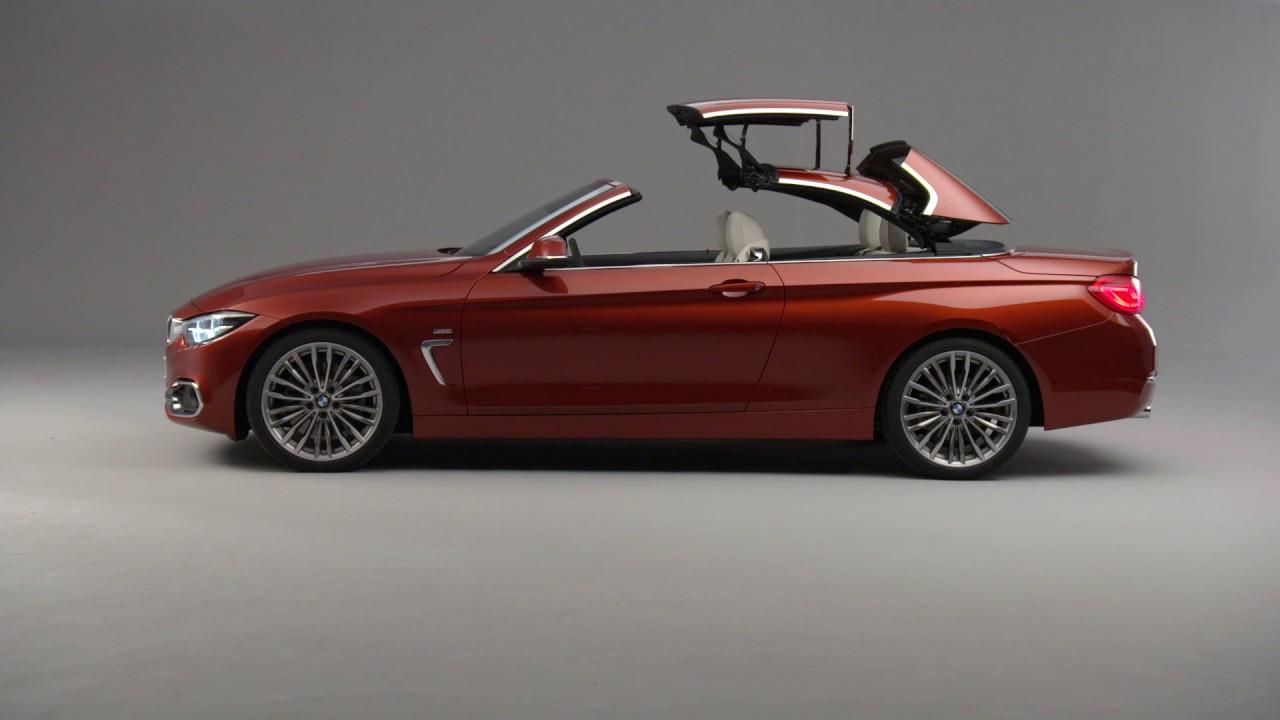
BMW 4 Series Cabriolet
Fuel Economy and CO2
The most economical model in the BMW 4 Series Cabriolet range is the 2.0-litre diesel badged as the BMW 420d. It’s claimed fuel consumption is rated at 4.8-5.1 l/100 km while CO2 emissions are 134 g/km.
Then there’s the 425d with a claimed fuel consumption of 5.1-5.4 l/100 km and CO2 emissions of 141 g/km. The 435d xDrive has a claimed fuel consumption of 5.7-5.9 l/100 km and CO2 emissions of 155 g/km.
The petrol range starts with the BMW 420i, with a claimed fuel economy of 5.8 l/100 km and CO2 emissions of 153 g/km.
A more powerful version badged 430i has a claimed fuel economy of 6.4-6.7 l/100 km and emits 146 g/km of CO2 despite its increased performance.
The most powerful petrol engine and the quickest 4 Series Cabriolet model, but the least economical, is the BMW 440i. Claimed fuel economy is rated at 6.8-7.2 l/100 km and CO2 emissions at 167 g/km.
Reliability & Safety
The 4 Series Cabriolet shares parts with the solid and reliable BMW 3 Series.
In a UK owner satisfaction survey of cars, the BMW 4 Series was rated highly for reliability. From the survey, only 8.7% of participating owners reported experiencing a problem with their car on one or more occasion.
While it is yet to be crash-tested by Euro NCAP, the BMW 4 Series Cabriolet is likely to be extremely safe since it is closely related to the BMW 3 Series and the 3 Series has a five-star rating for safety.
The 4 Series is fitted with several safety features that include ABS, braking assistance, stability control, and numerous airbags as standard, and should fare well in the event of a crash.

Audi A5 Cabriolet
Fuel Economy and CO2
The Audi A5 Cabriolet engine line-up comprises of two units – a 2.0 TFSI with 140 kW and a 2.0 TFSI with 185 kW. The former engine will only be offered in front-wheel drive, while the latter only with quattro permanent all-wheel drive.
The 140 kW 2.0 TFSI has a claimed fuel consumption of 7.3 l/100 km on an urban cycle and CO2 emissions are rated at 117 g/km while the 185 kW 2.0 TFSI has a claimed fuel consumption of 8.1 l/100 km and possible CO2 emissions of 158 g/km.
Read: Which Audi A5 is better: diesel or petrol?
Reliability & Safety
Every aspect of the latest A5 Cabriolet is derived from tried-and-tested technology. Its quattro four-wheel-drive system is known to be reliable and the engines are shared with the Audi A4, which is a car that usually sustains high mileage.
In the owner satisfaction survey, Audi placed in the bottom third of the list. This is what was said about Audi, “although owners are pleased with the way their cars are built, voting the brand into sixth place overall on that front, actual reliability was placed a less-than-inspiring 23rd. We’d expect this latest model to make a considerable leap forward.”
The Audi A5 Cabriolet is yet to be crash-tested by Euro NCAP, however, since it shares much of its structure with the Audi A4 sedan it should also rank as a five-star car.

Verdict
The Audi A5 Cabriolet seems to have the highest numbers on paper in this trio and therefore sits at the bottom of our list. The Mercedes-Benz C-Class Cabrio might be more comfortable, however, the BMW 4 Series offers a marvellous driving experience, a lovely cabin, and high-quality interior which when put together, make it a great Cabrio to buy. And when you combine those elements with a serious turn of pace, the 440i is a top performance Cabrio to consider. It’s also considerably cheaper than the Benz and the one with the strongest reliability.