
The legend of the Bugatti Veyron didn't begin in a clinical laboratory in Molsheim. Instead, it was born from a feverish sketch on a Japanese bullet train. The man behind the pen? Prof. Dr. Ferdinand Karl Piëch. That sketch—a revolutionary "W" engine configuration—would eventually become the mechanical heart of a renaissance that changed the automotive world forever.
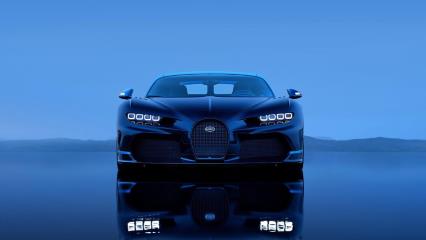
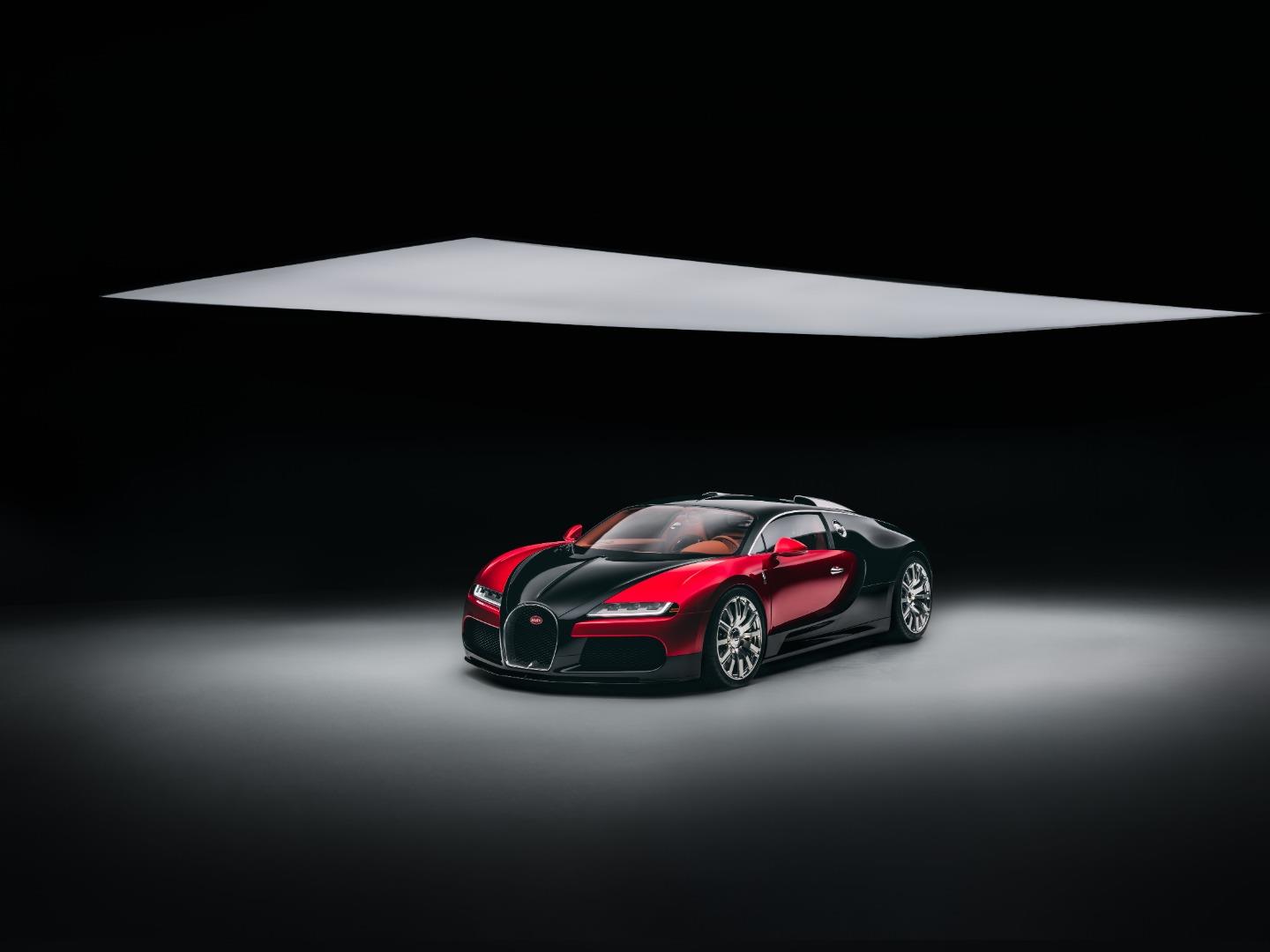
Bugatti now honours that legacy with the F.K.P. Hommage, the second model to emerge from the ultra-exclusive Programme Solitaire. It is a car that bridges two decades of engineering evolution, wrapping the looks of the Veyron on 1 193kW Chiron platform.
Engineering the unthinkable
Piëch was the ultimate disruptor. Before the Veyron, he had already proven his genius by shrinking engine architectures at Volkswagen—moving from the VR6 that defined the Golf to the W12 found in Bentleys. But the W16 was his magnum opus.
By staggering cylinders in a "double-V" layout, Bugatti’s engineers managed to compress a massive powerplant into a footprint just 645mm long. This allowed for the Veyron’s signature compact 2 700mm wheelbase.
"Prof. Dr. Ferdinand Karl Piëch saw the impossible not as a roadblock but as a challenge," says Hendrik Malinowski, Managing Director of Bugatti. "His vision was absolute: 1,000 hp, 400 km/h, and refined enough to arrive at the opera in a tuxedo. The F.K.P. Hommage celebrates this uncompromising pursuit."
A Modern Heart in a Timeless Silhouette
While the original Veyron stunned the world in 1999 with 746 kW (1 001hp), the F.K.P. Hommage steps into the present with the pinnacle of W16 development. It utilises the 1 193kW (1 600hp) quad-turbocharged unit from the Chiron Super Sport—the engine that finally fulfilled Piëch’s ambition of breaking the 300 mph (482 km/h) barrier.
To manage this monumental leap in power, the Hommage features:
Larger turbochargers and enhanced intercoolers.
Upgraded cooling systems to manage extreme thermal loads.
A reinforced double-clutch gearbox designed to withstand earth-moving torque.
Staggered 20-inch front and 21-inch rear wheels wrapped in the latest Michelin rubber.

Design
When Jozef Kabaň designed the Veyron, he ignored the "wedge" shapes of the 90s. The F.K.P. Hommage refines this Bauhaus-influenced aesthetic for 2026.
The exterior is a masterclass in modern surfacing. The iconic horseshoe grille is now machined from a solid block of aluminium, flowing organically into the bodywork. The paintwork is equally technical: a deep red finish achieved by layering a red-tinted clear coat over a silver aluminium base, paired with exposed carbon fibre that features a subtle 10% black pigment for a "tinted" look.

The Interior
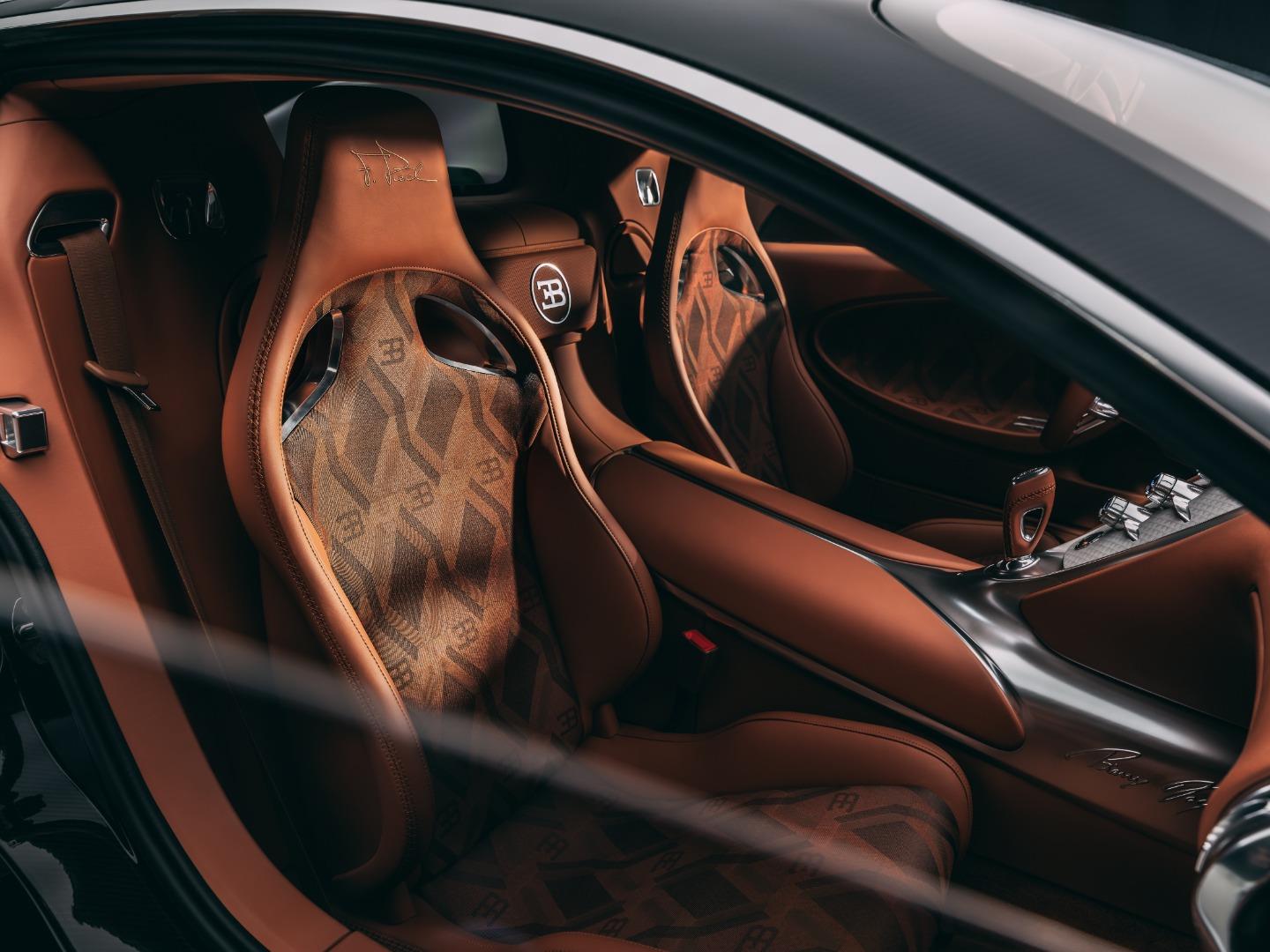
Inside, the F.K.P. Hommage departs from the Chiron-era cabin. It returns to the Veyron’s roots with a circular steering wheel and a bespoke centre console machined from solid aluminium.
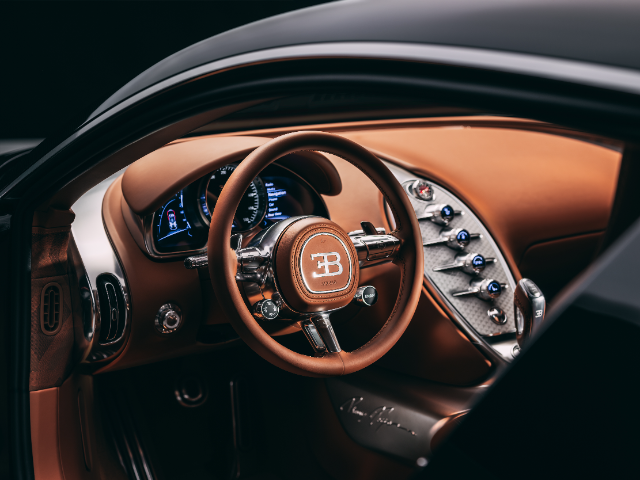
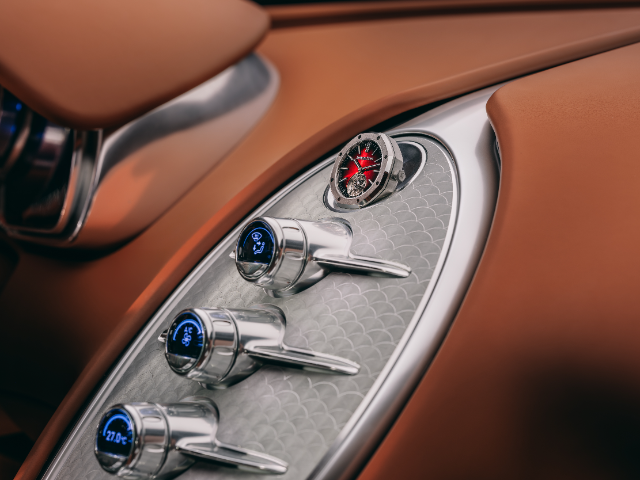
The showstopper, however, is a 41mm Audemars Piguet Royal Oak Tourbillon integrated directly into the dashboard. At the owner’s request, the watch sits on an "island" finished in engine-turned polish—a nod to Ettore Bugatti’s original straight-eight engines. The watch is powered by a mechanical gondola that rotates via the car’s movement, requiring no electrical connection.
A tribute
For Bugatti Design Director Frank Heyl, this project was personal. "The Veyron created an entirely new segment—the million-euro hypercar," Heyl reflects. "If Prof. Piëch were here to see this, I’m sure he would agree this is the most appropriate celebration of his vision."
As part of Programme Solitaire, which produces only two bespoke masterpieces a year, the F.K.P. Hommage is more than just a car. It is a 1 600-horsepower thank-you note to the man who refused to believe in "impossible."