Hybrid vs diesel bakkie: real running costs compared
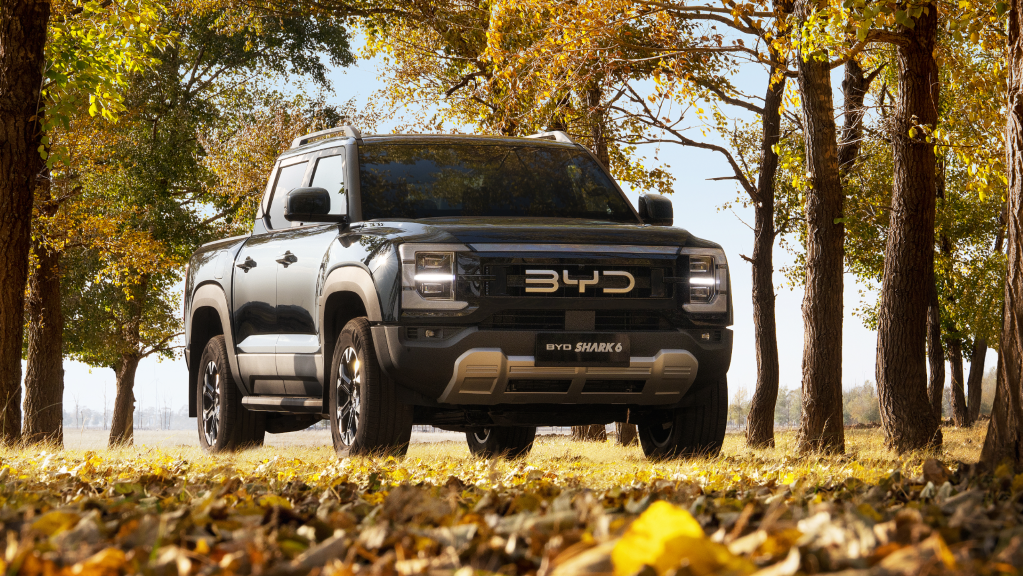
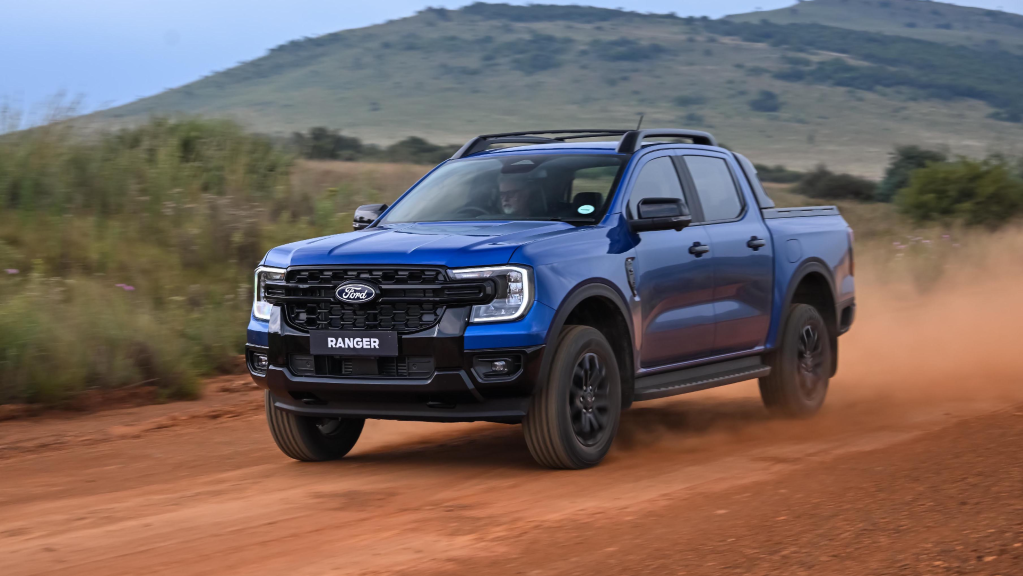
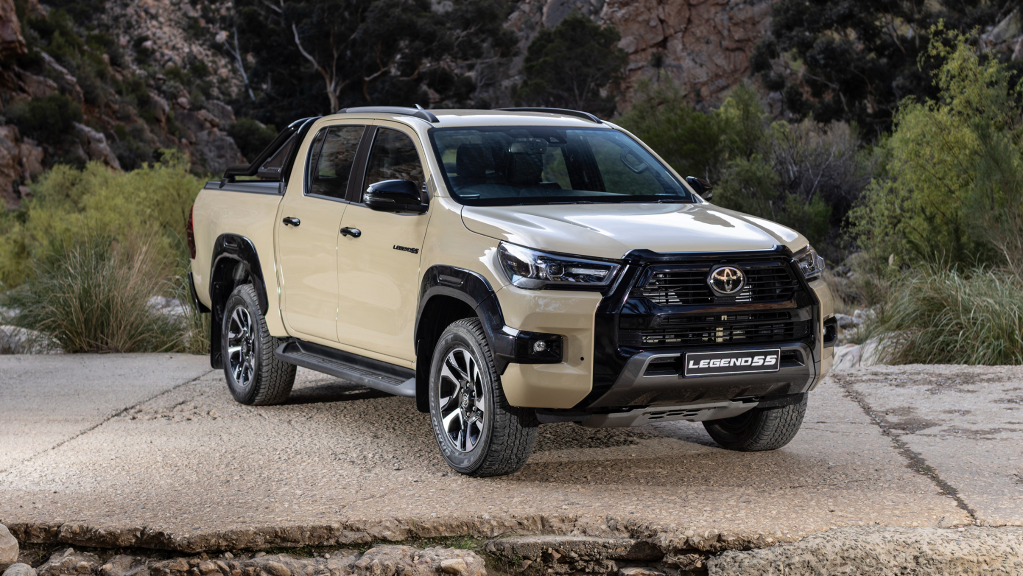
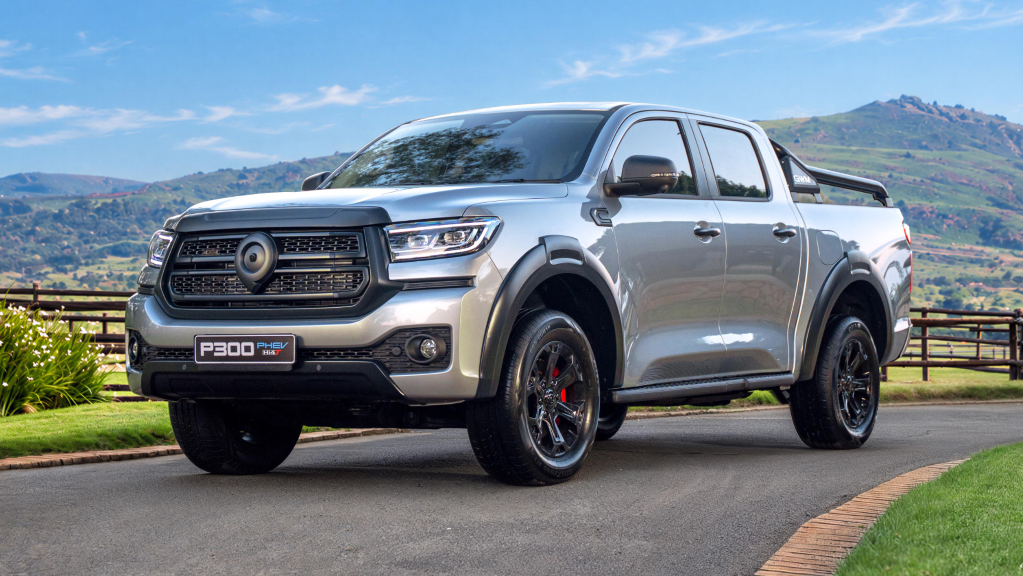
With diesel at R32.79 a litre, plug-in hybrid double cabs are looking more tempting than ever. We added up five years of fuel, finance, insurance, servicing, wear and resale to see how the Ford Ranger, Toyota Hilux and Isuzu D-Max stack up against the BYD Shark 6, Changan Hunter REEV and GWM P300 PHEV.


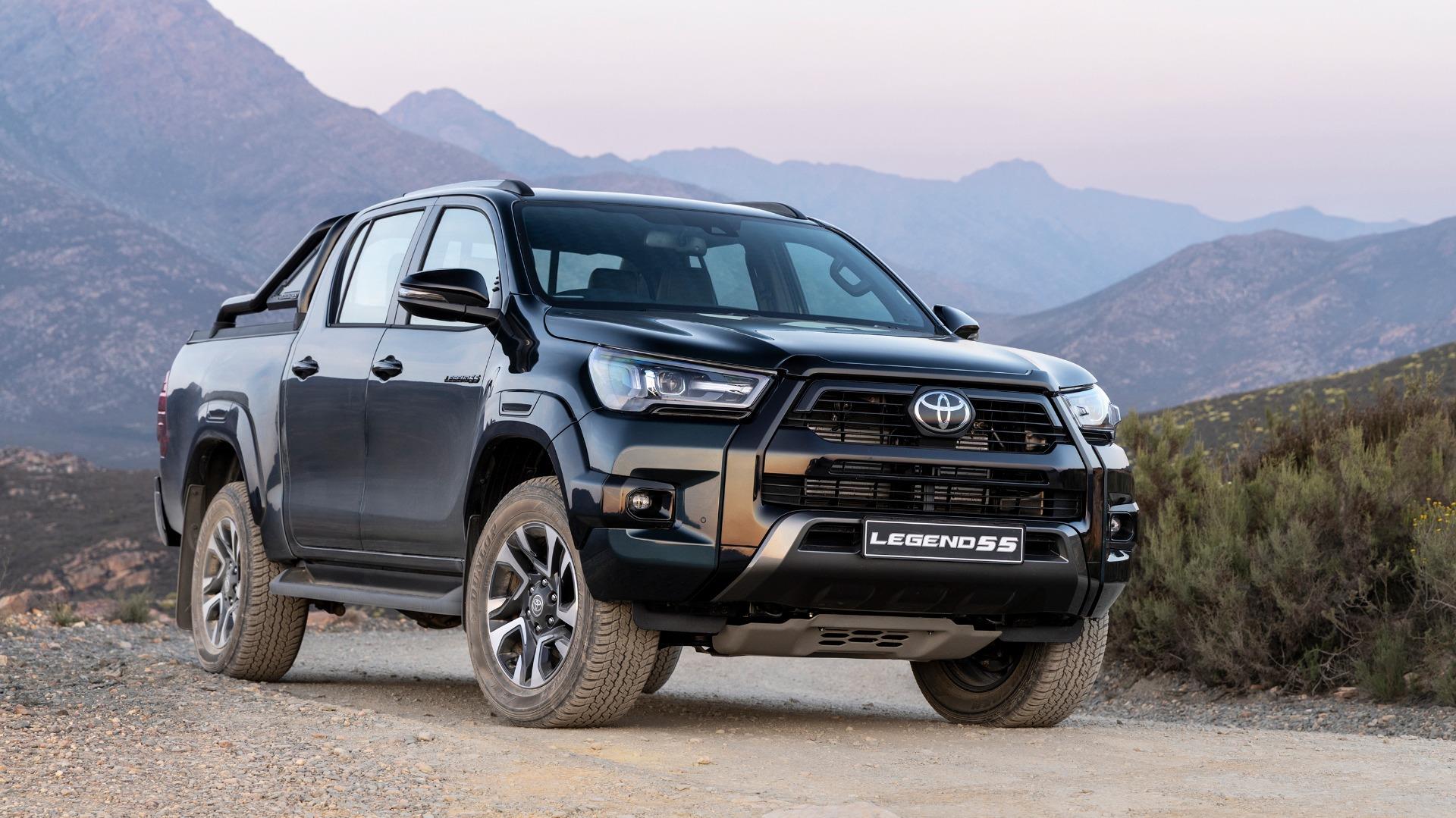
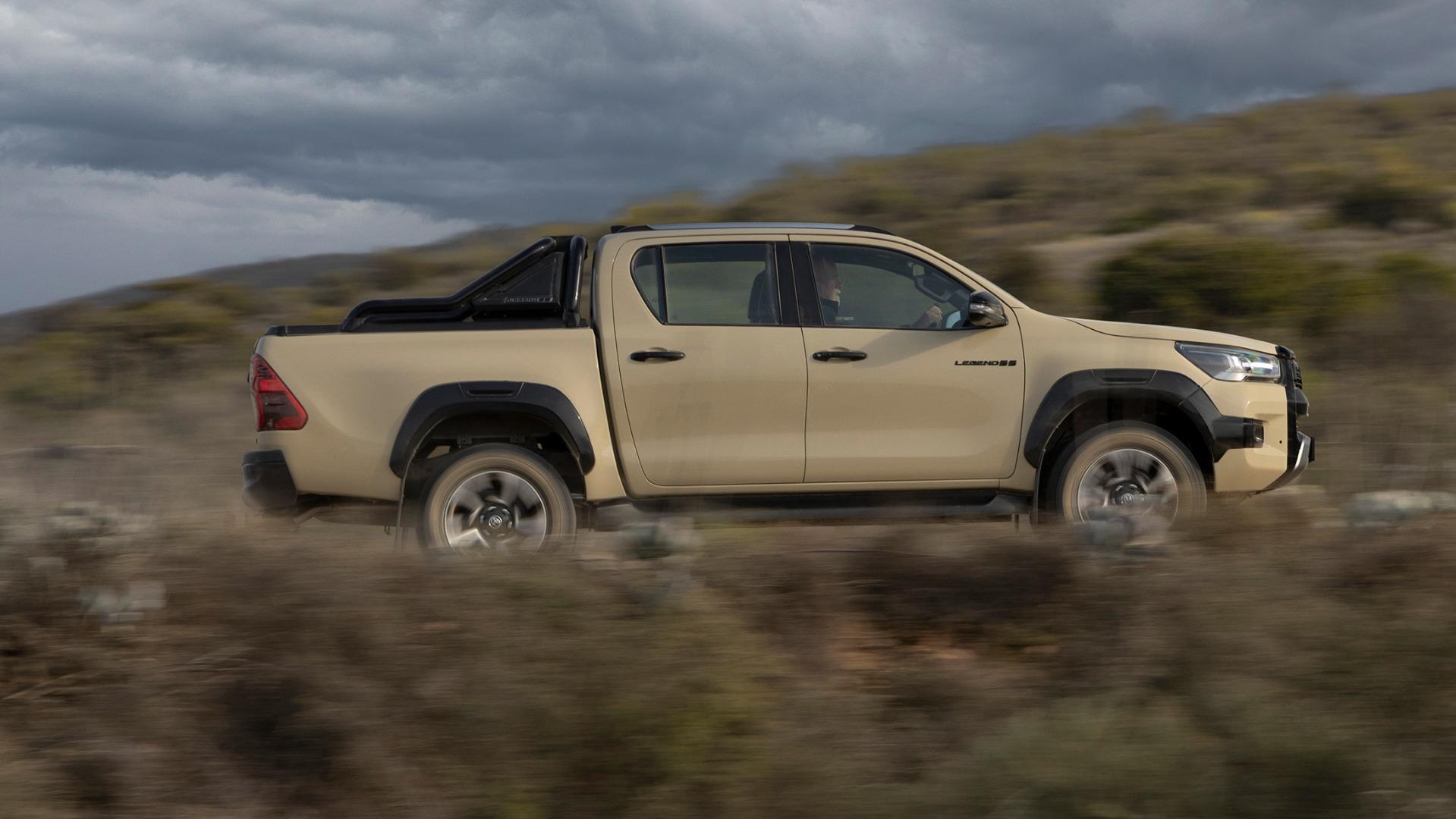
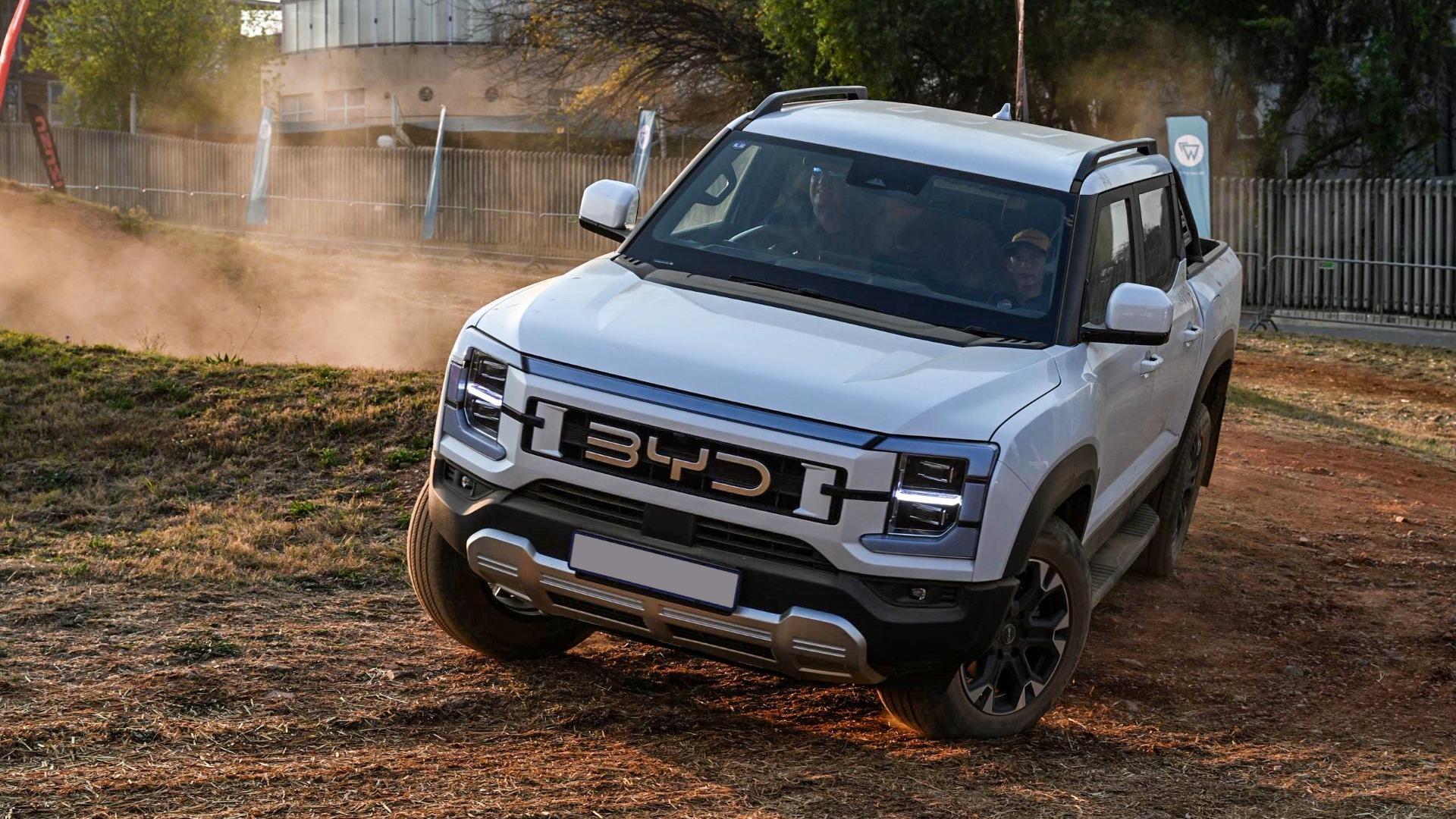
Diesel has been the default fuel for South African bakkies for as long as most of us can remember. But with 50ppm diesel now costing R32.79 a litre inland, and plug-in hybrid double cabs from BYD, Changan and GWM in showrooms, is it time to rethink that habit?
The sticker price only tells part of the story. To find out what these bakkies really cost, we added up fuel, finance, insurance, servicing, wear and tear and resale value over five years and 100 000 km. Here's how South Africa's three best-selling diesel double cabs compare with the new-energy challengers.
How we did the sums
Every bakkie here is a double cab. For the diesels, we picked the mid-range model for each engine in the Ford Ranger, Toyota Hilux and Isuzu D-Max line-ups. We assumed 20 000 km a year and October 2026 inland prices: R32.79 per litre for 50 ppm diesel, R30.25 per litre for 95 unleaded, and R3.80 per kWh for home electricity. Coastal buyers pay 76c less per litre of diesel, which saves roughly R6 000 to R7 000 over five years. Finance is over 72 months at 12.5% interest, with a 10% deposit and no balloon payment.
Vehicle | Engine | List price | Monthly instalment |
Toyota Hilux 2.4 GD-6 Raider 4x2 manual | 2.4 turbodiesel | R624 900 | R11 142 |
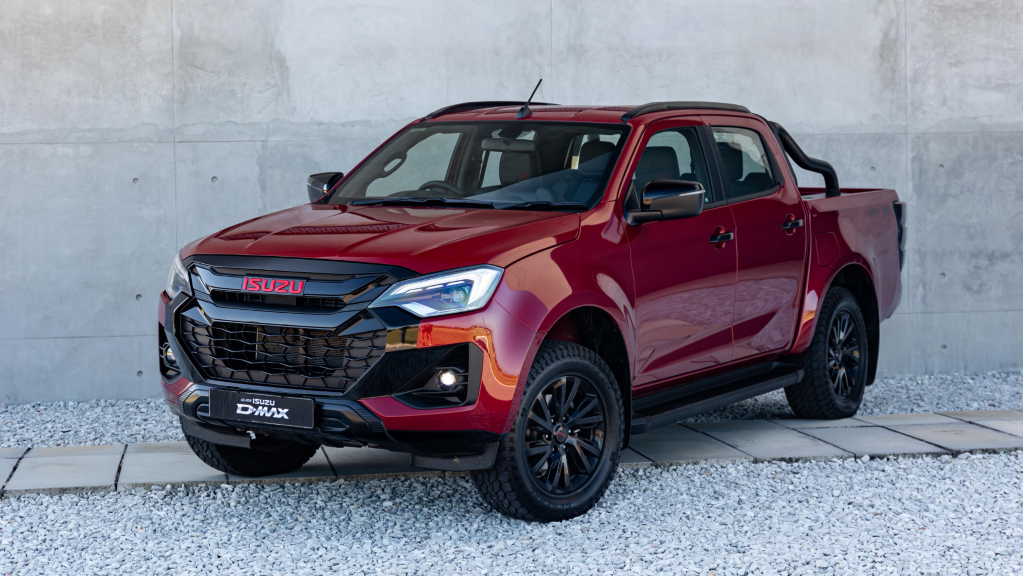
Isuzu D-Max 1.9 Ddi LS 4x2 auto | 1.9 turbodiesel | R633 290 | R11 292 |
Ford Ranger 2.0 SiT XLT 4x2 auto | 2.0 turbodiesel | R703 900 | R12 551 |
Isuzu D-Max 3.0 Ddi X-Rider 4x2 auto | 3.0 turbodiesel | R792 470 | R14 130 |
Toyota Hilux 2.8 GD-6 Raider 4x2 auto | 2.8 turbodiesel | R799 900 | R14 262 |
Changan Hunter REEV CE 4x4 | 2.0 turbo petrol range extender | R799 900 | R14 262 |
Ford Ranger 2.0 BiT XLT 4x2 auto | 2.0 bi-turbo diesel | R802 000 | R14 300 |
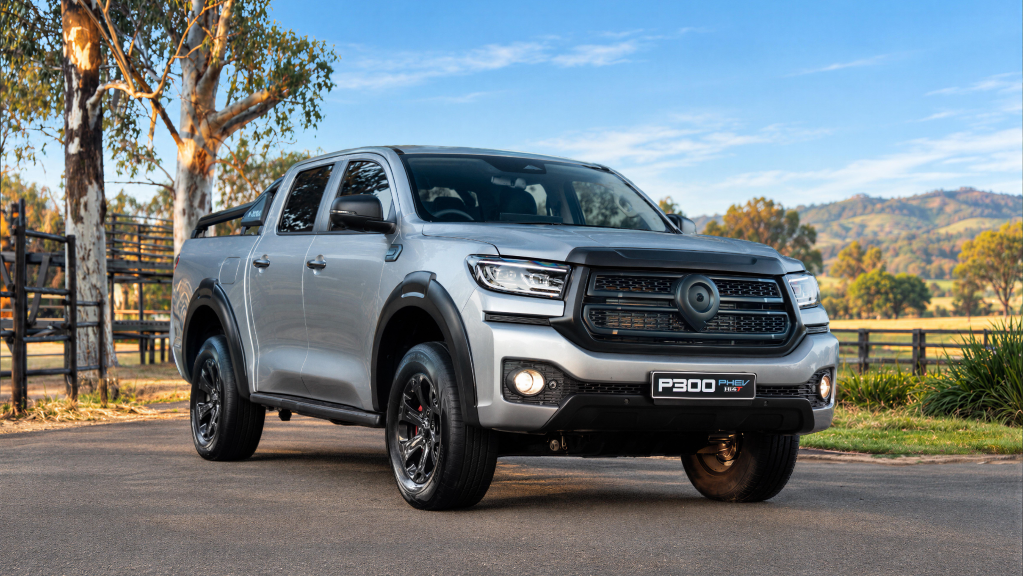
GWM P300 2.0T Hi4-T PHEV 4x4 | 2.0 turbo petrol plug-in hybrid | R914,900 | R16,313 |
BYD Shark 6 Premium AWD | 1.5 turbo petrol plug-in hybrid | R989 900 | R17 650 |
There's one catch on the Ford side. Ford dropped the 2.0 BiTurbo from the Ranger range in May 2026, but there is still stock on dealer floors, so we've used its final list price.
Diesel: the claims vs reality
Every diesel here uses more fuel in daily driving than its maker claims, typically 1 to 2 litres more per 100 km. The D-Max 1.9 and Ranger SiT are the frugal pair, while the BiTurbo Ranger will cost you roughly R50,000 more to fuel over five years.
Vehicle | Claimed (L/100 km) | Real-world (L/100 km) | 5-year fuel bill |
Isuzu D-Max 1.9 LS | 7.3 | 7.9 | R259 041 |
Ford Ranger 2.0 SiT XLT | 7.4 | 8.0 | R262 320 |
Isuzu D-Max 3.0 X-Rider | 7.9 | 9.0 | R295 110 |
Toyota Hilux 2.4 Raider | 7.1 | 9.0 | R295 110 |
Toyota Hilux 2.8 Raider | 7.6 | 9.3 | R304 947 |
Ford Ranger 2.0 BiT XLT | 7.2 | 9.5 | R311 505 |
Hybrids: only as cheap as your plug
The hybrids completely change the picture, provided you charge them. Claimed figures of 2.0 to 2.5 L/100 km assume a full battery, which only applies to the first 80 to 100 km of each trip.
We assumed an owner who plugs in at home every night, covering 60% of their kilometres on electricity and the rest on petrol. On that basis, all three hybrids cost far less to run than any diesel here. Assumed electric consumption (kWh/100 km).
Vehicle | Claimed (L/100 km) | 5-year energy bill, charged nightly | 5-year fuel bill, never charged |
BYD Shark 6 Premium | 2.0 | R157 200 | R302 500* |
Changan Hunter REEV | 2.5 | R165 100 | R287 400* |
GWM P300 PHEV | 2.4 | R184 100 | R317 600** |
*Based on real-world petrol consumption.
**The P300 PHEV only launched in October 2026 and has not been tested locally; its figures are estimates.
But here's the thing: if you never plug in, the Shark 6 and P300 cost about as much to fuel as a BiTurbo Ranger. A plug-in hybrid only pays off if you actually use the plug.
Insurance, servicing and wear and tear
Insurance is the cost buyers most often forget to budget for. Our estimates are for a 35-year-old male whose bakkie is garaged at night and parked securely during the day. The Hilux's popularity with hijackers pushes up its premiums, while the hybrids' higher values and costlier parts do the same for them.
Your individual risk profile and claim history will affect your monthly premiums; the numbers below are only rough guidelines.
Vehicle | Est. monthly premium |
Isuzu D-Max 1.9 LS | R1 200 |
Ford Ranger 2.0 SiT XLT | R1 350 |
Toyota Hilux 2.4 Raider | R1 450 |
Isuzu D-Max 3.0 X-Rider | R1 500 |
Ford Ranger 2.0 BiT XLT | R1 550 |
Toyota Hilux 2.8 Raider | R1 750 |
Changan Hunter REEV | R1 850 |
GWM P300 PHEV | R2 050 |
BYD Shark 6 Premium | R2 200 |
Servicing is mostly taken care of. Ford, Isuzu, BYD and Changan's plans cover every scheduled service up to 100 000 km at our mileage. Toyota's 10 000 km intervals mean that Hilux owners pay for the 100 000 km service themselves, at around R4 500. The P300's 75 000 km plan leaves its 90 000 km service, also around R4 500, for the owner.
Service plans don't cover wear items. Budget about R35 000 per diesel bakkie for a set of tyres, brake pads and discs, and shock absorbers, to last to 100 000 km. The hybrids need roughly R29 500, because regenerative braking means their pads and discs last far longer.
Resale: the cost you don't see
Depreciation is the highest single cost of owning most of these bakkies, and this is where the Hilux and D-Max earn their reputations. Here's what the closest five-year-old double cab is worth today compared with what it cost new.
Double cab | Model year | Price new | Market value today | Value kept |
Toyota Hilux 2.8 GD-6 Raider auto | 2021 | R644,500 | R509,000 | 79% |
Isuzu D-Max 250 HO Hi-Rider | 2021 | R461,100 | R360,000 | 78% |
Toyota Hilux 2.4 GD-6 Raider manual | 2021 | R515,300 | R397,000 | 77% |
Isuzu D-Max 1.9 Ddi LS auto* | 2022 | R537,500 | R400,000 | 74% |
Isuzu D-Max 300 X-Rider auto | 2021 | R590,300 | R403,000 | 68% |
Ford Ranger 2.0 SiT XLT auto | 2021 | R596,200 | R354,000 | 59% |
Ford Ranger 2.0 BiT XLT | 2021 | R741,900 | R411,000 | 55% |
*The odd one out. The D-Max 1.9 only arrived in April 2022, so this example is about four and a half years old rather than five. We've used it for the D-Max 1.9's five-year costs because it's the same model, and its lower value makes it the more conservative figure. The five-year-old 2.5-litre D-Max 250 is shown for comparison.
The hybrids are a bigger unknown, as none have been on sale for five years. We've assumed they retain 55% of their value, given that Chinese brands generally depreciate faster than established rivals. This conclusion is drawn from their 3-year depreciation trajectory.
The five-year bottom line
Add it all up, and the D-Max 1.9 is the cheapest double cab to own, at R7.62 per kilometre, followed by the Hilux 2.4 at R7.96. The Shark 6 is the most expensive, even when charged every night.
Double cab | Running costs* | Depreciation and interest | 5-year total | Per km |
Isuzu D-Max 1.9 LS | R366 041 | R396 288 | R762 329 | R7.62 |
Toyota Hilux 2.4 Raider | R421 610 | R374 641 | R796 251 | R7.96 |
Toyota Hilux 2.8 Raider | R449 447 | R464 091 | R913 538 | R9.14 |
Ford Ranger 2.0 SiT XLT | R378 320 | R546 357 | R924 677 | R9.25 |
Changan Hunter REEV | R305 600 | R655 875 | R961 475 | R9.61 |
Isuzu D-Max 3.0 X-Rider | R420 110 | R544 620 | R964 730 | R9.65 |
GWM P300 PHEV | R341 100 | R750 170 | R1 091 270 | R10.91 |
Ford Ranger 2.0 BiT XLT | R439 505 | R654 403 | R1 093 908 | R10.94 |
BYD Shark 6 Premium | R318 700 | R811 669 | R1 130 369 | R11.30 |
*Fuel or energy, insurance, out-of-plan servicing and wear items. Hybrids assume nightly home charging. Interest is what you pay in the first 60 of 72 instalments.
Diesel depreciation applies each model's value-kept percentage from the resale table to today's list price.
Notice the pattern. The hybrids have the lowest running costs by a wide margin, but their higher prices mean more interest, and their uncertain resale values mean more depreciation.
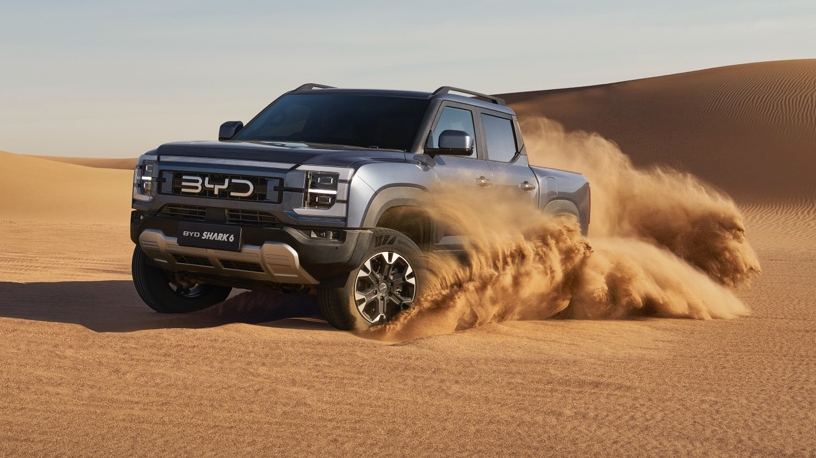
Verdict
So, should your next bakkie be a hybrid? If you can charge at home every night, the hybrids are the cheapest double cabs to run day-to-day here. They save between R25 000 and R144 000 over five years compared with the diesels.
That saving disappears once you factor in purchase price, finance and resale. The Changan Hunter REEV comes closest, costing about R48 000 more than a Hilux 2.8 Raider over five years. It narrowly undercuts the D-Max 3.0 and comes in well below the BiTurbo Ranger and both plug-in hybrids. If you rarely plug in, the hybrids' five-year costs rise by a further R122 000 to R145 000.
For now, the sensible choice is also the cheapest one. The D-Max 1.9 and Hilux 2.4 cost the least to own, and across brands, the smaller diesel saves R117 000 to R202 000 over its bigger-engined sibling. That said, a hybrid could make sense for buyers who mostly take short trips, charge at home, and want the performance and backup power that come with it.
Would you make the switch to a hybrid bakkie, or is diesel still king? Let us know in the comments, and browse new and used double cabs on AutoTrader to find your next bakkie.