
How tyres are made
How tyres are made


By Tyrone Woods
As an average road user, I often take for granted the amount of trust I put into the ring-shaped piece of rubber that surrounds a wheel's rim. Commonly know as a tyre, I was rather interested to see what goes into making the component that transfers a vehicle's load from the axle through the wheel to the ground, to provide traction on the road.
As with most things in life, at face value, the tyre seems like a simple and rather boring piece of equipment. However, there are many different parts that go into the making of a tyre and they all play an important role in making sure your vehicle performs at its best, and keeps you safe. If you think about it, the tyre is the only part of a vehicle that touches the road.
But before we get to the manufacturing process lets take a look at the various parts that make up a tyre.
Beads
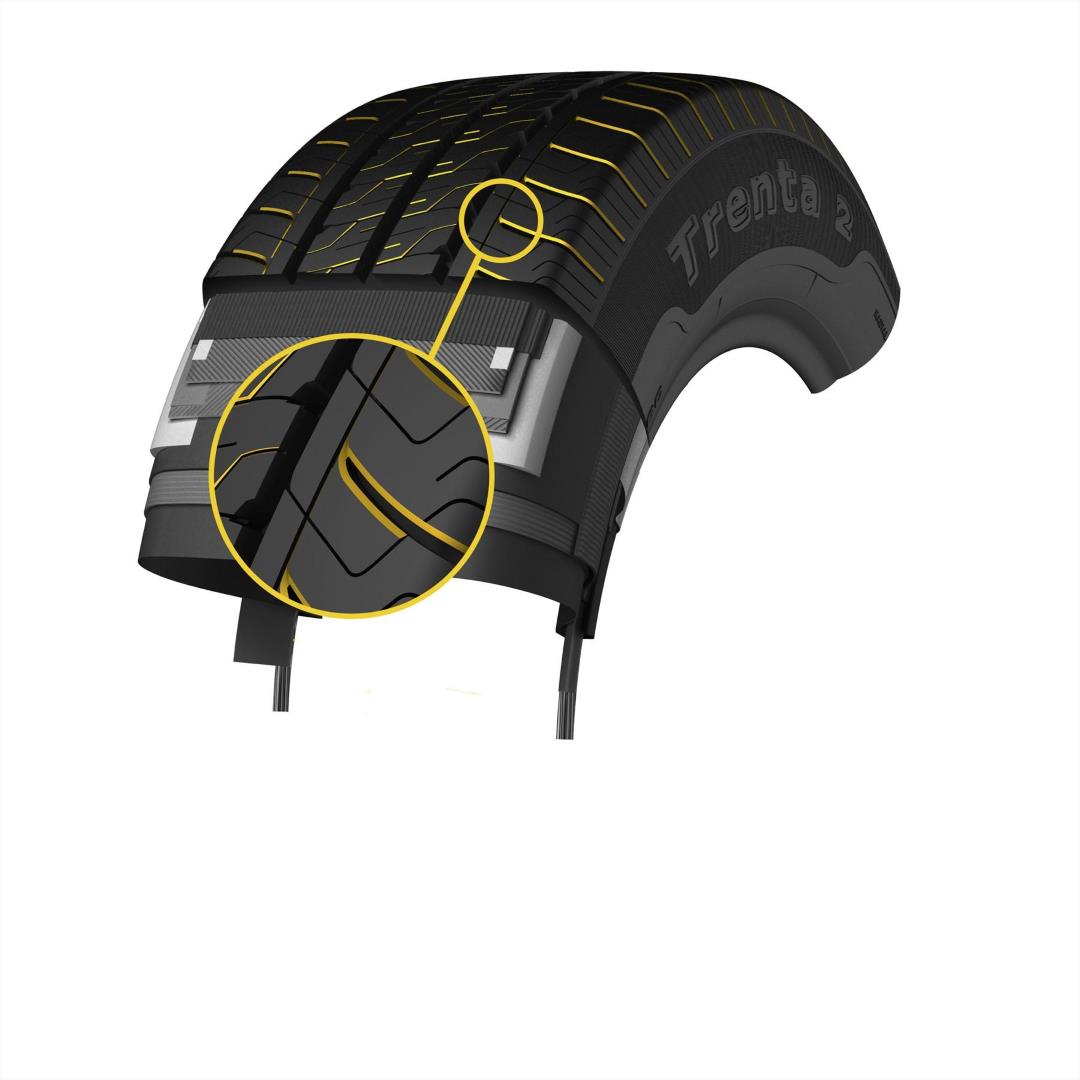
Tyre beads are made from high-strength steel coated in rubber. The beads create an airtight seal between your tyre and the rim of the wheel.
Belts
Steel belts are placed around the core of the tyre to reinforce its strength and provide rigid structure. The belts are made of woven sheets of steel wires that are coated in rubber. They add extra strength, puncture resistance, and durability to the tyre.
Ply
Plies are the layers of fabric that make up your tyre's skeleton. They are typically made of fibre cord that is woven together and coated with rubber. Plies are the elements that allow your tyre to be flexible. A layer called the carcass ply is placed directly above the inner lining of the tyre, and it's what gives your tyre its strength.
Sidewall
This is the area of extra-thick rubber that runs from the bead of the tyre to the tread and gives your tyre its lateral stability. The sidewall is also where you will find all the manufacturer details relating to the specific tyre.
Groove and Sipe
Tread blocks on the tyre are separated by deep grooves that allow your tyre to disperse water and mud. Sipes are the smaller grooves made in the tread blocks themselves that give extra grip. This is one of the most important features of a tyre.
Shoulder
All vehicle tyres have a small bevelled edge where the tread meets the sidewall. It’s designed and constructed to assist the vehicle when taking corners.
Tread
This is the area of your tyre where the rubber meets the road. The tread provides grip and cushioning. The tread design and compound determine most of your tyre's performance features.
So now that we know what parts make up a tyre, let's take a look at the manufacturing process. We know that not all tyres are created equal so the below process is an overview of how they are made.
The Process of Making a Tyre
The blend
These are the ingredients that are used and processed to make your tyre's rubber blend. It’s interesting to know that up to 30 ingredients can be used in the rubber manufacturing process. Ingredient proportions that are mixed in the process are determined by the performance goals of the tyre. The ingredients are all mixed in giant Banbury mixers and what is finally produced is a black compound that will then be sent for milling.
The milling process
Once at the mill the rubber is cooled. The black gooey compound is rolled into sheets where it is cut into strips that will eventually form the basic structure of the tyre. During the milling stage, other elements of the tyre are prepared and coated with another type of rubber.
Building the tyre
It’s nteresting to know that tyres are constructed from the inside out. The textile elements, beads, ply, tread, steel belts and other components are placed in a tyre-building machine that ensures every part is in the correct place. At the end of this stage in the process, a somewhat finished tyre called a ‘green’ tyre is produced.
The curing process
The ‘green’ tyre then enters its final stage where it is vulcanized with hot moulds in a curing press. This step is where the tyre is compressed so that all of the parts of the tyre come together, giving the tyre its final shape. It is also at this stage that the tyre receives its tread pattern and manufacturer's sidewall markings.
So the next time you climb into your vehicle, take a moment to think, that without the tyre, road travel, as we know it, would not be possible.