

Ford SA is making significant changes to its Ranger engine lineup, including updating its diesels, discontinuing one model, and adding a petrol engine to the mix.
2.3L EcoBoost petrol
The brand's 2.3-litre EcoBoost petrol engine is being introduced to the local line-up.
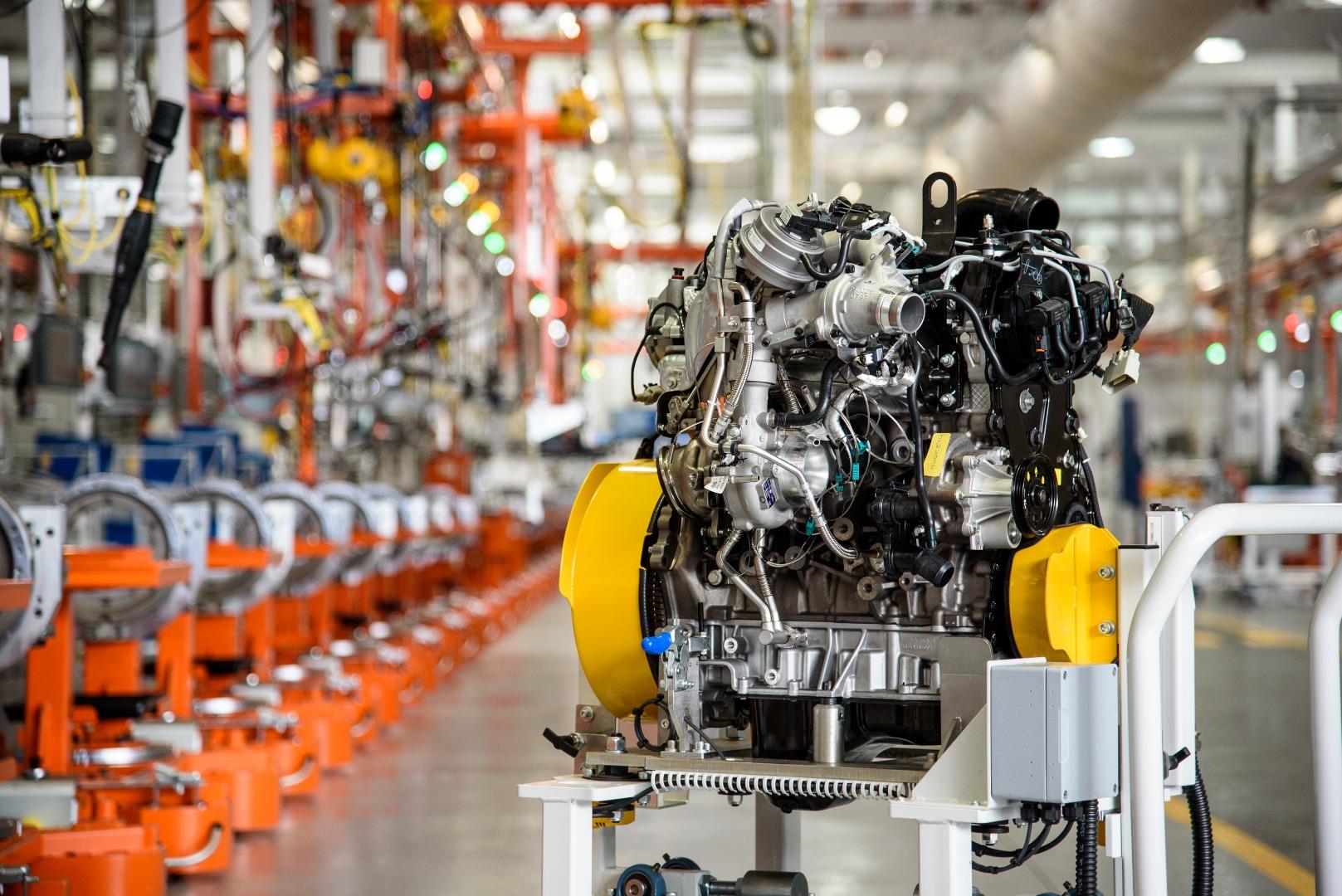
This direct-injection, inline 4-cylinder engine features an aluminium block and will be paired with Ford's 10-speed automatic transmission.
Diesel model changes
The 3.0-litre V6 turbo diesel is set to be rolled out across a wider range of models. The 2.0-litre turbo diesel engine is being enhanced for better durability and performance with a new timing chain upgrade. For the first time, this upgraded engine will be paired with the 10-speed automatic transmission, featuring updated calibration, on the more accessible XL and XLT models. As part of this revision, the 2.0-litre Bi-Turbo diesel engine will be phased out of the lineup.

Why the 2.0-litre Bi-turbo diesel is being phased out
The discontinuation of the 2.0L Bi-turbo (154kW/500Nm) likely comes down to a few commercial and technical factors:
Emissions and Regulatory Compliance (The Global Driver)
Impending Euro 7 Standards: The Bi-turbo engine, while a good performer, is a complex diesel unit. Global reports suggest that the impending and much stricter Euro 7 emissions standards in Europe are making complex, high-output diesel engines, especially four-cylinder units, financially unviable to re-engineer.
The Power/Emissions Trade-off: Maintaining 154kW/500Nm from a 2.0-litre diesel while meeting drastically tightened emissions targets requires significant and costly exhaust gas treatment (EGR, DPF, AdBlue systems). Ford is choosing to focus its high-performance diesel efforts on the 3.0-litre V6 Turbodiesel (which is being expanded) and the new 2.3-litre EcoBoost Petrol, rather than spending large sums to keep the complex Bi-Turbo compliant.
- Focus on Petrol and Hybrid: The introduction of the high-output 2.3-litre EcoBoost Petrol (222kW/452Nm) and the impending arrival of Plug-in Hybrid (PHEV) options in other markets signal a shift away from the high-output small-capacity diesel.
Why the 2.0-litre single Turbodiesel is being updated
The upgrade of the 2.0-litre single turbo with a new timing chain addresses a well-documented global durability concern with the engine family.
Addressing the "Wet Belt" durability concern
The Original Design: The 2.0-litre Panther engine family (which includes both the Single and Bi-turbo versions) originally utilised a "wet timing belt"—a rubber belt that runs within the engine oil, rather than a conventional dry belt or a chain. This design was chosen for quieter operation and reduced friction.
The Problem: Over time, this wet belt design has been linked to durability issues globally, with some failures occurring before the extended service interval, often due to oil contamination from DPF regeneration cycles. A timing belt failure can lead to engine damage.
The Fix: Replacing the contentious wet belt with a timing chain is a clear, definitive engineering solution to boost long-term durability and reliability. This is a significant win for South African customers who depend on their Rangers and Everests for high-mileage work and travel, addressing a key customer apprehension.

A word from Ford SA
"The 2.3-litre EcoBoost engine offers a distinct character, providing exhilarating acceleration, a more dynamic driving feel, and a smooth experience that will appeal to those who prioritise responsiveness," says Sunil Sewmohan, Director, Product Marketing Ford South Africa, highlighting Ford's commitment to meeting the demands of tomorrow’s customer.
The revised Ranger and Everest lineup is expected to hit the market in the first half of 2026.