Ford Ranger Buyer's Guide (2011-2022)
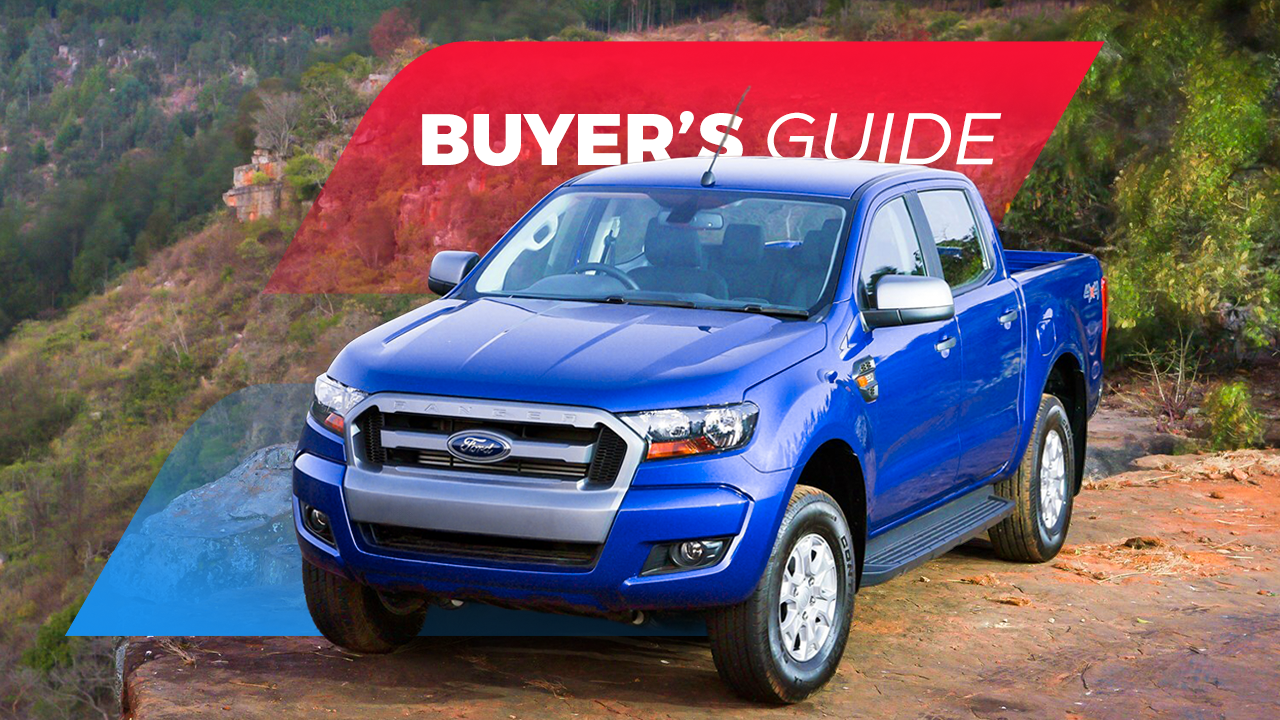
Looking at buying SA's most popular used car? Here's our handy Buyer's Guide for the Ford Ranger from 2011 to 2022!

So, you're considering a Ford Ranger T6? Whether you're a die-hard Ford fan who loves the roar of the 5-cylinder, a prospective buyer just looking for a solid bakkie, or a non-car person trying to make sense of it all, this guide is for you. We'll break down the details in a way that’s easy to understand and help you find the perfect Ranger for your needs.
Ford Ranger Model line-up and special editions
Here is a list of the Ford Ranger models and special editions available in South Africa from 2011-2022, comprising the T6's three main phases.
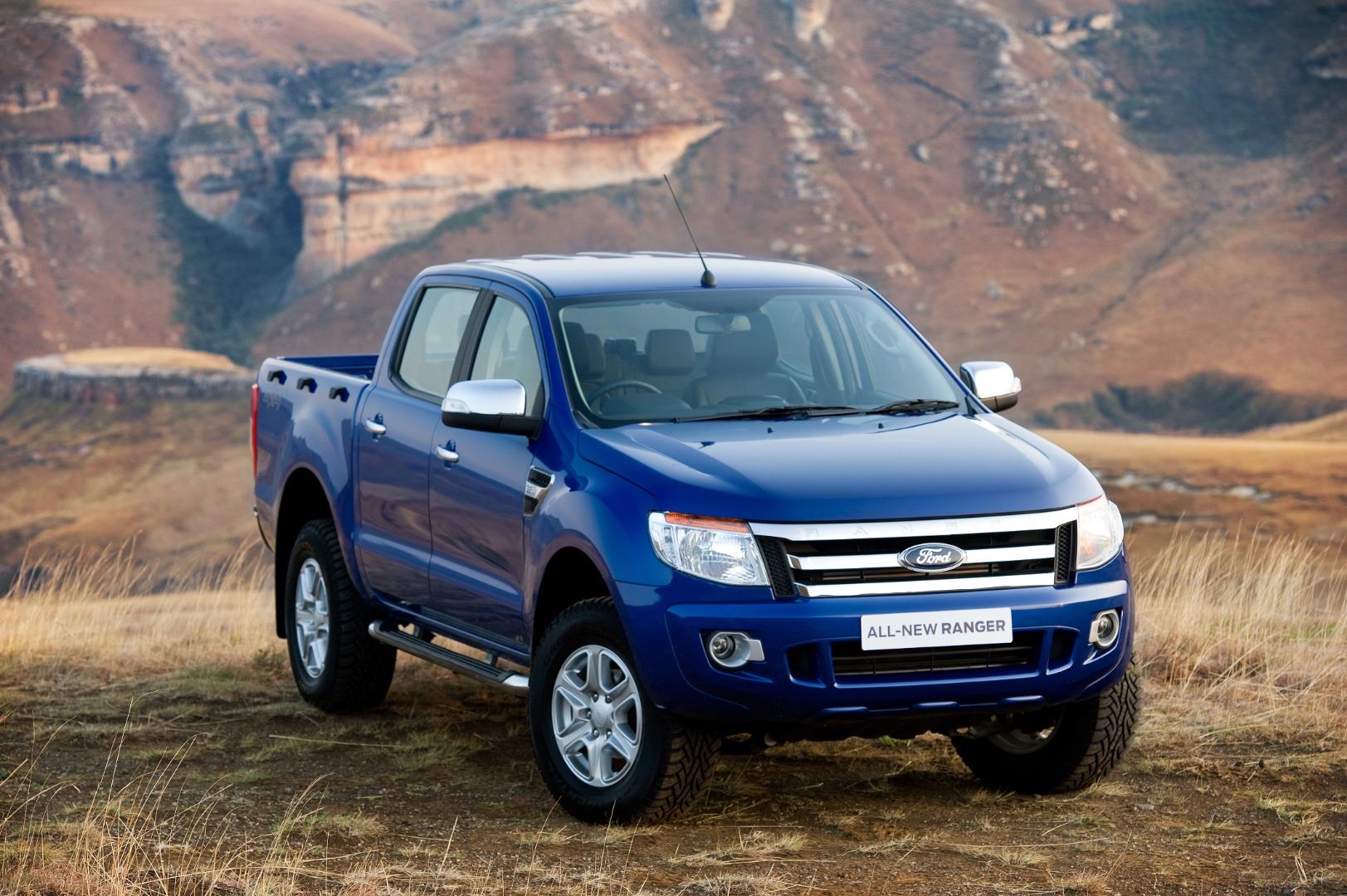
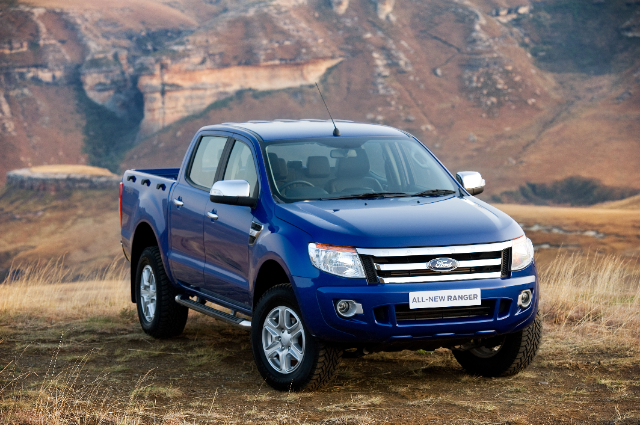
Original 2011 to 2015 (known as T6/P375)
This was the first version of the globally designed Ranger.
XL: This entry-level workhorse is available in single, super, and double-cab configurations. It has a 2.2-litre TDCi engine and often has a manual gearbox.
XLS: A step up from the XL, offering more comfort and convenience features like air conditioning, power windows, and a basic infotainment system. It was typically equipped with the 2.2-litre TDCi engine.
XLT: The mid-to-high-spec model. It was the first to offer the powerful 3.2-litre TDCi 5-cylinder engine and was a popular choice for families and enthusiasts.
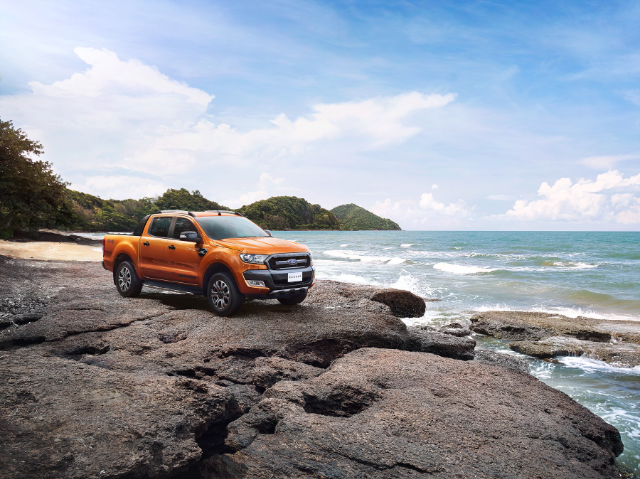
Wildtrak: The top-of-the-range model, focused on luxury and a sporty, lifestyle-oriented look. It featured unique trim, a distinctive "Wildtrak" orange colour option, and the 3.2-litre TDCi engine powered it.
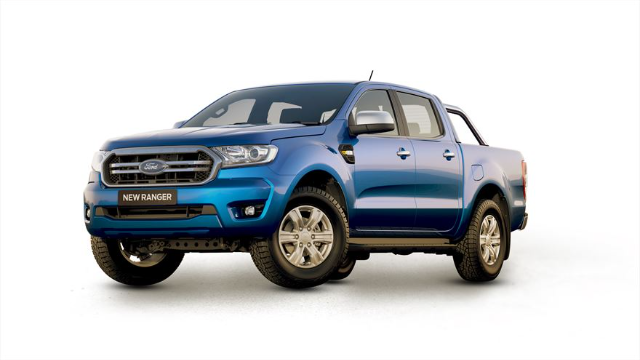
First Facelift (T7) - 2015 to 2019
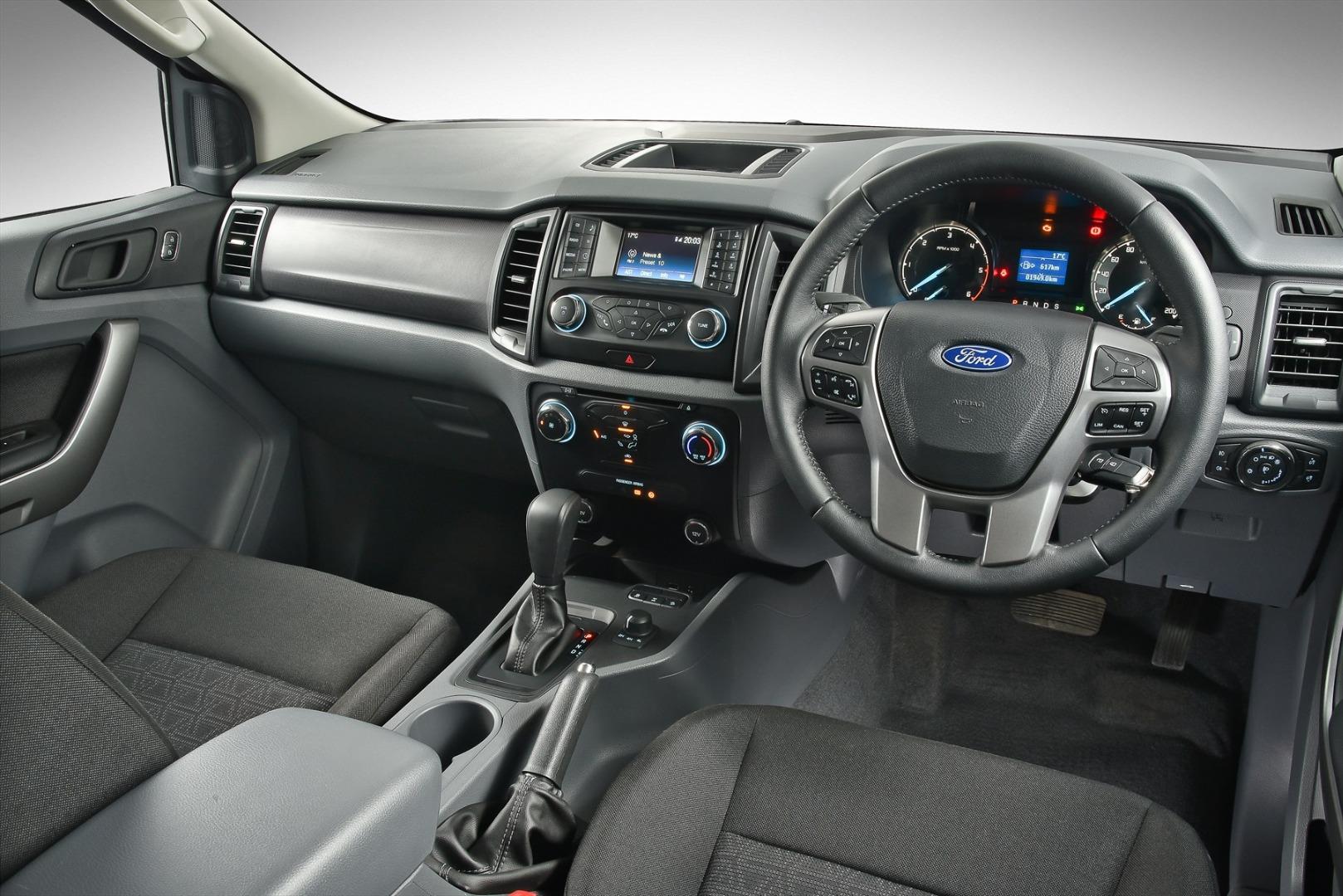
This facelift brought a significant design overhaul, with the new trapezoidal grille, updated interior with SYNC 2, and minor engine tweaks.
XL, XLS, XLT, and Wildtrak: All four primary trim levels continued, with updated styling and features to match the facelift.
FX4 (2017): This was the first use of the FX4 badge in South Africa. It was a limited-edition styling package based on the 3.2-litre XLT, featuring black exterior accents, grille, and alloy wheels to give it a more aggressive look.
Second Facelift (T8) - 2019 to 2022
The final version of the T6 introduced the new 2.0-litre diesel engines, a 10-speed automatic transmission, and the improved SYNC 3 infotainment system. This period saw the most special editions.
XL, XLS, XLT, and Wildtrak: The main trim levels were refreshed with the new powertrains and updated technology.
XLT Sport (2019): A styling package that gave the XLT a more athletic look, replacing chrome with black accents on the grille, side steps, and wheels. It was primarily a visual upgrade..
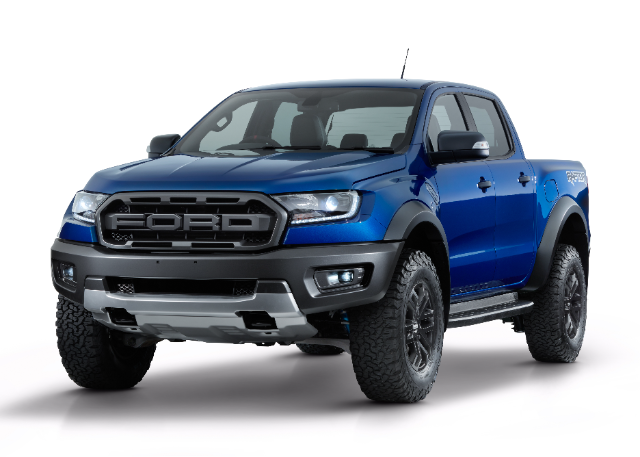
Raptor (2019): The first-ever performance version of the Ranger. The Raptor was a completely separate model from the main lineup, featuring a wider body, Fox Racing suspension, and the powerful 2.0-litre Bi-turbo engine with the 10-speed automatic.
Thunder (2020): This high-end special edition was based on the Wildtrak and focused on style and luxury. It featured a black mesh grille with red inserts, a black sports bar, and "Thunder" badging.
FX4 (2021): The FX4 badge returned with a more significant offering. This time, it was based on the 2.0-litre Single Turbo XLT, and was the first Ranger to introduce the FordPass Connect system in South Africa, allowing remote vehicle access via an app.
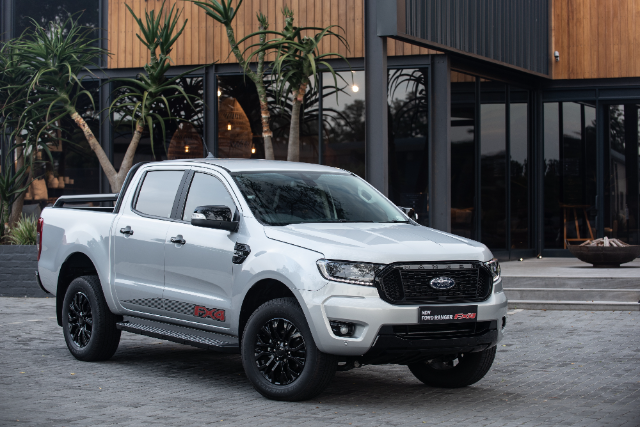
Raptor X (2021): A styling pack for the Raptor, adding unique exterior graphics and red accents to the interior. It was purely a cosmetic upgrade on the standard Raptor.
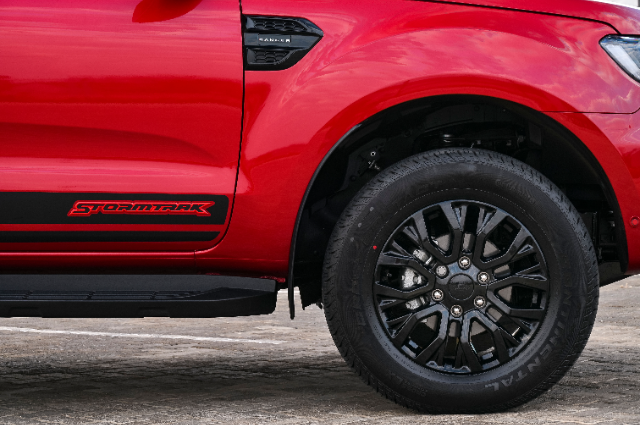
Stormtrak (2021-2022): This was another exclusive model following the Thunder's success. It was based on the Wildtrak and included premium features such as a power-operated roller shutter for the load bay and a bed divider kit. Visually, it was set apart by its black mesh grille with red inserts and "Stormtrak" logos.
Common problems and strengths of the Ford Ranger
Engine & drivetrain
This is where the magic (and sometimes the mayhem) happens. The T6 Ranger has been through a few evolutions, so let's get into the details of each main engine and what you need to know.
2.2-litre TDCi (Puma)
Engine & Production Era: Original (2011-2015) & 1st Facelift (2015-2019)
Strengths:
- Found in the XL and XLS models. Perfect for business fleets or valuing fuel efficiency over raw power.
Common problems:
The "Coolant Ghost": Unexplained, consistent coolant loss can mean the EGR cooler is failing. If it's leaking internally, it can damage the engine from the inside out. Look for a milky residue in the oil or white smoke from the exhaust.
Early model ticking bomb: On pre-2015 models, the oil pump drive chain can fail. Listen for a distinct rattling on startup. Your golden ticket is a comprehensive service history showing a replacement.
3.2-litre TDCi (Duratorq)
Engine & Production Era: Original (2011-2015) & 1st Facelift (2015-2019)
Stengths
- The engine of choice for most XLT and Wildtrak models. Loved for its massive torque, excellent for towing, and distinctive sound.
Common problems
The "whistling" turbo: A high-pitched whistling noise under acceleration can signal a failing turbocharger due to heat stress.
- EGR value failure: The EGR valve is a heat exchanger that cools exhaust gases as they are recirculated back into the engine, and these are known to fail on the 3.2 models. Look for white or grey exhaust smoke, a loss of coolant with no visible external leaks, engine overheating, a rough engine idle, and potential engine damage from "hydrolock".
Clunky clutch (manuals): When idling with the clutch out, a clattering sound could mean the dual-mass flywheel (DMF) is worn out, especially on bakkies used for heavy towing.
The 10-minute oil change is a well-known technician tip. After 10 minutes, the fuel pump will no longer be primed, thereby losing oil pressure and potentially causing engine damage if the engine isn't restarted within 10 minutes of an oil change. A good service history from a reputable workshop is essential.
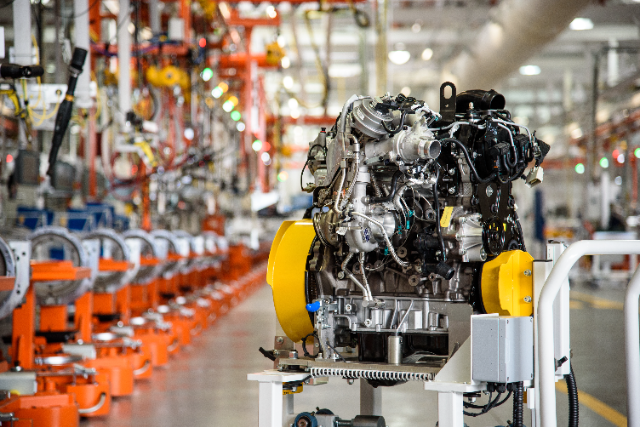
2.0-litre single & Bi-turbo
Production Era: Second Facelift (2019-2022)
While these two engines are similar, they are available with two different gearboxes: a 6-speed torque converter in the single turbo diesel and a 10-speed automatic in the bi-turbo models. Still, the engines share very similar issues, with the single turbo model being considered more reliable than its bi-turbo sibling.
Strengths
- This pair of engines is known for strong power delivery, towing capacity and respectable fuel consumption.
Common problems
- Wet belt failure: The 2.0-litre engines use a wet timing belt system, which means the timing belt is bathed in hot engine oil. Over time, this can lead to deterioration, shedding fibres and debris into the engine oil. This debris can block the oil pump pickup, causing oil starvation and engine wear or failure.
- Oil pump failure: The oil pump can fail due to contamination from the wet belt debris, leading to a loss of oil pressure.
- Turbocharger issues : Turbos are another common point of failure in these engines, though they are often a simpler repair than other significant issues.
- Cylinder head & gasket leaks: The cylinder head can be prone to issues, especially if the engine overheats, which can cause coolant loss.
The "Dirty Diesel" debate: Some of these engines have had issues with complete engine failure, which Ford has attributed to poor fuel quality. This is a big one. Check online forums and ask about any engine replacements.
A jerky gearbox: The 10-speed automatic is generally good but can have some "quirks," like jerky or hesitant shifts, especially when cold. A full gearbox service history is paramount as items such as the CDF drum and valve body are known issues in early iterations of the 10-speed models.
Running Costs:
When purchasing a used Ford Ranger in South Africa, running costs are not just about fuel economy.
| Factor | 2.2L TDCi (Workhorse) | 3.2L TDCi (Torque monster) | 2.0L Single/Bi-turbo (Modern) |
| Real-World Fuel Economy (Best) | ~9.0 L/100km | ~11.0 L/100km | ~8.0 L/100km |
| Routine Service Cost | Lowest - Parts are standard, services are straightforward, well-known to independent SA mechanics. | Moderate - Well-known, but slightly higher oil capacity and specialised parts (e.g., 5-cylinder specific components). | Moderate to High - Modern tech requires specific tools; 10-speed automatic gearbox service can be expensive and specialised. |
| Risk of Catastrophic Failure | Low to Moderate - If the pre-2015 oil pump chain is sorted. If not, the risk is high. | Moderate - Turbo and EGR failures are expensive, but rarely terminal. | Highest - The "Wet Belt" system can fail (mainly due to oil contamination or poor fuel), leading to total engine loss that instantly negates all fuel savings. |
| Parts Availability (SA) | Excellent - Aftermarket support is vast for these older, high-volume engines. | Excellent - Strong parts market. | Good - Main components are dealer-centric; the aftermarket is growing but specialised. |
| Cost of Ownership Verdict | Low/Predictable—This is the best choice for low, predictable running costs, provided you have a budget for the known EGR/cooler issues. | High/Predictable - High daily fuel cost, but repair risks are well-understood. | Lowest Daily Cost, Highest Risk—Although the fuel savings are excellent, the single risk of a major engine failure is the most financially devastating of all three options. |
Summary for the SA Buyer
The "cheapest to run" isn't the most straightforward answer.
For Predictability, Choose the 3.2L (2016-2018): Although its daily fuel cost is the highest, the engines are robust, their issues are known and fixable, and they have excellent independent repair support. The overall cost of ownership is predictable.
For Maximum Fuel Saving, Beware the Wet Belt: The 2.0L Bi-turbo offers exceptional fuel economy, but the risk of the wet timing belt contaminating the oil pump is a widely documented and potentially catastrophic failure (often linked to high repair quotes and disputes over local fuel quality). This single event can cost over R100,000, wiping out all the money you saved on diesel.
Ford Ranger Driveline & Suspension
Strengths
The Ranger’s 4x4 system is designed to handle challenging terrain, giving the bakkie its go-anywhere capability. The suspension is built to be robust, offering a firm but comfortable ride that can handle both daily driving and heavy loads. The design allows it to absorb bumps effectively, contributing to its reputation as a capable workhorse and off-road vehicle.
Common Problems
A thorough check of the driveline and suspension is crucial when inspecting a potential purchase. You should test the 4x4 system by engaging both 4-High and 4-Low on a safe, off-road surface. Listen for any unusual clicking or grinding noises. Ensure the differential lock engages and disengages smoothly. For the suspension, drive over speed bumps and listen for any knocks or squeaks, indicating worn components. Uneven tyre wear is a classic sign of worn ball joints or bushings. Additionally, check the rear of the bakkie for any sagging, which could mean it has been consistently used for heavy hauling.
Ford Ranger exterior & interior common problems and strengths
Ford Ranger Strengths
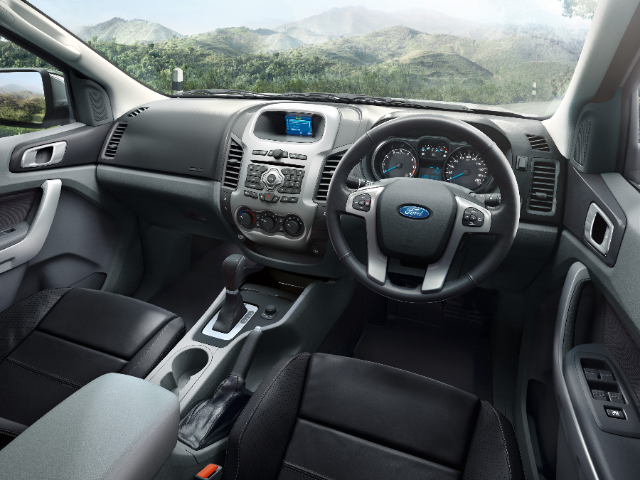
The Ranger’s body is built to be tough, but its history can be revealed through a close inspection. The infotainment and electrical systems have seen significant improvements over the years, with each facelift bringing more advanced and user-friendly technology. The SYNC 3 system in the second facelift models (2019-2022) is exceptionally modern and a significant selling point.
Common Problems of the Ford Ranger
Despite its toughness, the Ranger is not immune to corrosion, especially if exposed to coastal conditions or frequent water crossings. Carefully inspect the chassis, particularly around the rear axle and suspension mounts, and lift the floor mats to check for rust on the cabin floor. In terms of electronics, while the systems have improved, it’s essential to check that everything works as it should. The basic systems in pre-2015 models are reliable, but the SYNC 2 system (2015-2019) can be slow. Test all buttons and screen functions. Test every electric window, door lock, and light for all models. Lastly, a vehicle’s interior can tell a story. Heavy wear on the driver’s seat and steering wheel on a low-mileage vehicle could be a red flag, suggesting it was a fleet or company car used for hard work.
General car buying advice
- Tyres: Ensure the tyres are a reputable brand, as this is usually a sign of how well a car is treated. If the owner/dealer cut corners by purchasing cheap tyres for a performance or off-road vehicle, where else did they cut corners?
- Modifications: A modified car is a far bigger risk than a used car buy than a standard model. A person modifies their performance vehicle generally drives their car harder, creating the double whammy.
- Service history: The Ranger will give you many years of reliable service, provided it has been serviced regularly with good quality oil, so make sure your vehicle has a full service history.
- Accident damage: Inspect the paint and check key welding points under the bonnet and the vehicle's boot to ensure the car has not been in a big accident. Some spray work on front and rear bumpers is standard, but walking away is better when the vehicle's structure has been damaged.
Which Ford Ranger is for me?
| Buyer profile | Recommended engine | Rationale for the recommendation |
| Fleet/Business Owner | 2.2 TDCi | Low entry price and is generally the most fuel-efficient choice for high-mileage work, provided the crucial pre-2015 oil pump chain fix has been done. |
| Towing/Enthusiast | 3.2 TDCi | Superior torque and a distinctive 5-cylinder sound. Known for excellent towing capability, with a generally more straightforward and well-understood 6-speed automatic transmission. |
| Daily driver | 2.0 TDCI | Access to newer tech (SYNC 3, 10-speed auto), best performance on paper, and respectable fuel consumption. However, the higher potential repair risk must be factored in. |
Ford Ranger test drive checklist
| Critical Checkpoint | Engine(s) Affected | What to Do/Listen For |
| Rattling/Ticking | 2.2L (Pre-2015) | Listen for a distinct rattle on cold start (potential oil pump chain failure). |
| Whistling Noise | 3.2L | Listen for a high-pitched whistle under acceleration (potential turbo failure). |
| Milky Oil/Smoke | 2.2L/3.2L | Check for coolant loss, white/grey exhaust smoke, or milky residue on the oil cap (EGR cooler/valve failure). |
| Jerky Shifts | 2.0L (10-Speed Auto) | Test the gearbox when cold and accelerating moderately to check for hesitancy or jerking. |
| Chassis Rust | All Models | Check the chassis rails and lift the floor mats for corrosion, especially on coastal vehicles. |
Reliability of the Ford Ranger
Overall, the Ford Ranger has a reputation for being a reasonably reliable bakkie, especially in the used car market. The Duratorq 3.2-litre engine, in particular, is widely regarded as a workhorse, known for its longevity and a robust design that can handle high mileage and heavy use. This makes it a popular choice for those needing a dependable vehicle for towing or off-road adventures. The 2.2-litre Puma engine is also a solid option, valued for its fuel efficiency and straightforward mechanics.
However, like any vehicle, the Ranger has specific quirks and potential issues that can impact its long-term reliability. The oil pump drive chain on pre-2015 2.2-litre models is a known weak point and can lead to catastrophic engine failure if not addressed. Furthermore, while powerful, the newer 2.0-litre bi-turbo engine has faced scrutiny for reported engine failures, with Ford citing fuel quality as a contributing factor. While generally smooth, the 10-speed automatic gearbox paired with this engine can sometimes exhibit jerky shifts, highlighting the importance of a complete service history. Regular servicing and proactive maintenance are essential for ensuring the Ranger lives up to its reliable reputation, especially for models with these known issues.
Ford Ranger Recalls
How much should I pay for a Ford Ranger?
Based on current used car listings in South Africa, the price of a Ford Ranger from 2011 to 2022 can vary significantly depending on the engine, model year, mileage, and trim level.
2.2L TDCi models: Prices for these can start from as low as R175 900 for older, high-mileage models (e.g., a 2014) and range up to R369 995 or more for newer, well-maintained examples (e.g., a 2022 model with lower mileage).
3.2L TDCi models: Known for their power and popularity, these models typically cost around R155 900 for older models up to R439 000 for models in excellent condition with lower mileage.
2.0L Single & Bi-turbo models: Being the newest in this range, these models command a higher price. You can expect to see prices from R375 900 for a 2020 model up to R529 900 or more for a 2021 or 2022 model with a higher trim level like the Raptor.
This is a general guide. Before making a purchase, it is always recommended to check multiple sources and consider a vehicle's specific history, condition, and service records.
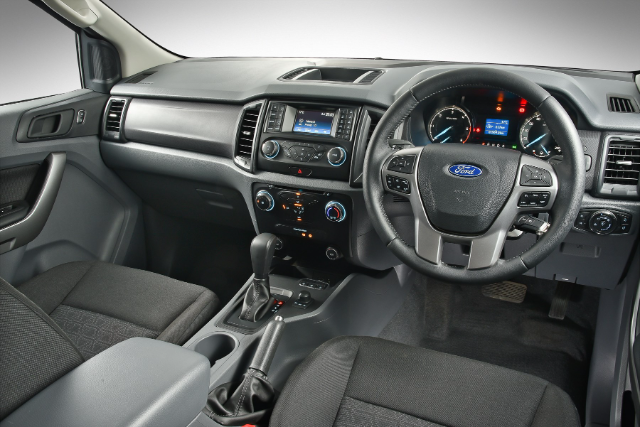
Our Verdict: Which Ford Ranger should you buy?
For a buyer who wants the best of all worlds—proven reliability, modern features, and great value—our recommendation is the 2016-2018 Ford Ranger 3.2-litre XLT 4x4 with the 6-speed automatic.
Why this one? This model is the perfect blend of the "old" and the "new." It comes with the updated look and tech of the first facelift, including the SYNC 2 system, but it still has the well-understood and robust 3.2-litre engine and 6-speed gearbox. It avoids the early issues of the pre-facelift models and the controversial "dirty diesel" reputation of the newer 2.0-litre engines.
Final Tip: A full and documented service history is your most powerful tool when buying a used Ranger. Avoid any bakkie with a "patchy past," as the cost of a major repair will quickly erase any initial savings. Happy hunting!
Shopping for a Ford Ranger?