First drive review: The 2021 Honda WR-V crossover
The compact SUV segment is growing so fast that almost every manufacturer is tapping into this market. It was only a matter of time before the trusty, top-selling Honda Jazz donned its gym clothes and started a Crossfit routine, morphing into the new WR-V in the process. We drove the newcomer in the Western Cape.


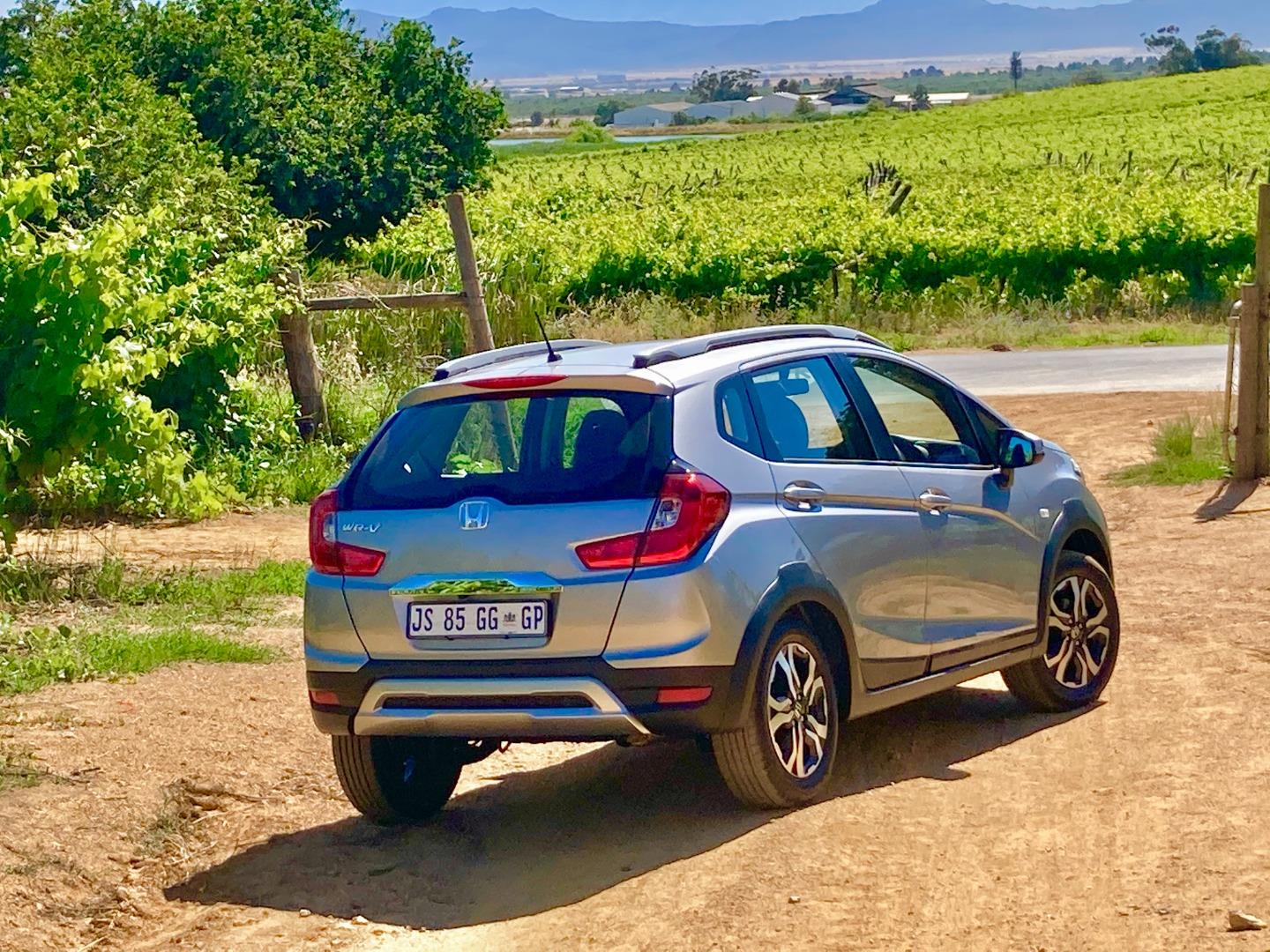

The stocky-looking WR-V will be filling the gap between the budget-friendly, 7-seater BR-V (from R285 400) and the more upmarket and fashionable HR-V, which has a starting price of R415 00. With the WR-V, available in both Comfort and Elegance trim, Honda is hoping to attract buyers who would usually have their sights set on similar offerings from Renault (such as the Captur) and the Hyundai Venue. Then there's also the Ford EcoSport which enjoys a rather large slice of the compact SUV pie. Other competitors include the Mahindra XUV300, the Haval H2, and even the Renault Duster.
Related: Mr Sensibility in running clothes: The Honda Jazz 1.5 Sport CVT (2019)

Styling
The WR-V may be based on the practical and functional-looking Jazz, but styling wise there's plenty that sets it apart. With its raised ride height (173 mm), 16-inch alloys, protective black cladding and dual skid plates, the WR-V looks properly purposeful and ready to take on whatever a busy, fun-loving family can throw at it. Overall, the WR-V possesses an element of fun and a cheeky, self-assured demeanour.

The magic ingredient, however, is Honda's magic seat system that allows for the transportation of oddly-shaped and -sized objects while still allowing a rear passenger or two to ride along. The rear seats can be folded forward or the seat-bottoms tumbled backwards, and it's all done with the minimum amount of fuss. Now you can load in a surfboard, move the contents of your studio apartment, or transport a bicycle without having to remove any wheels. With all seats in their normal position, you can bring your tallest friends along, and they'll be amazed at the amount of rear legroom available. The cloth seats have a durable and quite a cosy-feeling texture as well.

Safety features and mod-cons
On the safety side, the WR-V offers ABS, EBD, six airbags, ISOFIX anchorage points, fog lamps, and daytime running lamps (in the front and back) for increased visibility. The Comfort model is equipped with a 5-inch display audio system (with 4 speakers and Bluetooth) and 2 x AUX ports, Halogen projector headlamps, automatic air-con, power windows in the front and rear, electric side mirrors, satellite buttons on the steering wheel, and rear parking sensors. The Elegance model is fitted with a 7-inch touchscreen Display audio system (6 speakers + 2 tweeters) with Apple CarPlay and Android Auto, full LED projector head lamps, LED fog lights, smart entry/push-button start, a rear-view camera and a leather-covered steering wheel and shifter knob.

The drive
Honda's 1.2-litre engine and 5-speed manual gearbox have been optimised for use in the WR-V. Honda claims that the transmission is a "completely new, heavy duty unit" and of a "higher weight category". No CVTs are available for now, but there's a good chance that this will change once Honda realises the that the type of person who buys a compact SUV, also prefers not having to self-shift gears in heavy traffic.

Just like the Jazz, the WR-V is sure-footed, with pliant suspension and excellent road-holding. The gearbox still feels a little firm but these cars are fresh from the production line and with time, should loosen up. The non-turbocharged 1.2-litre engine is capable of 66kW and 110 Nm, and you are aware of its diminutive size at first, but once you hit highway speed the engine just keeps going, and doesn't run out of breath.
We tested its upper limits on a deserted road and came away impressed, but it may have a harder time at the reef when it's full of people and luggage, though. This is a pity, since the 1.5-litre naturally aspirated unit in the new Honda Ballade is rather excellent.
The 1.2 in the WR-V is not terribly frugal either, and our consumption hovered around the 6.8 - 7.8 litres per 100 km mark, but I'll admit that I did drive it rather hard on the N7 back home. The WR-V's kerb weight is 1100 kg so it's not exactly built like a gazelle, but has a multitude of other talents that will make it a winner in the eyes of prospective owners. Cabin quality is excellent, as always.
We only drove the entry-level Comfort variant, but found it to fulfil the need for a high-quality, easy-to-drive compact SUV, and unless you feel like you can't live without a better infotainment system, there's no reason why you should have to opt for the pricier model.

Verdict
The new WR-V is going to be a hit - it falls into the right price bracket and it has all the right styling elements; not to mention Honda's feeling of quality and solidity throughout the cabin. Those magic seats should seal the deal for those of us who think with our heads more than our hearts. Having had the Honda Jazz as long-termer at the beginning of my career as a motoring journalist, I can vouch for their versatility. While a larger engine would have been welcome, this 1.2 is particularly good. And who knows, it's not impossible that the 1.5-litre might make its way into the WR-V with the next facelift.
Another feather in Honda's cap is the 5-year / 200 000 km warranty and 4-year / 60 000 km service plan.

Pricing
Honda WR-V 1.2 Comfort R289 900
Honda WR-V 1.2 Elegance R319 900
Recommended next