
With the price of fuel now at an almost record high, it can be an expensive, fruitless exercise - there's really no point. We would suggest trading in with roughly a quarter of a tank, which is just common courtesy, but it's the dealership's responsibility to ensure that there is enough fuel in the tank for future test drives by prospective buyers. Most dealerships will probably also factor in fuel costs along with other 'on-the-road fees', billed to whoever buys the car you traded in.
How far should you go when fixing your car before you trade it in?
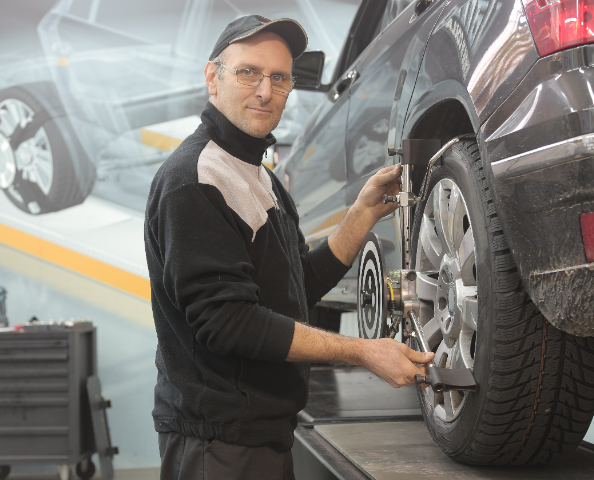
We wouldn't recommend spending megabucks on getting your car sorted before trading it in, because the dealer will be able to recondition or repair your car for a lot less money than you can. So, even if you spent your savings fixing chips and scuffs, the dealership will likely deduct money for reconditioning costs anyway.
Should you undertake minor repairs yourself?
No. Unless you are Leonardo Da Vinci and you have all the right materials and experience, fixing small marks and chips may actually lower your car's trade-in value, as the areas you worked on may end up looking worse than before. And, because a professional will then have to undo what you did, the dealership will deduct money for it.
What else will help you get the right price?

Recent maintenance records illustrate that you took care of your car while under your ownership. Put them into chronological order and show them to the dealership. Don't forget to bring your spare keys, floor mats, and anything else that belongs to your car.
What we certainly would spend money on, is a good valet, so your car sparkles when it's being inspected. Yet again, if you have the right tools you can do this yourself, as the dealership will have the car professionally cleaned anyway - but it helps to give a good overall impression.
Good luck!