
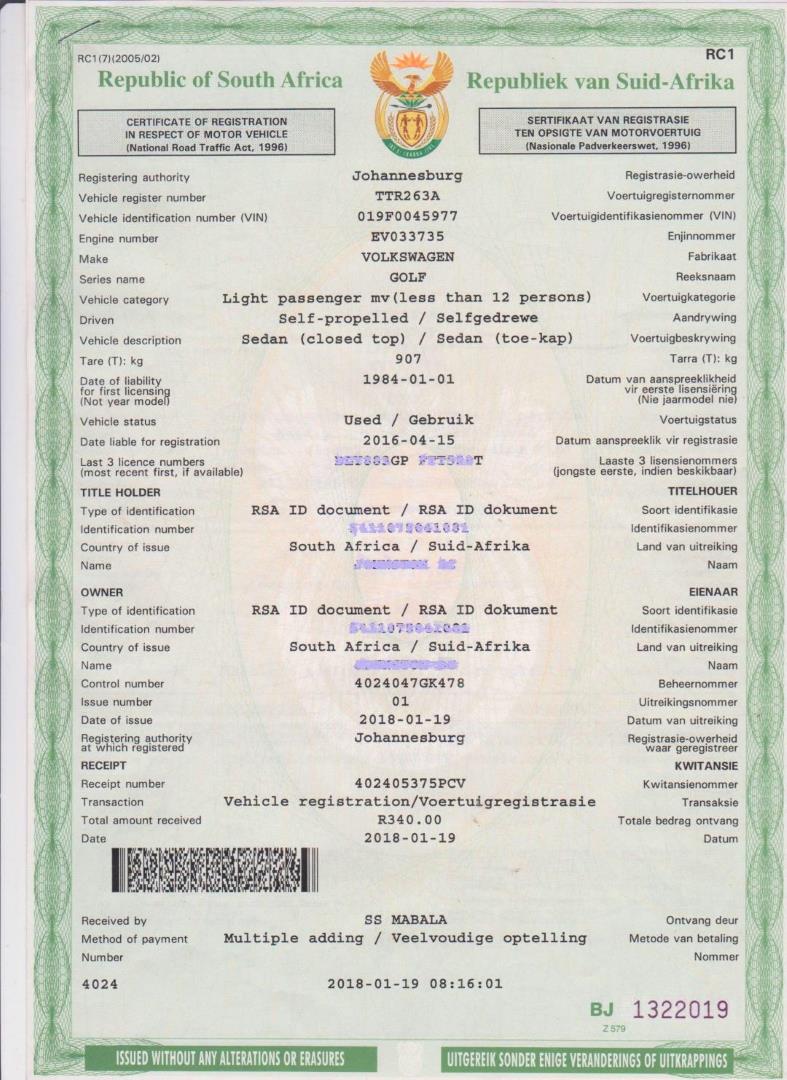

No name trade
You may find yourself in possession of a motor vehicle that is not in your name and you may want to sell or trade-in that vehicle but what are the legal issues you may face? Can you trade in a car that is in someone else's name?
Related: How do I prepare my car for trade-in?
The short answer here is, No. You are not able to trade in a vehicle that is not in your name. There are some exceptions though and you are going to have a rough time of it as there are many legal hoops to jump through and a great deal of paperwork involved.

Death or permanent disability
This is an unfortunate situation that many people face daily. A parent or spouse passes on and the surviving family is left with the unfortunate task of picking up the pieces. There may be property, personal items, and vehicles involved here, but all the possessions need to be transferred to the next of kin's name before they can be sold on.
If the vehicle in question is paid up in full, the next of kin will have to approach the traffic department with a death certificate, last will and testament and the relevant change of ownership paperwork in order for the department to transfer the vehicle to the new owner. This has to be done before the vehicle can be legally sold on.
When the vehicle is still under a finance agreement, the next of kin will have to submit the death certificate and other required paperwork to the financial institution and they will determine what type of coverage the owner had and settle the agreement and transfer the vehicle to the new owner as per the agreement or they will repossess the vehicle.
In the situation where the legal owner becomes incapacitated due to serious injury (brain injury, coma) and are deemed non compos mentis and cannot legally sign over ownership, an assessment from a doctor plus the last will and testament will have to accompany the relevant paperwork to transfer ownership of assets to the next of kin.
With any asset under finance, the same procedure will need to be followed and the financier will decide what needs to be done under the terms of the agreement.
One never wants to find oneself in this situation but it is a reality that happens every day. We highly advise that you familiarise yourself with the coverage you have in your insurance policies and have an up-to-date will and testament on file and appoint a qualified executor so that in the event of a tragedy, your next of kin will have an easier time finalising your affairs.
Any information herein is not intended nor does it constitute financial, insurance, tax, legal, investment, or other advice. Before making any decision or taking any action regarding these please consult a suitably qualified professional.