


Engine go boom
It may sound rather ominous but it isn't very far from the truth. There is a ticking time bomb inside your car's engine and only you can stop it from going off.
Just to be clear, we aren't talking about a cutting a wire to stop a movie explosion from happening, but rather being mindful of what can happen if you do not stick to your maintenance schedule and keep your car's engine maintained properly.
Related: Car maintenance - the R80 000 oil change?
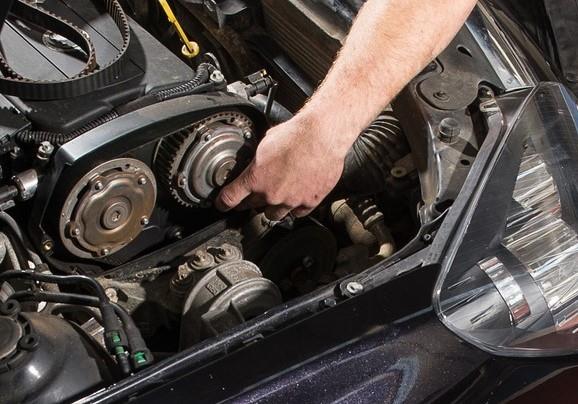
A critical part of keeping an engine operating at peak performance is the cam or timing belt. It can't be stressed enough that this belt is replaced at the recommended intervals, on time, by qualified and competent auto technicians.

What does this belt do and why is it so important?
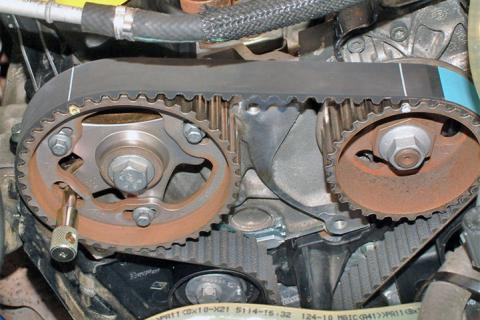
The cam or timing belt is the only means of keeping the different aspects of a running engine in the proper sequence, hence the name timing belt. It is also called a cam belt due to it being connected to the overhead camshafts. The belt is driven by the crankshaft gear pulley and often will also drive the engines water pump, passing by a belt tensioner along the way.
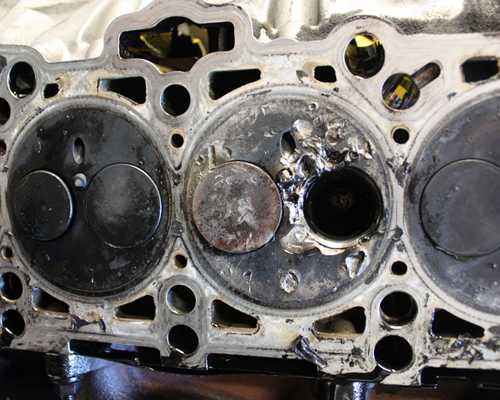
With many modern engines being compact and efficient, many of the moving parts run in an interference pattern meaning that they have to run in a perfect sequence, with certain parts occupying the space of others at different times. The cambelt keeps this sequence going and should it break, you can imagine the mechanical devastation that will ensue at 4500rpm.

How does the belt fail and what happens when it does?
Cambelts are designed to last a relatively long time, the average life span is about 200 000kms but almost all manufacturers recommend that the belt be replaced during the 150 000 -185 000km major service.
Deterioration of the belt due to heat, strain and age will lead to the belt shedding teeth and eventually snapping. When the belt loses teeth it allows the timing sequence to "skip a tooth" resulting in the engines valve and ignition timing going slightly out of sequence, resulting in very poor fuel and emissions quality. The belt can also be damaged by the aforementioned tensioner of which the bearing can go bad and cease up, damaging the belt.

When the belt eventually fails, the sequence is completely disrupted resulting in the valve train staying open in places, this results in the piston being driven up into valves which should have been closed and seeing as though two items cannot occupy the same space at the same time, you end up with catastrophic engine failure.

Only you can prevent engine devastation
By keeping to the maintenance schedule in your owners manual or ensuring that the second-hand car you buy has had all its scheduled maintenance completed (Full Service History) you can prevent this from happening.
An OEM approved cam/timing belt costs about R380 rand so it's not that cost-prohibitive. What is expensive is the labour involved in fitting one as significant parts of the engine and its accessories need to be removed to access the belt, this however, should not be a reason for not having it done because the alternative cost of replacing an entire engine is way higher.
Recommended next:
Five car warranty myths, debunked!
5 basic things you need to check before taking out a car warranty
What’s the difference between a warranty, service plan and maintenance plan?