Initially developed for the 2009 Superbike World Championship, the S1000RR has become a commercially available and highly acclaimed production motorcycle. It quickly gained a reputation for its powerful engine and advanced electronics, including the first optional quickshifter on a production motorcycle. After several iterations and changes over the subsequent years, the S1000RR has developed into a technologically superior, highly strung, race-bred machine that can win races and hearts.
Related: BMW M1000R (2023) Review
After testing the M1000RR naked version, we were looking forward to trying the full faired version. Although both bikes share much of their underpinnings, the M1000RR is more comfortable, has fewer vibrations, and is easier to ride. But what of the S derivative?
What is the difference between a BMW M1000RR and a Ducati Panigale V4?
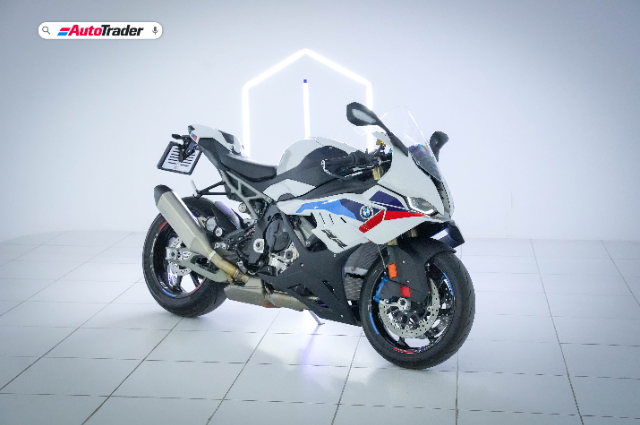
Styling
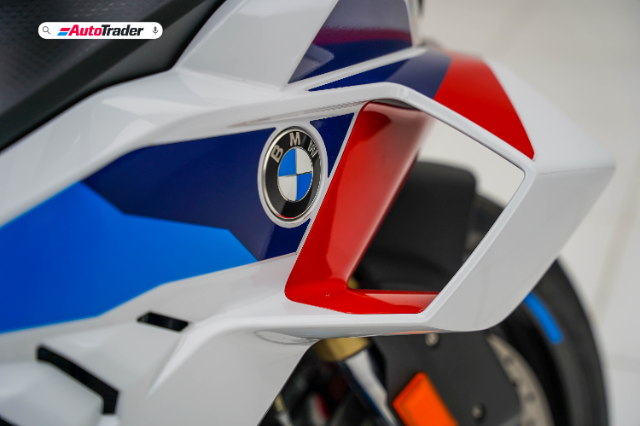
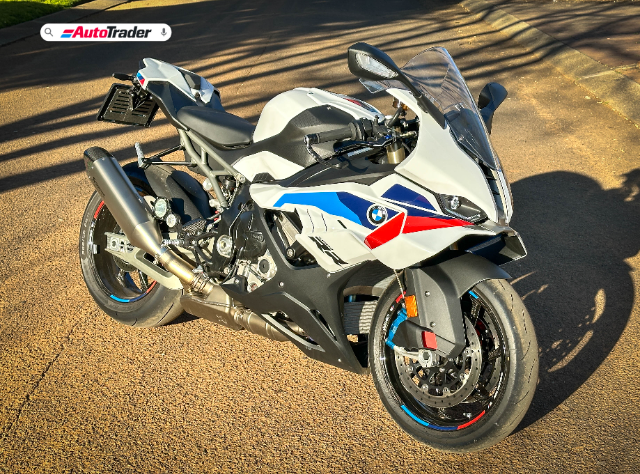
The S1000RR is beautiful, especially in the M Sport colour scheme and body styling package. Up front is a new mudguard/front wheel cover with integrated brake cooling ducts, perched above that, and a sleeker upper fairing incorporating newly designed winglets that can deliver up to 24kg of actual downforce at high speed. The taller windscreen creates a little more aero around the rider if they tuck down on the straights.
The rear end is neat, tidy, and compact, with no superfluous body panels and an attractive exposed trellis-style tail section. The whole affair rolls around on M Carbon wheels and sounds fantastic thanks to the M Titanium exhaust and Akrapovic end piece.
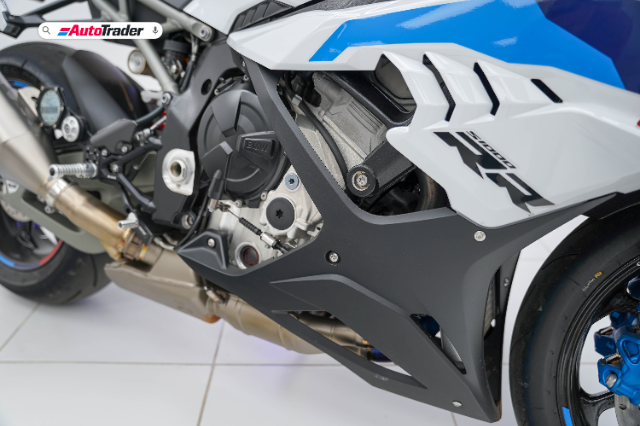
Engine and Drivetrain
Packed into the aluminium bridge frame is the K series 999cc 4-cylinder engine with four titanium valves per cylinder and BMW Shiftcam variable intake camshaft control. It generates 154kW and 102Nm and sends power through a BMW M Endurance chain to the rear wheel through a 6-speed sequential transmission and the silky smooth quickshifter setup, which can be reversed for racing purposes.
The suspension setup is designed for pinpoint accuracy and agile direction changes, and is fully electronically adjustable for on-the-fly adjustments. The inline 4-cylinder makes the bike slightly bulky if you are used to riding a V-configuration, but you can adapt quickly.
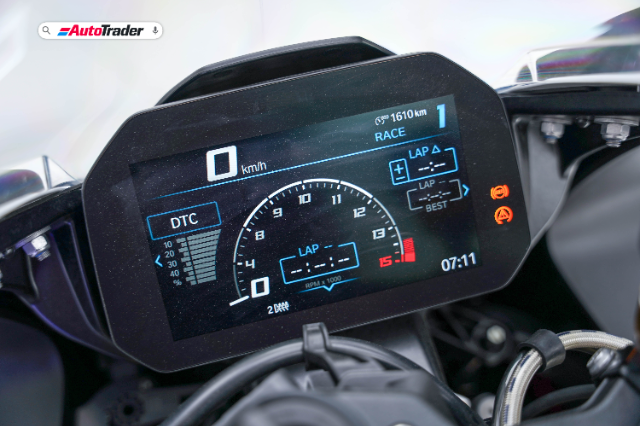
Tech and Features
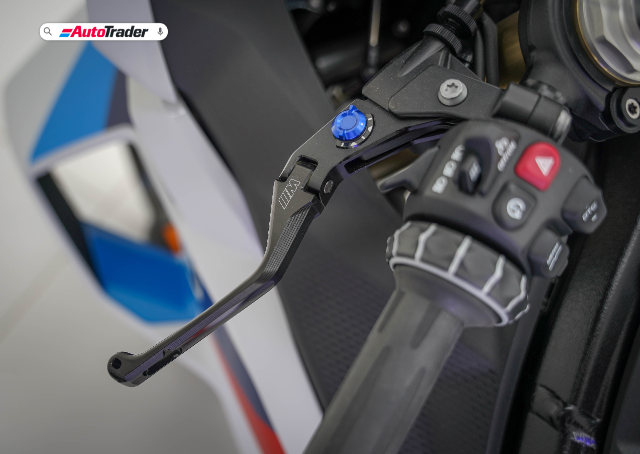
If you have ever ridden a BMW, you will be familiar with the electronics package on the S1000. Familiar screen, user interface and rotary dial allow you to scroll through menus and set up the bike to your liking. You'll find Dynamic ride modes like Rain, Road, Dynamic, Race and Race Pro levels to get the ideal setup for your ride. The aforementioned Race Pro modes are blacked out until you select Race, allowing you to scroll through further menus to set up everything from Dynamic Traction control, Wheelie Control and Suspension Damping to get the bike right for track activity. In one of these modes, you will also get a lap timer to brag to your mates at the next coffee run about how well you did at the last track day.
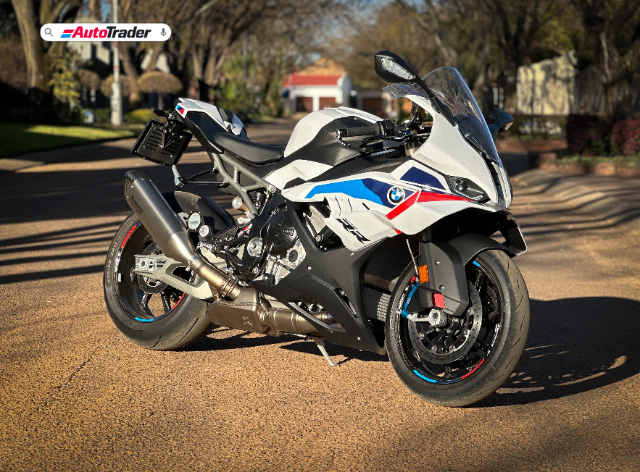
Let's Ride
It would be best to keep looking elsewhere if you are looking for comfort, as the S1000 RR is built for speed and dynamics. The suspension, like the seat, is rock hard, leading to cramps, aches and pains after 30 minutes in the saddle. The bike is geared toward taller, leaner riders with a relatively high seat height, making putting your feet flat difficult. The S1000RR is incredibly agile and changes direction very well, and if you aren't used to doing minimal steering inputs, it can feel "twitchy". The bike is best at optimal operating temperature, with everything coming onto song once warmed up. The clutch and brakes feel very grabby at lower temperatures, and you lack confidence in the tyres.
The most addictive thing about the S1000RR is the speed differential. The difference between 120km/h and speeds that will send you straight to jail on the streets is the blink of an eye. Speed doubles in less than 500m, and if you are brave enough to switch to race mode, the front wheel lifts off the ground with the mere flex of one's wrist. It becomes increasingly apparent, then, that this is a track racing machine with a headlight and indicators, with the vast majority of its features being totally useless on the street.
Model and Pricing
| BMW S1000 RR K Series (base) | R 325 500 |
Optional equipment: | R 175 450 |
| BMW S1000 RR K Series (As spec'ed and tested) | R 500 450 |
*Pricing correct at publication, subject to change at any time. The prices are non-binding recommendations of the manufacturer, including 15% VAT and excluding transfer costs. Modifications and mistakes reserved. If you have any questions, please contact your local BMW Motorrad retailer.
*From 1 June 2020, all BMW Motorrad bikes are subject to a 5-year warranty.
Verdict
The S1000RR evokes many emotions, from desire to fear, from feeling like a World Superbike racer to abject terror. You also realise quickly that you still have to ride back home from the breakfast run, knowing you will be bruised and broken after 180km. The S1000 is a purebred race machine with all the features that will make your next track day awesome, but are rather pointless if you plan to ride this bike on the street. It's expensive, uncomfortable and utterly terrifying to people not used to illegal speeds, but in the same breath is stunningly beautiful, a treat to ride on closed courses and will make you feel like royalty.