

Fluid check
To have many miles of worry-free riding, regularly checking your bike fluids, not just the fuel, is a very good idea! A fluids check should take no longer than 5 minutes if you know where and what to look for. Topping off those fluids may take a little time, but rather spend the time to ensure your bike is healthy and does not get stuck somewhere far from home or, worse yet, have an accident because something broke!
Related: How to check a motorbike's service history?
You shouldn't need any tools to perform the checks, but if topping off fluids is needed, you may need to bust out your toolbox to get to some fasteners. The major fluids you will need to check are the following:
What are the most common motorbike problems and how can they be fixed?

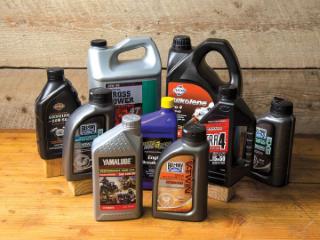
Checking the oil
Unlike a car, a motorcycle does not have a dipstick you can pull to see the oil level. To check your bike's oil level, you will need to stand the bike upright, either using the centre stand or a paddock stand, to ensure the oil in the engine is level.
Check the side of the engine, either beneath the clutch housing or magneto housing. A small sight glass will indicate how much oil is in the block.

Checking brake fluid
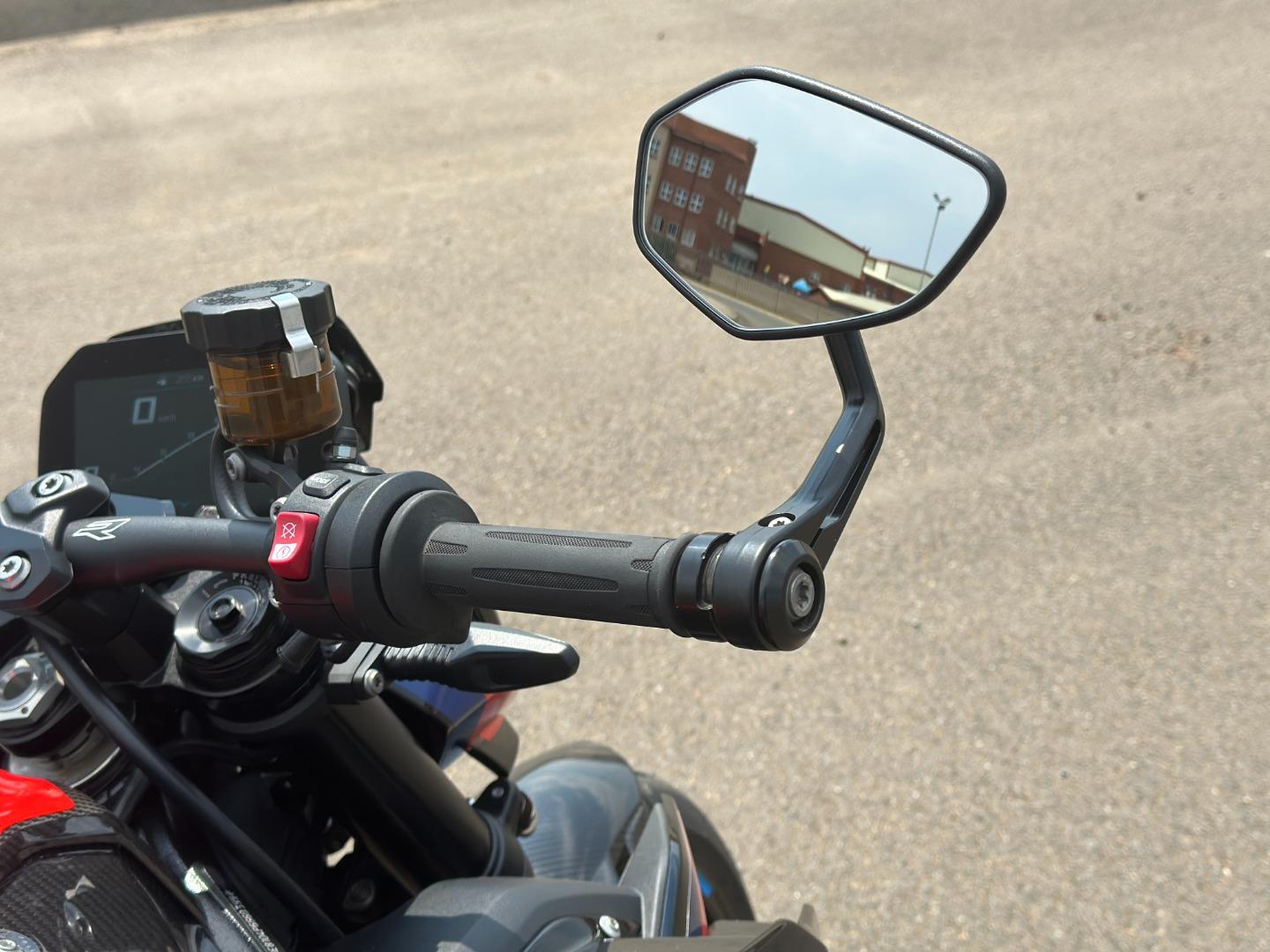
Most modern bikes today are equipped with ABS, so the brake lines run from each reservoir to each brake calliper. The front brake reservoir sits on the handlebars on the right-hand side, and you can visibly see the fluid level with its Min/Max line either through the see-through container or the sight glass on the aluminium block. The rear reservoir will be close to the rear brake lever and is smaller than the front system. It also has a MIN/Max line, usually a clear plastic container.
NB: Bikes equipped with hydraulic clutches will have a small reservoir on the left-hand side handlebar for the hydraulic fluid that operates the clutch. The reservoir also has a MIN/MAX level indicator.

Checking your engine coolant
If your bike is not air-cooled, it will have a coolant reservoir tucked away near the radiator at the lower front of the bike. You may need to remove a radiator cowling or fairing to access the reservoir to check. The tank will be see-through and have MIN/MAX markings. Only fill the coolant tank to the minus mark when the bike engine is cold, as when it heats up, the fluid will expand, and if you overfill, it may rupture the system.