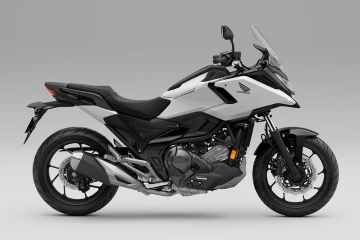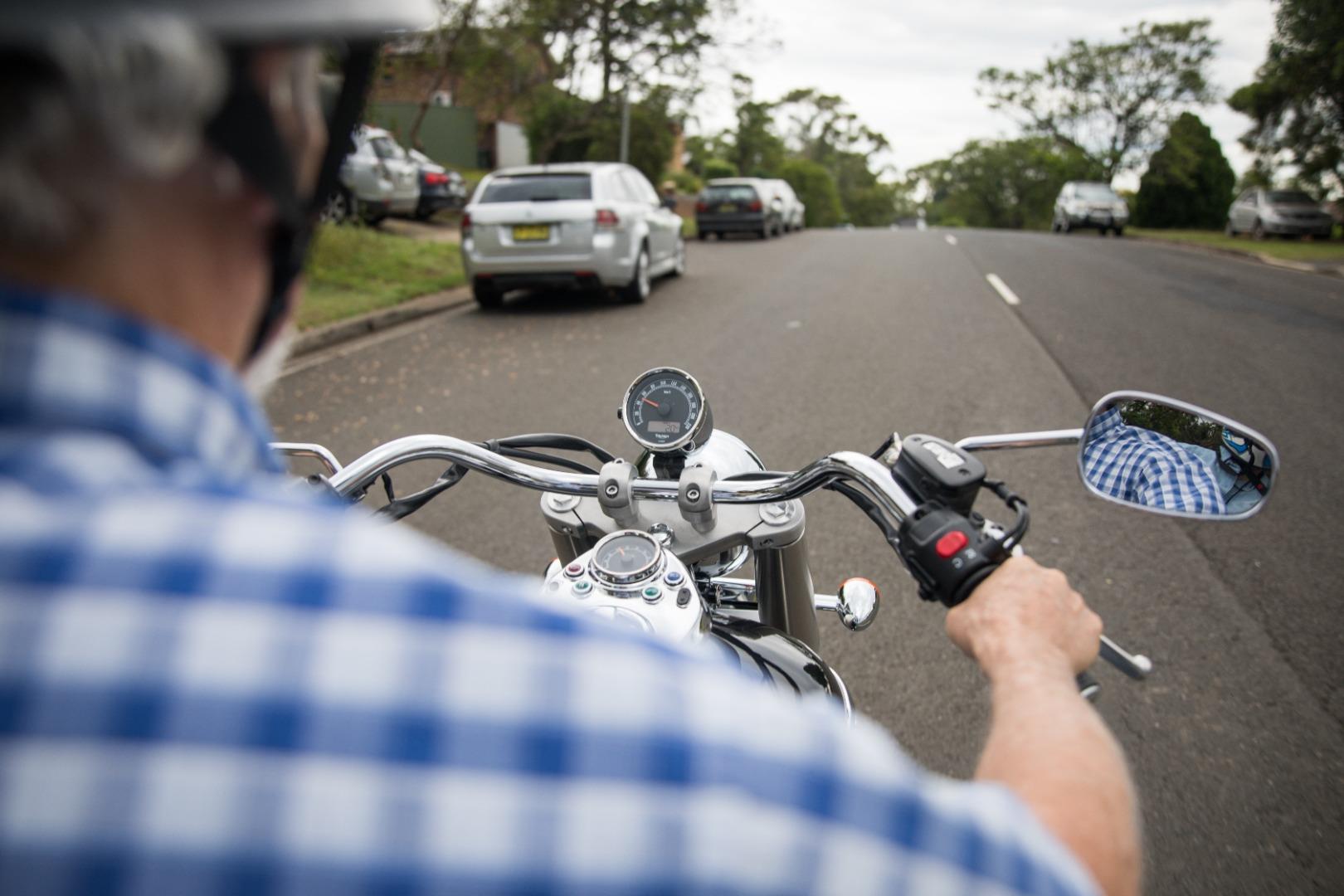
The vast majority of modern motorcycles are Euro emissions compliant, meaning that they use fuel efficiently and return good fuel economy. Even though these machines use fuel relatively efficiently, riders can still do some things to reduce their consumption figures further.
Related: 5 Tips for bikers to keep safe on the roads
Improving your motorcycle's fuel economy is about smooth, mindful riding and simple maintenance. Here are 10 simple riding habits that instantly boost your motorcycle's fuel economy. By consistently applying these habits, you'll save money on fuel and put less wear and tear on your bike, making your rides smoother and safer.
What are the most fuel-efficient motorcycles available in South Africa?
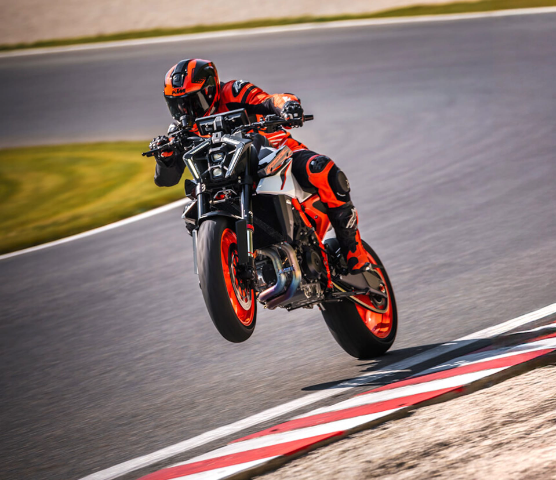
1. Smooth out your throttle inputs
Avoid aggressive acceleration. Roll the throttle on gently and gradually increase your speed. Every sudden wrist twist dumps extra fuel into the engine, significantly hurting your mileage. Think of your throttle hand as controlling a volume knob, not an on/off switch.

2. Maintain a steady speed
Choose a speed and stick to it. Constant acceleration and deceleration—often called "throttle modulation"—wastes fuel. On the highway, find a comfortable speed slightly below the maximum speed limit, where traffic is smooth, and hold it there.

3. Shift early
Your engine uses less fuel when it's not screaming at high r/min. Shift into a higher gear sooner than you might instinctively, allowing the engine to cruise at a lower, more efficient rev range. Most motorcycles achieve peak fuel efficiency just above their torque peak.

4. Coast to a stop
Look ahead and anticipate traffic lights or stops. Instead of riding up to the stop sign quickly and braking hard, close the throttle early and let the engine braking and momentum slow you down. This technique, sometimes referred to as engine braking, utilises zero fuel during the deceleration process.

5. Practice aerodynamics
At highway speeds, wind resistance is your biggest enemy. Tuck in behind your fairing or windscreen to reduce your body's drag. Less drag means the engine doesn't have to work as hard to maintain speed. You may also gain better control over the handlebars.

6. Lighten your load
Only carry what you need. Extra weight requires the engine to burn more fuel to move the motorcycle. Remove unnecessary items from saddlebags, top boxes, and backpacks, and travel light whenever possible.

7. Check your tyre pressures
This is crucial! Ensure your tyres are inflated to the manufacturer's recommended pressure. Under-inflated tyres increase rolling resistance, which forces the engine to burn more fuel. Check them at least once a week when the tyres are cold.

8. Limit your idling time
Modern motorcycles don't need a long warm-up. Turn the engine off if you anticipate sitting for more than 30 seconds.

9. Use your highest gear
Once you reach 80km/h or higher cruising speed, shift into your highest available gear. This puts the engine at its lowest possible r/min for that speed, maximising efficiency.

10. Maintain a safe following distance
A proper following distance is key to the first four points. It gives you the time and space to anticipate traffic changes, letting you smooth out your speed, coast more often, and avoid abrupt braking and subsequent hard acceleration.