Driven: the Volta Zero
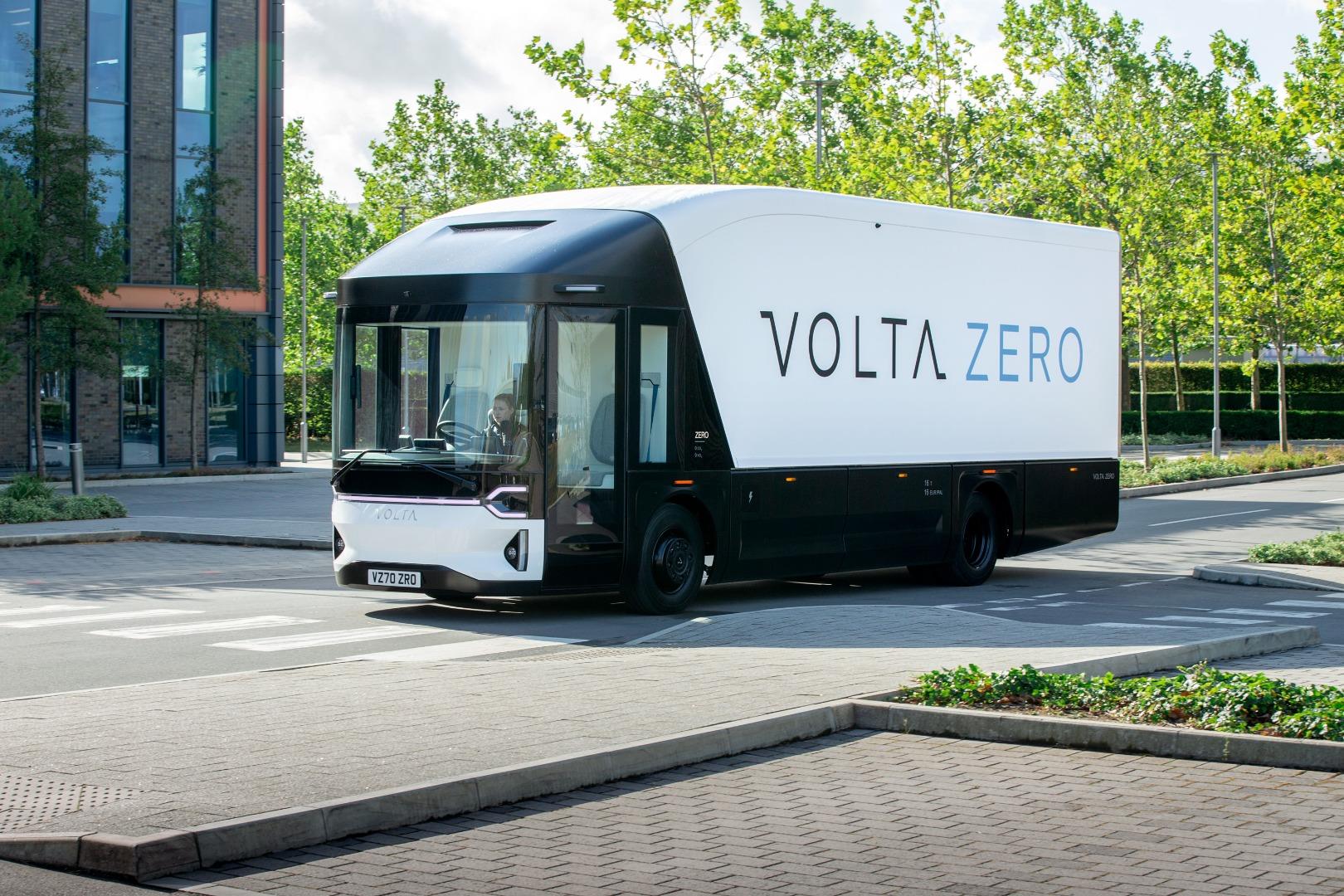
The future of the Volta Zero, the world’s first purpose-built all-electric 16-tonne vehicle designed for urban logistics, hangs in the balance. But we got lucky! We went for a spin in one of these incredibly futuristic trucks before the company’s shock announcement that it had filed for bankruptcy.

Introducing Volta
Volta Trucks was founded in 2019 in Sweden by Carl-Magnus Norden and Kjell Walöen. With great hype and fanfare, it held the world premiere of the Zero on September 3, 2020. At the time, the company had great aspirations. “From launch, the Volta Zero will be a significant contributor to the future vision of zero-emission cities all over the world!” it proudly proclaimed.
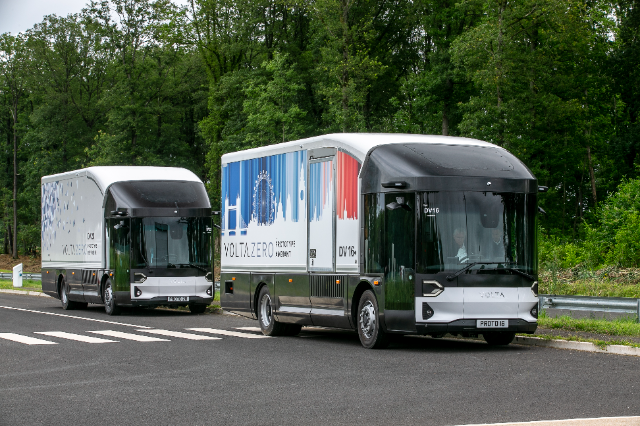
Back then, its launch plan was bold and ambitious. In H1-2021, Volta Trucks planned to produce 12 pilot fleet vehicles. These vehicles were to be built in the UK and used for testing and evaluation by a number of Europe’s leading logistics companies.
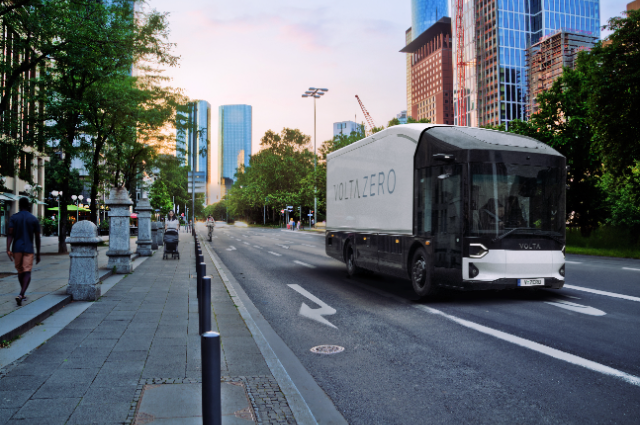
Full-scale production of the Volta Zero was due to commence in 2022 – most probably also in the United Kingdom. By the end of 2022, Volta Trucks aimed to have built around 500 customer-specification vehicles. The plan was to sell around 22,500 trucks by the end of 2025.
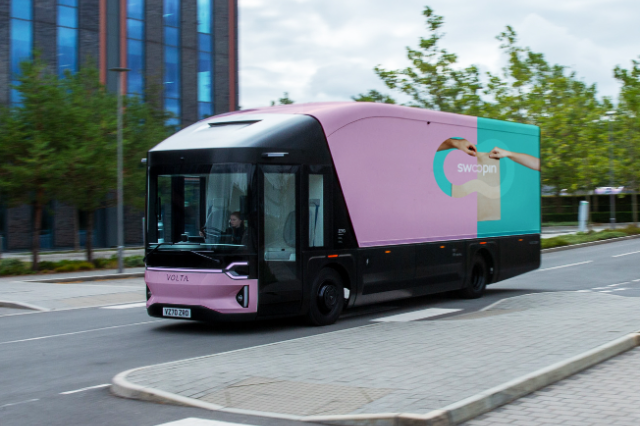
Many of these plans didn’t materialize. However, Volta did secure a factory in Austria, and it took orders from lots of companies. For instance, back in November 2021, DB Schenker, one of Volta’s largest customers, “pre-ordered” 1,500 Volta Zero trucks, which were scheduled to be delivered around now.
The truck in a nutshell
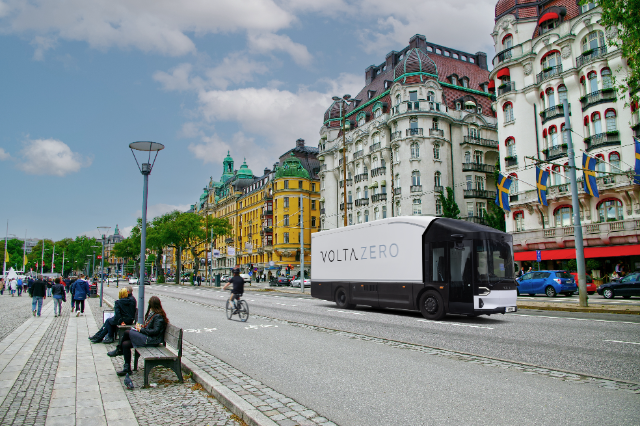
Designed from the ground up with an operating pure-electric range of 150 to 200 km, the Volta Zero was predicted to transform city centres and eliminate an estimated 180,000 tonnes of CO2 by 2025. Our test truck was a 16-tonne cargo vehicle with a capacity of 225kWh.
Exterior
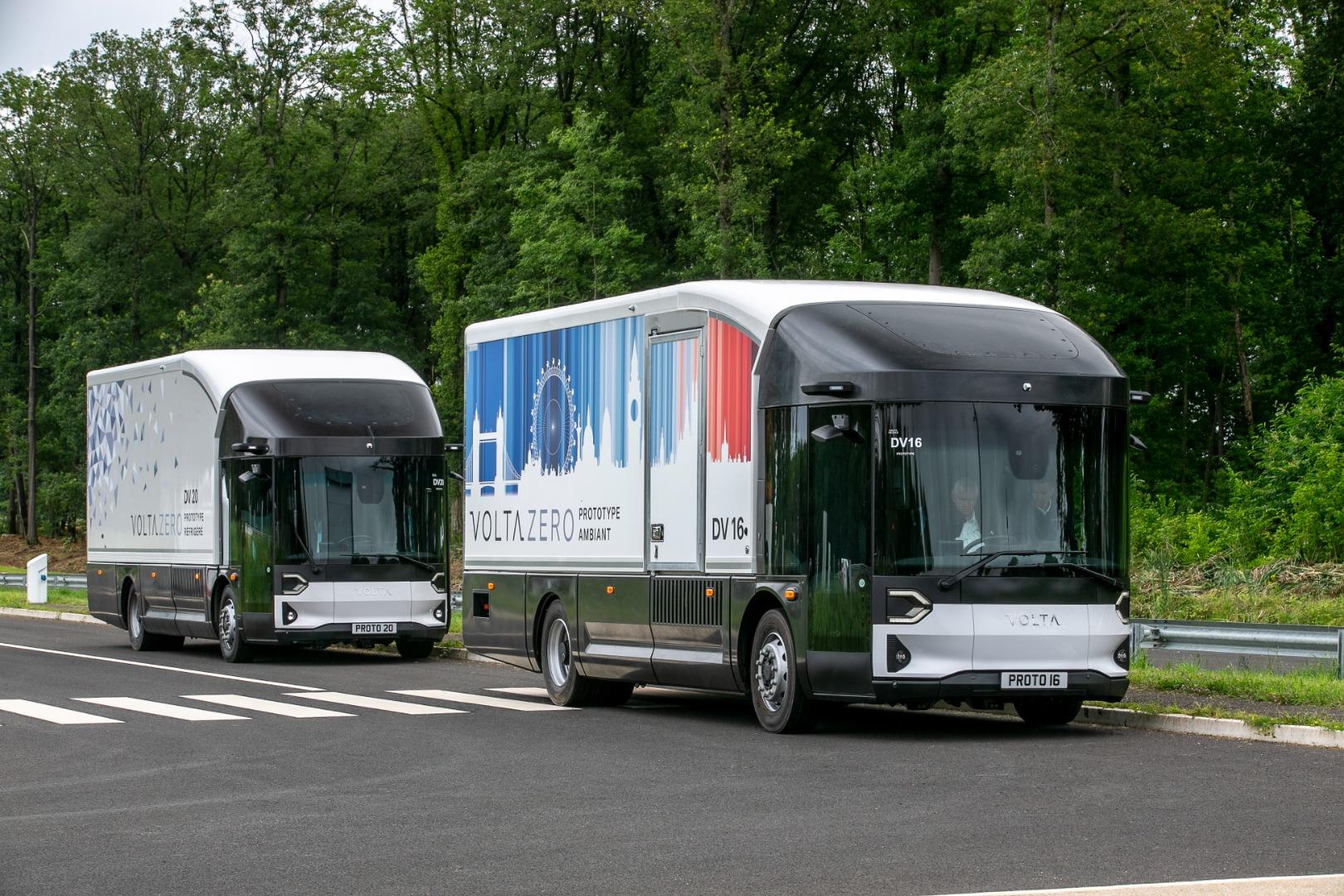
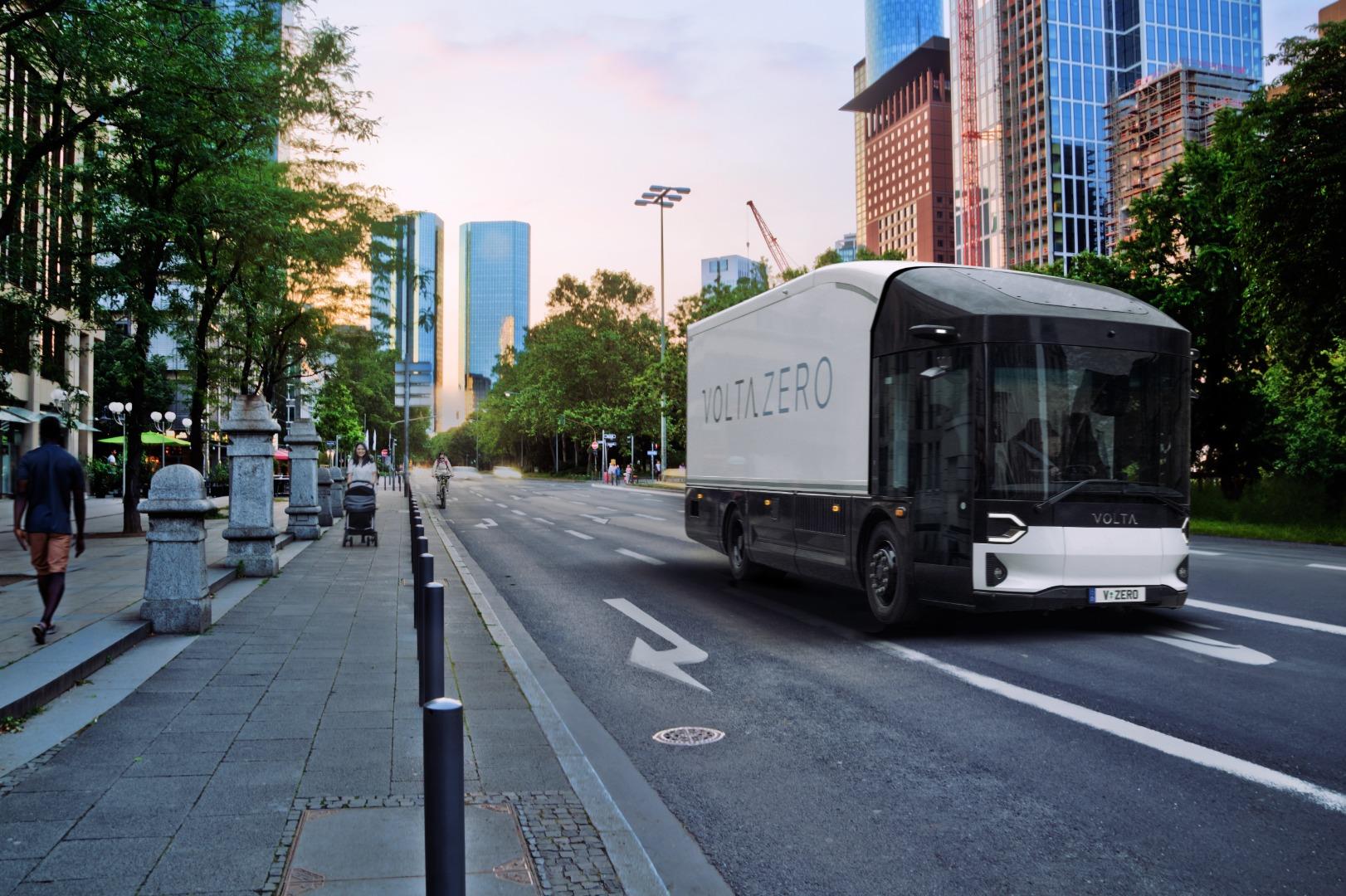
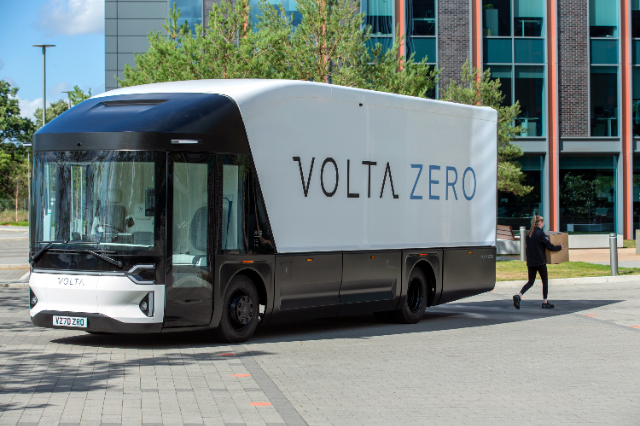
The Zero is one of the most striking and gorgeous trucks we’ve ever seen. It looks funky and futuristic. Our test drive was conducted in the Munich city centre and, wherever we drove, people stopped and stared.
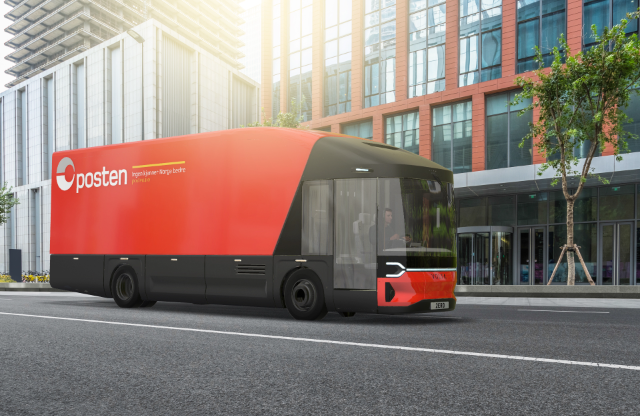
But it’s not just a pretty picture; it’s a practical truck too. The Volta Zero was designed to optimise its load-carrying capacity, thus minimising the number of vehicles in an operator’s fleet, and the consequent congestion within cities. The principle is that – thanks to its overall design – the Volta Zero can operate in narrow city streets and undertake the role of three or four 3.5-tonne vehicles.
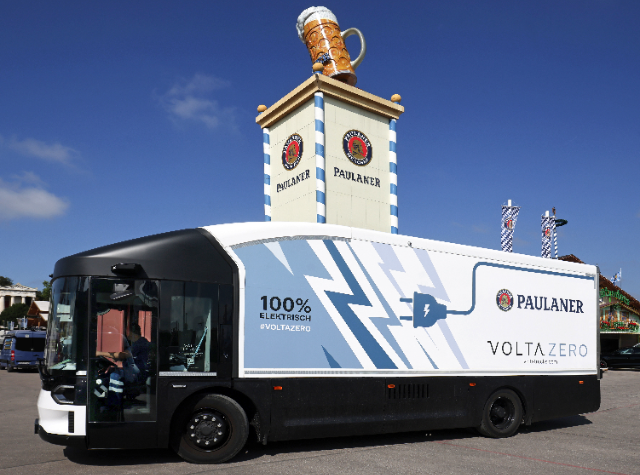
The Volta Zero offers a payload of 8,600kg, with an overall volume of 37.7m3 and is designed to accommodate 16 Euro pallets. The truck is 9,460mm long, 3,470mm high and 2,550mm wide, with a wheelbase of 4,800mm. Its Gross Vehicle Weight is 16,000kg and the vehicle is limited to a top speed of 90km/h.
Interior
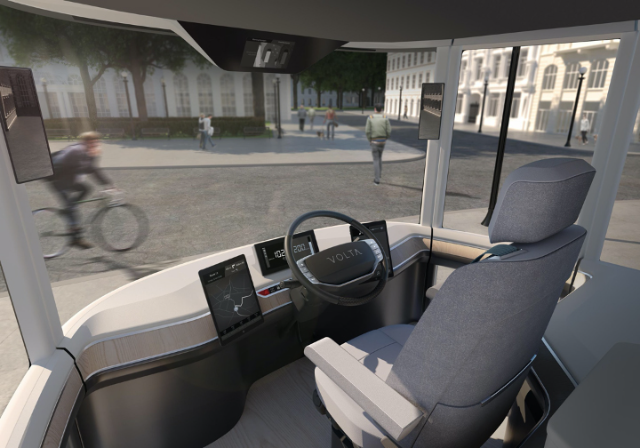
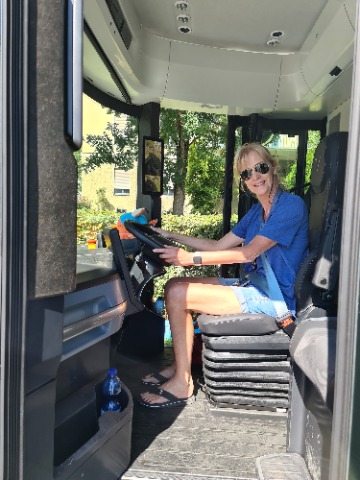
The driver of a Volta Zero sits in a central driving position with 220 degrees of direct vision around the vehicle. The seating position is fabulous; you can see forever!
Driving safety and visibility are also enhanced by the use of rear-view cameras that replace traditional mirrors, a 360-degree birds-eye camera showing the driver their complete surroundings, and blind-spot warning systems that detect objects on the sides of the vehicle.
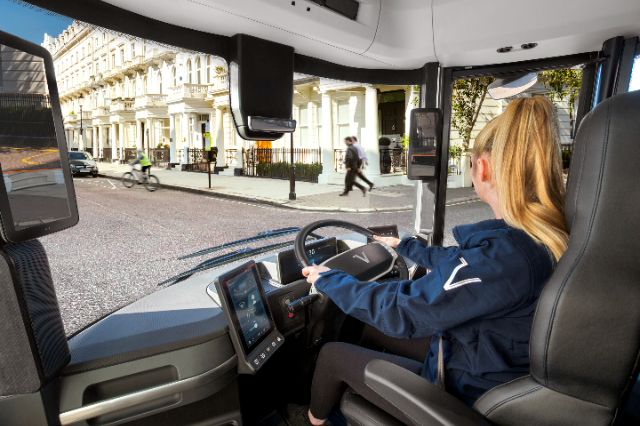
Thanks to the removal of the internal combustion engine, the driver of a Volta Zero also sits far lower than in a conventional truck, with an eye-line of around 1.8 metres. This mirrors the height of pedestrians and other road users nearby for easy visual communication between the driver and other people on the road.
The Volta Zero’s ultra-modern cab was designed with driver comfort in mind. The lower cab height and seating position provide easy ingress and egress for the driver who will be frequently entering and returning to the vehicle. You just walk onto the truck; there’s no need to take a massive step up.
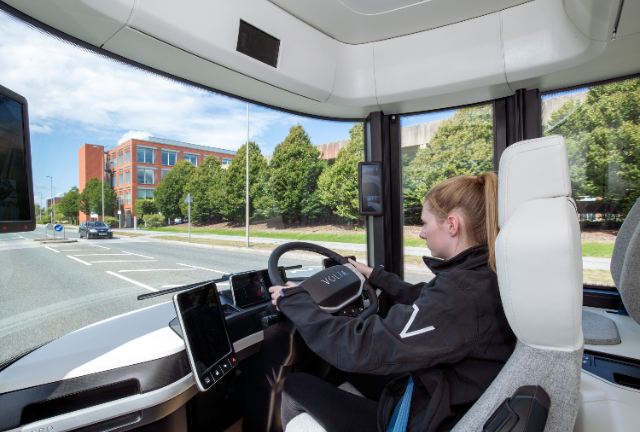
To further enhance the driving environment, the modern, open and simplified cab comes with a contemporary, uncluttered dashboard and driver information interface. The central display conveys critical information while touchscreens on each side are used for lights, climate control, navigation and trip planning, communication, and in-cab media.
Drivetrain
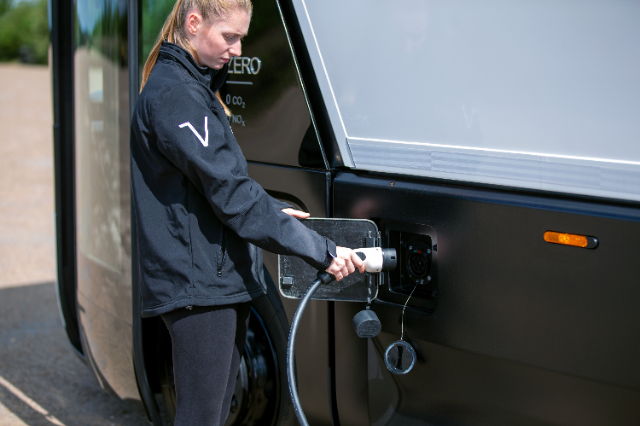
Power delivery from the electric motor is seamless, and the ride is super smooth. The truck can be fitted with two or three 75kWh battery packs. US firm Proterra supplied the battery packs, which sit in the central part of the chassis. (As an aside, Proterra also filed for Chapter 11 bankruptcy protection in early August.)
Transmission
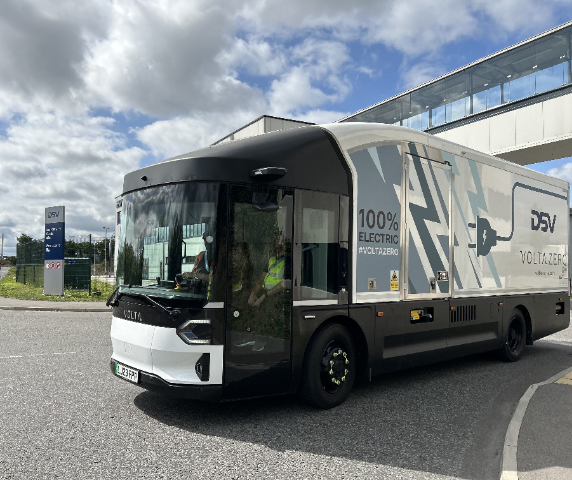
The Zero comes with a silky smooth two-speed transmission. Volta chose to use an eAxle from Meritor – a single unit combining the electric motor, transmission and rear axle to deliver power directly to the rear wheels. “This was the first commercial vehicle in Europe to use Meritor’s kit, which is claimed to be lighter and more efficient than a conventional electric motor and axle set-up. This helps increase operational range. The eAxle also frees up space between the chassis rails, which means we can position the batteries centrally between the rails for better impact protection,” a company spokesperson told us during the test drive.
Safety
The Zero has tons of safety features, including Active Steering, Road Sign Assist, a Reversing Assistant with reversing camera, Lane Change Assist and Lane Departure Warning.
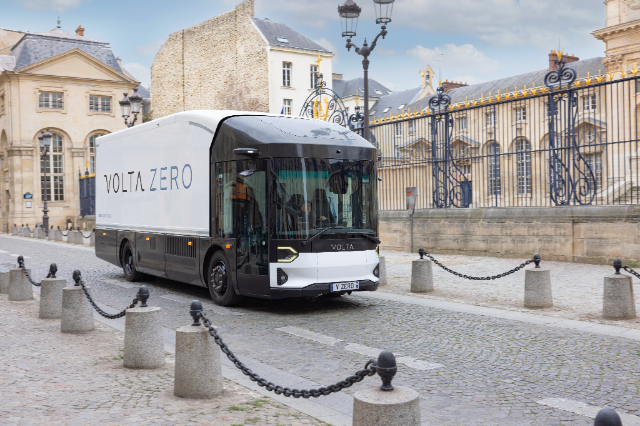
But the thing that impressed me most was the visibility; it’s amazing. I’m not the only person who was impressed; the Zero also achieved a best-ever Direct Vision Standard (DVS) rating of 32.82m³ (it is 50% higher than the nearest competitor vehicle tested, which achieved a mere 22m³).
Lest you don’t know, the DVS monitors heavy goods vehicles wanting to travel into and around London. Introduced in 2021, as part of the Mayor of London’s Vision Zero Plan to eliminate all deaths and serious injuries on London’s transport network by 2041, the standard sets minimum requirements for driver vision of commercial vehicles over 12 tonnes entering the city.
The Brits aren’t the only ones bothering with visibility. Following the adoption of the EU General Vehicle Safety Regulation, 29 countries – including every EU member state – are now also adopting a UNECE Direct Vision Standard for new trucks from 2026 (and all existing trucks from 2029). This will ensure that vehicles operating in city centres in Europe boast terrific visibility for drivers.
Verdict
The Zero is an incredible truck – and we hope that it does have a future. At the time of writing this road test, the management of Volta was “urgently seeking a buyer to take the company out of administration,” a source familiar with the issue told Reuters. “We were 30 days out from production when the bankruptcy came,” the source said, adding that the startup had raised a total of around €460 million from investors.
Customers such as DB Schenker still want the vehicles they have ordered – meaning that a company with deep pockets may find the acquisition of Volta appealing. It’s possible that the deep-pocketed company could hail from China – although that country is already a long way down the road when it comes to e-mobility, so maybe Volta doesn’t hold appeal. But let’s hope that Volta’s saviour can be found; the Zero is certainly worth saving.