
From bad to worse
The shortage of truck drivers is nothing new; it’s been prevalent in most parts of the world for many years. But it’s getting worse.
According to the International Road Transport Union (IRU), driver shortages could increase by a further 40% this year. The IRU – the voice of more than 3.5 million companies operating road and multimodal transport services in all global regions – conducts an annual driver shortage survey, and the picture to emerge from its latest survey certainly isn’t pretty.

Surveying more than 1,500 commercial road transport operators in 25 countries, the IRU has found that truck driver shortages increased in all regions in 2021 except Eurasia.
In Europe, they jumped by 42% from 2020 to 2021, with open unfilled driver positions reaching 71,000 in Romania, 80,000 in both Poland and Germany, and 100,000 in the UK. In Mexico, shortages increased by 30% to reach 54,000; in China by 140% to reach 1.8 million. Higher driver wages in 2021, especially in Europe and the US, have not led to fewer shortages.
Millions of unfilled jobs
According to IRU Secretary General Umberto de Pretto, chronic commercial driver shortages are getting worse. “Millions of positions are remaining unfilled. This is putting already stressed economies and communities at higher risk of inflation, social mobility issues and supply chain meltdown,” he reveals.

This year, while firms in Argentina and China forecast slight improvements, operators in most regions expect truck driver shortages to keep increasing: Turkey by 15%, Mexico by 32%, and Eurasia and Europe by 40%.

The same is expected in South Africa. “South Africa is currently facing a shortage of skilled truck drivers, which will only worsen as the economy recovers. Like the current issues with the national electricity supply, a shortage of drivers is also a catch-22. As business activity resumes, we will see more transportation demand, but a lack of adequate supply could quickly strangle economic growth again,” warns Arnoux Maré, Managing Director of Innovative Learning Solutions.
Few women and youngsters
One of the reasons for the shortage of truck drivers is the fact that the job doesn’t appear to appeal to two important groups: women and young people.

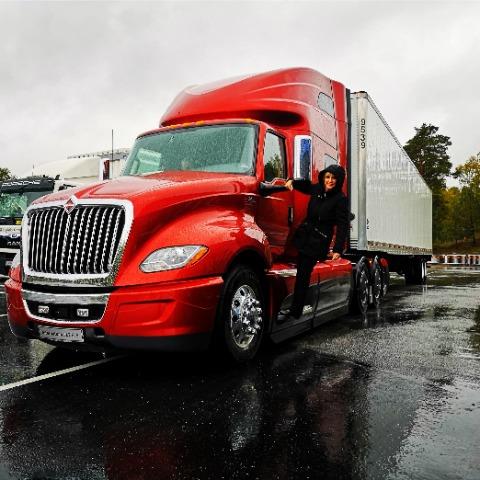
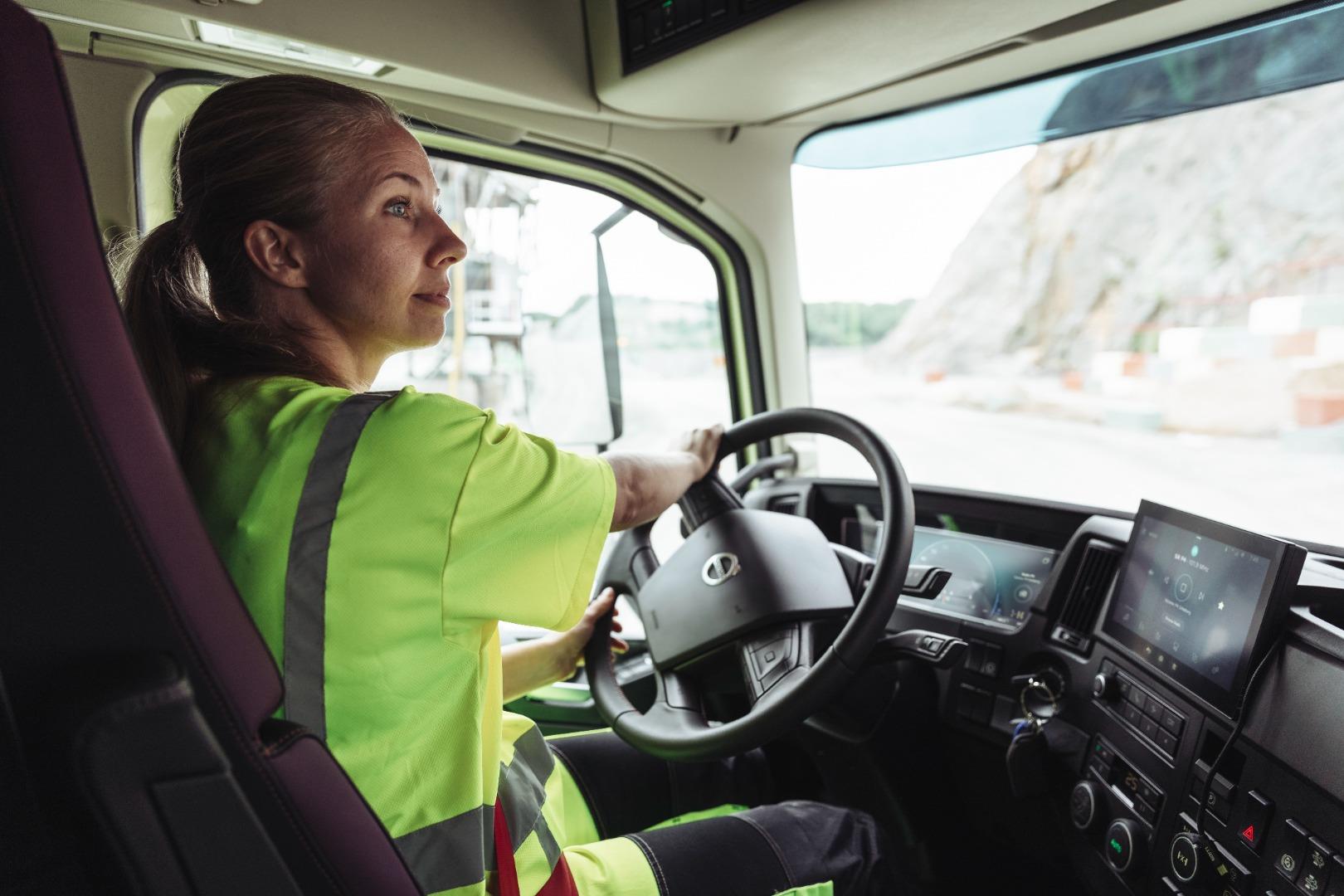
There are precious few members of the fairer sex behind the wheel. The IRU survey found that fewer than 3% of truck drivers globally are women, with notable exceptions in China (at 5%) and the US (at 8%). The rate of female bus and coach drivers in Europe is better at 12%.

The situation is very similar in South Africa. “The reality is that greater participation of women within the sector is important for diversification, yet the last recorded data from StatsSA suggests that women only make up around 17.5% of the working population,” confirms Nicci Scott, founder of the Commercial Transport Academy. “This reinforces that the sector remains a non-traditional environment for women.”

The IRU survey reveals that young drivers are also noticeable by their absence; they represent a mere 6 or 7% of the truck driver population in most regions. Europe is the most problematical region, with the highest average driver age, at 47.
The widening age gap is more serious for passenger transport. In Europe, only 3% of bus and coach drivers were under 25 in 2021.
Skills lacking
According to road transport operators, the current driver shortage crisis is caused by a lack of skilled drivers in all regions, except for China and Turkey.
The situation is the same in South Africa. The transport industry contributes to 20% of the country’s GDP and forms the backbone of South Africa's socio-economic activities by enabling the movement of people and products. Yet, despite South Africa’s high unemployment rate, there is currently a shortage of skilled drivers, which represents a significant risk to local businesses.

Maré says the solution is training. “A shortage of skilled drivers impacts nearly every sector. They transport essential goods like food, fuel, coal, hospital and medical equipment, clothing, and more. We urgently need to do more to fill the skills gap in South Africa by investing in driver training programmes now to avoid hitting a major roadblock in our economic recovery,” he insists.

“South African businesses need to begin building a talent pipeline to plug the skills gap now if we are to avoid hitting a speedbump in economic growth. With affordable training programmes, a career as a truck driver is an attractive option for many unemployed South Africans – particularly for unemployed youth.
“Professional skills training not only benefits employees and the economy, but also reduces the risk of accidents, which directly impacts the bottom lines of businesses,” he contends.
De Pretto concurs – but he says government also has a role to play. “Road transport operators are doing their part, but governments and authorities need to maintain focus, especially to improve parking infrastructure, training access, and encouraging more women and young people into the profession,” he concludes.
Photo credits:
Caleb Ruiter
Mitchell Luo
Kelly Sikkema
Avi Richards
Ralph (Ravi) Kayden
Nelson Gono
Nick Cheng
Christian Chen
Alexander Popov
(All on Unsplash)