Wanted: women in the transport industry
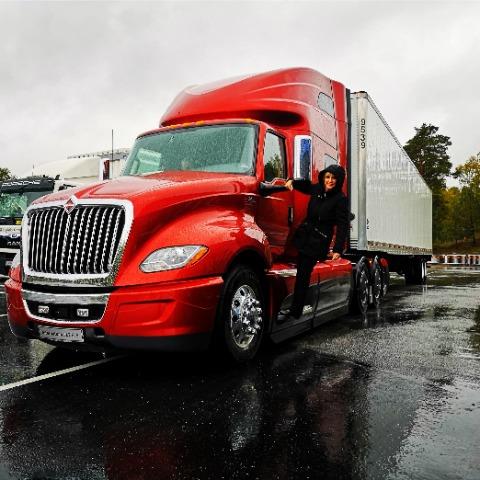
It’s Women’s Month in South Africa – accordingly, there’s no better time to celebrate the achievements of women in the transport industry. And Nicci Scott, owner of the Commercial Transport Academy (CTA), is on a mission: she wants to see more and more members of the fairer sex in trucking in South Africa.


A long legacy in transport and logistics
Scott has spent much of her working life in transport and logistics. “I opened my first logistics company in 1995 at the age of 21 years. It was a bold move as I was young, inexperienced and had no money or assets to speak of,” she recalls.

This was a distinct change of direction for her. “After matriculating from Port Shepstone High School, I had invested in a franchise to teach young girls poise, grooming and modelling. I did not specifically target the transport and logistics sector. In fact, thanks to my upbringing, I would have probably avoided it. My dad was a commercial driver, and as a young girl growing up, I was embarrassed to tell people about his job,” she reveals.
The bug bites!
While she may well have thought about avoiding it, the transport and logistics sector bug soon bit anyway. “My business did not start in the commercial vehicle sector. I set up the first company ferrying cars all over South Africa for the car rental industry. But, around 1999, I began to expand my services to the commercial vehicle sector. They were not used to being prioritised and to having their vehicles collected with the speed and confidence we offered. It was a revelation for them and a springboard for me,” she recalls.

Back then, Scott says that the landscape of the industry was very different to today. “Besides a few hijackings or incidences, my drivers were safe and did not feel threatened on the roads. They were not unionised, and they trusted us. I observed many changes in my 23 years of business. After the global recession, corporates became very guarded and were driven by price over service. The ever-increasing service delivery and fuel costs negatively impacted our cash flow. Our clients were forced to extend payment terms, compromising our profitability and cash flow to meet creditor payments. Price wars amongst competitors further deteriorated profitability and increased risk, and the drive for first-to-market solutions was challenging to manage,” she says.
Winning despite the odds
But she would not have changed any of it. “In hindsight, I matured as a businesswoman and could pride myself in knowing that my standards were on par or even better than many multinational or listed organisations. While the transport sector was male-dominated, I excelled as a woman and used the most negative experiences to grow. People who know me will often describe me as uncompromising in service delivery. I appeared to be super resilient and brave and showed a unique ability to overcome any obstacle put in front of me. Still, the truth was that while I had hardened with the industry as a businesswoman, I would not allow myself or my business to fail, and this was a magnificent driver to push through the harshest of environments.”

When she started her logistics company many years ago, there were also very few women in operations and leadership. “Having said this, during my early years of business, I encountered some powerful women who served as role models, as the car rental industry was very women-dominated. In comparison, the commercial vehicle industry was led almost exclusively by men. Women are much harder on other women. We are less forgiving and can be more judgemental. While the women of car rental enforced the standards I operated by, the men supported my growth and championed my success,” she notes.
Placing women at the fore
Despite this, she decided that the transport and logistics sector needed more women. “Transport, logistics and supply chain play a critical role in economic development. Transport contributes 8% to the total GDP and has the ability to create four jobs per R1 million invested. Yet transport is the least gender-transformed sector in our country,” says Scott.

In 2018, after selling her logistics company, Siyaduma Auto Ferriers, she decided to expand her other business, CTA. In 2021, the CTA was awarded funding from the United States Agency for International Development (USAID). This agency “provides partnerships and investments that save lives, reduce poverty, strengthen democratic governance, and help people emerge from humanitarian crises and progress”.

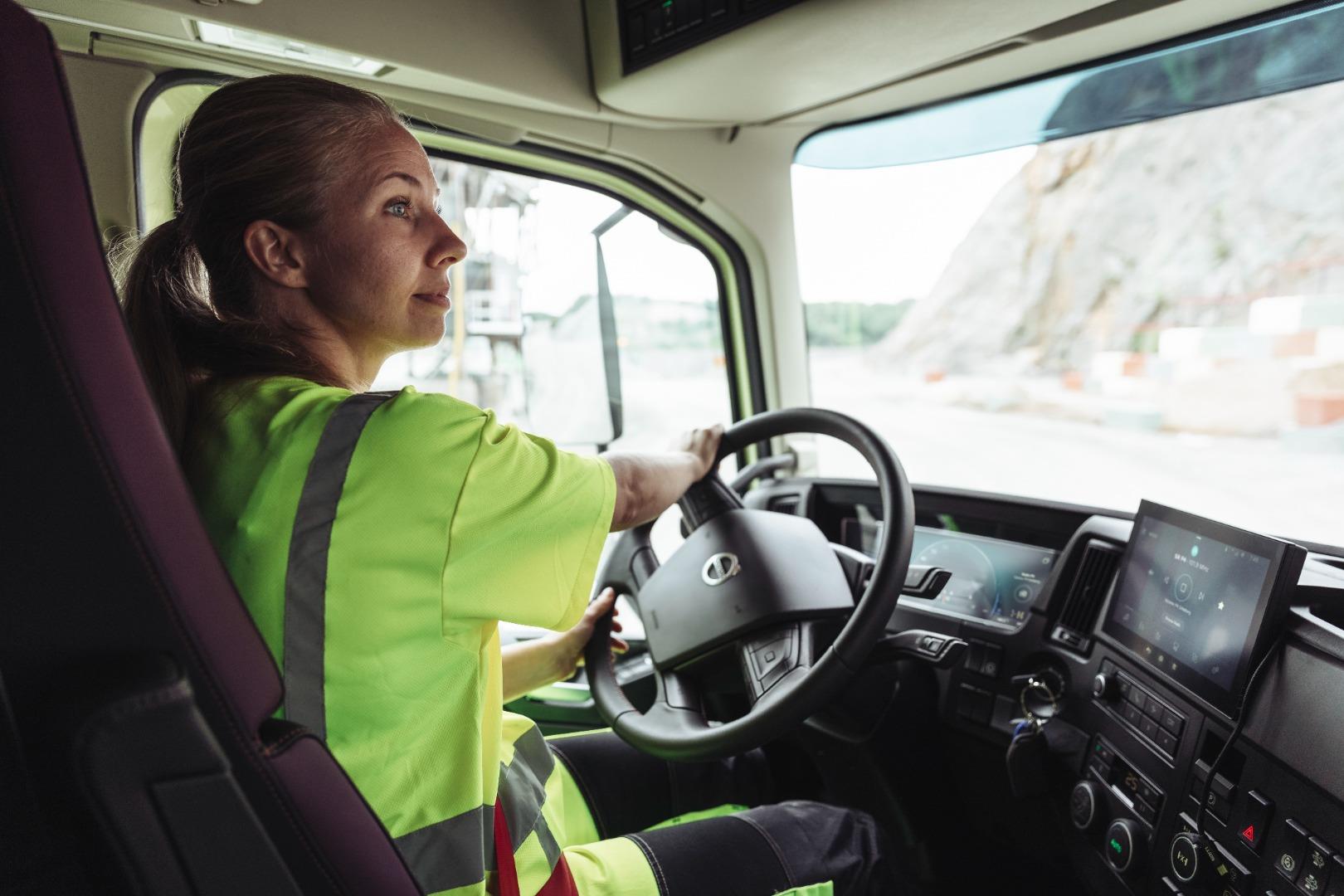
“The funding allowed us to embark on the most ambitious skills project the commercial industry has seen to date, developing 495 female professional commercial drivers, upskilling 120 women via an international diploma in supply chain to be well-rounded leaders and empowering 300 entrepreneurs. We are so proud of the impact we have already had in the industry and the uptake of women drivers. Every woman placed in the sector is a success story and it is through these partnerships with leading corporates, and funding from USAID, that we have been successful and have begun to integrate more women into the transport economy,” she notes.
Optimistic outlook
Scott is optimistic about the future for the CTA and for the industry at large. More than anything else, she hopes to see more women within the sector. “It is impossible to remain successful in business without having an optimistic outlook. Entrepreneurship will always be tough, and it requires a special person to succeed in the challenging transport and logistics environment,” she explains.

However, she says transport and logistics are certainly not for everyone. “I recognise that the global and local macro factors have made it very difficult for businesses to thrive. The high unemployment and subsequent crime rate directly impact transport operators and truck drivers. The cost of business in this volatile economy is placing enormous pressure on operators to reduce costs and improve efficiencies,” she points out.

Still, she encourages and, in fact, urges young women thinking about a career in the commercial vehicle industry to take the plunge. And she has some words of advice for members of the fairer sex: “Have a few good people around you that will support you and lift you up as there will be many challenges to overcome. But remember that each challenge offers growth and learning opportunities and that your approach to these challenges is often more important than the outcome. Love what you do and truly understand your role in the enormous cog of the supply chain.”
Most importantly, it’s also wise for women to work with other individuals who are passionate about empowering women in transport and logistics – people exactly like Nicci Scott.