
Hybrid and electric trucks - what does the future hold?
Hybrid and electric trucks - what does the future hold?


By Colin Windell
The all-electric choice as the answer to fuel efficiency for trucks in the future is not a clear-cut choice and, while rivals are directing their efforts this way, Toyota Motor Corp’s truck-making arm is adding artificial intelligence to large diesel-electric hybrids.
The development comes as the market for trucks and other heavy equipment, as with passenger cars, is disrupted by new technology such as electrification and automated driving but Hino Motors Ltd is taking a more incremental approach, expanding its hybrid line-up to larger models rather than jumping to full electrification.
Rival Mitsubishi Fuso, owned by Daimler AG, began selling an all-electric version of its small Canter trucks last year, while US electric vehicle (EV) maker Tesla is expanding into trucks with plans for a heavy-duty model by 2019.
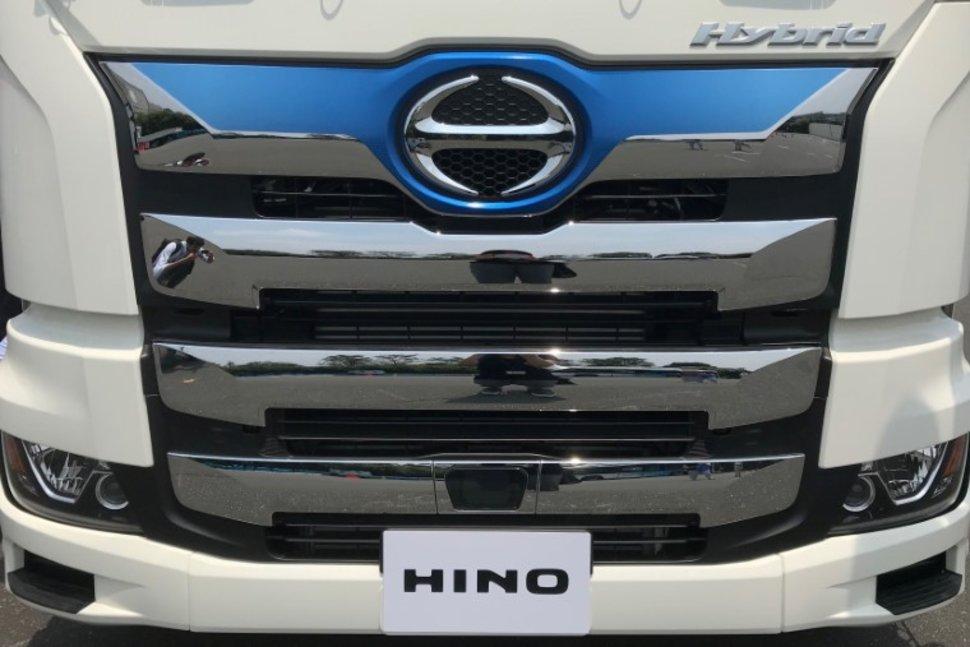
Hino plans to launch a system in Japan in mid-2019 using GPS and gyro sensors, which sense rotational motion, to assess the best way to manage the power system of its Profia trucks – its largest diesel-hybrid models, marketed abroad as the 700 series.
Along with existing automatic cruise-control technology, the system calculates ways to limit the impact of tailgating and other driving habits, which can reduce mileage, improving fuel economy by 15% over diesel-only counterparts.
“Fuel efficiency in large commercial trucks varies significantly given driving habits,” says Executive Vice President, Shin Endo. “With this system, the vehicle can achieve better mileage regardless of the skill of the driver.”
Hino plans to sell all-battery commercial trucks from around 2020, though its line-up initially will likely be limited to smaller models due to batteries’ cost and weight considerations.
“The biggest hurdle to achieving affordable, large-scale EV trucks remains battery size, cost and weight,” Endo said. “We are developing these, but we believe it will take a while. We see hybrids becoming the main powertrain used in commercial vehicles by 2030.”
Hino is among the world’s 10 biggest truck makers by sales. It sold around 170000 vehicles last year, the majority in Japan and the rest of Asia where it dominates the market for large commercial vehicles.