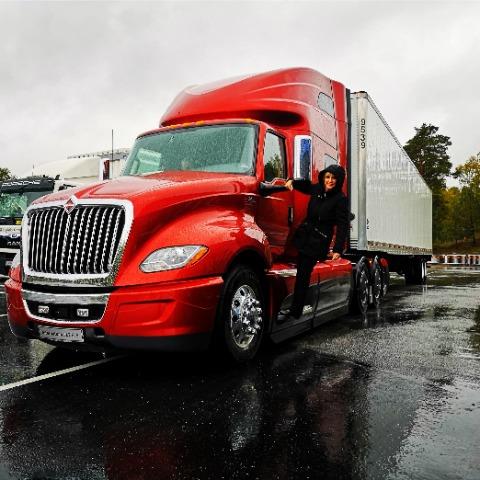
Hino and BYD join forces
Hino – one of the best-known names in the commercial vehicle industry here in South Africa (and indeed in many other major markets too) – has signed a strategic business alliance agreement with the massive Chinese company, BYD. The two commercial vehicle giants will work together on the development of battery electric vehicles (BEVs).

Introducing Hino
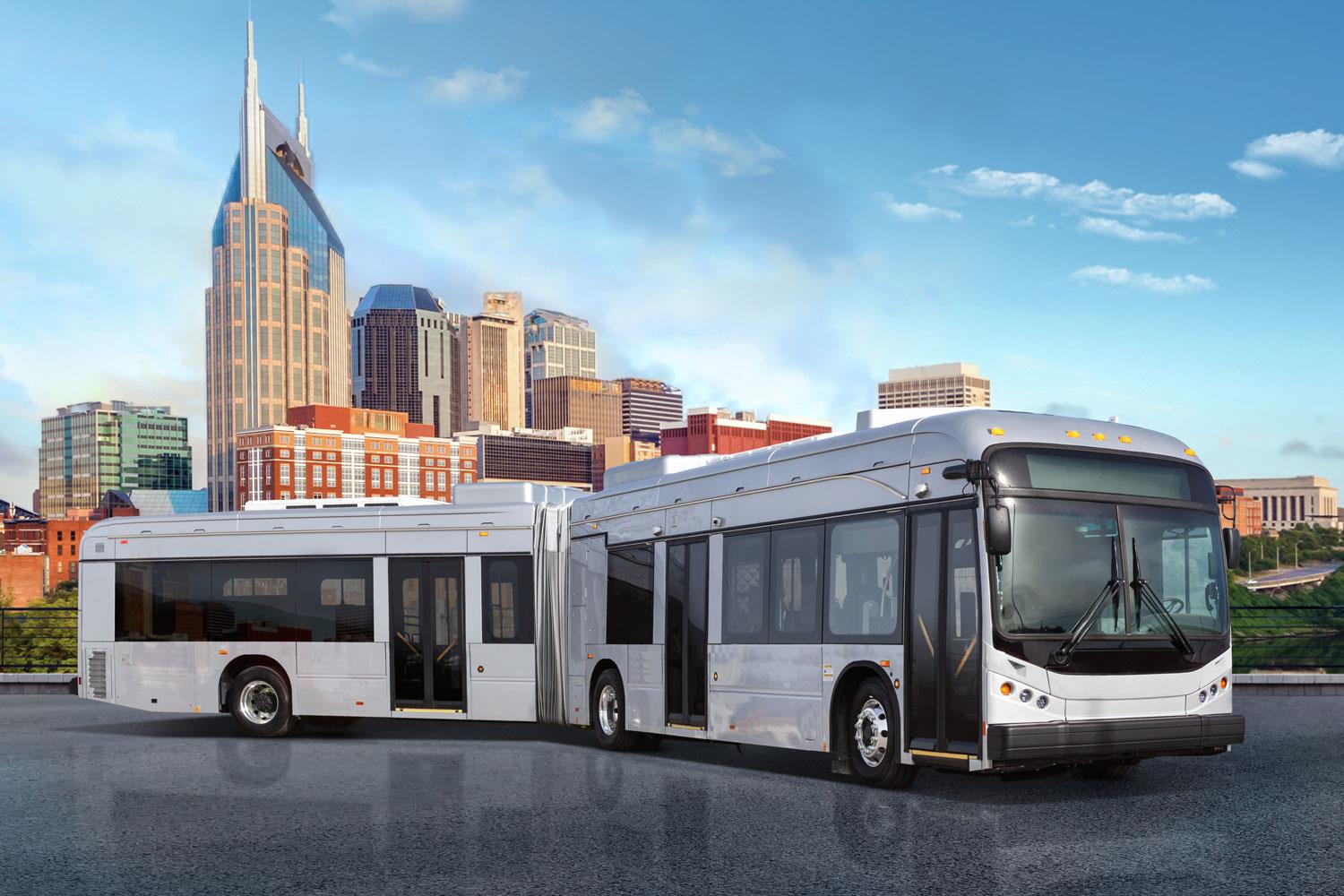
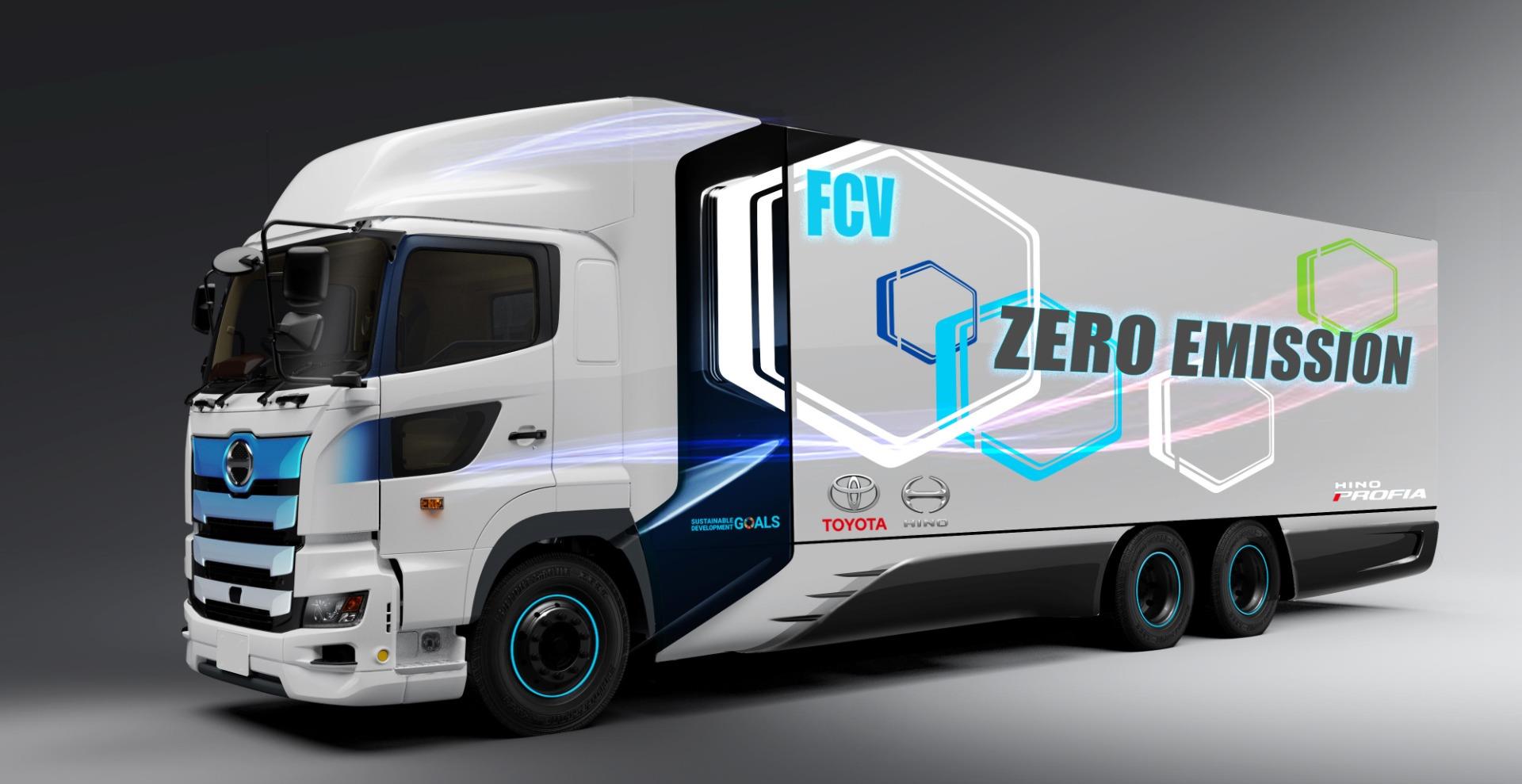
Hino, a Japanese company that was founded in 1942, is part of Toyota South Africa and has been trading in this country since 1972. While the company is best known in this country for its trucks and buses with internal combustion engines, it has also been exploring the field of alternative propulsion for many years.
“In 1991, Hino released the world's first commercially available hybrid vehicle as a heavy-duty urban transit bus. For nearly 30 years since, it has constantly strived to innovate electrified vehicle technology, putting light-duty electric vehicle buses and medium-duty plug-in hybrid buses in operation. Hino's heavy-duty truck with the newest 6th Generation Hybrid system offers the convenience of a diesel truck while improving fuel efficiency by about 15%,” reveals Leslie Long, Senior Manager: Hino Production Planning & Marketing in South Africa.
BYD – king of electrification
BYD, on the other hand, is a Chinese company that was started as recently as February 1995. The world's largest producer of lithium iron phosphate batteries, BYD has built up enviable electric vehicle (EV) expertise in areas such as batteries, insulated-gate bipolar transistors (IGBTs), electric motors and electronic control technology. It doesn’t only provide EV solutions within the commercial vehicle sphere; it also works with passenger vehicles, forklifts and power battery products.
BYD’s product range covers anything and everything from electric coaches and buses to electric trucks. Since the first commercial operation of the BYD K9 pure electric bus in Shenzhen in 2011, BYD has expanded globally and its footprint can now be found in more than 300 cities across more than 50 countries and regions around the world. BYD has sold over 50 000 pure electric buses and coaches, meaning that it’s now the world’s largest producer of electric buses and coaches. BYD’s eTruck range will be launched in Europe this year and it will ultimately also come to South Africa (although it has declined to give a launch date).
Japan and China join hands
Now the two commercial vehicle giants have joined forces and they will “accelerate the development of commercial BEVs to provide the best-fit product for customers in a timely manner”.
Naturally, both companies are suitably thrilled about the partnership. "BYD Commercial Vehicle and Hino Motors have been committed to technology innovation and global promotion of commercial vehicle electrification. The cooperation between the Chinese and Japanese companies will benefit the development of commercial vehicle electrification by introducing leading technology and rich experience, which will accelerate the global adoption of pure electric commercial vehicles,” comments Wang Jie, BYD vice president and CEO of its commercial vehicle division.
Hino's director and senior managing officer Taketo Nakane concurs. "We are pleased with this collaboration, which aims to realize commercial BEVs that are truly beneficial to customers both practically and economically. By bringing together BYD's achievement in BEV development and Hino's electrification technology and reliability built over years of experience in developing hybrid vehicles, we will develop the best-fit commercial BEV products for consumers and work towards swift market introduction,” he adds.
Will South Africa head down electric avenue?
This is all very exciting. The partnership should indeed yield terrific results. But exactly what does this mean for South Africa? Not much – here and now. This is because, as Long explains, South African transport operators are not currently ready to go the electric route.
“The cost of the technology is too high while there are no incentives from government to promote environmentally responsible behaviour or purchases. In addition, the practicality from a weight/payload ratio for commercial vehicles is still doubtful. By this, I mean that the size and weight of the battery pack to move a load is in itself a limiting factor as it decreases the payload significantly. The current range is another limiting factor in South Africa especially for truck operators with medium to long-distance operations,” he notes.
“South African truck operators will only be ready to go electric when the affordability and practicality issues around electric trucks have been addressed to the extent that it will make economic sense,” he believes.
Long says that the biggest factor for local transport operators is cost and not the limited supply of electricity in this country. “A truck must make economic sense from an application point of view. The supply of electricity is a reality that many businesses have already compensated for in terms of generators and/or solar solutions,” he notes.
Accordingly, he has no immediate plans to bring electric vehicles to South Africa. “We are continuously studying available alternative fuel options as this will become more and more important in the future. Hino Motors Limited Japan has created a development platform that will enable hybrid, plug-in hybrid, full electric as well as hydrogen (fuel cell) trucks across the Hino range from 2025. We will study all these options in the future, considering the mentioned factors of economic and practical viability of the technology,” he reveals.
Bearing this in mind, electric vehicles that are borne of the BYD/Hino marriage are unlikely to be seen on our roads any time soon. “This will only be viable after 2025. The exact timing will only become clear when all affordability and practicality issues have been addressed,” he concludes.