
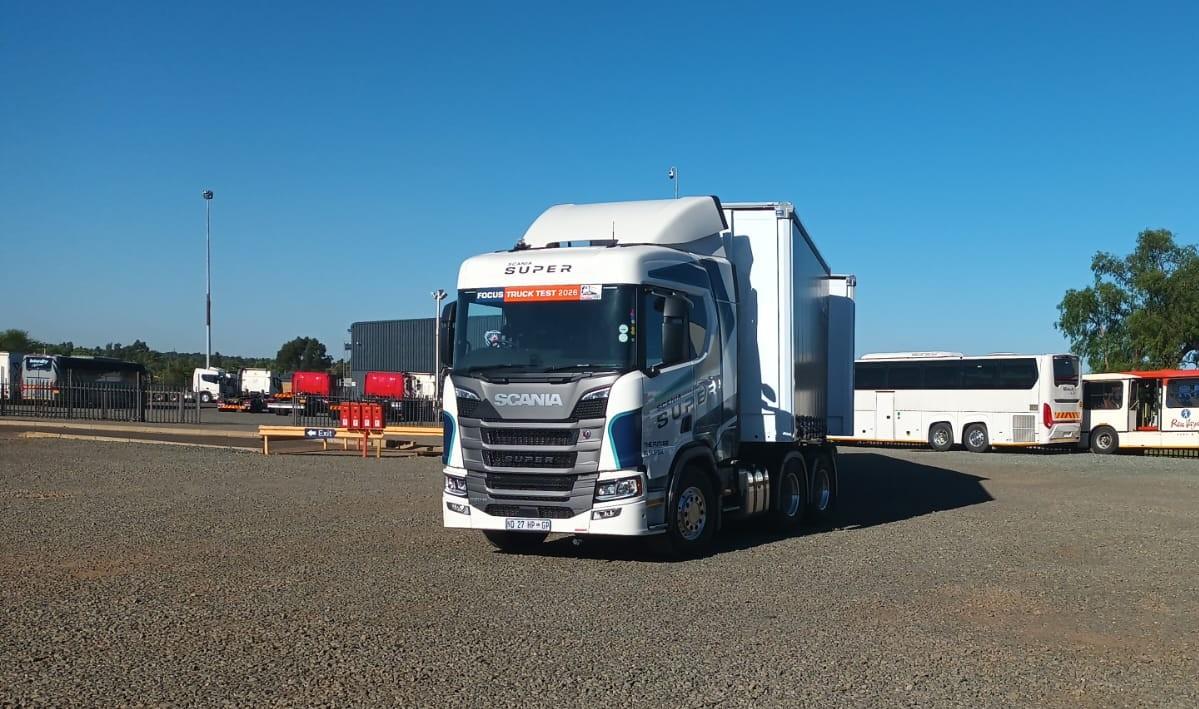
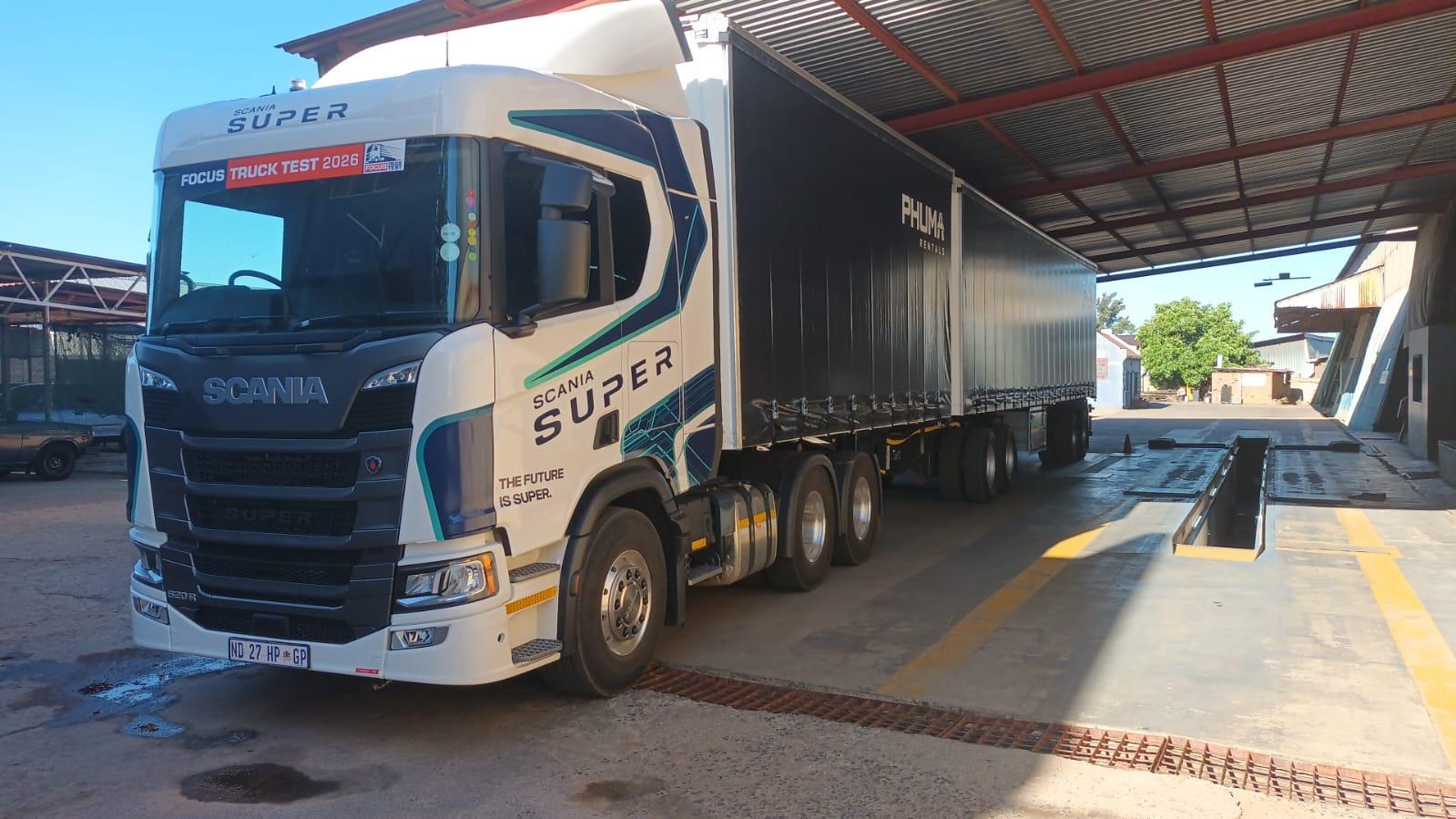
Two trucks, two approaches
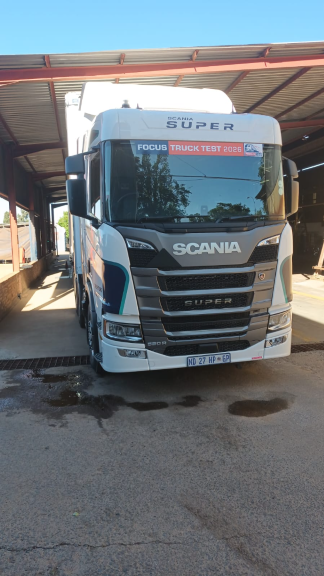
Scania is taking two approaches to the same challenge at Truck Test 2026, which takes place this week on the Johannesburg–Durban–Johannesburg route. Its R520 Euro 3 and R550 Euro 5 may share an R-series badge and 6×4 configuration, but they bring different power outputs, emissions requirements and suspension arrangements to the contest.
That makes the pair worth watching. For South African fleet operators, buying a truck is rarely about choosing the largest engine output on a specification sheet. Fuel expenditure, payload, journey time and vehicle suitability all influence what a truck earns over its working life.
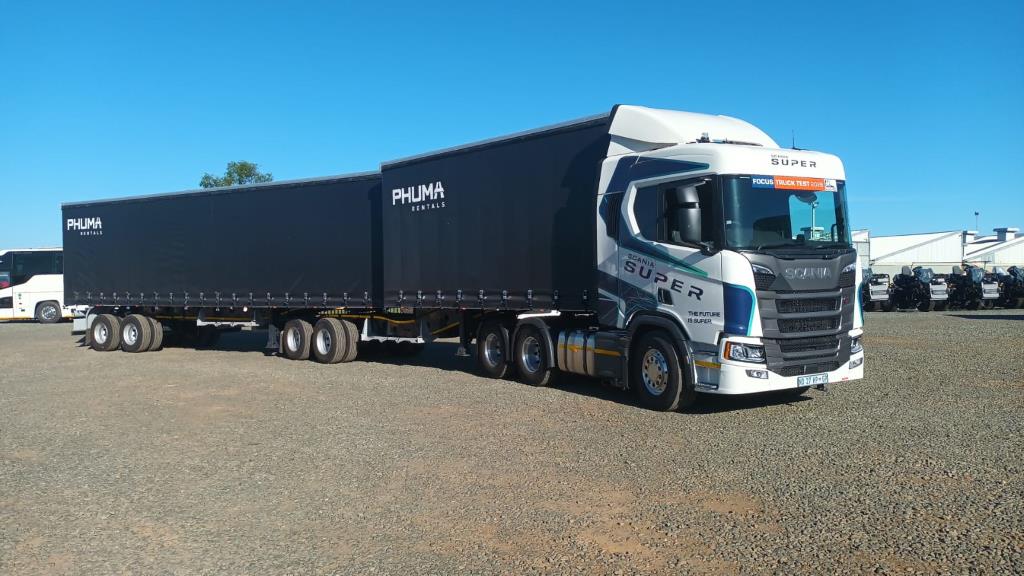
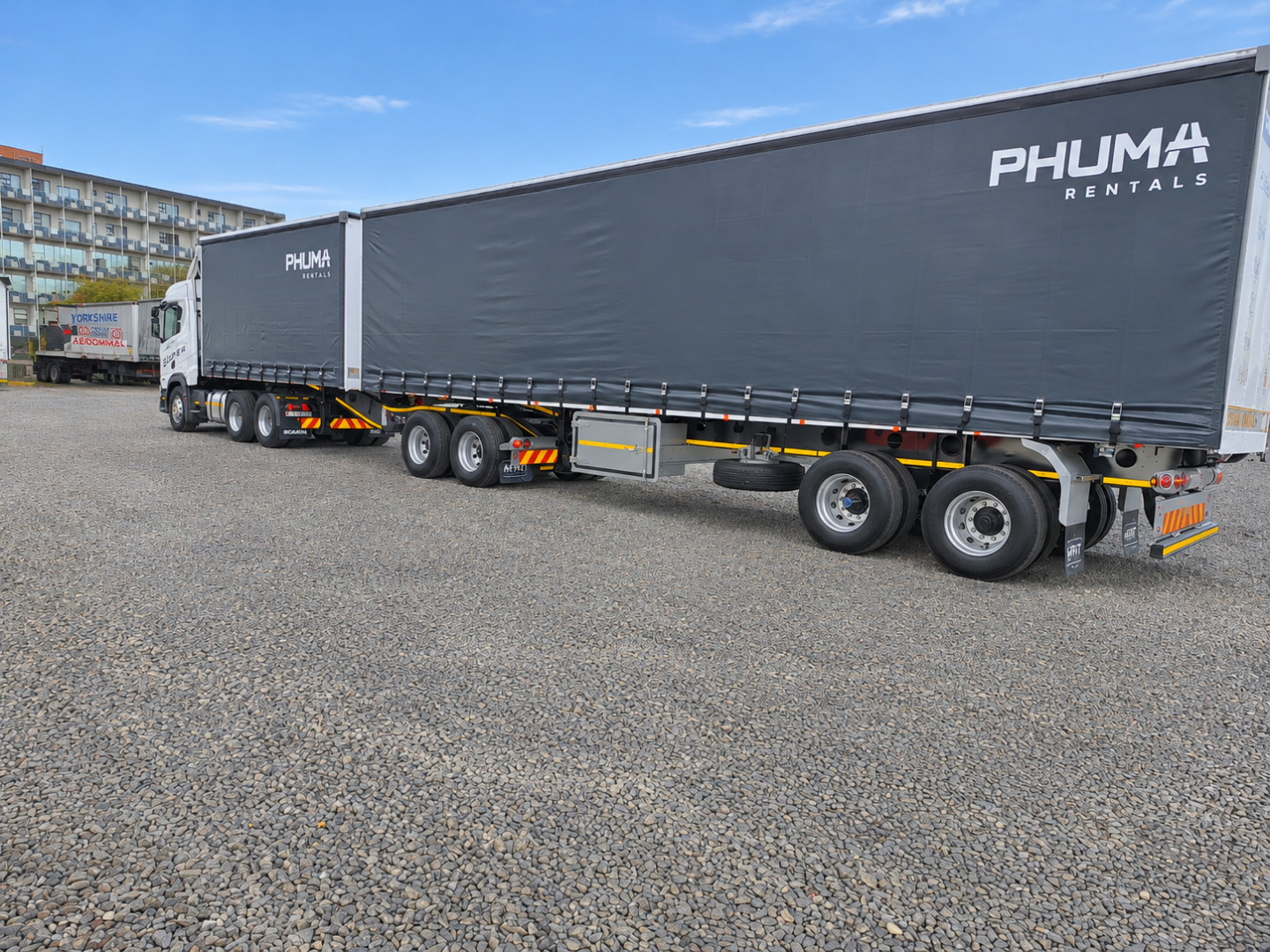
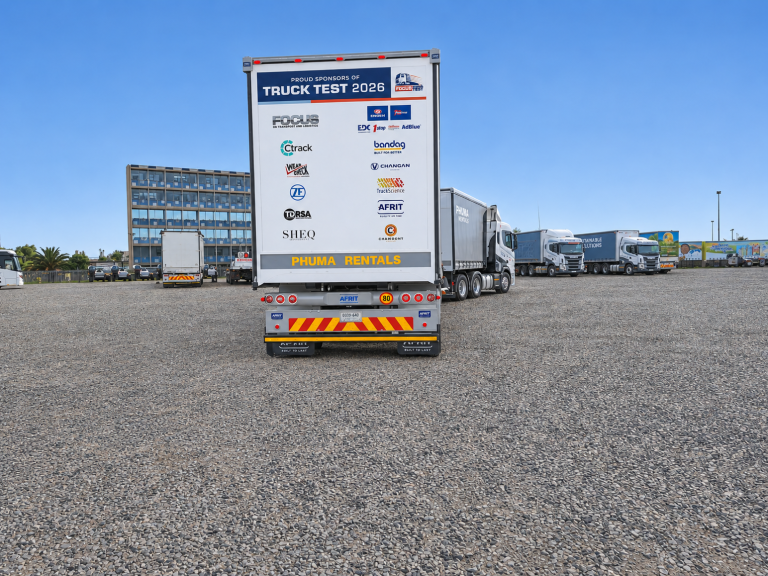
The test will place the Scanias among a sizeable field of extra-heavy truck tractors, operating at comparable gross combination masses of approximately 55.5 to 56 tonnes and pulling standardised Afrit tautliner interlinks. Both must contend with the N3's long climbs, descents and changing traffic conditions.
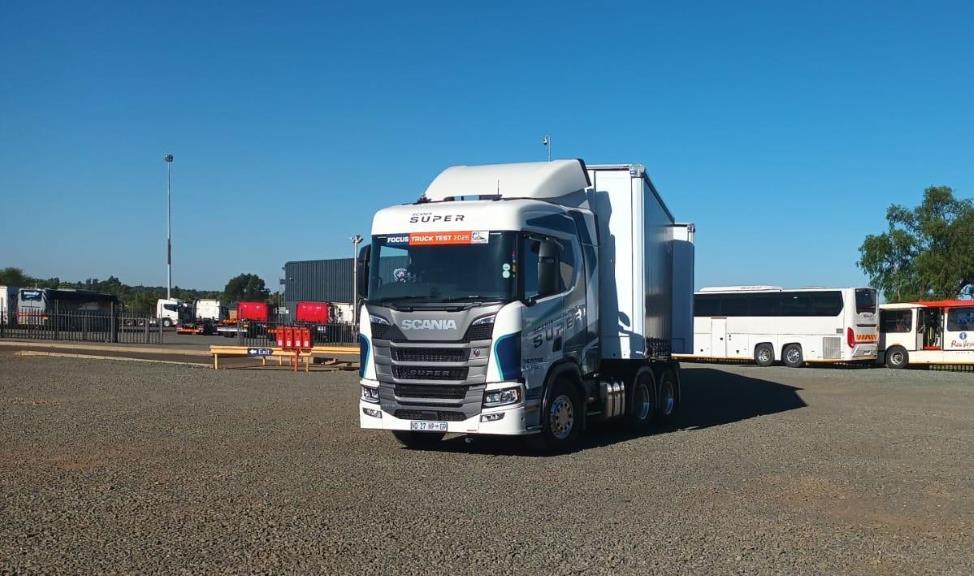
A range of specialist partners will support Truck Test 2026. Engen is the official fuel and lubrication partner, while TruckScience is the official technical data collection and results analysis partner. Afrit is the official trailer partner, Bandag is the official tyre partner, Ctrack is the official telematics partner, WearCheck is the official condition monitoring partner, ZF Aftermarket is the official aftermarket partner and the Changan Hunter is the official bakkie partner of Truck Test 2026. Dekra is the official safety partner. Technical oversight is being provided by Truck Test Technical Director Jayesh “Tiny” Daya.
The R520: Less power, different suspension
The R520A6X4NA CR20N is the Euro 3 entry. According to the specifications supplied for the test, it uses a 12.7-litre six-cylinder diesel engine producing 382kW and 2,650Nm of torque. Its air suspension is another point of interest. Air-suspended vehicles may offer ride and load-management benefits, although actual results depend on configuration and operating conditions. A comfortable ride is valuable on long-haul work, but this test is not a formal assessment of suspension comfort.
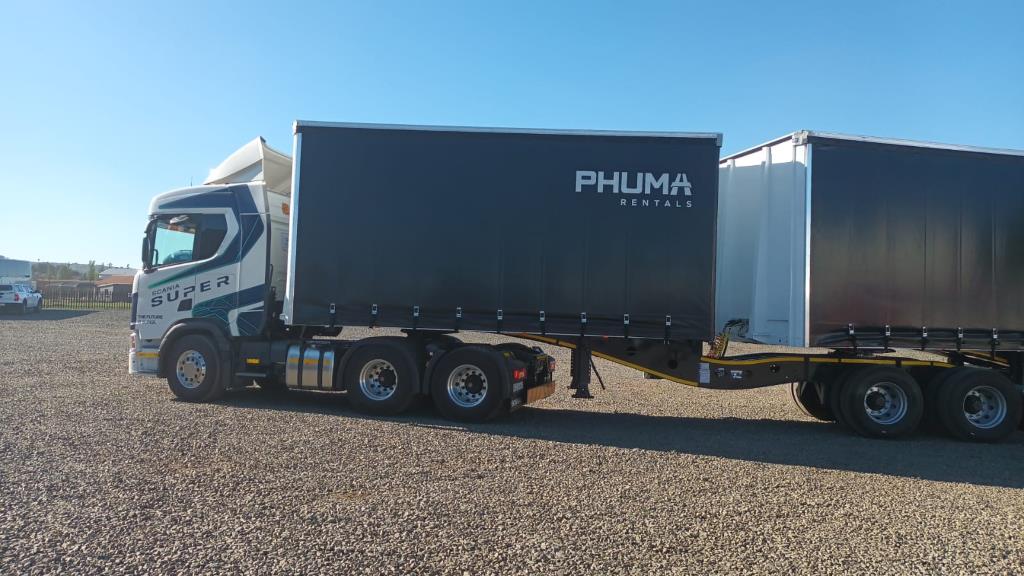
With less rated power than its stablemate, the R520 may face a different balance between climbing performance, gear selection and fuel consumption. There is no guarantee that lower power means lower fuel use, particularly when moving a combination close to 56 tonnes over demanding terrain.
The R550: Power with AdBlue needed
The R550A6X4NZ CR20N enters in Euro 5 specification, with a 12.7-litre six-cylinder engine rated at 404kW and 2,800Nm. It also has steel suspension rather than the R520's air suspension. Those additional 22kW and 150Nm may be useful on sustained climbs, but extra power alone does not establish which truck will complete the route more efficiently. Engine characteristics, driveline configuration, vehicle mass and driver behaviour will also influence the outcome.
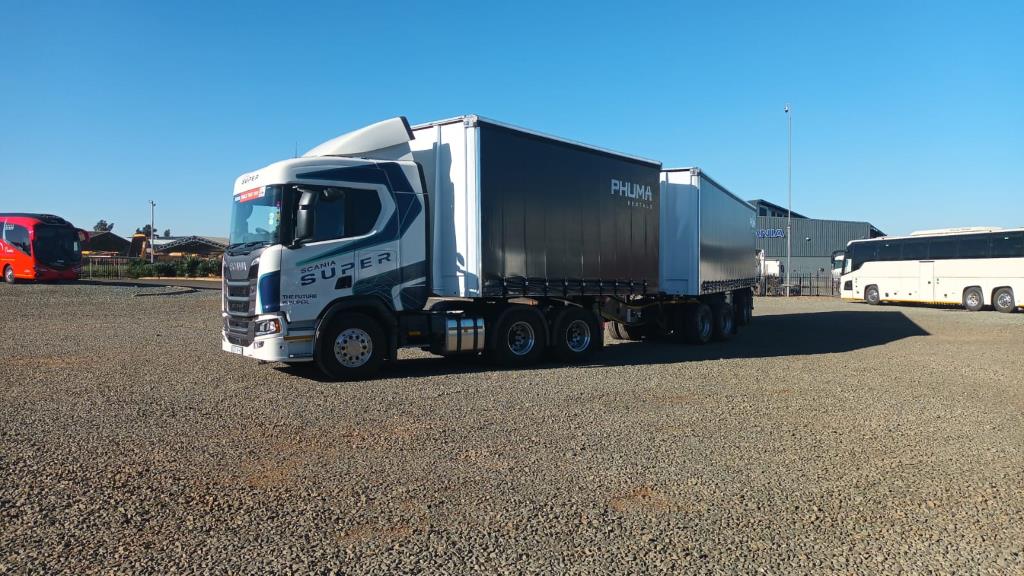
Unlike the Euro 3 entry, the R550 requires AdBlue as part of its emissions-control system. That makes fluid consumption an important element of its operating cost. Diesel use cannot be considered in isolation when comparing the economics of vehicles with different emissions technologies. Scania's decision to enter both configurations creates an opportunity to observe two approaches available to operators in a market where Euro 3 and Euro 5 vehicles work alongside each other.
The N3 will test more than horsepower
Truck Test is designed to measure work done, not simply how rapidly a vehicle reaches its destination. Fuel consumption, elapsed time and productivity will feed into the assessment, with independent analysis conducted by TruckScience. The demanding return climb from KwaZulu-Natal towards Gauteng will be especially revealing. Moving a heavy combination uphill requires sustained torque and careful management of engine speed. A truck that climbs strongly might save time, but the fuel required to do so remains part of the equation.
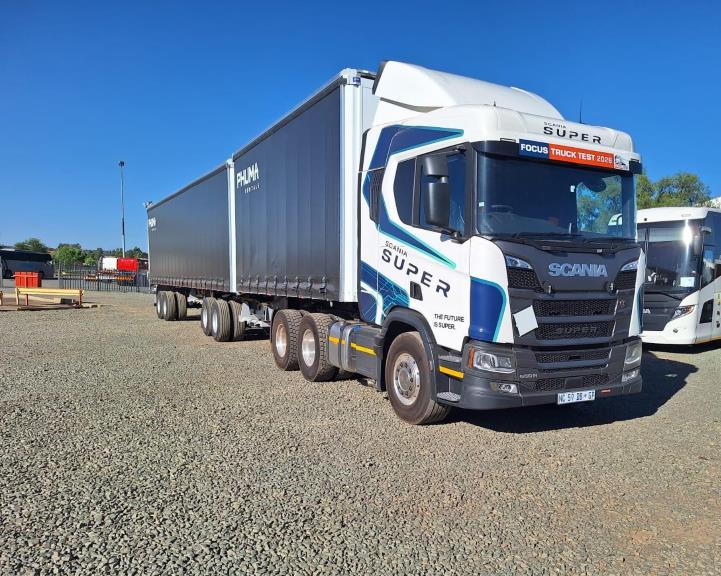
Traffic interruptions, wind and road conditions can all influence the figures. Standardised procedures and loads are intended to make comparisons meaningful, although no road test can eliminate every variable. There is also a broader caution: this is a comparison of complete vehicles, not a laboratory experiment isolating Euro 3 against Euro 5, or steel suspension against air suspension. Differences between the Scanias cannot automatically be attributed to one feature.
What operators should watch
The results will be more useful than an argument over which truck has the more impressive headline figures. Operators should examine consumption alongside average speed, payload productivity and the demands of their own routes.
One fleet may prioritise fuel used per trip. Another may place greater value on consistent journey times, maintenance requirements or driver acceptance. The lowest diesel figure is not necessarily the lowest overall operating cost.
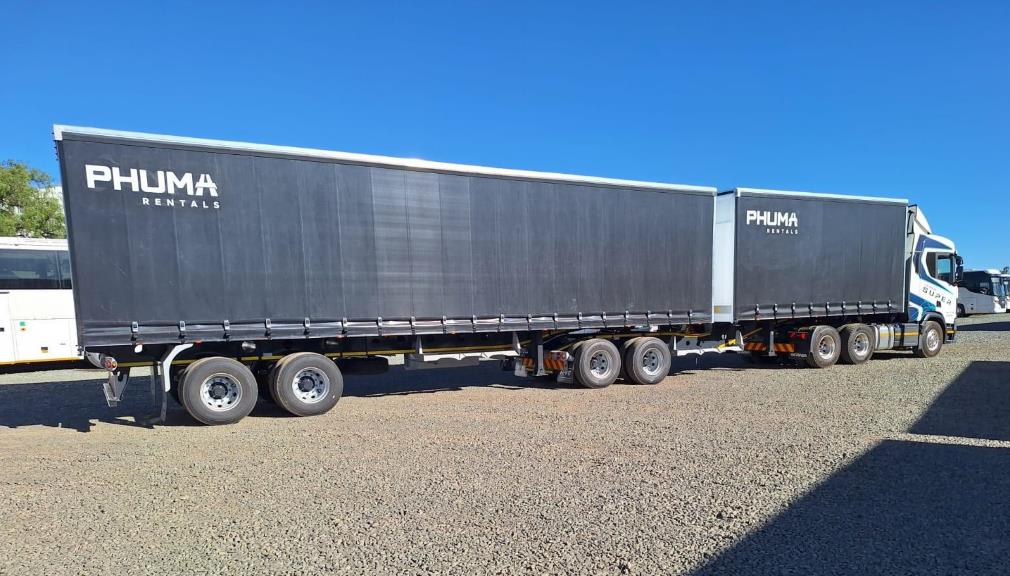
Scania's two entries offer an intriguing comparison because their specifications reflect choices faced by transport businesses. Whether the higher-powered Euro 5 truck or the Euro 3 alternative delivers the more compelling outcome will be decided on the road, not in the brochure.
The official results will be announced on 19 November. May the best Scania triumph!