
Which excavator is right for you?
Excavators are heavy construction equipment consisting of a boom, dipper (or stick), bucket and cab on a rotating platform known as the "house". The house sits atop an undercarriage with tracks or wheels. These machines are vital to many industries and projects: from general contracting, grading, and pipe laying projects to mass excavation, demolition, and clearing jobs, having the right excavator is key to achieving results.


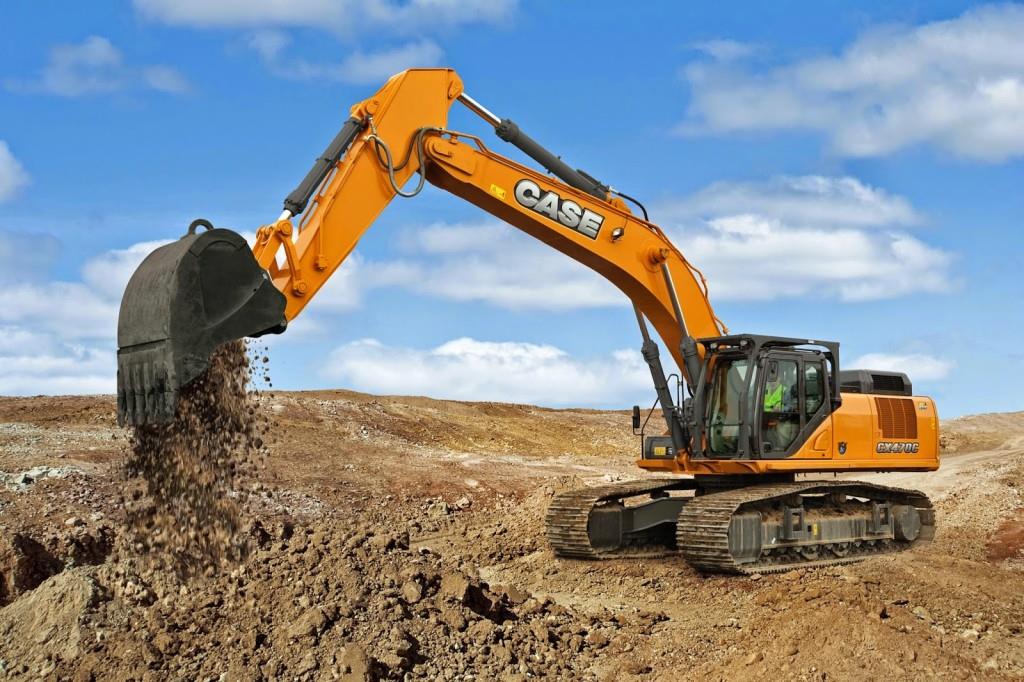
The best excavator for your money will provide the necessary power and productivity with the lowest operating costs. Prices of excavators vary by size, weight, type, and bucket dimension. When you determine the exact specifications of each element, you will have a clear idea of which excavator will support your projects and standards.
Available excavator types and sizes include mini and compact, midi, standard and large.
1. Mini and Compact Excavators:
The difference between a mini- and a compact excavator is that a mini is smaller and lighter than a compact one, which can handle a bit more weight. A mini excavator is ideal for operating in tight, confined spaces. Compact and mini equipment are the most mobile and fuel-efficient excavators, making them perfect for smaller jobs. Their excellent transportability makes them a top priority for owners who operate at different locations.
2. Midi excavators:
Midi excavators can provide increased reach, dig depth, and power in small areas, compared to compact versions. Midis have high levels of manoeuvrability for construction work, with some being equipped with zero tail swing.
3. Standard excavators:
Standard excavators are also referred to as crawlers, and make up the largest part of the excavator market. Standard sizes are most common in a commercial construction setting, because of their manoeuvrability and versatile functionality. They also have hydraulic features to handle work tool attachments. Investing in a crawler will give you the freedom to accommodate almost any project.
4. Large excavators:
These are perfect for demolition, construction, truck loading, and other heavy-duty tasks. These workhorses can perform heavy-duty jobs with ease. You will also want to consistently utilize the equipment to achieve high ROI. You don’t often see them in urban environments because they take up excessive space. Large excavators also tear up the ground easier than lightweight units.
Consider the following elements to help narrow down your excavator investment.
1. Engine power:
Your excavator needs the right amount of power to perform a variety of jobs. Check the bore and pin stroke specifications to make machine comparisons. You can also look at the hydraulic system when scoping out the power of an engine, as powerful hydraulics improve productivity and efficiency.
2. Bucket capacity:
Buckets are one of the most popular excavator attachments to boost the machine’s versatility. What are the maximum volumes and weights of materials you plan to move? Think about what type of buckets the excavator engine supports, and its maximum capacity. The addition of couplers can also change the capacity of an excavator’s bucket attachment.
3. Digging depth:
The smartest thing you can do is invest in an excavator that falls into your common depth category, and if necessary, rent other equipment case-by-case for larger depths. Determine what your future projects mandate and how deep you want to dig. What reach do you require, and can you apply boom attachments with different lengths?
4. Counterweight:
Every machine demands the correct amount of counterweight to anchor itself when lifting full loads. Does the machine come with traditional counterweights, or are other options available? Will a counterweight act as a stability option for your job’s lifting requirements?
5. Weight:
What’s the maximum operating weight of the excavator, compared to what your company requires? A unit that’s too heavy can damage a site, and one that’s too light can increase safety risks and lead to poor performance.
6. Lift capacity:
What materials will you move with an excavator, and what are the highest densities and weights of the supplies? If you plan on using the excavator for material handling, how much lift capacity do you need for different tasks like earthmoving and material lifting?
7. Ergonomics:
It’s essential to keep your workers comfortable when operating heavy machinery, helping to improve safety and morale. Inspect the different entry points to the excavators, and pay attention to other features like visibility, supportive seats, smooth controls, and the climate control functionality in closed cabs.
8. Size:
The dimensions of an excavator matter when you operate on different jobsites. Make sure the equipment can fit alongside other heavy machinery and can move around obstacles.
9. Choose your supplier carefully:
Last but not least, partnering with someone you trust to deliver top-tier machines, as well as maintenance and repairs, is a critical step.