
Agriculture can potentially save S.A from an unemployment crisis
South Africa’s agricultural import and export agreements have proven fruitful and this is why it's so important for government to continue on this path, which can not only see economic growth but also an improvement in job offerings within the sector.


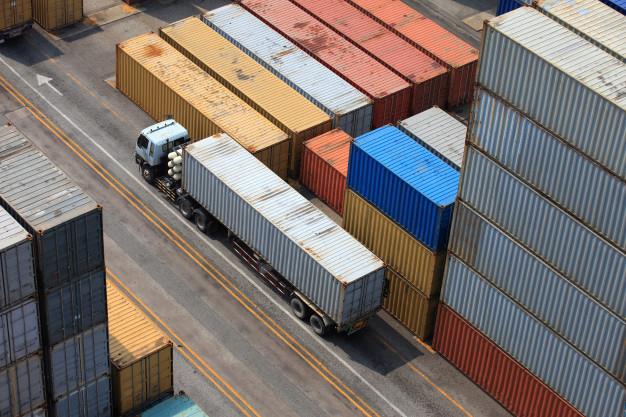

South Africa’s agricultural import and export agreements have proven fruitful and this is why it's so important for government to continue on this path, which can not only see economic growth but also an improvement in job offerings within the sector.
How effective agriculture import and export can improve jobs
We previously discussed the effects of good agricultural investment on the job sector and how the department is investing in creating more jobs by investing in the agricultural sector. Now we look at the effect of foreign trade and how that has an impact on our country and those that live in it.
What do the numbers say?
In 2017 the South African import value of agricultural products reached just under R87 billion which was a decrease of -5% compared to that of the previous year. Imports of agricultural products in 2017 were led by processed products which included prepared foods, meat, sugar and beverages. Our agricultural export value in 2017 reached around R126,82 billion. This was mostly due to a decent fruit and grain production season coupled with a weaker exchange rate.
Agreements with the UK
The United Kingdom and South Africa have recently reached a trade agreement that will be put into place once Britain leaves the European Union. This agreement will be based on the current economic partnership treaty between South Africa and the EU. The UK is however South Africa’s seventh largest trading partner and EU’s second biggest trading partner. The export value of agricultural products that were exported to the UK increased by +0,4% in 2017, from R46,3 billion in 2016 to R46,5 billion in 2017. During 2017, about 30% of South Africa’s fruit exports and 25% of all wines were exported to the United Kingdom.
The UK has created something called an Export Fund which has made extra funds available for UK companies that export to our country as well as South African companies which are currently importing from UK. This fund has been implemented in order to boost trade between the two countries post-Brexit. The import value of South Africa’s agricultural products imported from the UK increased by +4,8% in 2017 to R33,2 billion.
Agreements closer to home
Closer to home however, the African Continental Free Trade Area agreement has also been implemented and it will provide preferential market access for agricultural, forestry and fisheries products as well as deepen Africa’s market integration. The aim of this agreement is to boost intra-African trade between participating countries. Other benefits of this agreement will also increase exports and accelerate the diversification of the export market from traditional markets. This will benefit the economy of South Africa and create much needed jobs within the sector.
South African agricultural products, however, continue to benefit from the Free Trade Agreement of the Southern African Customs Union and the European Free Trade Association. This agreement has been in place for almost ten years. The exports of South African agricultural products has, since the implementation, increased from R527 million in 2008 to a value of R712 million in recent years.
The Southern African Development Community and the European Union Economic Partnership Agreement, which was entered into on the 10th of October 2016 has provided for newer and better market access for South Africa’s fisheries and certain agricultural products such as sugar, flowers, some fruits as well as wines. It is under this arrangement that South Africa has, for the first time been able to export around 141 000 tons of sugar to the European Union during 2017.
It is these kind of trade agreements that are helping to improve the agricultural sector as well as all supporting sectors. Government needs to focus on improving the production of agricultural goods and in doing so will be able to create jobs as well as improve our economic situation. It can be concluded that trade within Africa as well as abroad is of vital importance.