
African Swine Fever
Reports of African Swine Fever are coming in from the North West Province, Mpumalanga, the Free State and even Gauteng. The South African Department of Agriculture, Land Reform and Rural Development has taken the initiative to embarking on campaigns to remedy these affected areas. Here is what you need to know.


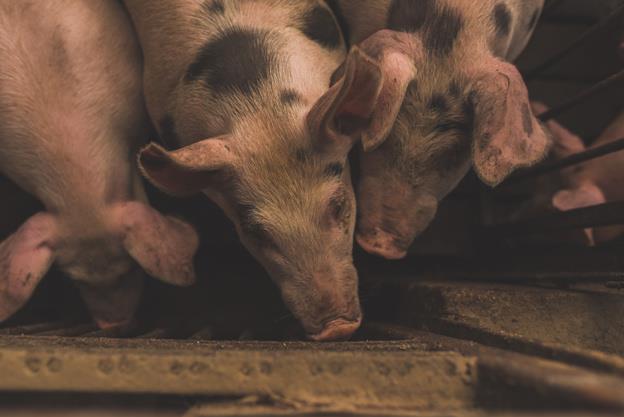
Swine flu outbreak
In April 2019 there were reports of an outbreak of African Swine Fever in the North West Province. Since then, two more outbreaks have been identified outside of the ASF controlled area of South Africa. The two outbreaks have occurred in Delmas which is in Mpumalanga and in Daveyton, Gauteng.
There have recently been further outbreaks of African swine fever, or ASF for short, reported in areas of the North West, Gauteng, Free State and Mpumalanga Provinces. The South African Department of Agriculture, Land Reform and Rural Development has taken the initiative to embarking on roadshows as well as awareness campaigns to meet with farmers and pork producers, affected communities and the public at large to better educate them on this issue.
What is ASF?
Some tend to think that Swine Flu and African Swine Fever are the same thing however studies have shown that they are in fact different and are caused by different viruses. Swine Flu basically refers to influenza in pigs. Back in the spring of 2009 a group of scientists documented a particular strain of flu known as H1N1. H1N1 is actually a permutation of viruses from pigs, birds and humans. During the 2009-10 flu season, H1N1 caused the respiratory infection in humans the world over and has since then been known as swine flu.
African Swine Fever however is a highly severe viral disease affecting domestic pig as well as those in the wild. Over the years, African Swine Fever has been responsible for serious production and economic losses. It is known as a transboundary disease and can be spread through living or dead pigs. Studies have shown that transmission can also occur via contaminated feed and through non-living objects such as through shoes and clothes worn by workers, vehicles used to transport, knives and other equipment. Outbreaks of the virus have been reported in Africa and parts of Europe, South America and more recently in Asia.
Signs of infections
Doctors have identified various signs of African Swine Fever which include symptoms such as high fever, depression, loss of appetite and anorexia. Haemorrhages in the skin (redness of skin on ears, abdomen and legs) are also indications as are vomiting, diarrhoea. Unfortunately mortality rates may be as high as 100%. Thankfully though the virus is not harmful to humans and only affects other pigs.
The department’s efforts
Provincial Departments of Agriculture together with Animal Health Promotion and in collaboration with the Pork Producers Association will be conducting various African Swine Fever awareness campaigns to educate farmers as well as various pork producers on the prevention of the disease, the transmission as well as the spread of the African Swine Fever disease. These discussions will encompass information regarding the risk of feeding pigs kitchen waste and garbage, the risk of buying from unknown pork sources, the public health risks, symptoms to look out for as well as highlighting other prevention and control elements of the African Swine Fever disease.
Quick facts about ASF:
- There is no vaccine for African Swine Fever
- Prevention is better than cure
- It kills almost all infected pigs
- There is no treatment for affected pigs
The disease is transmitted by various sources such as:
- Ingestion of contaminated material (e.g., food waste, feed, or garbage)
- Biological vectors (soft ticks)
- Contact with infected wild or domestic pigs
- Contaminated fomites (people, vehicles, equipment, shoes)
Steps of prevention
The affected areas where the ASF disease has been identified have been placed under quarantine and the PVS (Provincial Veterinary Services) are applying the necessary disease control measures in these areas. The involved veterinary services together with industry players are conducting follow-up investigations to try and trace the origin of the disease. They are also in the process of trying to identify other farms that may possibly be affected with the ASF virus.
The Provincial Departments of Agriculture together with Animal Health Promotion are encouraging farmers and pork producers to be highly vigilant and to report any sudden illness and deaths of their pigs to the local State Veterinarian.