Volkswagen Tiguan (2021) Review – The GTI of SUVs gets even better
Volkswagen’s Tiguan just received a fairly comprehensive facelift, with a re-structured range, cosmetic updates, and the latest in-car technology. Spending time in the (current) range-topping 2.0 TSI 4Motion R-Line soon demonstrated why this model is held in such high regard, and how it became even better with its latest round of upgrades.


The specification sheet reads like a boy racer’s dream: A Golf GTI engine, quick-shifting dual-clutch gearbox, sporty alloy wheels, and aggressive body styling. All this, combined with the practical virtues of the good-looking Tiguan SUV body style, means that the Volkswagen Tiguan 2.0 TSI 4Motion R-Line has come to be seen as the GTI of SUVs. And, like the newest Golf GTI, the latest Tiguan offers more of the same recipe, only honed to an even sharper edge.
Related: Shop for new and used Volkswagen Tiguan and Tiguan Allspace cars for sale here.
Styling
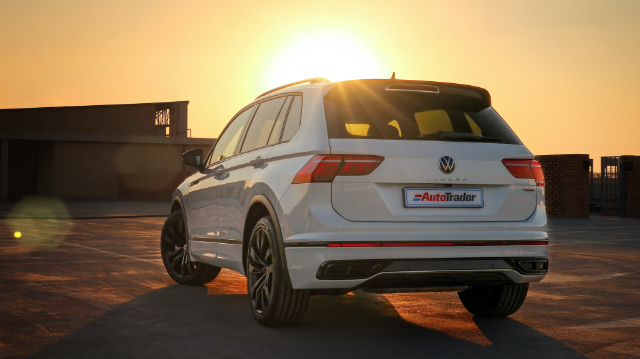
This is one area where Volkswagen didn’t really need to do all that much, because the second-generation Tiguan has always been a very handsome interpretation of the mid-sized SUV theme. Consequently, the new Tiguan’s cosmetic changes are quite restrained, to the point where you’d really need to concentrate to spot the changes.
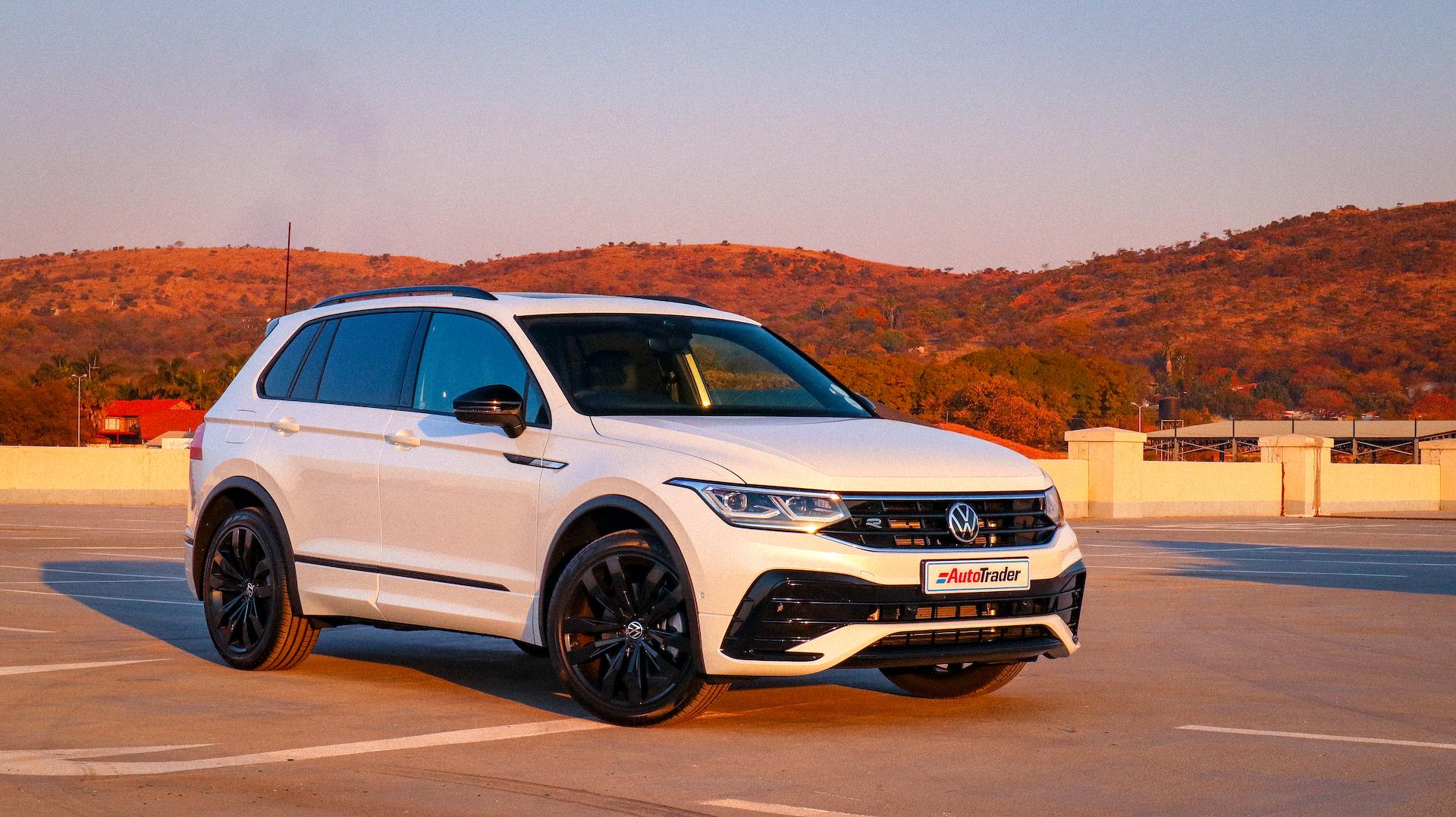
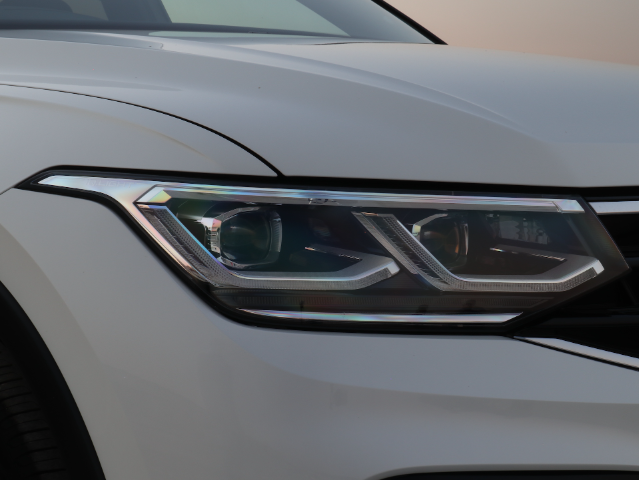
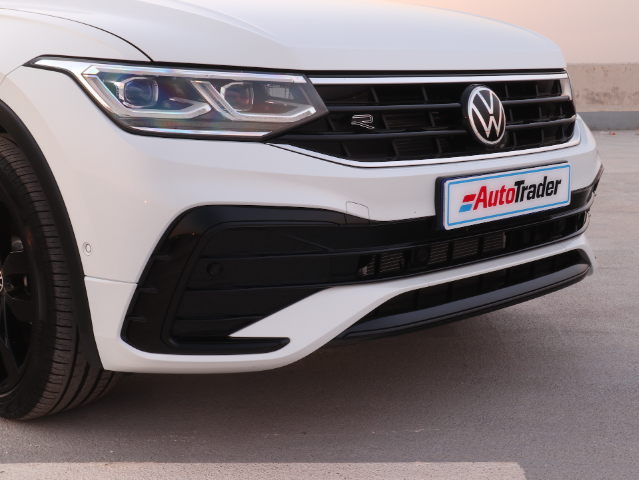
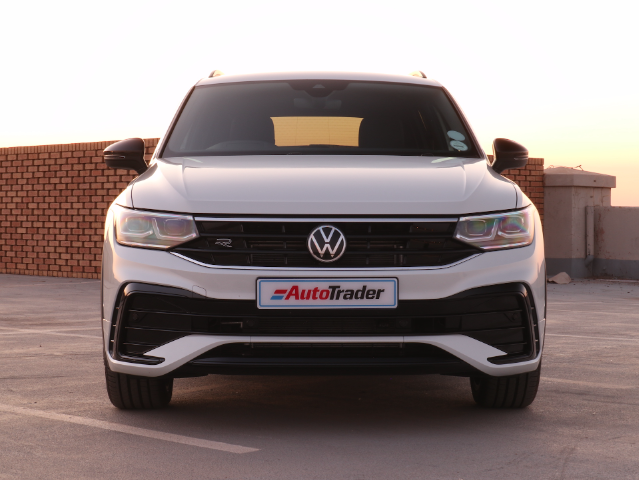
The most obvious restyling happened at the Tiguan’s front end, where the grille has grown slightly wider and the headlight clusters are slimmed-down a tad. The headlights (now LED as standard across the range) incorporate a similar rearward extension to that seen on the Golf 8, while the DRL signature also ties into the current corporate VW look.
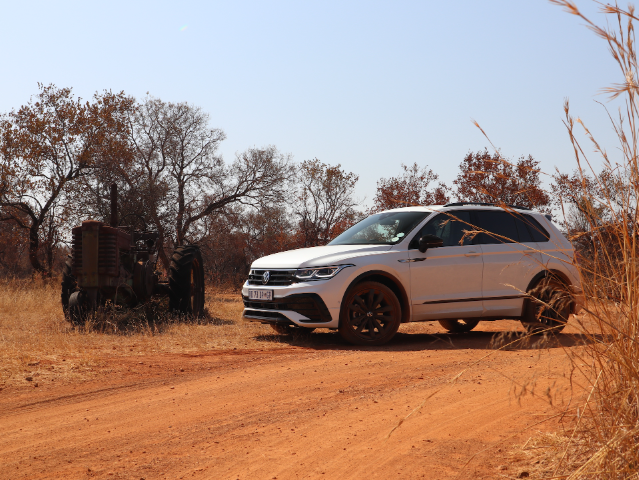
Rounding off our test vehicle’s nose is a redesigned bumper with an enlarged lower air intake, with most of the trim pieces blacked-out as part of the optional Black Style Package. This styling add-on also includes gloss-black mirror caps, black roof rails, rear privacy glass, and black 20-inch “Suzuka” wheels, adding some nice contrast to this particular car’s pearlescent white paintwork.
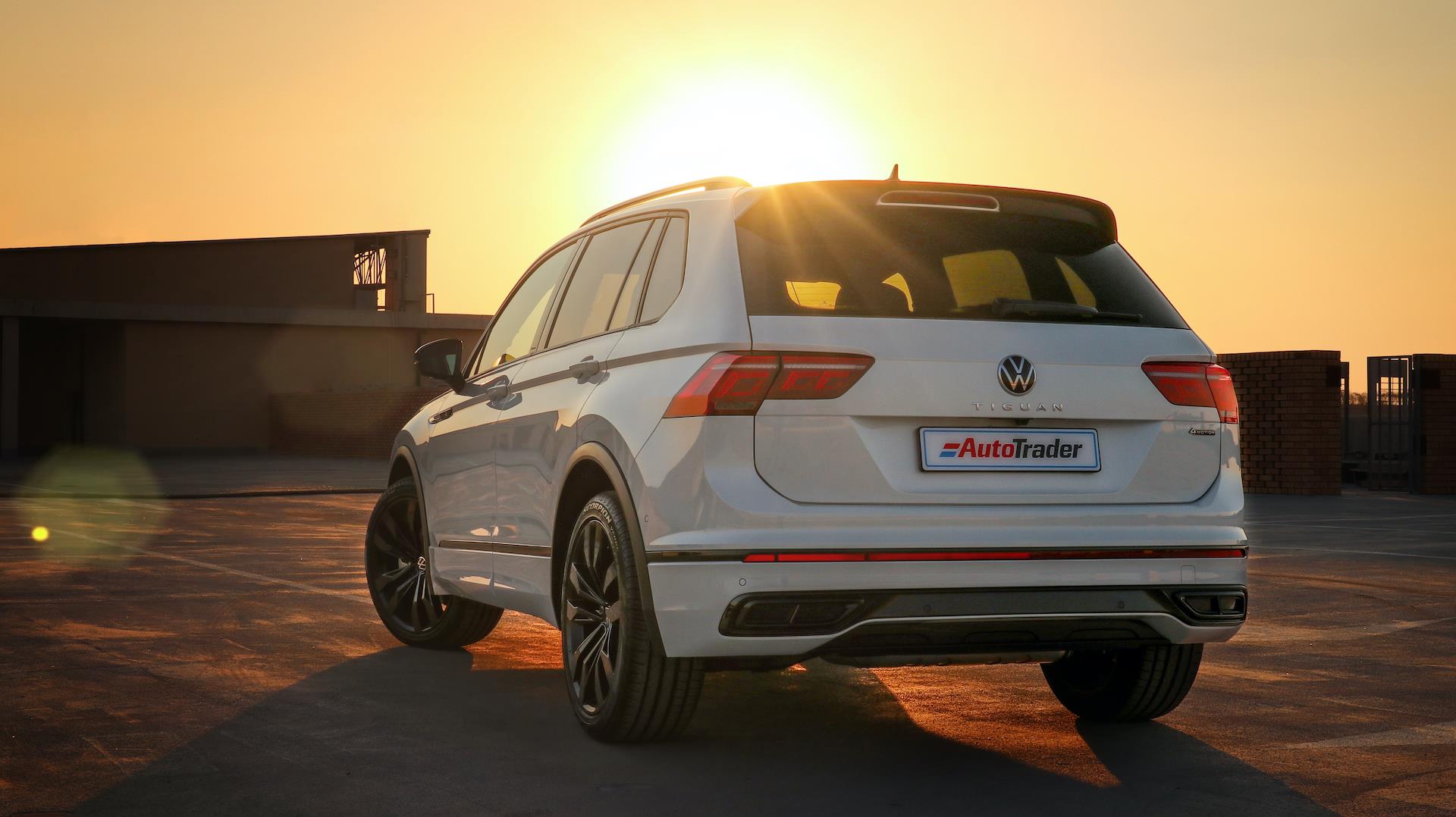
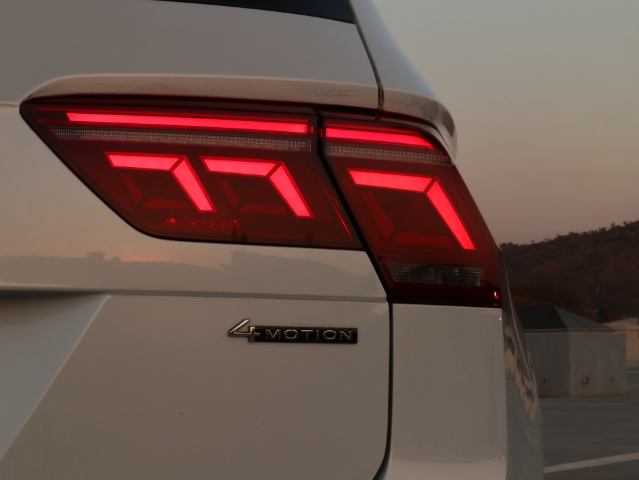
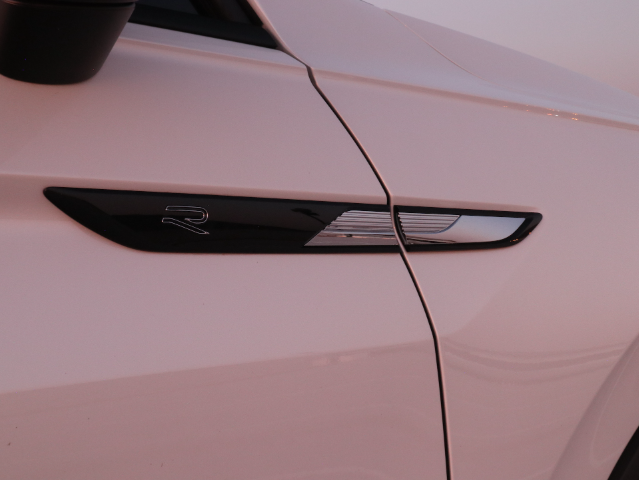
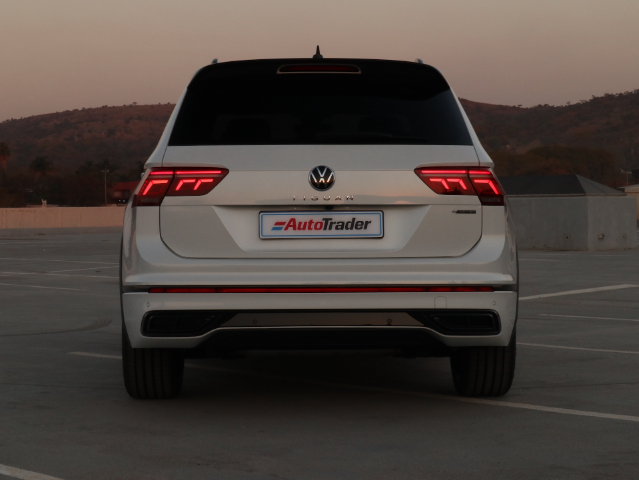
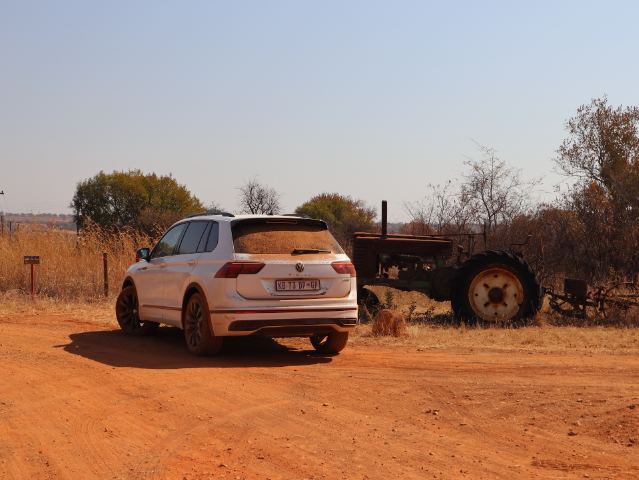
The sharp creases down its flanks remain as before, with only a redesigned “R-Line” trim inlay in the fenders really identifying the new model in its side-on view. From the rear, the most obvious change is the relocation of the “Tiguan” lettering to below the new-style VW badge, although the LED tail light clusters (incorporating VW’s cool sequential indicators) and bumper detailing also came in for slight revisions.
Performance
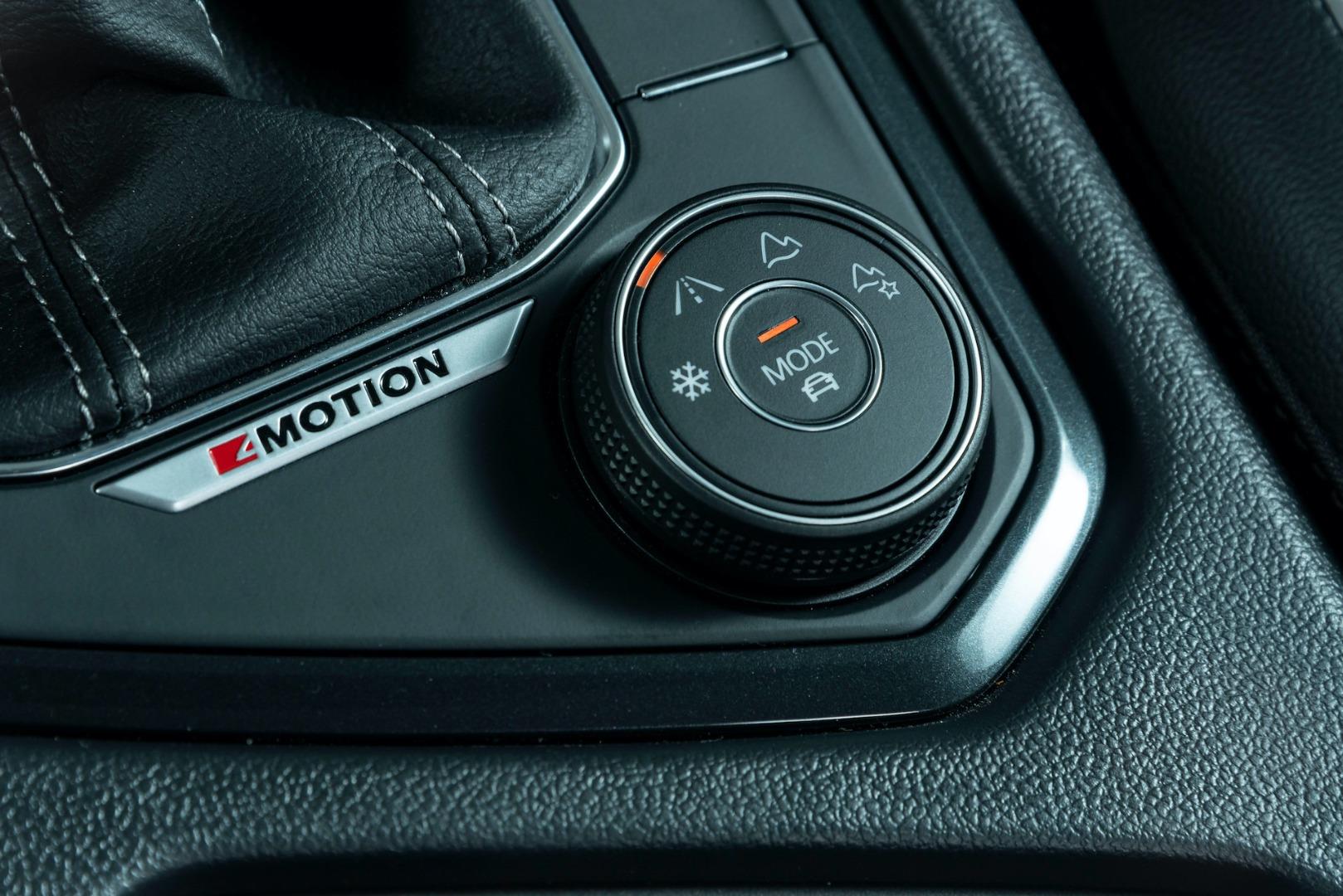
For the time being, this is the hottest Tiguan available in South Africa, but 2022 should see the arrival of a fire-breathing Tiguan R to properly cap the range. In the Tiguan 2.0 TSI, Volkswagen’s EA888 engine is used as it was in the GTI 7.5, tuned to deliver 162 kW and 350 Nm, but mated to a 7-speed dual-clutch automatic gearbox and 4Motion on-demand all-wheel drive.
The resulting performance claims are rather rapid for an SUV in this size- and price class, with a 0 – 100 km/h dash dispatched in only 6.5 seconds, and with its top speed capped at 225 km/h. It feels about as quick on-road as well, with the gearbox well-programmed to take advantage of the engine’s torque plateau from 1 500 – 4 400 r/min for strong overtaking performance and effortless cruising ability.
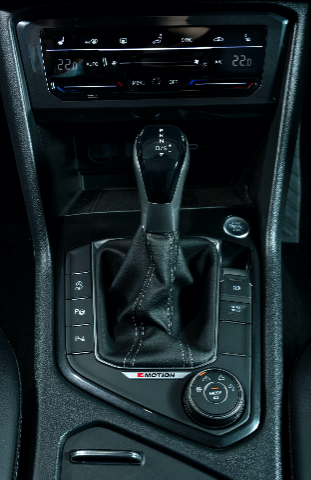
Gearshifts are rather languid in any driving mode except “Sport”, however, with smoothness in general driving being a clear priority over all-out sharpness. Conversely, downshifts are usually delayed until the driver applies more than mild accelerator pressure, relying on the broad torque spread for acceleration instead of sending the revs screaming. This makes for deceptively rapid progress as well as reduced engine noise and lower fuel consumption – an appropriate compromise for a vehicle of this type.

The Drive
There’s nothing particularly special about the way the new Tiguan drives – it feels like pretty much any other MQB-platform car behind the wheel, really, except that its seating position is a bit higher than most. That isn’t a negative, mind you, because MQB cars tend to be exceedingly well-sorted and refined, and the same applies to the new Tiguan.
Some features do stand out as noteworthy, especially for this segment. One example is the variable-ratio steering rack, which gives a quick steering ratio at low speeds and slows down steering response at high speed. The resulting system gives plenty of steering assistance and minimises wheel twirling when parking, while eliminating any sign of nervousness on the freeway.
It’s not particularly communicative (very few such systems are), but it does help the Tiguan to feel smaller than it is in confined areas, and more stable than it has any right to be in high-speed cruising. Outright road grip levels are also quite high, thanks to the 255/40R20 Pirelli Scorpion Verde tyres in each corner, with the chassis control electronics and 4Motion AWD system helping to keep a tight rein on proceedings.
Those composed road manners do exact a toll on ride comfort, however. The sport suspension that comes with the R-Line trim level, combined with the 20-inch wheels which form part of the Black Style Package, conspire to make for a rather abrupt ride quality over quite minor road disturbances. It’s still acceptable on suburban roads and you won’t feel a thing on most freeways, but those in search of ultimate comfort will be much happier with the standard R-Line’s 19-inchers and their taller sidewalls.
Space and Comfort
This is the normal-sized Tiguan, not the supersized Allspace (which is yet to be locally released in facelifted form), so its dimensions conform neatly to the mid-size SUV format. But, even though it’s only a smidge over 4.5-meters in length, clever packaging liberates more cabin- and utility space than you’d imagine.
The cabin is spacious enough to accommodate 4 large adults (or 5 average-sized ones), with plenty of head-, shoulder-, and legroom all round. Versatility is further boosted by a newly-added sliding rear seat, which allows the available space to be allocated between the boot and passenger compartment as needed.
Not that it’s really necessary to rob some passenger space to get a decent-sized boot, mind you. At a minimum (with the rear seat all the way back), there’s 520-litres available under a neat cover, rising to 615-litres with the rear seat moved forwards. For added convenience, our test car was also fitted with touchless electric tailgate operation – standard on all new Tiguans from mid-level “Life” trim upwards.
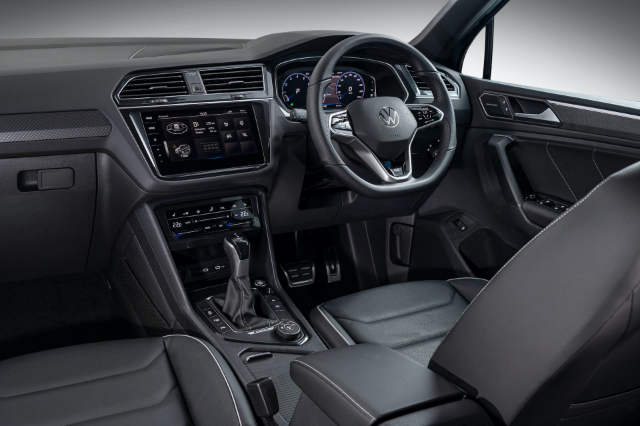
Standard equipment in our top-spec R-Line test car included ambient lighting with 30 colours, “Vienna” leather seats with heating and electric adjustment and 3-position memory in front, VW’s latest digital cockpit, the up-spec “Composition Media” colour touchscreen infotainment system with smartphone mirroring, touch-and-swipe operation for the steering wheel-mounted remote controls, and pushbutton start.
This is on top of an already-comprehensive base spec: all Tiguans feature leather steering wheel trim, LED headlights, cruise control, and the basic “Composition” colour touchscreen infotainment system. “Life” trim adds 3-zone climate control (with intuitive new touch-and-swipe controls), front cornering lights, front- and rear parking sensors, and the aforementioned electric tailgate.

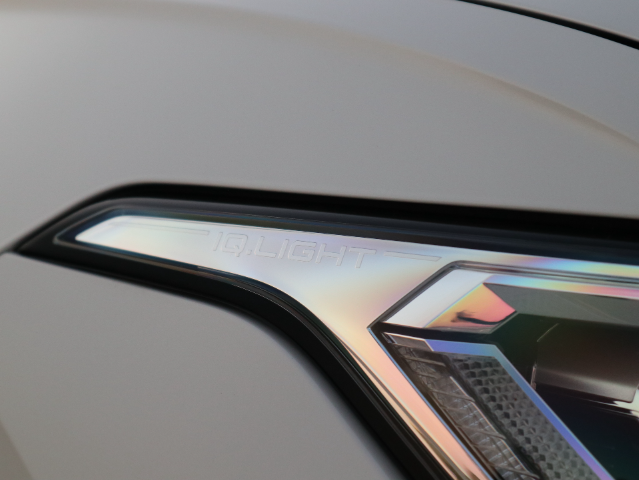
In addition, this test car came kitted with a whole bunch of optional extras, including keyless entry, an opening panoramic sunroof, head-up display, an inductive charging pad, the “Discover Pro” infotainment upgrade with wireless app connect, a rear-view camera (surround view is available as an additional option), a thumping Harman Kardon sound system, IQ Lights (upgrading the standard headlights to adaptive matrix LEDs with 22 individual elements per cluster), and a package named IQ Drive.
The latter adds adaptive cruise control, lane-keeping assist, blind-spot monitoring, park assist, and autonomous emergency braking. However, at this price point, IQ Drive and keyless entry (at the very least) should really be standard equipment, especially for the range-topping R-Line variant.
Safety
The Volkswagen Tiguan received 5 stars in its 2016 Euro NCAP crash test evaluation, with adult occupant protection being particularly strong at 96%. Standard safety kit includes the obligatory ABS with EBD and BAS, stability- and traction control, rear ISOFIX child seat anchors, and 6 airbags. But, as listed above, our test car had numerous additional added-cost safety upgrades, many of which would have been welcomed on the standard specification sheet.
Fuel Consumption
Volkswagen claims that the Tiguan 2.0 TSI 4Motion should consume an average of 8.3 ℓ/100 km, although mixed cycle usage showed 9.8 ℓ/100 km on our test car’s trip computer. Freeway cruising should see low-8 ℓ/100 km figures, but low-speed/stop-go driving (such as in town or in a game reserve) quickly bumps that closer to 12 ℓ/100 km.
That’s respectable real-world economy, but not quite as frugal as we’d have liked. Fuel-savers can however take heart in the news that a 130 kW TDI variant will join the local Tiguan range towards the end of 2021, as the only diesel scheduled for the new range.
Price and Warranty
Stripped off all the nice options fitted to our test car gets you a base Tiguan 2.0 TSI 4Motion R-Line for R 710 000. This would be the preferable configuration, onto which you could then add the full IQ Drive suite (R 25 300), IQ Lights (R 14 000), the Harman Kardon audio upgrade (R 11 400), and maybe the sunroof (R 16 000) if you’re so inclined.
That would take you up to R 776 700 and give you the optimum Tiguan experience. A lot of money, indeed, but not excessive when similar money could also buy a RWD BMW X3 diesel or a top-spec Honda CR-V. Seen against opponents of this ilk, the Tiguan 2.0 TSI R-Line offers a lot more power and represents reasonable value for money.
Warranty cover and service plan are both decent as well, with the OEM warranty running for 3 years or 120 000 km, and the standard service plan operational for 5 years or 90 000 km. The latter can also be upgraded to full and extended maintenance- and service plans, with the most-expensive maintenance plan adding R 114 750 to the price to provide complete peace of mind for 10 years or 300 000 km.
* Pricing includes all taxes and was accurate at the time of publication, but is subject to change.
Verdict
There’s still a lot to like about the Volkswagen Tiguan, and its strong suits have only been amplified with this mid-life facelift. In 2.0 TSI form, it performs very well, offers excellent practicality, and has plenty of available gadgets. This was also the case with the outgoing model, to be honest, but novelties such as the new touch interface and updated connectivity elevate the new car to another level.
The only downside involves the ride quality issues inherent in our test car’s configuration, so best avoid that Black Styling Package in the interest of comfort. Just take a “basic” Tiguan 2.0 TSI 4Motion R-Line with some choice options and enjoy the best of all worlds. It may have the heart of a GTI, but it doesn’t really have to ride and handle like one...
Side note:
If you’re prepared to forego the 2.0-litre’s power and AWD, and settle for a FWD 1.4 TSI R-Line (with 110 kW/250 Nm) instead, you can have the same cosmetic appeal and luxury items for more than R 65 000 less, which seems like a better value proposition. Better yet, opt for the 1.4 TSI Life to get access to the same options list, lose out on the R-Line’s dramatic looks, but save another R 58 000 and get an even smoother ride. Adding up these savings will leave enough spare change to include that 10 year/300 000 km maintenance plan for rather less than a 2.0 TSI R-Line’s pricetag, which will be really helpful if you want to keep your new Tiguan for a very long time.