Renault Triber 1.0 Prestige review (2021): Surprise sales hit micro-MPV has found its niche
There has been a resurgence in the small MPV market locally, with new entrants joining on a regular basis as South Africans look for more space per Rand spent. A surprise sales success in this segment has been the budget-friendly Renault Triber, which arrived for a weeklong stay recently.


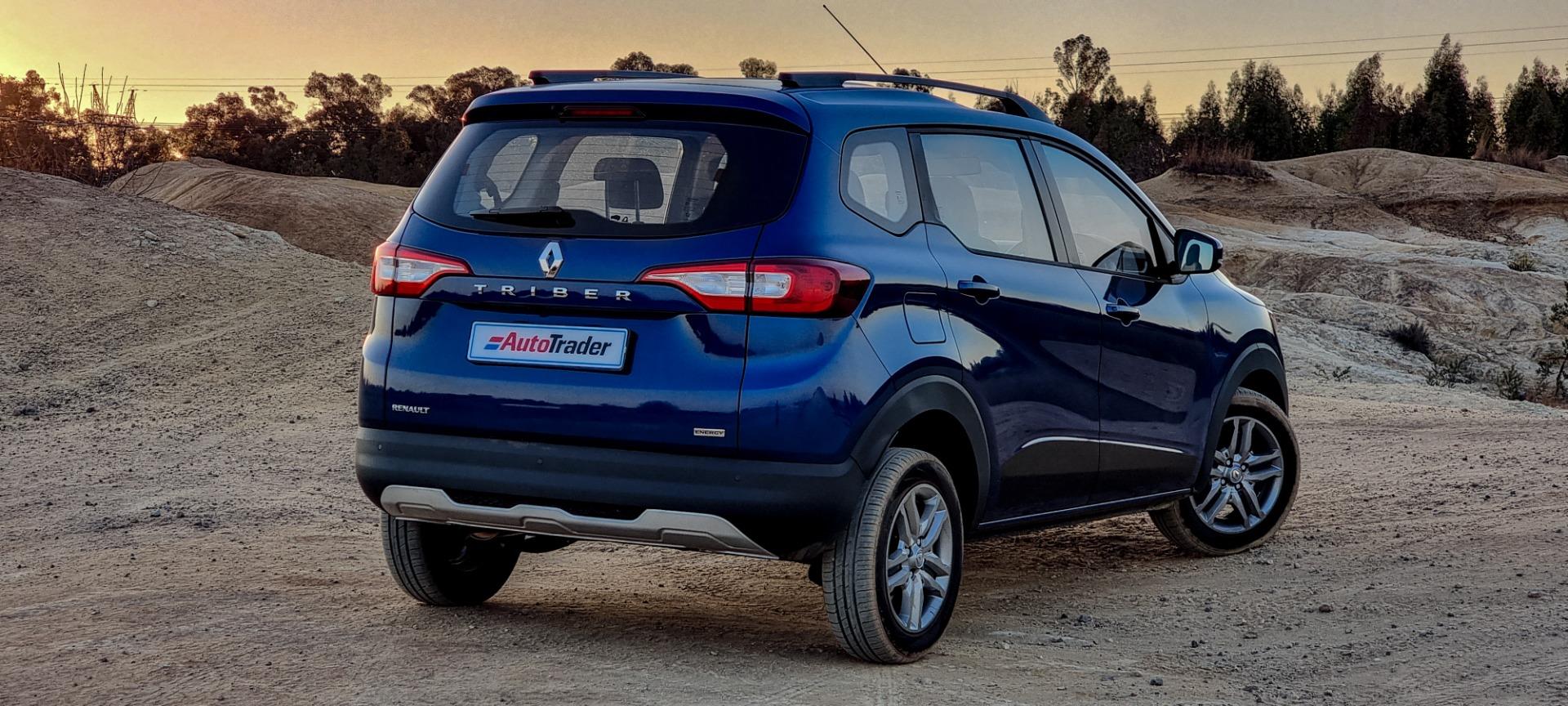
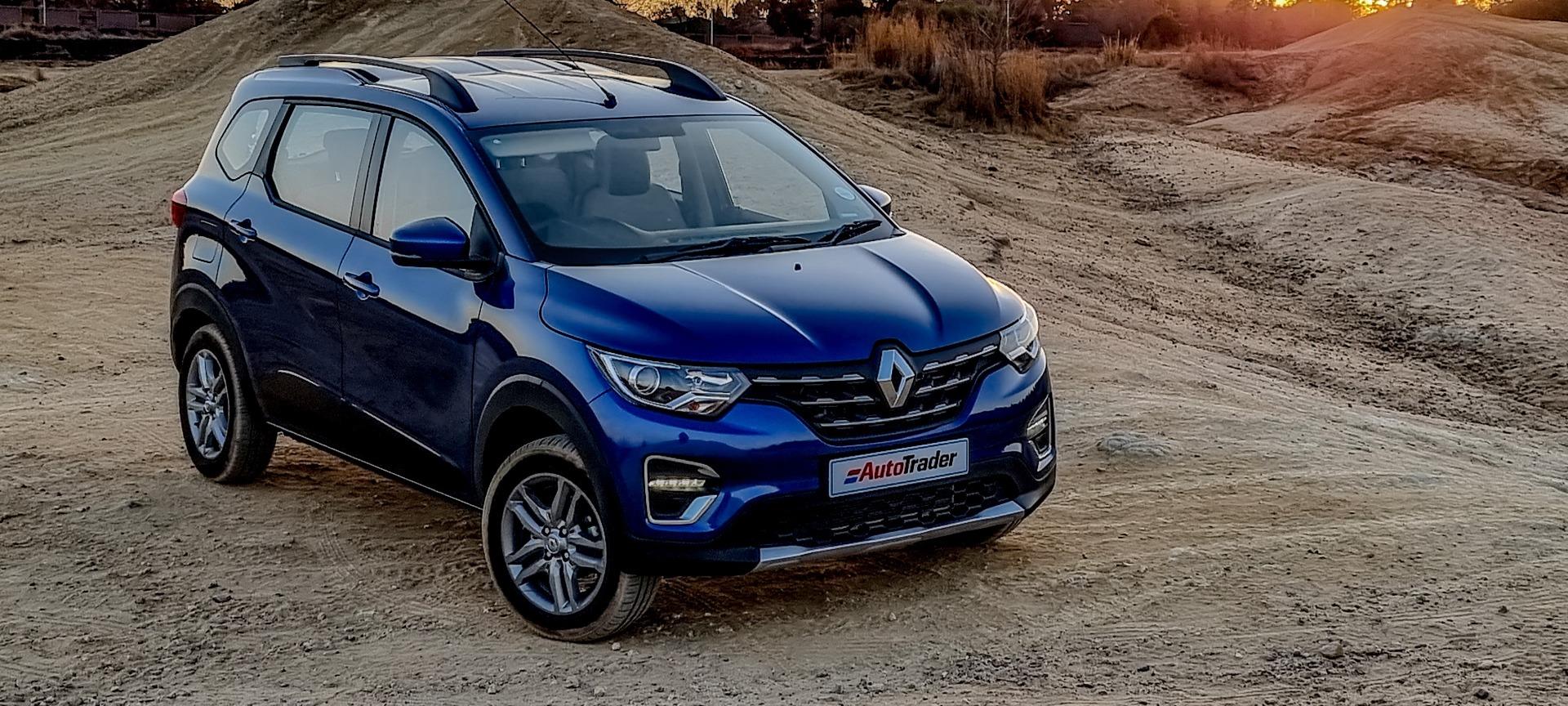
The small MPV segment is an automotive niche that we were convinced had seen its time come and go in the South African market, but we were mistaken, as manufacturers have released small and medium MPVs at appealing price points that consumers are finding favour with. The Renault Triber is smaller than the likes of the Suzuki Ertiga and upcoming Toyota Rumion and is also quite a bit cheaper, which has secured it an impressive number of unit sales during its 21 months in the local market.
When speaking to the folks and Renault, they outlined the average Triber customer, which according to their data, is a middle to an older-age female that needs the vehicle to transport children and family members, making the 7-seat Triber, with its low list price and large interior an unsurprisingly tempting proposition. A mildly updated Triber was released recently, and we had an opportunity to drive one for a week to see what has changed.
Styling
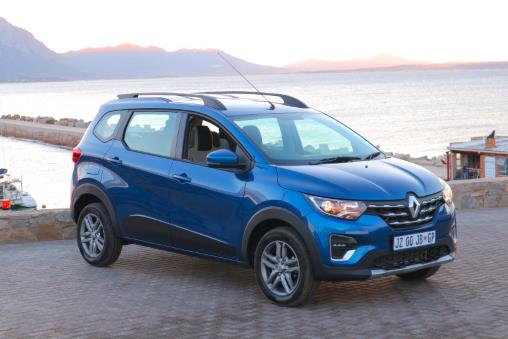
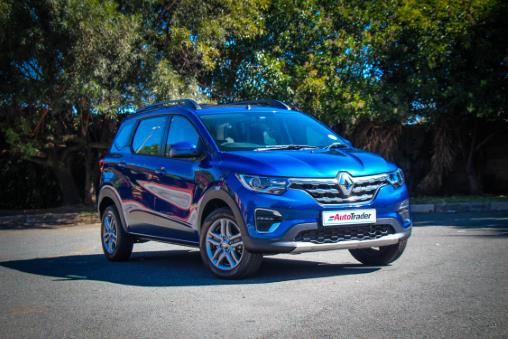
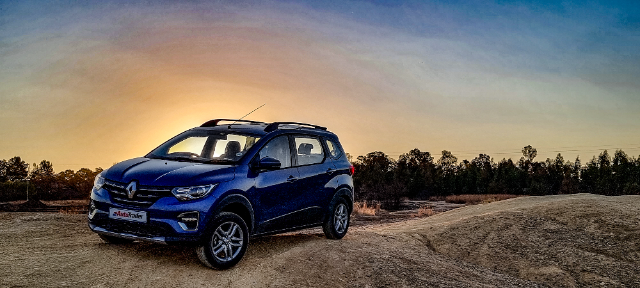
The Triber is a small MPV, meaning that style isn’t high on the list of potential buyers’ priorities. Additions to the updated model include LED indicators incorporated into the side mirrors while 15-inch alloy wheels, chrome accents and the brand’s familiar corporate front end design shine through in what is a slightly awkward looking product that straddles the line between an SUV and an MPV.

Interior and space
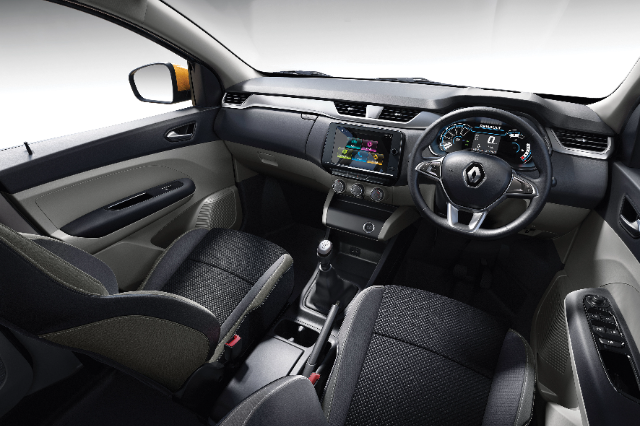
Inside, the Triber is nearly identical to the older version but gets steering-mounted controls, a dual-tone hooter, the addition of an air vent for the second and third row of seats as well as a 6-way adjustable driver’s seat. The general fit and finish is not of the highest quality, but then again, this is a cheap car, so this is to be expected.
In terms of standard features, there is a multifunction steering wheel, airconditioning, keyless start/entry, front and rear electric windows, cloth seats, LED daytime running lights, rear Park Distance Control and roof rails.

The infotainment system features an 8.0-inch colour touchscreen with navigation, Apple CarPlay, Android Auto functionality and a reverse camera. The system works relatively well and is a welcome addition at this price point.
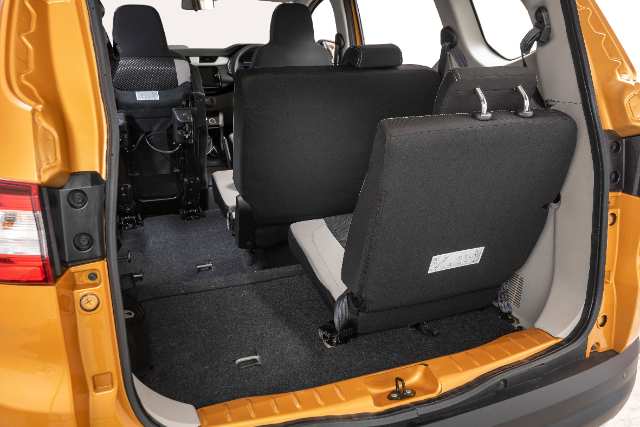
The most impressive aspect of the Triber is its interior flexibility and nifty storage areas. With the third row of seats folded flat, there is a 625-litre boot, two additional storage areas of 31-litres, a chilled centre console storage area and an under-seat storage bin. We folded both the third and second row of seats away and could get two 29-inch wheel mountain bikes in the back of the Triber, making it very practical indeed. The second row of seating is enough for three children or two adults while the third row is best used for children and shorter folks.
Performance and driving impression
One of the Triber’s biggest issues is its powertrain, which is a 1.0-litre naturally aspirated petrol engine paired with a 5-speed manual gearbox while there is also an option of an automatic version of the manual, which we would avoid at all costs. The small engine produces 52kW and 96Nm of torque, which is fine for inner-city driving with one occupant on board, but became a big problem with five adult occupants on board when attempting to drive on the highway.
The engine is simply not powerful enough, having to be kept on the boil just to keep up with other vehicles on the open road. The 957kg kerb weight makes the Triber light, but with an additional 400kg worth of people on board, something expected in a 7-seat product, it simply feels underpowered.
This drove the fuel consumption figure up and also demonstrated the high amount of cabin intrusion, low level of refinement and the alarming effect that a crosswind has on the vehicle, making it sway in its lane. Admittedly, the Triber is not made for open road driving and is more suited to doing the school run in an urban area, but those looking at one of these as a family vehicle to be used on holidays should ensure their test drive includes some freeway-speed driving before making the decision.
Safety
Safety has been a big concern for budget cars to emerge from the Renault stable of late, but many of the issues that made early iterations of the Kwid so unsafe have been addressed and implemented in the Triber. The model achieved a 4-Star crash test safety score for both adult and child occupants. Our Prestige-sped press car comes with 4 airbags and ABS, the very basics of safety.
Fuel economy
Renault claims a fuel consumption figure of 5.5 L/100km for the manual Triber, but the aforementioned issues on the freeway and when the vehicle has more than one occupant mean that our combined consumption figure for the week was 7.8 L/100km, which is on the high side.
Pricing
Our manual Prestige press unit is listed at R216 900 and comes with a 5-year/150 000km warranty and a 2-year/30 000km service plan.
Verdict
The mild updates made to the Triber are difficult to spot but have brought the product back into the limelight in terms of media coverage and marketing. Even though the Triber is a deeply flawed product, it appears to have found a specific niche segment of customers that finds its low list price and flexible interior appealing. If you are considering a Triber, we urge you to conduct a test drive in varied driving conditions to see if the aforementioned powertrain inadequacies and lack of refinement are something that you feel as though you can live with.