Opel Grandland (2025) Road-Trip Review
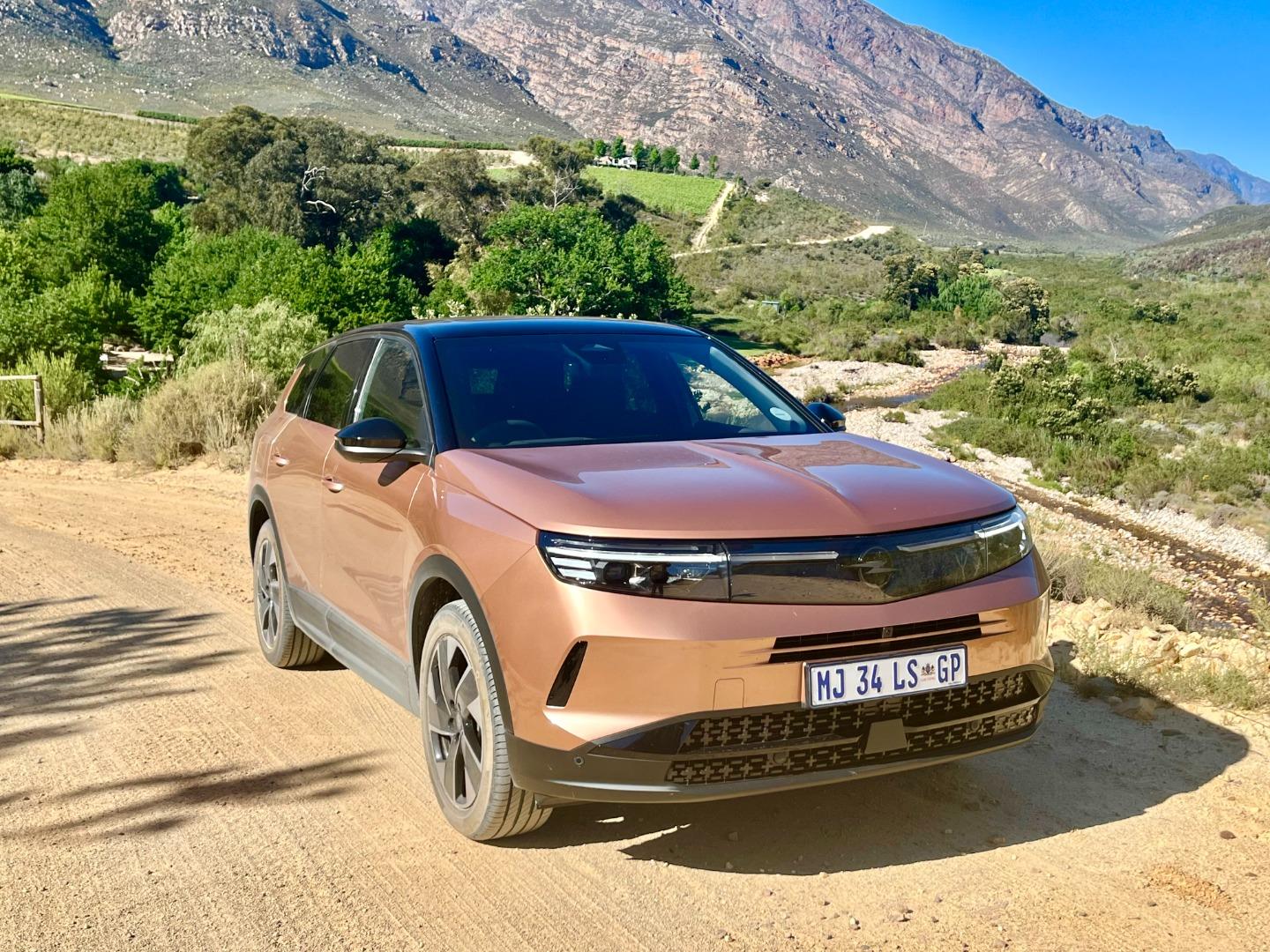
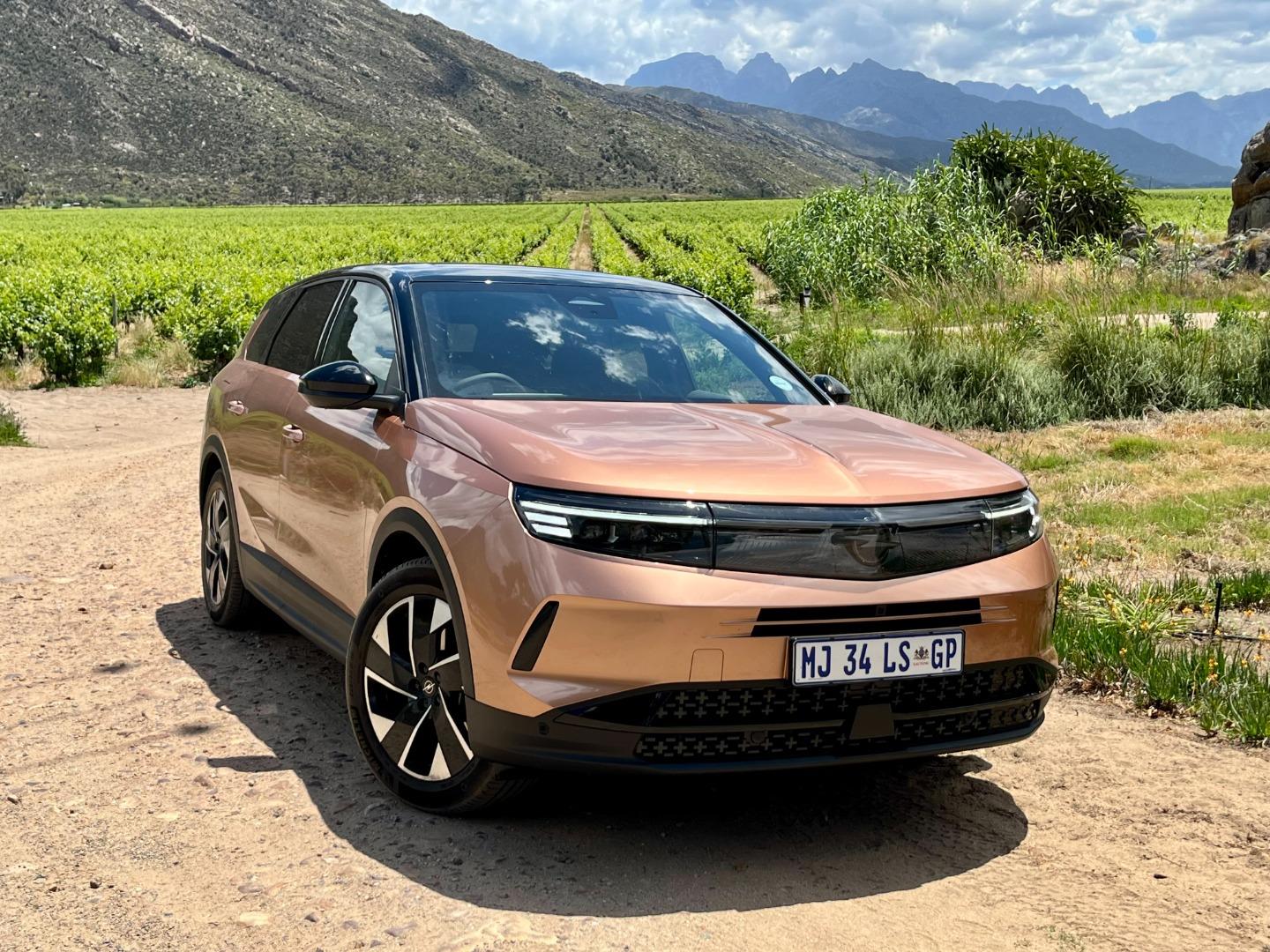
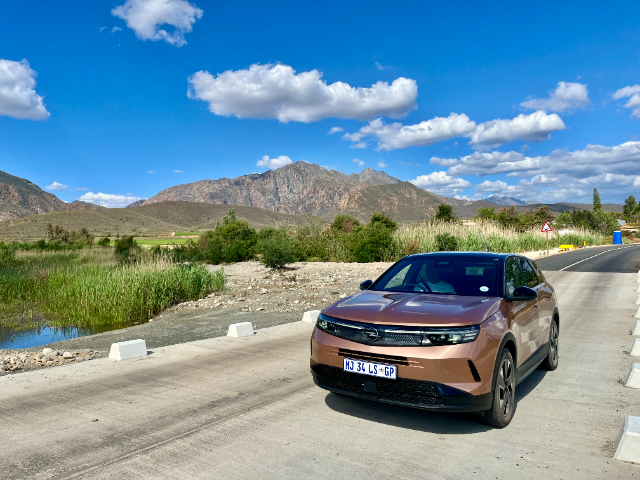
A shimmering bronze-coloured Opel Grandland in GS Line graced my driveway for just over a week. Although it looks like more of a city crossover, it proved itself on our weekend getaway to a picturesque trout farm near Rawsonville. With so many other great cars in this segment, can Opel gain a foothold, though?

Fast Facts
• Price: Edition R739 900; GS Line R789 900
• Engine: 1.6 litre turbo petrol, 134 kW, 300 Nm
• Gearbox/Drivetrain: 6-speed automatic, front‑wheel drive
• Fuel consumption (claimed): 7.0 L/100 km combined; 5.3 L/100 km open road
• My tested consumption: read more to find out!
• Boot: 550 litres, 1 645 litres seats folded 60:40
• Wheels/tyres: GS Line 19-inch alloys
• Spare: Space saver
• Dimensions: 4 650 mm L, 1 905 mm W, 1 665 mm H; wheelbase 2 784 mm
• Safety: adaptive cruise, blind spot, rear-cross traffic alert, traffic sign recognition, and more.
• Warranty/plan: 5-year/100 000 km; 5-year/90 000 km service plan, 15 000 km intervals
Search for used and new Opel Grandland models here.
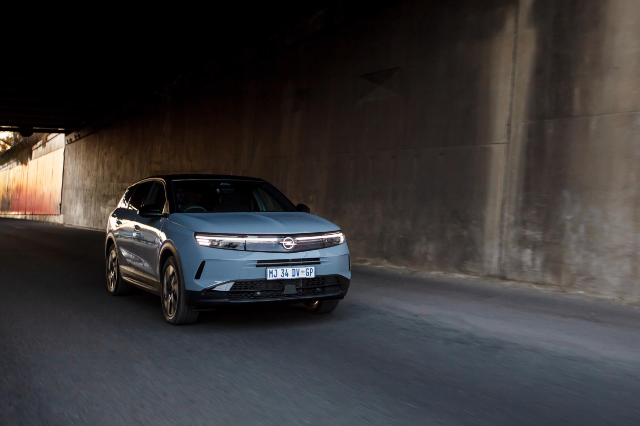
The first generation of the Opel Grandland was not the most memorable car, fading into a sea of SUVs that had sharper styling and more features, but Opel has upped their game and released a sleek and sexy crossover (the 'corporate twin' of the Peugeot 3008), that takes the best of the segment head-on. Will local buyers' interest be piqued? We hope so.
Related: Opel Grandland launch review
Opel Grandland Pros and Cons
Pros
- Sexy styling
- Unique
- Quality, ergonomic interior
- User-friendly tech
- Standard features galore
Cons
- Pricey, considering some of the competition
- The local buying public has trust issues with Stellantis (but check out the group's WePledge Customer Care Promise here)
- A reflective surface in the wrong place
- Not as frugal as I'd hoped
Sell your old car today with AutoTrader!
Styling
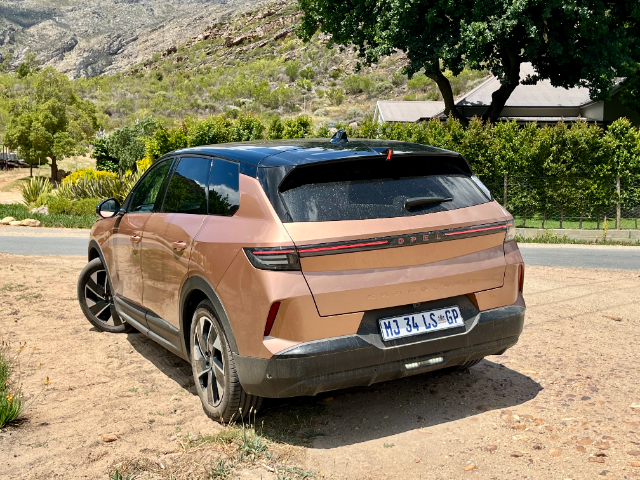
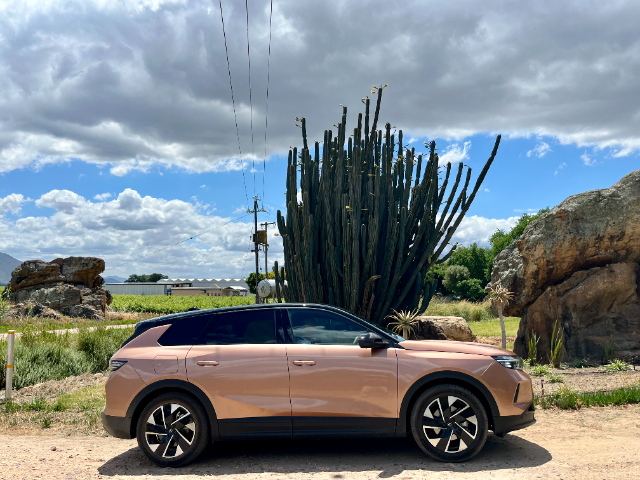
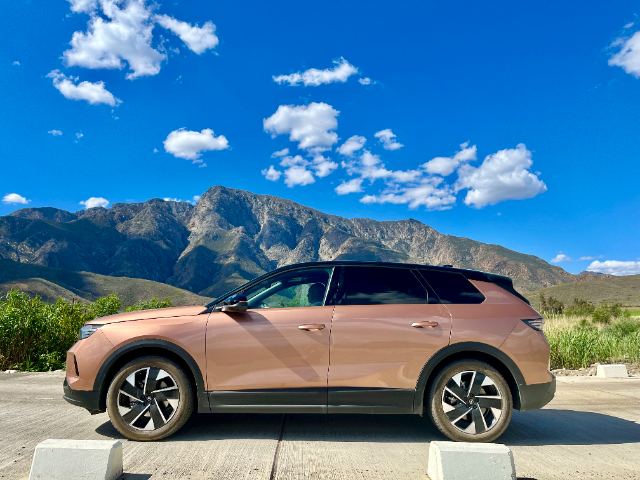
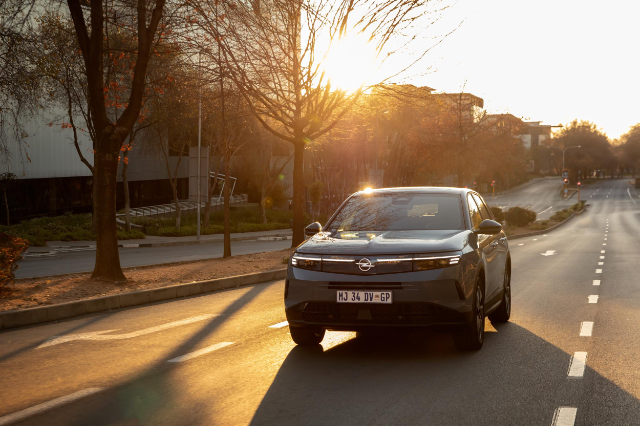
The Grandland looks almost too city-chic to take off-road. Still, I thought its bronzed curves and black floating roof would really pop against the October greenery of the Western Cape, not to mention how striking the light signatures appear in the front and back, so we decided to take it on yet another AutoTrader adventure.
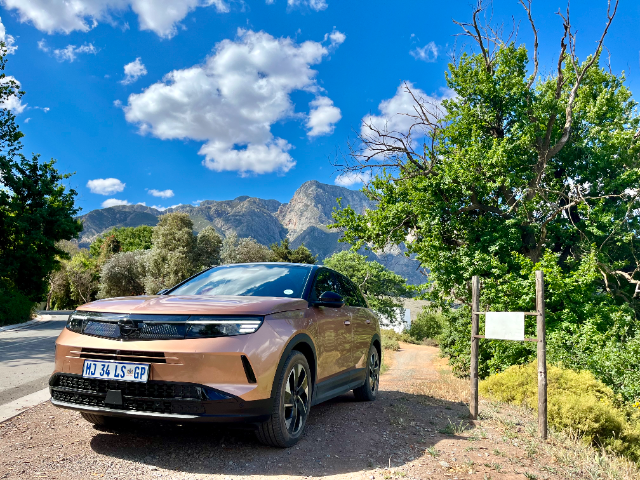
What I love most about its look is that it's unlike anything else in the segment, which is currently overpowered by a multitude of generic-looking SUVs. The Grandland simply looks stunning from every angle, with trendy European light signatures, et al.
Interior and Tech
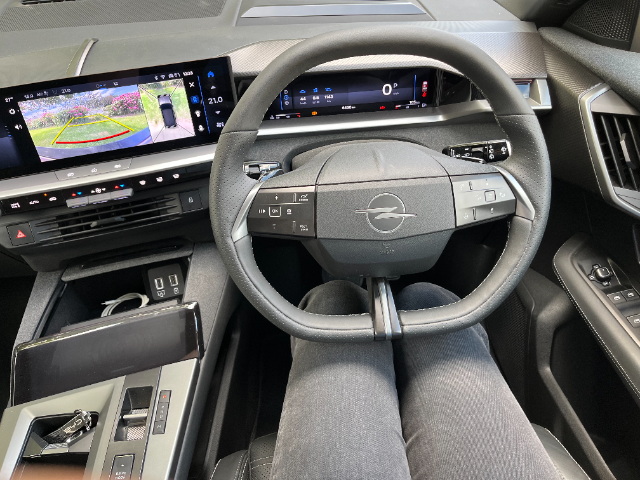
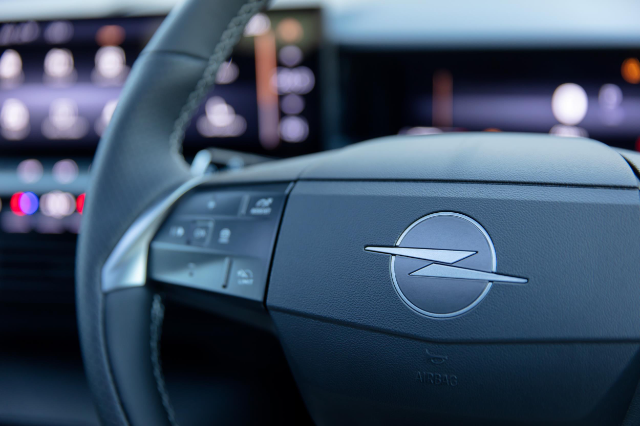
Inside, it is minimalistic and high-tech rather than frivolous and fashionable, with plenty of upmarket materials (100% recycled!) and a panoramic moonroof as standard. If you find the screens too busy, the Snapdragon infotainment system's 'Pure Panel' layout choice keeps the 16-inch central screen and 10-inch cluster tidy, and the climate controls live on real buttons where they belong. Qualcomm navigation is built in for days when your phone didn't come along.

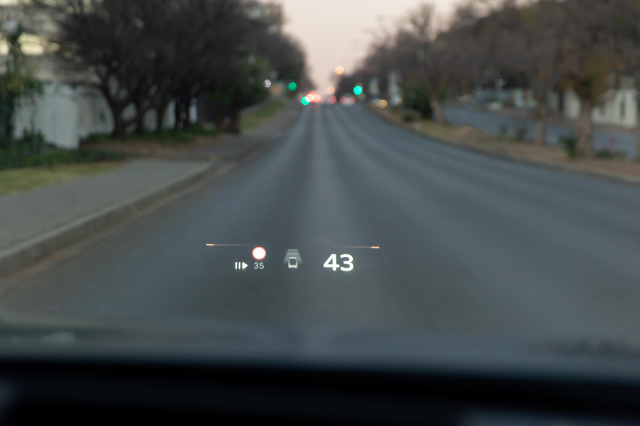
CarPlay and Android Auto connect quickly, and the system is easy to learn, although wireless smartphone mirroring isn't a thing. Opel's Intelli-HUD (Head-up display) puts the basics right in your line of sight, including traffic sign information, navigation directions, driver assistance, and music/media.
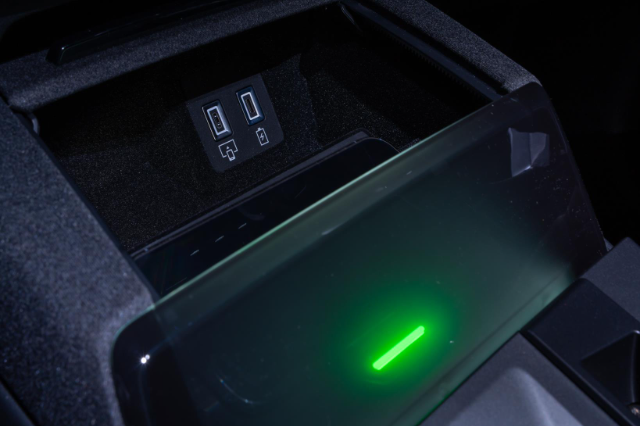
The semi-transparent Pixel Box charging surface with USB ports behind it is a practical and imaginative touch (it's illuminated, and this also serves as a visual alert to remember your phone). Even the gear selector is just a rectangular button, freeing up space and removing visual clutter. This is a well-thought-out, easy-to-use 'cockpit' layout that won't frustrate you in the long run.
Space and Comfort
The powered bolstered seats on the GS Line are highly road-trip friendly and specially designed to take pressure off the tailbone. Seat heating/ventilation is a godsend in extreme temperatures, and both the driver and passenger have multi-functional massaging seats that take the edge off long days on the road.
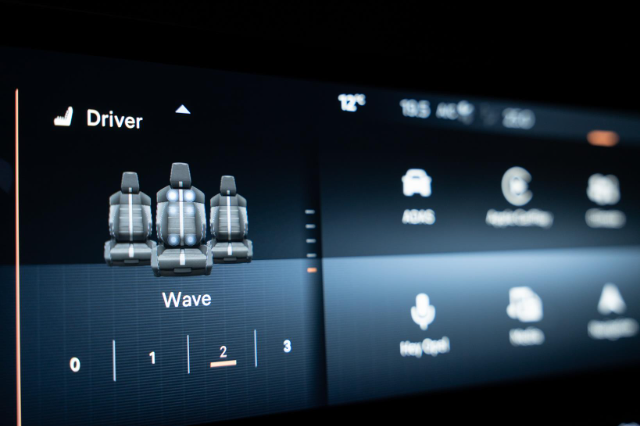
We tested this out at length as we made our way to the R43 to Botrivier, Villiersdorp, and then Worcester, before taking the N1 West towards Cape Town and then exiting onto the R101 in Rawsonville. It sure beats the boredom of waiting at the Stop 'n Go! The dual-zone climate control kept my side of the car at a balmy 22.5 degrees, while my other half was happiest at a chilly 17 degrees.
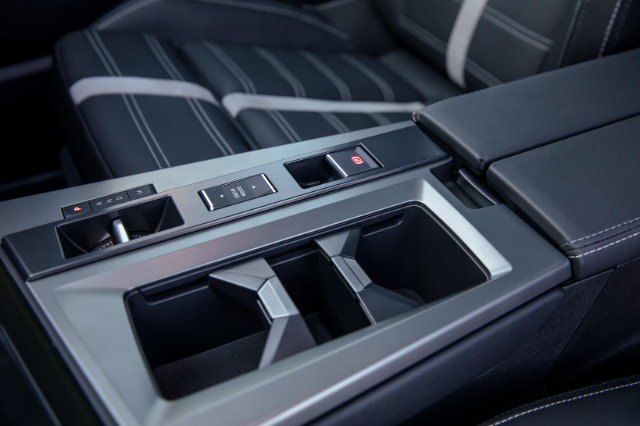
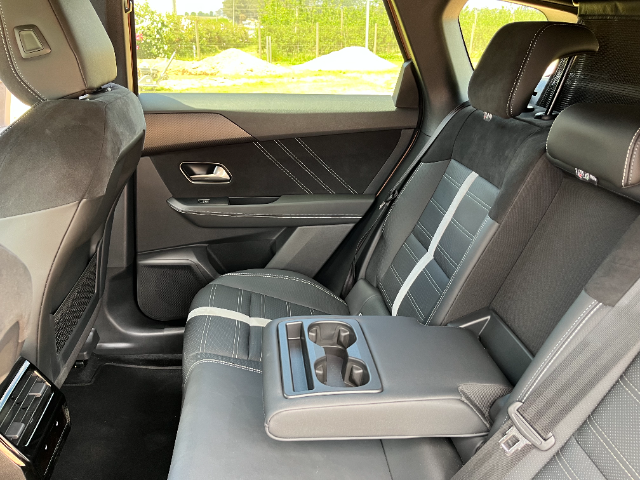
Row two has a slight increase in knee room compared to the model before it, and will accommodate school runs and taller teens. However, three across is more manageable if you put a slightly shorter and skinnier person in the middle.
The teenagers thoroughly enjoyed their time in the back, having their own air-con vents and seat-heating controls at their beck and call. A total of four USB Type-C ports ensure that everyone's devices stay charged, and the GS Line model's steering wheel can be heated to defrost those icy fingers in winter.
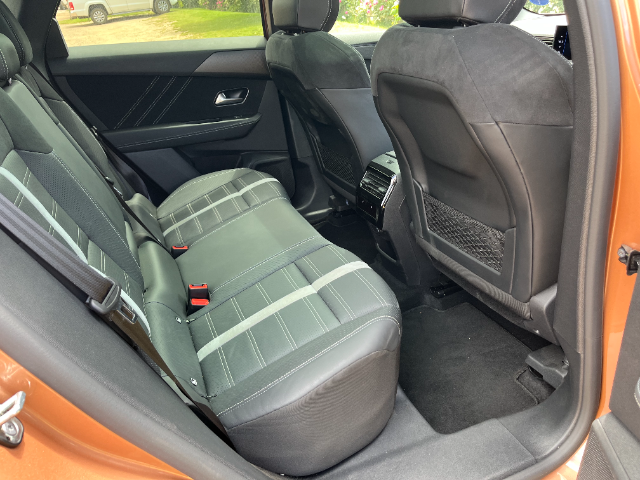
Day-to-day storage is well-handled with a deep (coolable) centre bin and proper door and seat pockets, for a total of 35 litres of on-board storage. The GS Line also features a hands-free power tailgate.
The boot is a generous and holiday-friendly 550 litres, and expands to 1,645 litres with the backrest down. The load bay is square and easy to pack, fitting in all of our self-catering equipment for our stay.
The Drive
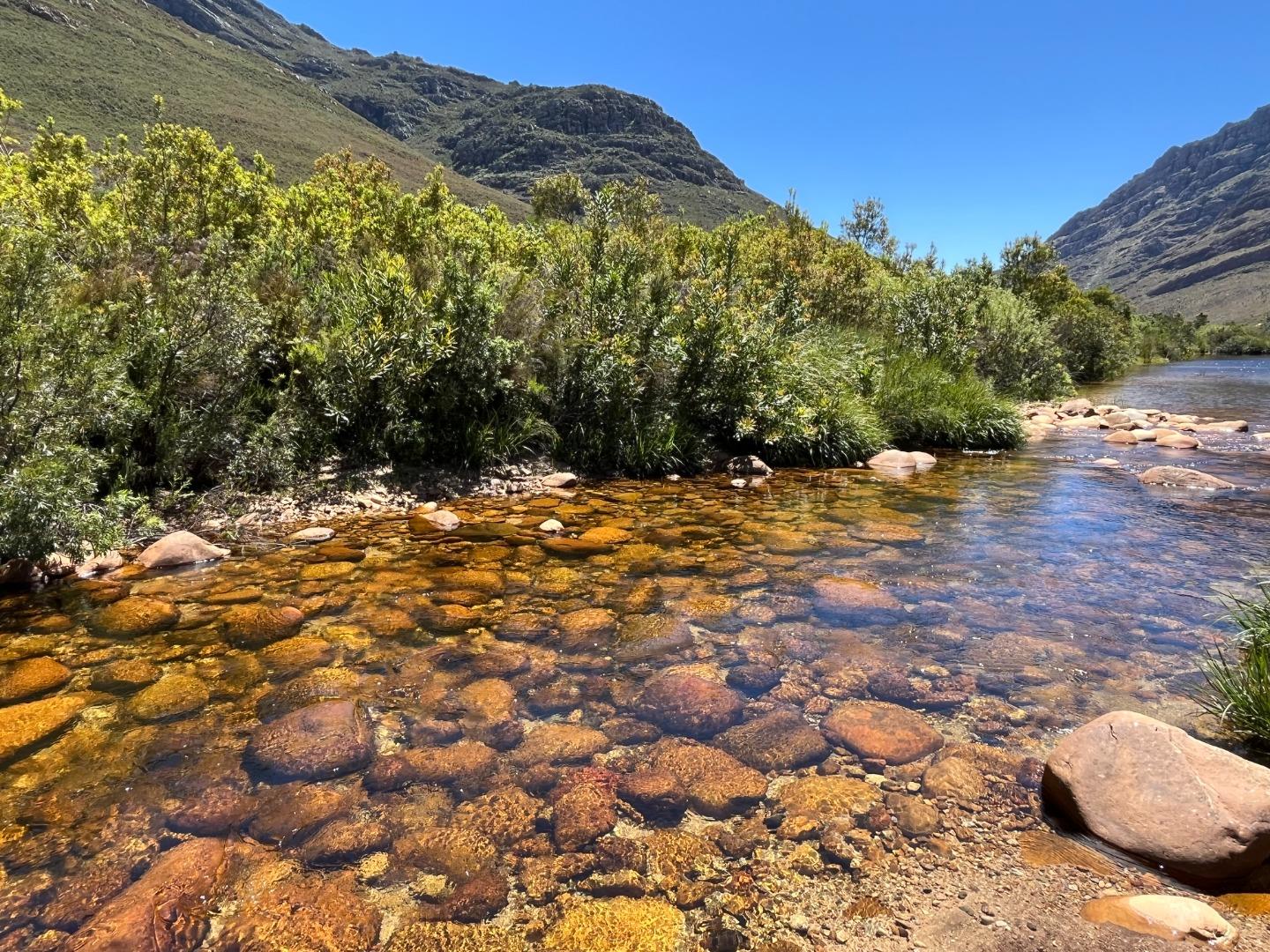
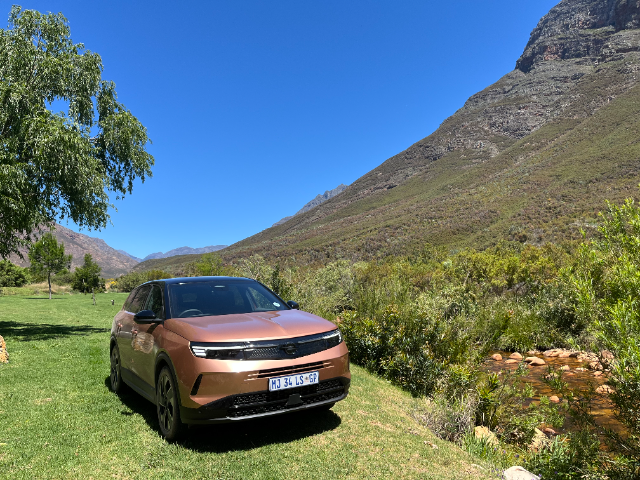
Once we had driven through Rawsonville, we followed our route guidance across the Smalblaar and Holsloot River, turning right at the Louwshoek/Boontjiesriver signage. After stopping for pics, we found ourselves at the signposted farm gate, with a scenic, but somewhat unruly 5 km gravel drive to the resort itself (you don't need additional ground clearance or a 4x4 to reach it, however). We marvelled at the stunning scenery; we couldn't believe that we had been living in the Western Cape for 15 years and never discovered this heavenly part of it.
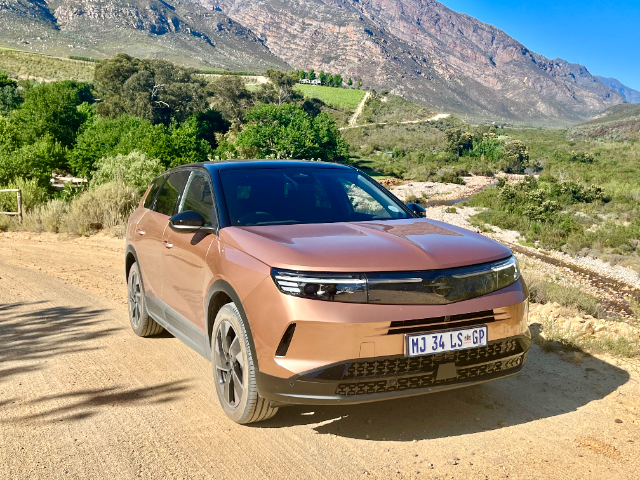
As for the Grandland, it's on surfaces like these where its 'frequency selective damping' makes all the difference. For this to work, a second hydraulic circuit is incorporated into the damper chamber, allowing the stiffness to adapt according to the suspension frequency. This allows the damper to soften for high-frequency, short bumps (such as gravel or dirt roads) and firm up for bigger, slower movements like braking, cornering, and lane changes. The result? A comfy, non-crashy ride, and steady, controlled handling at speed, making the driving experience feel very premium. Additionally, you have three driving modes: Eco, Normal, and Sport.
There was one irksome thing about the Grandland's interior layout, however: Just in front of the head-up-display unit is a silver-coloured, highly reflective bar that would hit your retinas in full sunlight. Neither my husband nor I wear sunglasses, so this detracted from the overall joy of driving. It's a silly design flaw that I didn't expect in a car this intelligent, but a pair of polarised sunnies should alleviate this problem.
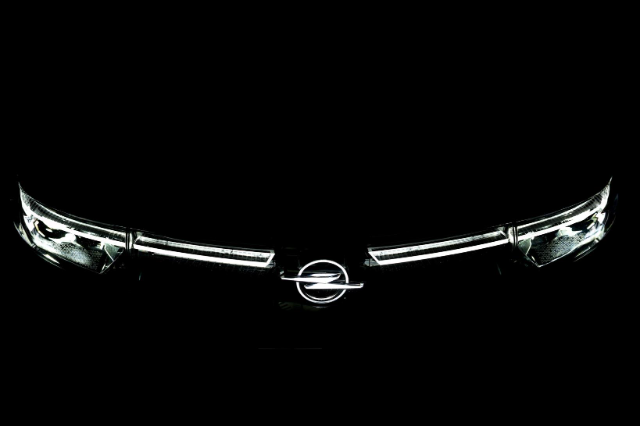
On the upside, our model's standard Intelli-Lux Pixel Matrix HD headlamps with superior high-beam assistance alleviated my night blindness completely. This feature is usually a very costly option if you have to select it as an extra. Opel says that the system, which is more advanced than average Matrix Light tech, offers 265 600 elements on each side to respond to oncoming traffic, distributing light precisely where needed but never dazzling other road users.
Performance
The 1.6 turbo-petrol is about usable shove, not fireworks, but will happily accelerate from 0 - 100 in under 9 seconds. There is enough mid-range for slip roads and clean overtakes. Push hard, and the engine note turns a bit gruff, but the 6-speed auto gearbox keeps things smooth when you are not chasing early flights.
The Grandland feels happiest driven at a steady pace, which is exactly how most owners will use it, and since we were on a relaxing weekend getaway, I was never tempted to 'gooi mielies', apart from when I had to bypass a few slow-moving trucks on the N1. You can dial up the performance by switching to Sport mode, but fuel consumption isn't exactly class-leading, so sticking to Normal or Eco is recommended on your normal route.
Safety
The essentials are in place with plenty of extras, which explains the price tag. There's adaptive cruise control with a stop & go function, lane-keep assistance, traffic sign recognition, in-crash braking (designed to prevent secondary collisions in the event of an accident), hill-start assistance, blind-spot monitoring, a tyre-pressure monitor, rear-cross traffic alert, surround view cameras, the aforementioned head-up display, and six airbags. But that's not all. For the full list, visit Opel SA here.
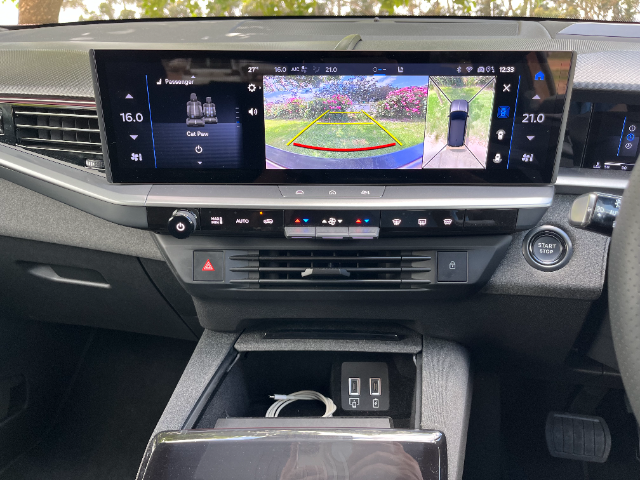
Standard surround view cameras enable you to select and see your preferred angle.
Fuel Consumption
Opel claims 7.0 L/100 km combined and 5.3 L/100 km on the open road. Our mixed loop from our picture-perfect accommodations at Dwarsberg Trout Hideaway to nearby Rawsonville, Worcester, and various wine and olive farms in the area (the restaurant Nuy on the Hill is a must) yielded a fuel consumption of around 8.3 L/100 km, which aligns with other local tests. Keep a light foot and add some steady highway miles, and you will continue to see figures in the lower eights. Heavy stop-start commuting will undoubtedly push it a little higher, but not much.
Price
The Grandland's sophistication comes at a price, however; bear in mind that you get everything but the kitchen sink.
• Opel Grandland 1.6T Edition: R739 900
• Opel Grandland 1.6T GS Line: R789 900 (tested)
It has a 12-year, unlimited-kilometre anti-corrosion warranty and a 5-year, 100,000-kilometre roadside assistance warranty. According to Opel's service plan, service intervals are every 12 months or 15,000 kilometres and are covered for the first five years or 90,000 kilometres.
This is about average, although the Korean and Chinese warranties are longer.
Competitors
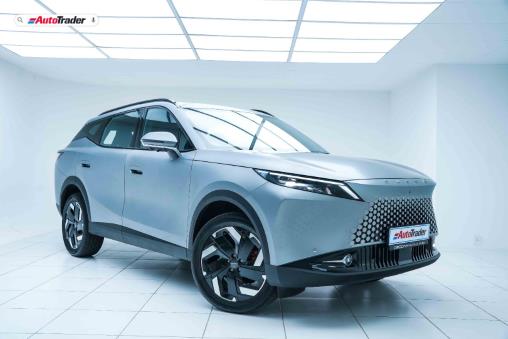
The Grandland in GS Line competes with the pricier cars in the segment, such as the VW Tiguan 1.4 TSI R-Line (785 200), Omoda C9 2.0TGDI 400T Inspire (R785 900), Kia Sportage 1.6 CRDi GT Line Plus (R790 995), Subaru Forester 2.5i Sport (R790 000) and Mitsubishi Outlander 2.5 Aspire (R789 995), Mazda CX-60 2.5 Dynamic (R778 500) and Chery Tiggo 9 2.0T Vanguard AWD (R779 900).
In this segment,you'll also find the Haval H5 GT 1.5T PHEV (R799 900), VW Tayron 1.4TSI (R811 800) and Nissan X-Trail 2.5 Acenta Plus 4WD (R812 900), to name a few.
At the 'bottom end' of the segment's price range, there are the more affordable versions of the Sportage (EX is R716 995), RAV4 2.0 GX-R AWD (R719 800), Tiguan 1.4TSI Life (R720 500) and the Chery Tiggo 8 1.5T CSH PHEV (R729 900), along with the Ford Territory 1.8T Dark Edition (R733 000).
Related: Opel Grandland pricing vs Toyota RAV4
The Verdict
If you want polish, refinement, an enormous amount of standard kit in a good-looking car that drives better than you expect, the Opel Grandland has your back. While other German alternatives are appealing too, their options tend to be pricey; the Grandland GS Line, much like products from Lexus, already includes everything.
Buying used? Read Opel Grandland colour and price guide (2023)
Where we stayed
Dwarsberg Trout Hideaway on the edge of the Holsloot river offers stunning accommodation, from very upmarket Honeymoon pod homes to well-priced, quaint chalets, as well as the most beautiful private riverside campsites if you can't deal with noisy or nosy neighbours. It is also a venue for the wedding of your dreams.
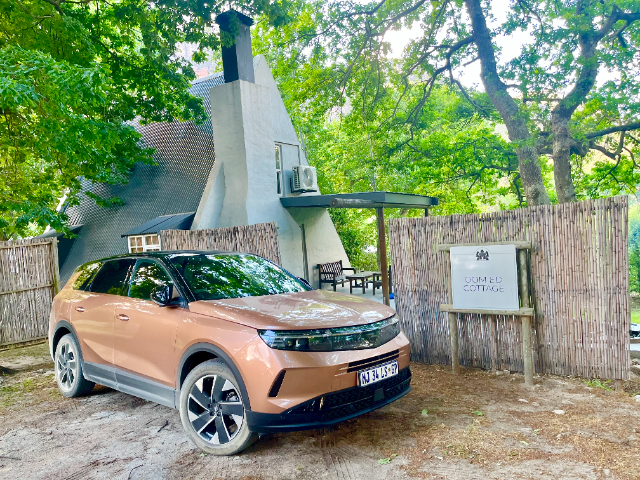
We stayed at Oom Ed's cottage, a mid-range option that sleeps four, featuring a private hot tub out front, located next to the orchards. If you need to breathe, fancy a bit of trout fishing, enjoy mountain biking/hiking, or just want to relax on the stoep with a book, Dwarsberg is the place to go. See their rates here.
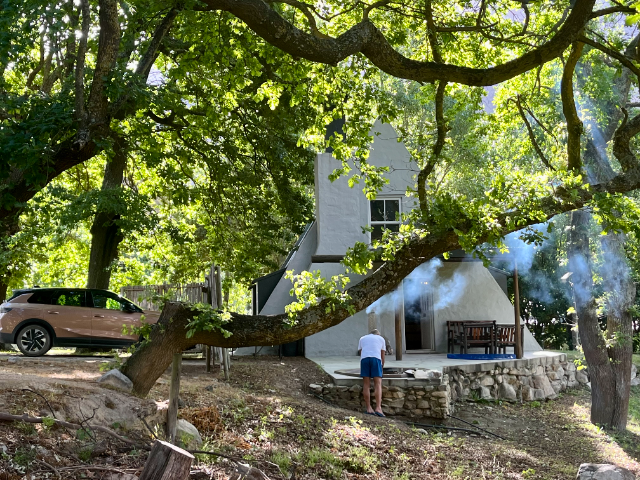
The hot tubs are a major attraction!
Rates are affordable, so check out the Dwarsberg Trout Hideaway website here for more info.