
How does the NV200 fair as a minibus?
Auto Trader reviews the Nissan NV200 Combi 1.6i Visia


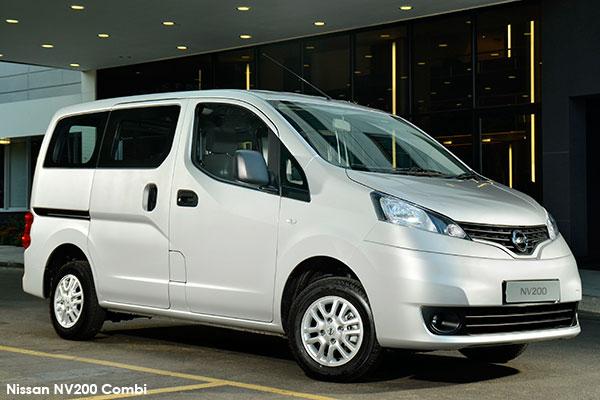


After many years of losing out on the growing panel van market, Nissan returned to work with the compact NV200 and large Quantum-like NV350 (not co-incidentally offered with almost identical looks and also in narrow or wide&high panel vans as the top-selling Toyota).
The NV200 panel van is set to take on the only other well-known rival – the venerable VW Caddy. Then, followed after a few weeks, Nissan SA opened the doors on the seated version, named NV200 Combi. Initial thoughts were that the NV200 would take over from the Livina and Grand Livina. As NV200 is a 7-seater, the Grand Livina (also 7 seats) was dropped, while keeping the Livina, reduced to a single model, and continuing the X-Gear rugged MPV production.
With Toyota focusing on its Quantum panel van and taxi business, VW has been selling away at the Caddy, made easier by not having any real challengers to its go-to-choice status. Nissan was churning out a spread of bakkies and sports utilities, leaving the others to it.
The NV200 Combi (clearly cashing in on the well-known VW Kombi name association) has seen the same clear design brief as the cargo-carrying NV200 panel van – make it well packaged, give it more space, and keep its Nissan simplicity and ease-of-use. For the Combi, fit in 7 seats, and make it comfortable and affordable enough to pull private and commercial buyers alike. Practical features include a large sliding door on each side for easy access, 2-tone grey-and-blue robust cloth upholstery, and smart storage space throughout plus maximised interior and luggage space (3.1 cubic metres with rear and centre row seats folded out the way). A clever thought is the low loading sills and wide high-lifting tailgate, making it much easier to load the moment’s stuff, be it baggage, boxes or bicycles.
The portfolio expansion by addition of the NV200 Combi brings Nissan back into contention in the compact MPV sector. It keeps it simple here too, with buyers given the choice of 1.6 petrol or 1.5dCi diesel, mated to an easy set with no need to choose: 5-speed manual, front-wheel drive, and Visia trim level. The manual gear knob sits high, within easy reach, prompted to use it by an indicator in the instrument panel.
This Visia trim or nothing means the equipment list was carefully considered, and includes ABS with EBD and Vehicle Dynamic Control (electronic stability intervention – not a given on this type of vehicle), 6 airbags, Isofix child seat anchors, remote central lock, radio/CD, aux, USB, Bluetooth, “anti-bacterial” gear knob and steering wheel, electric mirrors, front electric windows (the sides and rears don’t slide, so sorry) and multi-function buttons on the steering wheel. Some omissions are a lid for the cubby, leaving a gaping unprotected hole, and the interior mirror which Nissan assumes will never need to be dipped.
How do the aforementioned rivals stack up against the new NV – will it cause any envy? Bigger than the likes of the Toyota Avanza or just-released Suzuki Ertiga, the Nissan is closest in concept to the VW Caddy Trendline and larger Toyota Innova, but has a price advantage: the NV200 1.6 costs you or the company R 264 800 with the 1.6 engine, or R 293 500 with the dCi, the large Innova (with Hilux-sourced thirsty 2.7 petrol engine only) priced at R 297 800, whereas the Caddy with 7-seat option (only with a stronger 2.0TDI engine – not the 1.6) costs R 321 500.
To summarise, the Nissan NV200 Combi 1.6i Visia makes a sensible practical value-for-money 7-seat minibus, and the 1.5dCi would be the best choice of the 2, were it not for the R 28 700 added expense.