
Mitsubishi Eclipse Cross 1.5T CVT (2020) Review
The Mitsubishi Eclipse Cross had to make do with a lukewarm engine-and-transmission combo. But that’s no longer the only powertrain available. Meet the new 1.5-litre turbo engine and read how it has transformed this fine compact SUV.


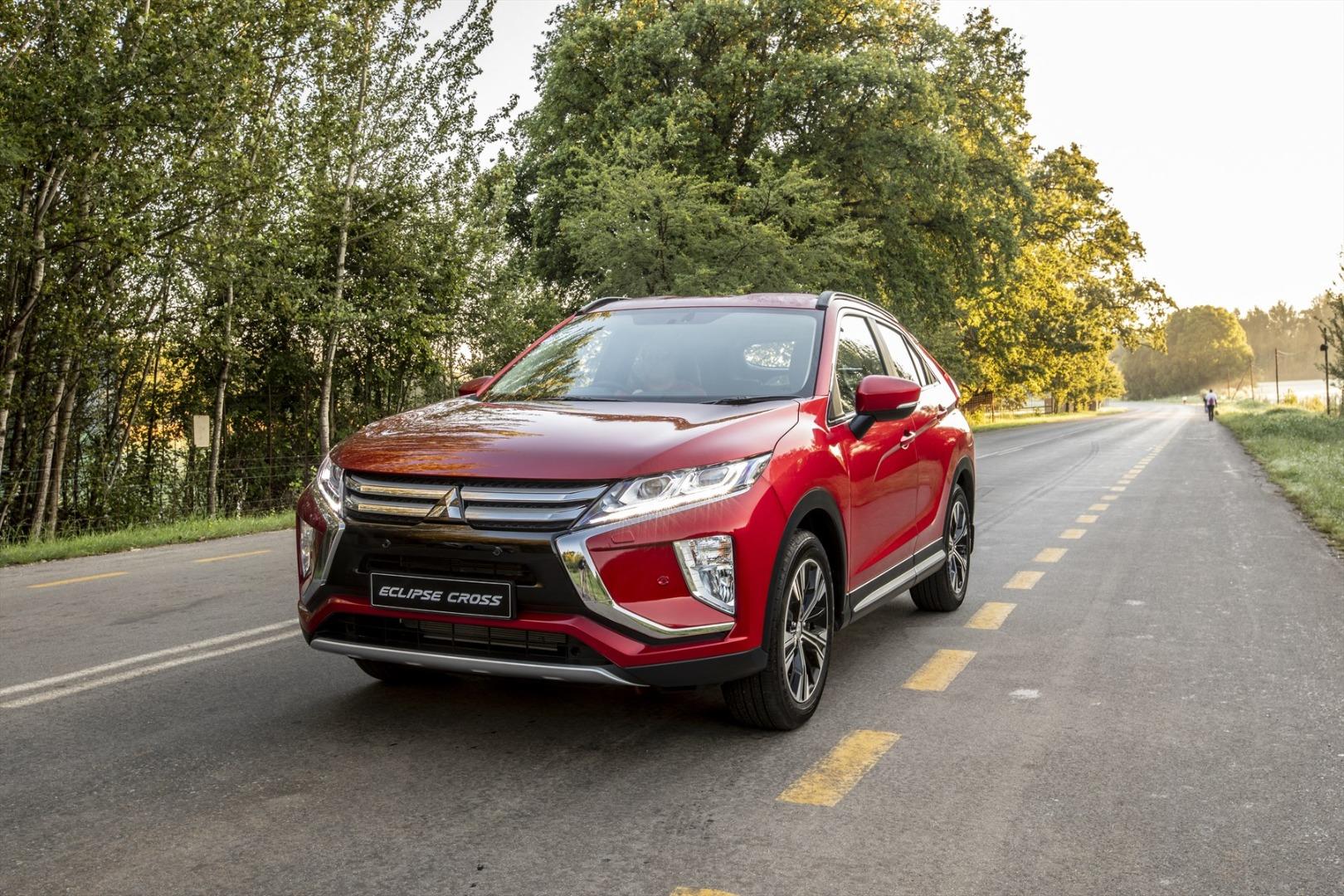
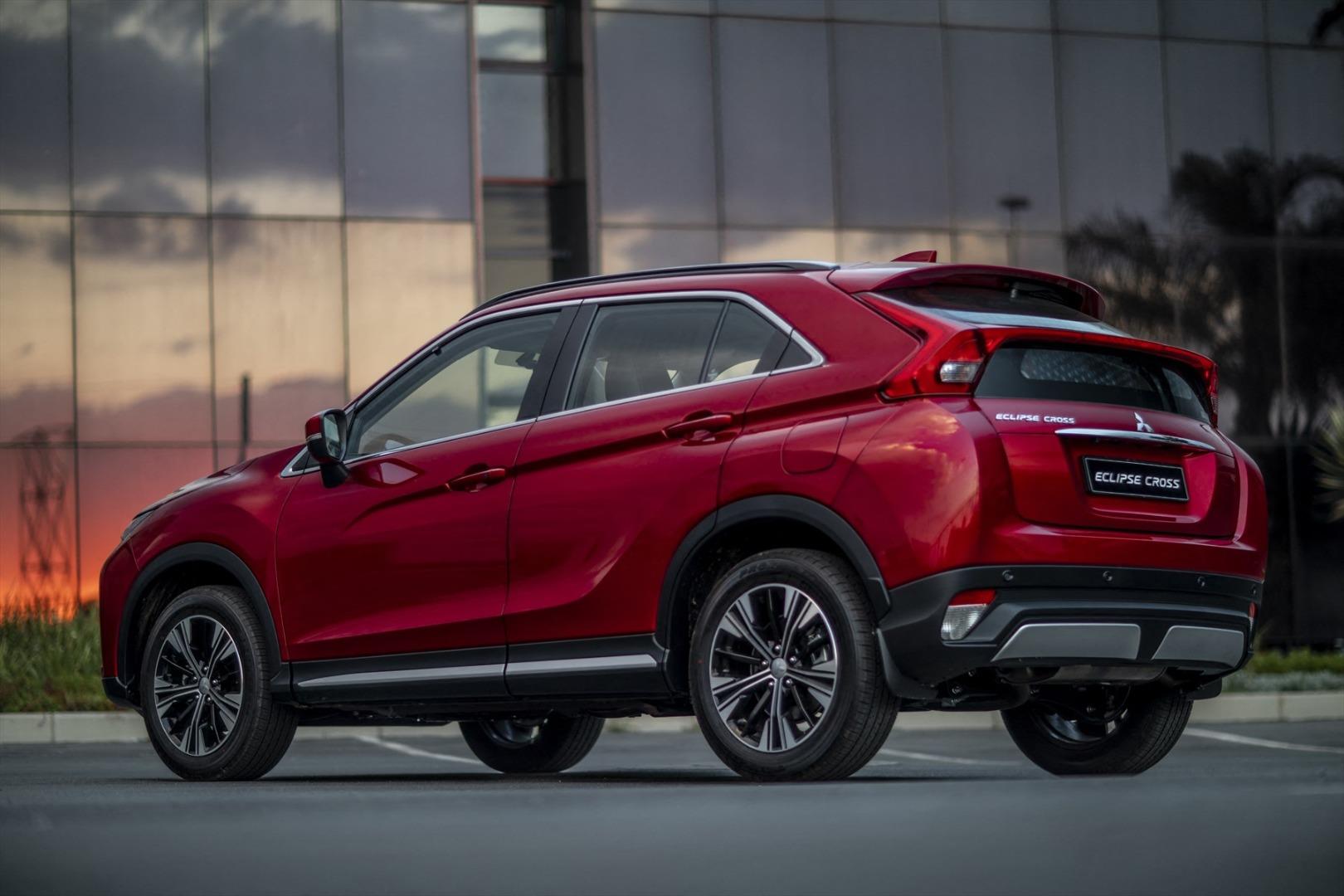
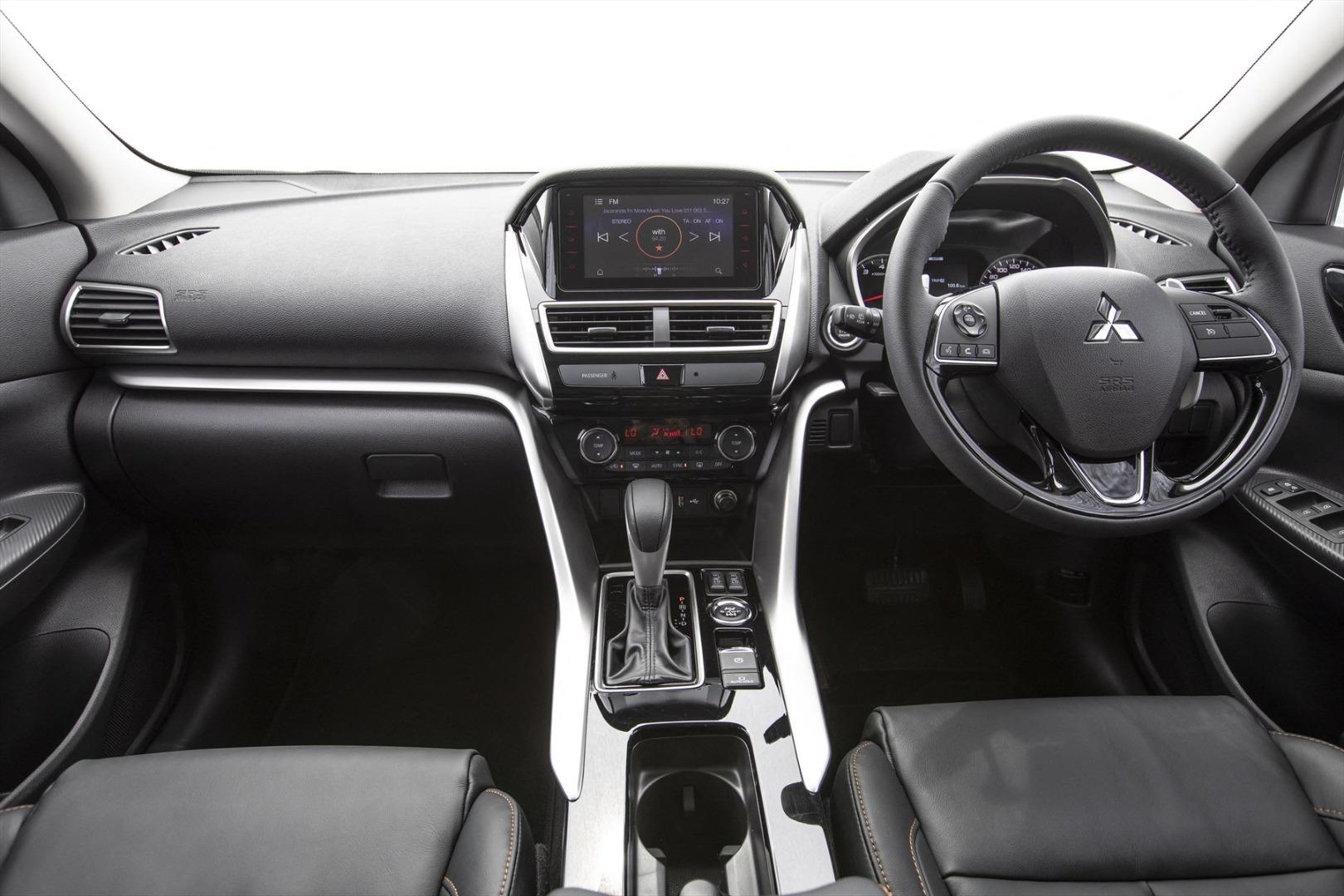
The Mitsubishi Eclipse Cross 2.0 CVT was a welcome addition to South Africa’s small-SUV smorgasbord. It has many positive attributes, and only two weak links. Mitsubishi has now fixed one, by introducing a turbo engine to the range.
Styling
If you’re wondering, the appearance of the rear isn’t the second weak link. It is related, though: More conservative, angular styling could have created a bigger luggage area. It could also have lessened the Marmite-effect (you either like it or you don’t) of the rear hatch. But we’ll cover more of that under the heading Space and comfort below.
The new Eclipse Cross 1.5 Turbo has the same exterior design as its 2.0-litre sibling, with the same “Dynamic Shield” front-end design also found on the Triton and Pajero Sport. Together with the 1.5T, Mitsubishi introduces two new body colours: a dark metallic blue and silky metallic white. A TURBO decal on the rear of the vehicle distinguishes the newcomer. Other embellishments worth mentioning – because they add style, while being useful – are indicator lights in the electrically adjustable fold-away mirrors, LED headlamps with built-in LED daytime running lights, and LED fog lamps. The rear spoiler has an integrated brake light, while roof rails allow roof bars, a luggage box and sports equipment to be mounted.
Related: Everything you need to know about the new Mitsubishi Eclipse Cross
The drive
The new all-aluminium, single-scroll turbo engine transforms the drive, turning a great car with a lazy engine into a great car. The new CVT auto-box was specially designed for the 1.5-litre turbo engine and it offers a satisfying sensation of shifting eight forward gears. Paddle-shifters in smooth, polished metal give the driver the ability to override the auto-box at will. The engine’s output seems modest when viewed on a spec sheet, but it feels as if there’s more than the quoted 250 Nm under the bonnet.
The Eclipse’s suspension provides a comfortable ride on a variety of surfaces, with just a slight heaviness felt over speed bumps. Its compact dimensions make it easy to pilot in the city, and on the open road it cruises serenely, like a large luxury SUV.
The engine
The Eclipse Cross is the first car in the Mitsubishi Motors stable to make use of the brand’s new 1.5-litre, four-cylinder turbo engine. The 1 499 cc unit delivers 110 kW at 5 500 rpm, with 250 Nm available all the way from 2 000 rpm to 3 500 rpm.
Mitsubishi says the engine’s responsiveness comes courtesy of “direct fuel injection, an exhaust manifold integrated cylinder head, sodium-filled exhaust valves and Mitsubishi’s Innovative Valve Timing Electronic Control system (MIVEC).” The MIVEC variable valve timing also helps to spool the turbocharger more quickly and efficiently, the company says. It certainly feels that way. According to its manufacturer, the Eclipse Cross 1.5T accelerates from standstill to 100 km/h in under 9 seconds, when in Sport Mode.
Space and comfort
Mitsubishi decided to throw the entire options list at the Eclipse Cross 1.5T. Stand-out features are heated seats, multi-function leather steering wheel with audio and cruise control, Bluetooth with hands-free voice control, automatic air-conditioning with rear passenger vent duct, leather upholstery, slide and tilt-adjustable rear seats with 60/40 split, electrically adjustable driver’s seat and USB ports. Passenger space is plentiful, but the boot volume is compromised by the large spare wheel. South African motorists want and arguably need full-size spares, but most families would need secondary storage, in the form of a roof-box or a luggage trailer, if faced with the Eclipse’s luggage area.
Related: Top 6 Accessories for your Mitsubishi Eclipse Cross
Safety
The Eclipse Cross uses Mitsubishi’s “RISE” (Reinforced Impact Safety Evolution) body construction for crash safety, and achieved the full five stars from Euro NCAP in 2017. It scored an impressive 97 percent for adult occupant safety and 78 percent for child occupants.
It has the full suite of (seven) airbags: front, side, curtain and driver’s knee. Other safety features include side-impact protection bars, ISOFIX child-seat anchors, hill-start assist, ASTC (active stability and traction control), an electric parking brake, central door locking with motion lock, anti-theft protection, a rear-view camera, front and rear park distance warning, and head-up display for the driver.
Fuel consumption
At the time of writing, the consumption was higher than expected, at 9.2 litres per 100 km in a 70/30 split between highway and city driving. The test car has less than 3 500 km on the odometer, and the consumption will probably improve slightly. The official figure for the Eclipse Cross is 7.7 l/100 km in the combined cycle, with carbon dioxide emissions measured at 174 g/km.
Related: Meet the new Mitsubishi Eclipse Cross
Price
The Eclipse Cross 1.5 T CVT is priced at R460 000. The entry point to the range is the 2.0 CVT at R410 000. The only all-wheel-drive version is the 2.0 CVT AWD, which sells for R450 000.
Mitsubishi’s warranty is valid for three years or 100 000 km, the service plan for five years / 90 000 km and there’s 5-year / unlimited kilometre roadside assistance. Service intervals are 15 000 km.
Verdict
The Eclipse Cross 1.5T offers abundant power, a luxurious driving experience and a reputation for brand reliability. However, Mitsubishi will have to fire the person or committee who designed the rear-ends of the Eclipse Cross and the Pajero Sport. In the Eclipse its visual effect is polarising and a re-design could free up valuable luggage room.
Expert rating
3/5
Related: Top 5 Mitsubishi articles on AutoTrader