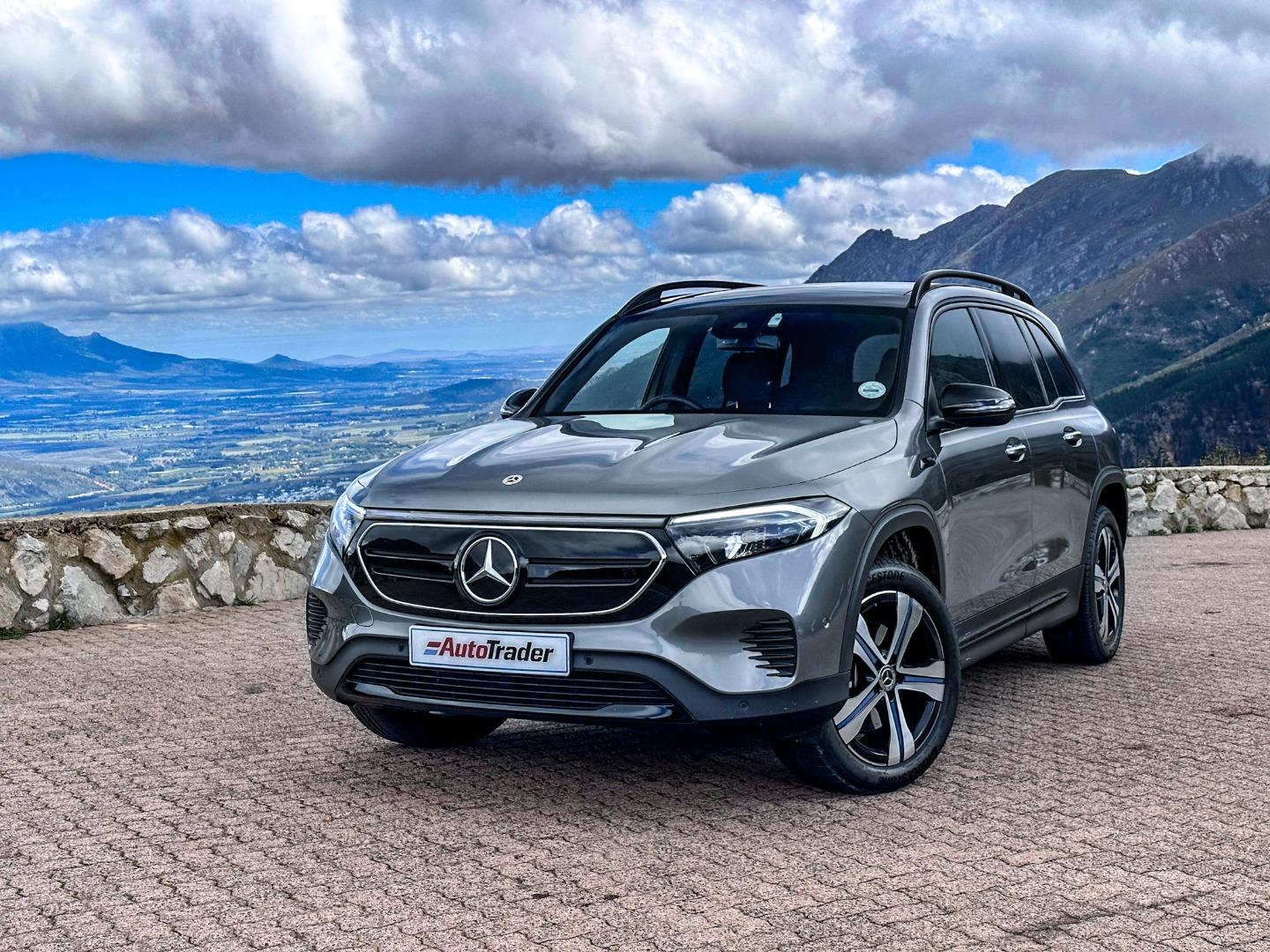
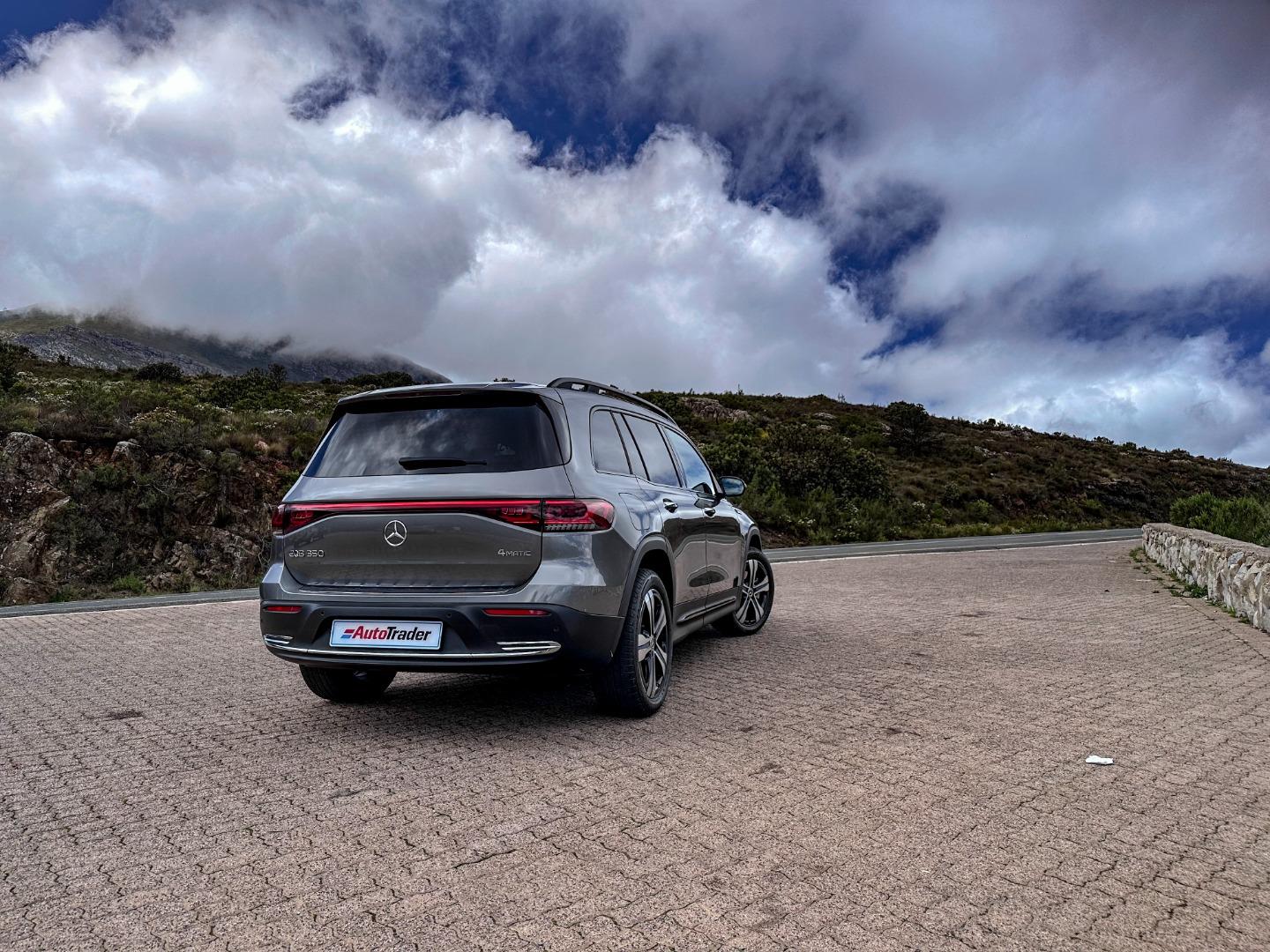
Mercedes-Benz has introduced a full line-up of electric cars into the South African market, one of which is the EQB, a mid-size EV SUV that promises practicality, reasonable range and solid performance. We recently travelled to Cape Town for a personal commitment. We were offered an EQB to drive for the weekend, spelling the first all-electric press car this writer has spent a meaningful amount of time with the outside of the Gauteng region.
Related: Everything you need to know about the Mercedes-Benz EQB
Styling
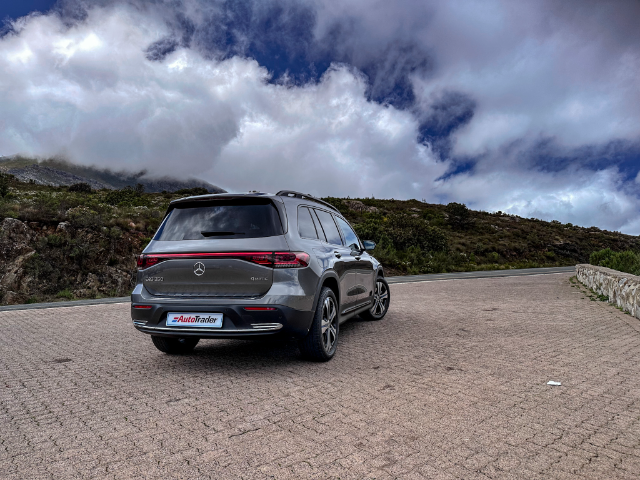
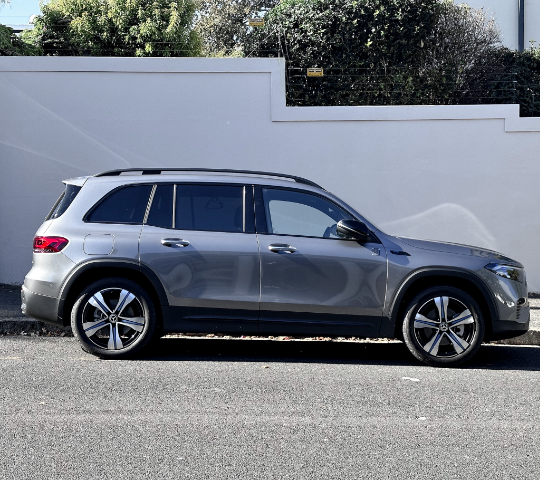
Like its internal combustion-powered sibling, the GLB, the EQB is a case of form following function, particularly when looking at the other products within the range that share its platform. While there are some EV-specific design details on the EQB such as the solid black front grille and aero-optimised wheels, its basic silhouette and exterior appearance in general is very much a traditional compact SUV with hints of MPV.
Related: How long does it take to charge a Mercedes EQB?
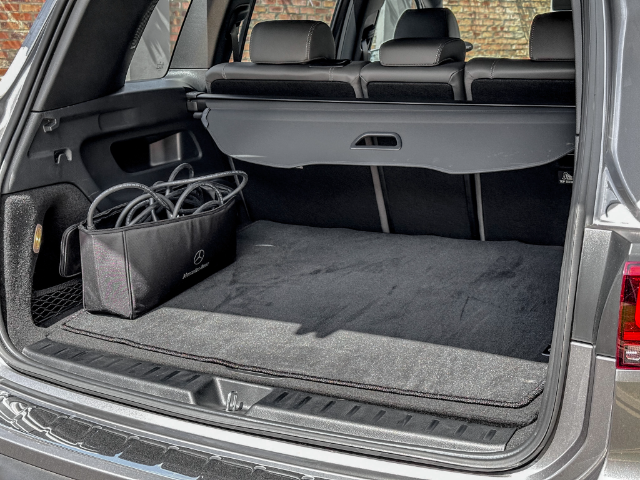
Interior and space
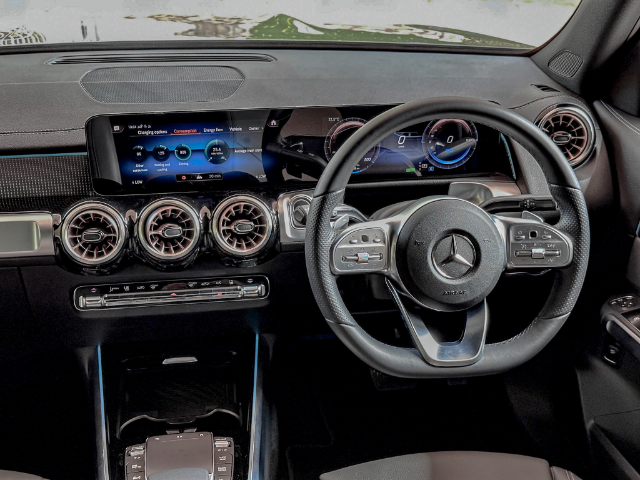
The interior of the GLB is familiar and resembles all of the other Mercedes-Benz 'small cars', which is not a bad thing until one notices some of the plastics used inside. While the use of tangibly cheap plastics has been a bugbear for many when looking at the compact Mercedes-Benz model range in general, when considering the idea that a well-specified EQB will run owners close to R1.5-million with some options, these levels of quality become less acceptable.
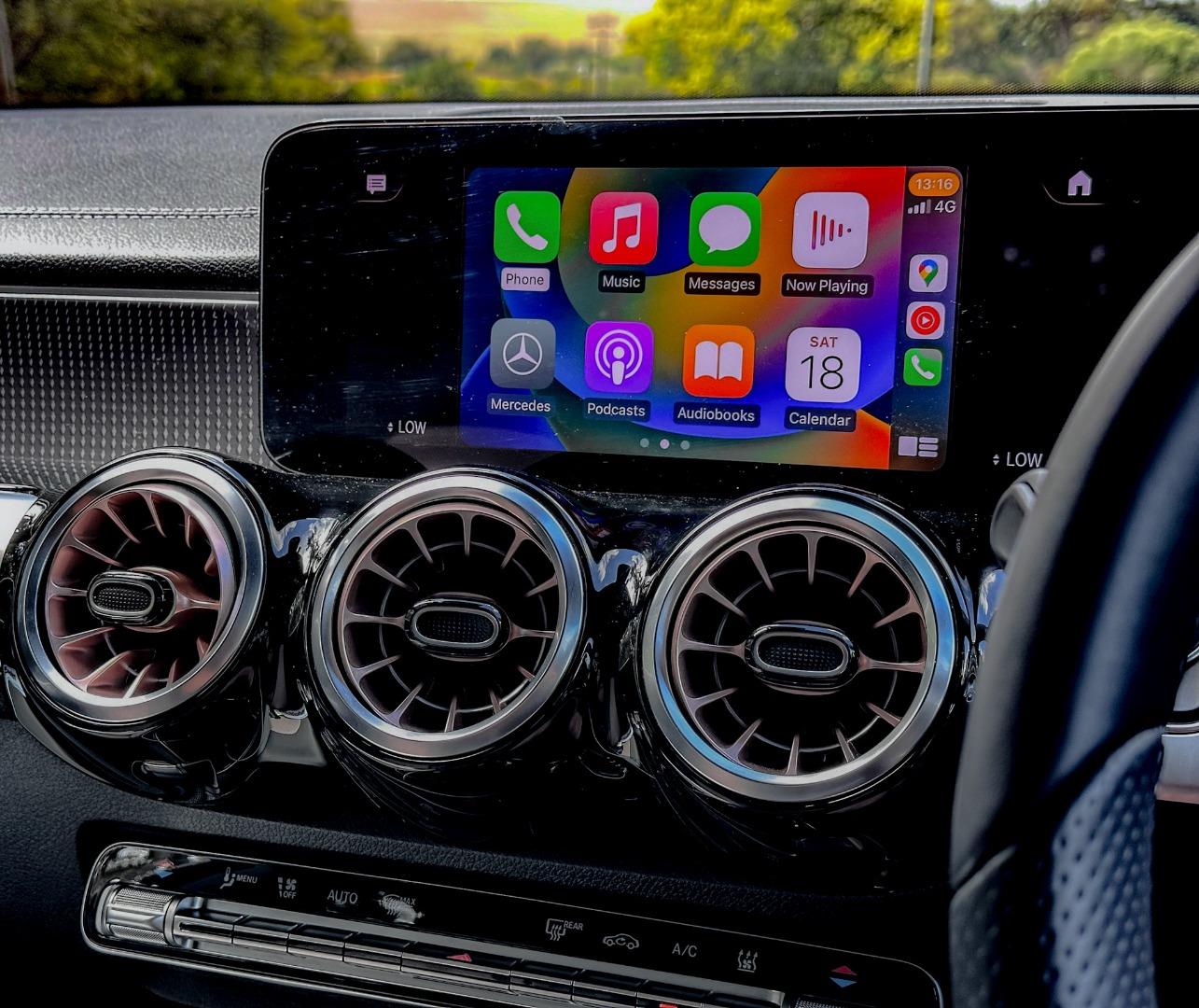
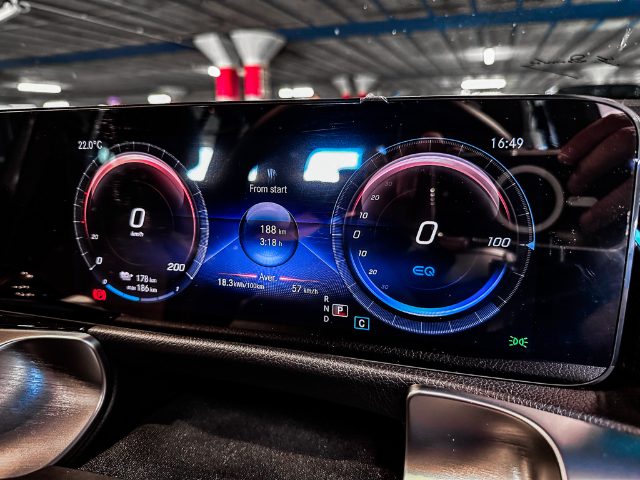
Infotainment is taken care of by two 10.0-inch OLED displays, both housed within one rectangular slab, taking care of multimedia, vehicle settings and the instrument cluster. The system features the latest MBUX OS which offers wireless Apple CarPlay and Android Auto. The system is intuitive and easy to use, while the interaction between both the central screen and the digitised cluster is seamless, leading to a premium compact car infotainment experience.
Performance and driving impression
The EQB features a pair of electric motors powered by a 66.5 kWh battery pack resulting in outputs of 215kW and 520Nm of torque. With a kerb weight of 2 175kg, the four-wheel drive EV will get from 0-100km/h in 6.2 seconds and will go onto a top speed of 160 km/h. While this performance is not exactly earth-shattering by EV standards, when one considers how much more accelerative this EQB is versus its GLB siblings, the performance becomes more impressive. The instantaneous torque delivery combined with its near-silent operation along with a supple suspension set-up means that this is an incredibly agreeable vehicle to live with.
Safety
The EQB was crash tested by Euro NCAP in 2019 where it achieved a 95% for adult occupant safety, 91% for child occupant safety, 78% for pedestrian safety and 74% for its safety assistance systems.
Fuel consumption
Mercedes-Benz claims that the EQB will consume electricity at a rate of 18.1 kWh/100km, a figure we almost managed to replicate during our mixed driving conditions. The 18.3 kWh/100km achieved in our press unit means that with 66.5 kWh of usable battery, it is possible to cover around 365km between charges, while Mercedes claim a broad figure of between 395-423km.
Charging
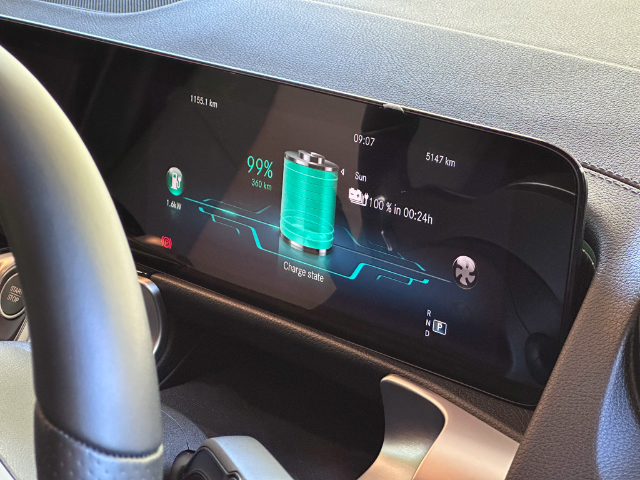
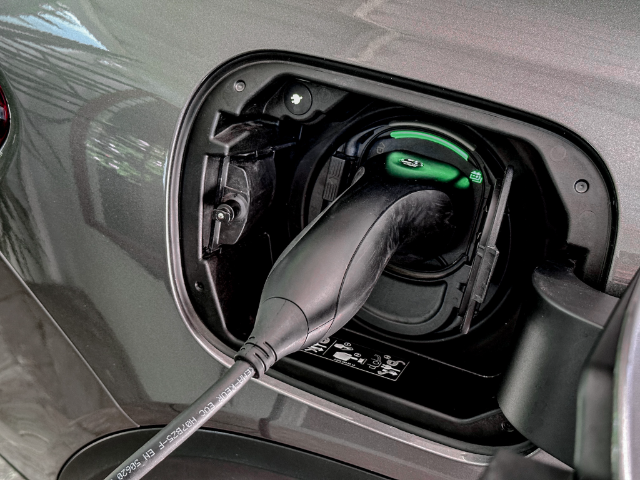
The EQB can charge at up to 11 kW using the onboard charger or up to 100 kW at DC fast-charging stations. Since our driving route was less than 200km in total, we did not need to charge the model, however, since we are well versed in living with EVs, we plugged the car in at a wall socket overnight. Before plugging it in we had 72% better remaining and by the next morning it was at 99%, allowing us to spend the day cruising through the Western Cape before our flight home.
Pricing
The EQB, in Progressive guise, was priced at R1 379 000 before options at the time of writing, making its natural rival the Volvo XC40 P8 Recharge which is more powerful and has a similar driving range but is smaller. The EQB comes as standard with a 5-year/100 000km maintenance plan and an 8-year/ 160 000km battery warranty.
Verdict
Our brief stint with the EQB left us in two minds about this crossover EV. On the one hand, it is superior in terms of performance, refinement and general drivability versus its ICE-powered GLB siblings, however, other EVs that it competes with offer better performance and similar range, while the petrol and diesel-powered GLB models are significantly cheaper. The EQB will be a more subtle transition for those going from ICE to EV thanks to its familiar ergonomics and more restrained power and torque figures, making it one to consider for those shopping in this admittedly niche segment.