Mazda CX-5 2.0 Carbon Edition (2026) Review
With a brand-new successor just around the corner, the ageing Mazda CX-5 is officially entering its sunset phase. Does its analogue, physical-button charm and premium cabin refinement still make it the clever alternative to modern rivals like the Volkswagen Tiguan, Kia Sportage, and Haval H7, or has time finally caught up with this local favourite? We take the 2.0 Carbon Edition for a drive to find out.


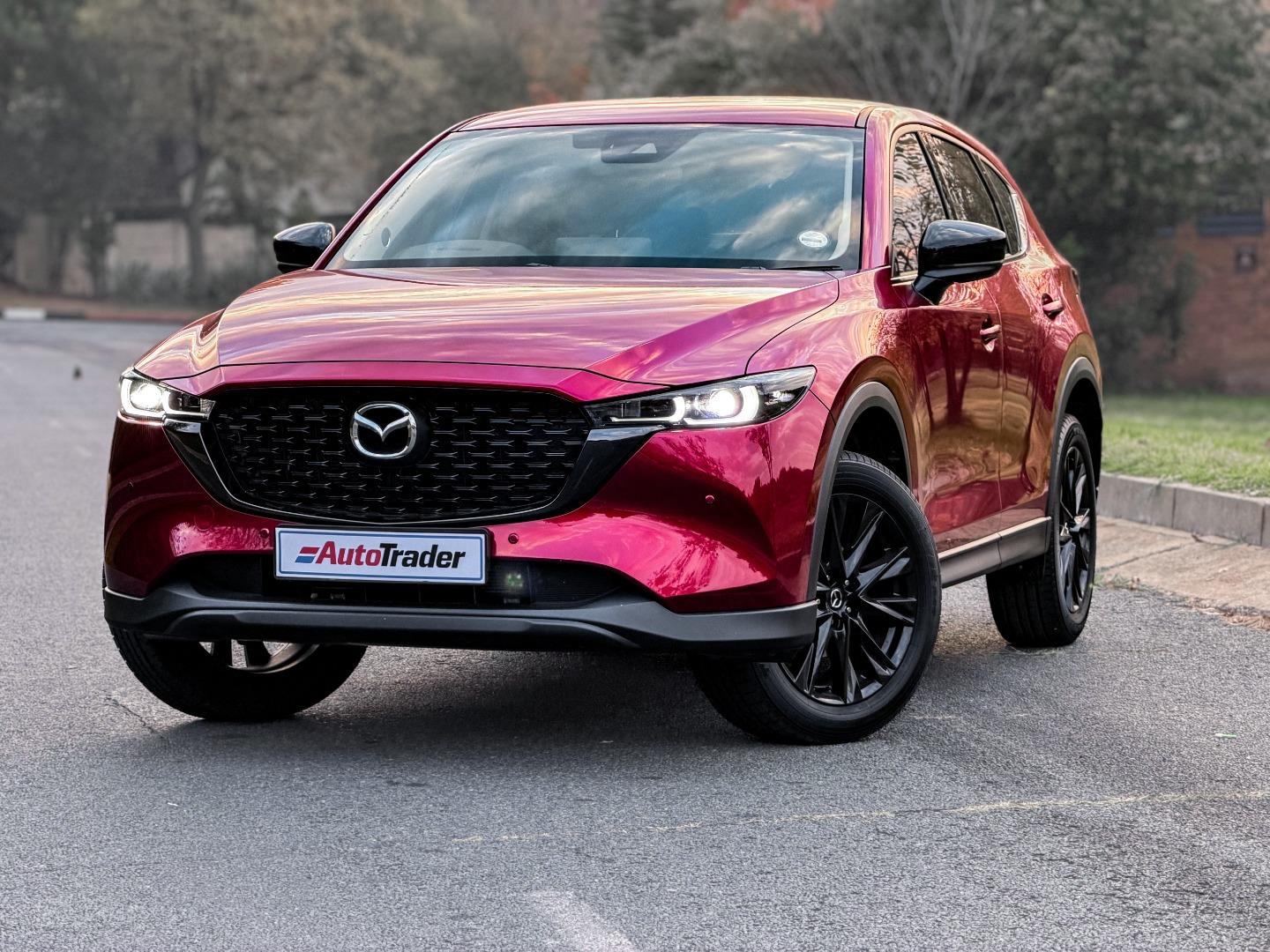
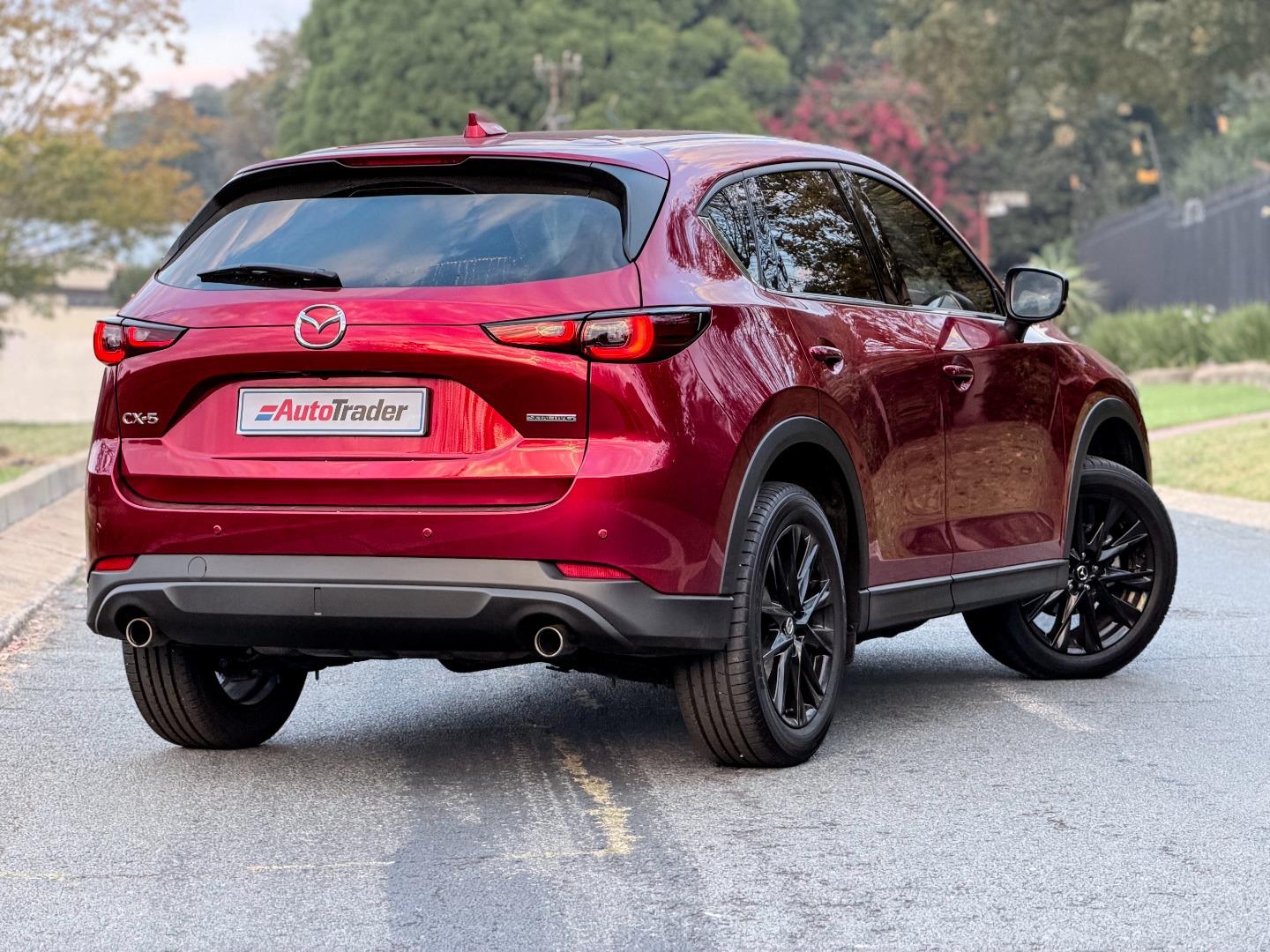
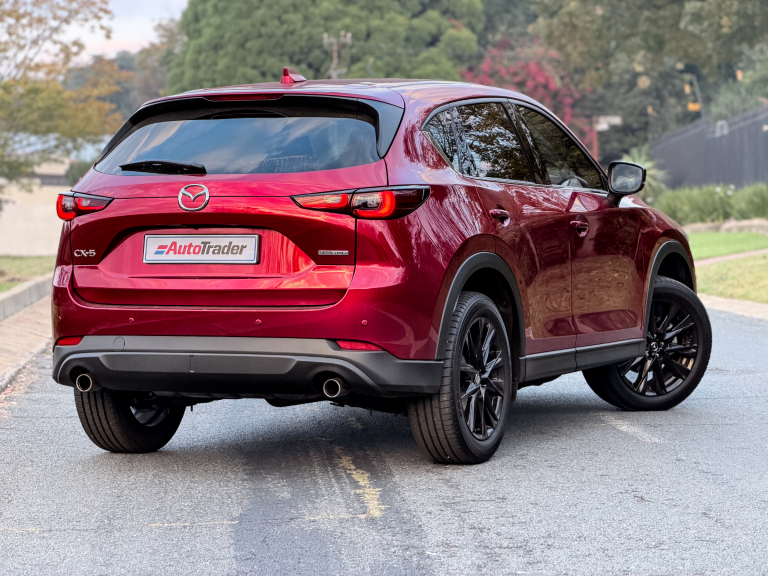
The mid-size family SUV segment in South Africa is no longer just about practical family hauling; it’s a high-stakes battleground of aesthetics, cutting-edge digital technology, and efficiency. With the latest Carbon Edition, Mazda refines a formula that has made this model a perennial favourite in the local market since 2017. However, with an all-new, larger, and highly digitalised successor looming on the horizon, the current crossover is officially entering its sunset phase. I recently drove the Mazda CX-5 2.0 Carbon Edition; here are my thoughts.
Pros
Masterclass in elegant, ageing-fluid exterior design.
Exceptional cabin refinement, ergonomics, and noise insulation.
Premium interior material choices that compete with higher price brackets.
Standard physical, tactile dashboard controls are highly intuitive.
5-year/unlimited-kilometre warranty and service plan peace of mind.
Cons
Naturally aspirated engine lacks low-down torque, making it feel sluggish at altitude.
Fuel consumption is notably higher than modern turbo-diesel alternatives.
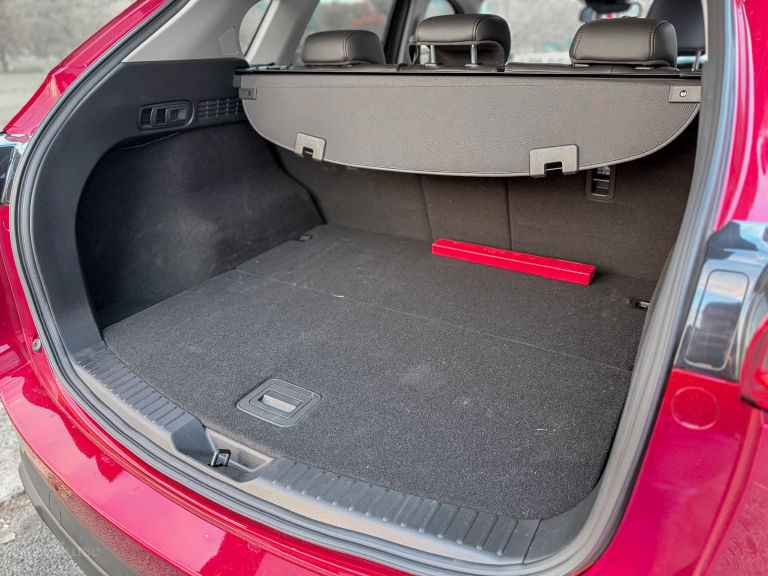
Compact boot space (438 litres) is outclassed by newer competitors.
Lacks the cutting-edge digital infotainment setups seen in freshly launched rivals.
Design
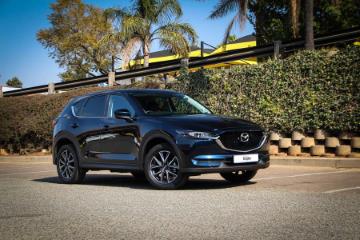
Mazda has leaned into its Kodo design philosophy with the CX-5. In Carbon Edition guise, it features a gloss black grille, matching black mirror caps, and sits beautifully on dark 19-inch alloy wheels. It is a design that has aged incredibly well—perhaps better than its sharper, more angular competitors.
While newer metal relies on aggressive creases to look modern, the CX-5 uses smooth, sweeping surfaces that catch the light effortlessly. Suffice to say, the number of compliments it continues to receive on South African roads is impressive, no doubt a result of a well-thought-out design.
Interior
Step inside the Carbon Edition, and you are met with a cabin that feels like a premium, driver-centric lounge. Unlike the newer Volkswagen Tiguan or Haval H7, which push almost every function into massive digital layouts, Mazda’s focus remains on physical, tactile integration. You get mechanical climate-control switchgear and a rotary commander dial on the centre console. While tech-focused buyers might find the screen setup small by modern standards, the system is fast, and the lack of touch-only controls is a massive win for safety—adjusting fan speeds or temperature on a bumpy provincial road requires far less concentration here.
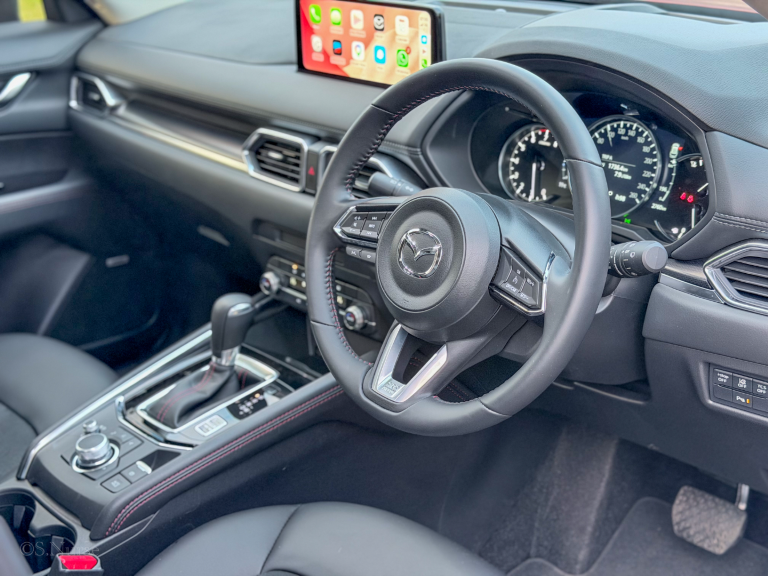
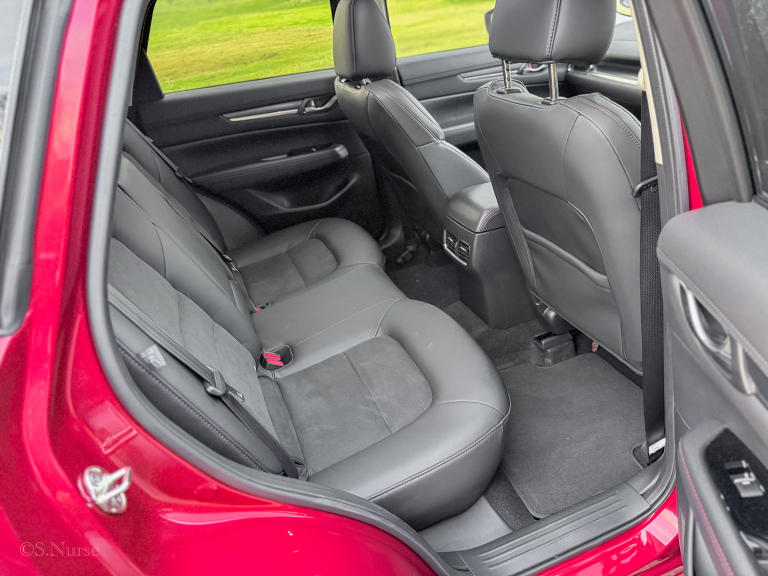
The Carbon Edition comes heavily specced as standard, treating occupants to a brilliant 10-speaker Bose sound system and a crisp Head-Up Display. The black leather-and-suede seats with contrast red stitching feel immensely upmarket, though the gloss-black trim on the centre console remains a relentless magnet for fingerprints. Practicality, however, is where its age begins to show. Despite its family moniker, the boot offers just 438 litres of space. While perfectly adequate for daily errands, it is completely overshadowed by the cavernous family spaces engineered into its younger peers.
Driving impression
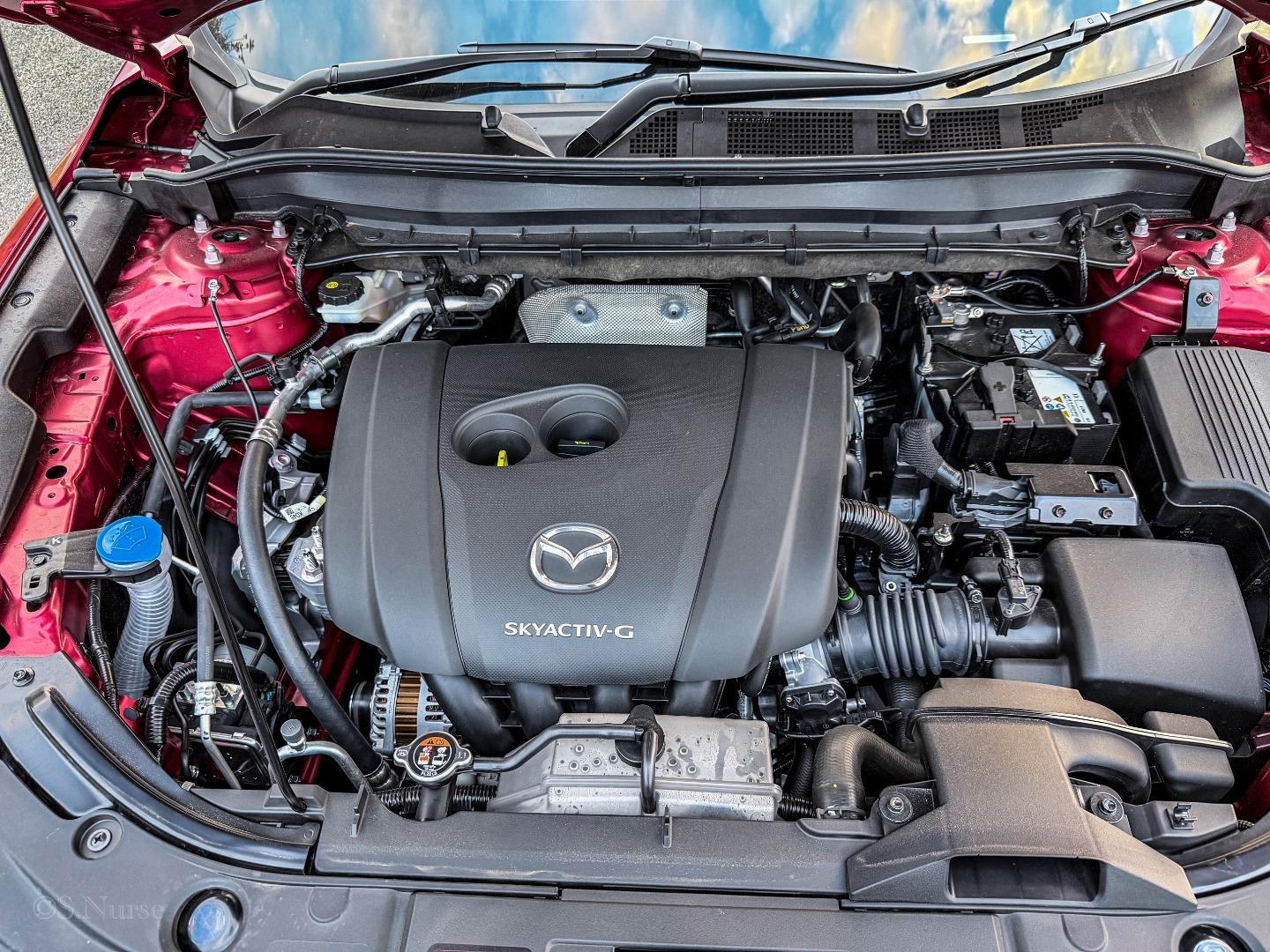
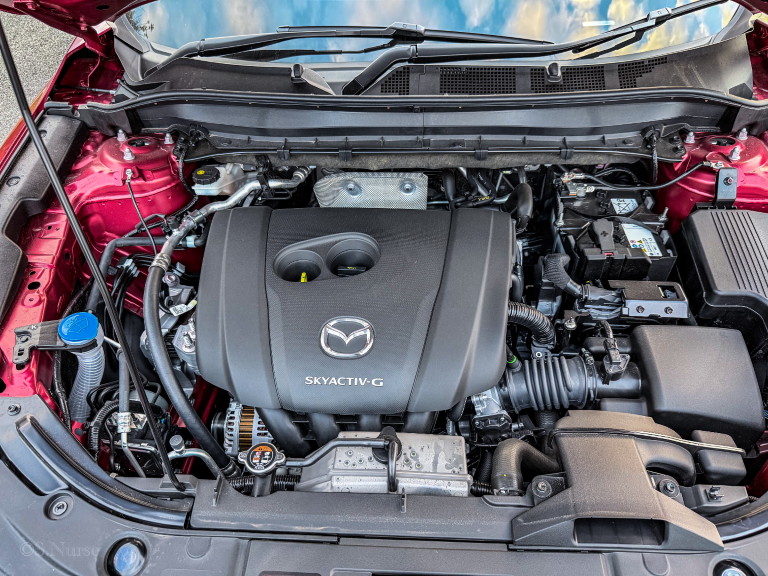
The driving experience is defined by a naturally aspirated 2.0-litre Skyactiv-G petrol engine paired with a 6-speed automatic torque-converter gearbox. Delivering 121kW and 213Nm, it provides linear power delivery but lacks the low-down, punchy torque of modern turbocharged setups. While smooth and mechanically bulletproof, the 2.0-litre unit needs to be worked hard at altitude during overtaking manoeuvres on the highway. The engine and gearbox felt dated years ago, and in 2026, it's relatively archaic, but dependable.
Where the CX-5 truly shines, however, is its ride quality and handling. The chassis is balanced; the steering is beautifully weighted, and it corners with remarkable composure for a tall family vehicle. It simply glides over the road scars and potholes that often plague our roads, offering cabin isolation from wind and tyre noise that matches far more expensive European vehicles. This is comfortably one of the most refined cars in its class to drive.
Fuel Consumption*
Claimed average: 6.9 L/100 km
Actual average: 7.8 L/100 km
*With a 56-litre fuel tank, an average real-world range of around 680 km is achievable on a combined cycle.
In an era of fluctuating fuel prices, the CX-5's real-world efficiency depends heavily on your driving style. Because it lacks a turbocharger, brisk acceleration forces the gearbox to kick down and rev higher, which increases fuel consumption. On a steady, flat highway cruise, it settles down beautifully, but around town, it cannot match the efficiency of a dedicated modern diesel or hybrid.
Safety
The Carbon Edition features:
Airbags: 6 (Front, side, and curtain).
Driver assist tech: Lane Departure Warning with Lane Keeping Assist, Blind Spot Monitoring, and Rear Cross Traffic Alert.
Convenience: Keyless access with push-button start, Adaptive LED headlights, and a hands-free electric tailgate.
Rivals
At R688 400, the Mazda finds itself surrounded by fierce, modern competition. There are many options in this segment, but I have selected three as just a sample of what else is available.
Volkswagen Tiguan 1.4TSI (R668 100): The freshly launched German alternative offers far more badge prestige and a massive 652-litre boot. Its 1.4-litre turbo engine delivers better low-down punch (250 Nm) via an automated dual-clutch transmission, though its standard warranty is notably shorter.
Kia Sportage 1.6CRDi LX (R662 995): For the long-distance commuter, the Sportage diesel is the efficiency champion. Its 1.6-litre turbo-diesel engine thumps out 320 Nm of torque at just 2 000 r/min, translating to effortless overtaking while sipping a microscopic claimed 5.0 L/100 km. It also aligns with Mazda's unlimited-kilometre warranty for peace of mind.
Haval H7 2.0T 4WD Super Luxury (R674 950): If you want sheer value, size, and firepower, the incoming Haval H7 delivers 170kW and 380Nm through an All-Wheel Drive (4WD) system for less money. It completely dominates on pure specification and digital screen real estate, though it lacks Mazda’s badge heritage and suffers from a thirstier 9.1 L/100 km average.
Verdict
The Mazda CX-5 remains a middle-of-the-road product in an increasingly competitive segment. Still, it manages to look both elegant and behave as a highly dependable family tool. The Volkswagen Tiguan offers vastly more luggage space, the Kia Sportage is a significantly more efficient long-distance cruiser, and competition from China offers more spec for your money. While you may not be disappointed with the CX-5, it's certainly worth test-driving all the options in this segment, or simply waiting a few months for the new model to be released locally.