
Isuzu KB300 D-TEQ Double Cab 4x2 Auto
We review the Isuzu KB300 D-TEQ Double Cab 4x2 Auto


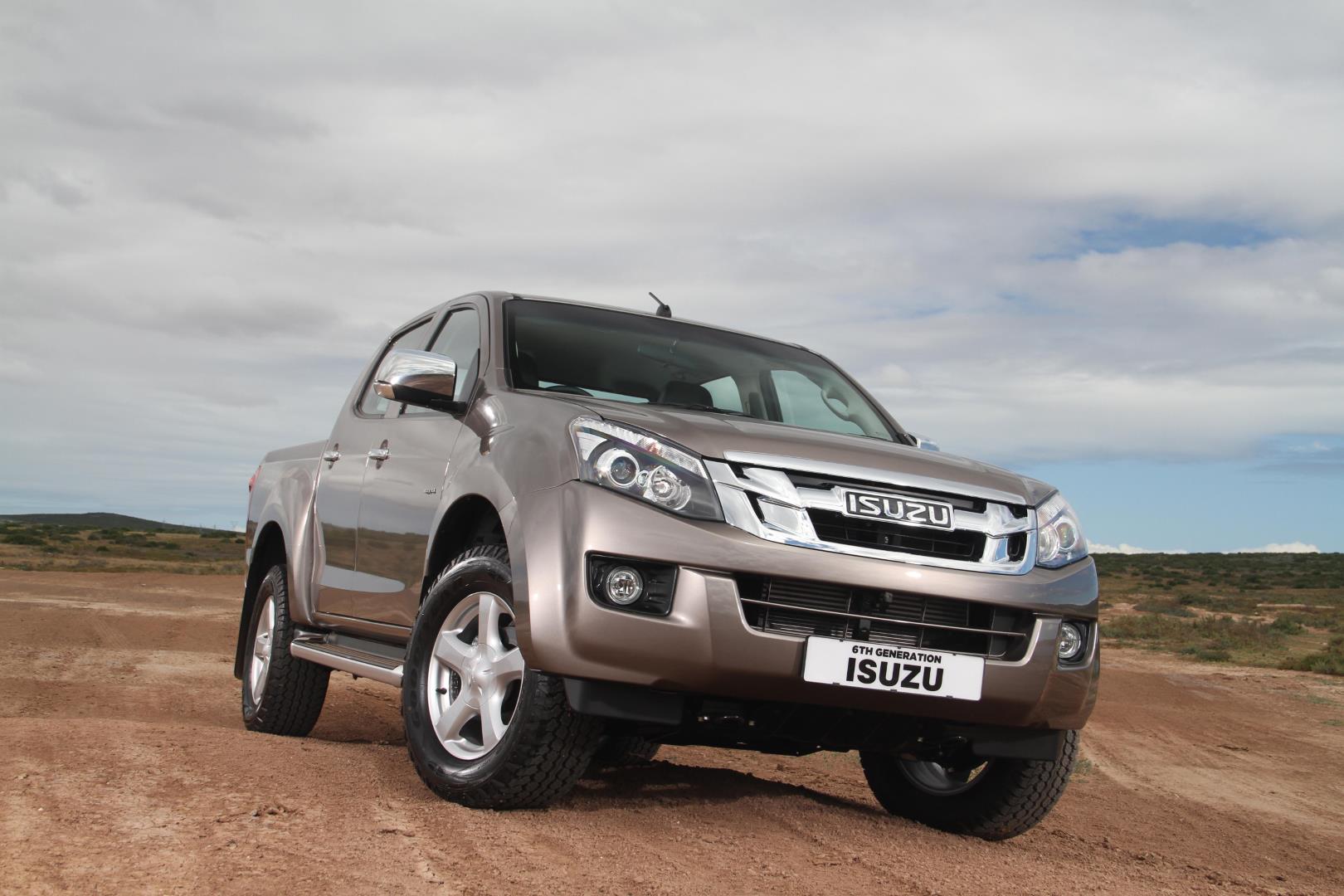


In South African markets, where the pick-up truck is affectionately referred to as a bakkie, none has been a greater synonym for a workhorse, other than the Isuzu KB Series. While always regarded as an alternative to the popular Toyota Hilux, the KB certainly flexed its muscles a little more and never made its way into daily driven, first car territory, the way the Toyota did. While you would be comfortable with a Hilux as a daily drive, the KB always just felt more at home when roughing it, when doing some kind of brutish work.
In hoping to filter more into that first option vehicle market, GM has updated the KB Series over the last few years, refining it and improving the drive as to make it a better companion and less of an implement. Refinement in the engine and drivetrain has done wonders for the model range and for its popularity amongst active lifestylers. The front end has been updated with a new grille and headlights while LED taillights now rest at the rear.
With a capable 4x4 system and compliant chassis, the KB Series has managed to craft its way into the rugged off-road sector too, but the model we had on test was the 4x2 double cab, KB300 D-TEQ. While it may have been fitted with the larger motor, the drivetrain suggested that it would be better suited to the school run, rather than the Botswana one. It didn’t stop us from going off the paved sections and loaded up with the drift bikes, we found it to more than capable enough of handling a little rough terrain.
With a diff lock system, the 4x2 was surprisingly capable, managing to climb gradients with some careful driving and a little momentum. Approach and departure angles were more than sufficient enough and the grip levels were decent enough, without having to drop pressures. The automatic gearbox was not as harsh as expected and shifts smooth enough to be comfortable on the road.
The 3.0-litre, 4-cylinder turbo diesel delivers strong torque from low in the rev range, but soon runs out of steam, however, mated to the auto gearbox, this is hardly noticeable and only presents itself when run to the limit when overtaking. The motor makes 130kW at 3600rpm with torque of 380Nm from as low as 1800rpm. The quoted combined cycle fuel consumption is 6.5-litres / 100km but we found it to be a little heavier, moving closer to 9 on the combined cycle.
While I understand the workhorse nature of these machines, with the dark leather opulence of the upholstery, one would think that more could be done with the dashboard and fascia plastics. The approach to the driving position is best described as agricultural, with an extremely upright seating position needed to make the steering fall comfortably to hand. Let me be clear and say that the Isuzu isn’t the only offender here, it’s too many of the bakkie / double cabs that feel this way, but the Isuzu does seem to suffer the most.
The equipment list improves proceedings inside the cabin with Bluetooth/ MP3 audio and steering controls, making it pleasant enough for the daily grind, but not enough to make it suitable for any sort of long haul.
The double cab KB300 D-TEQ Auto 4x2 is therefore a suitable companion for the driver looking for the best of both worlds, one who doesn’t like fighting with a manual gearbox and doesn’t quite need the full-blown 4x4 prowess offered in other models.
The KB300 D-TEQ 4x2 Auto retails for R445 700* (now R460 300) and is offered with a 5 year / 120 000km warranty and a 5 year / 90 000 km service plan.
*Price at time of review.
Want to know more? Watch our video review here