
Isuzu KB 250 is Sensible and Sturdy
We review the Isuzu KB 250 D-TEQ LE 4x4


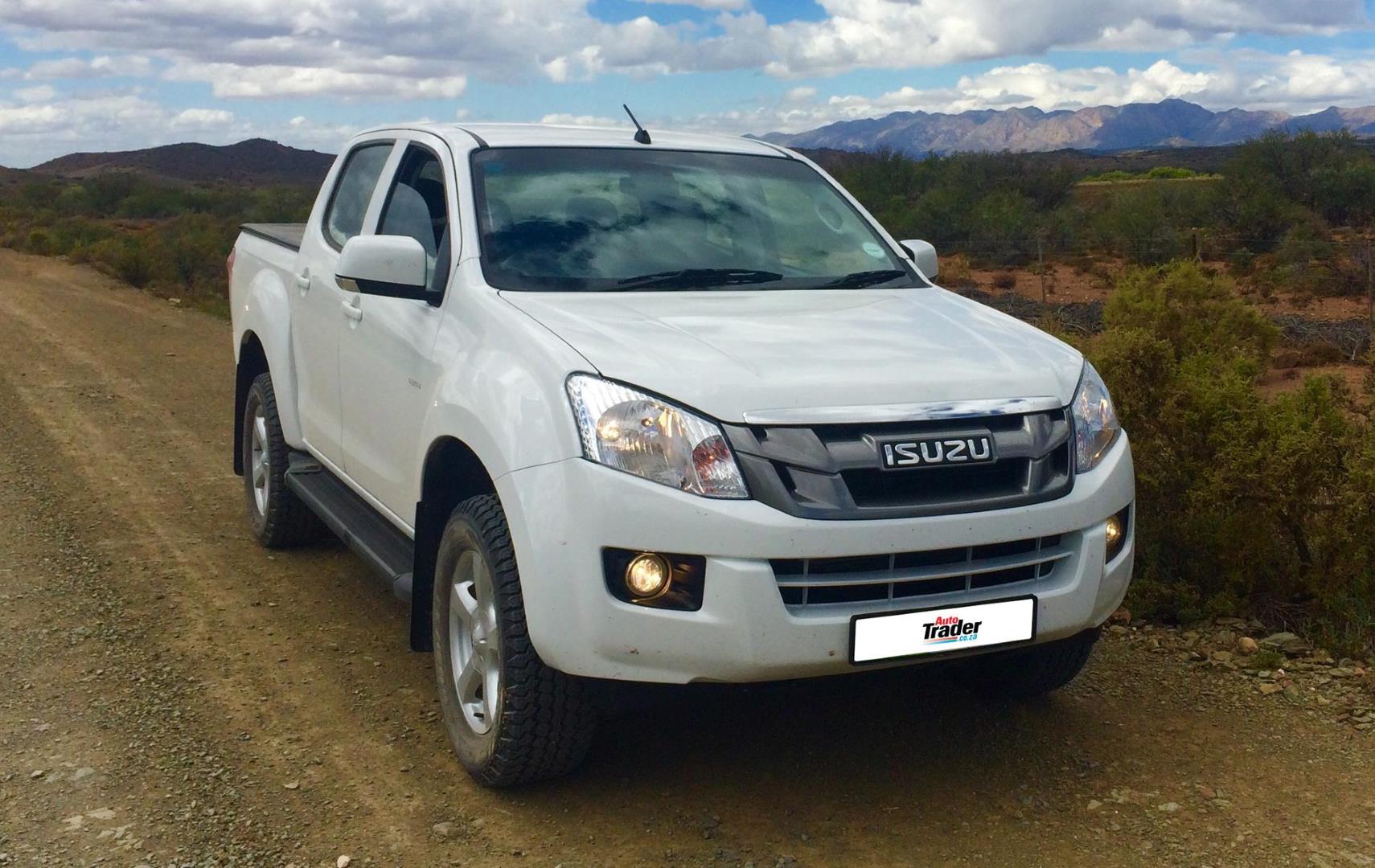
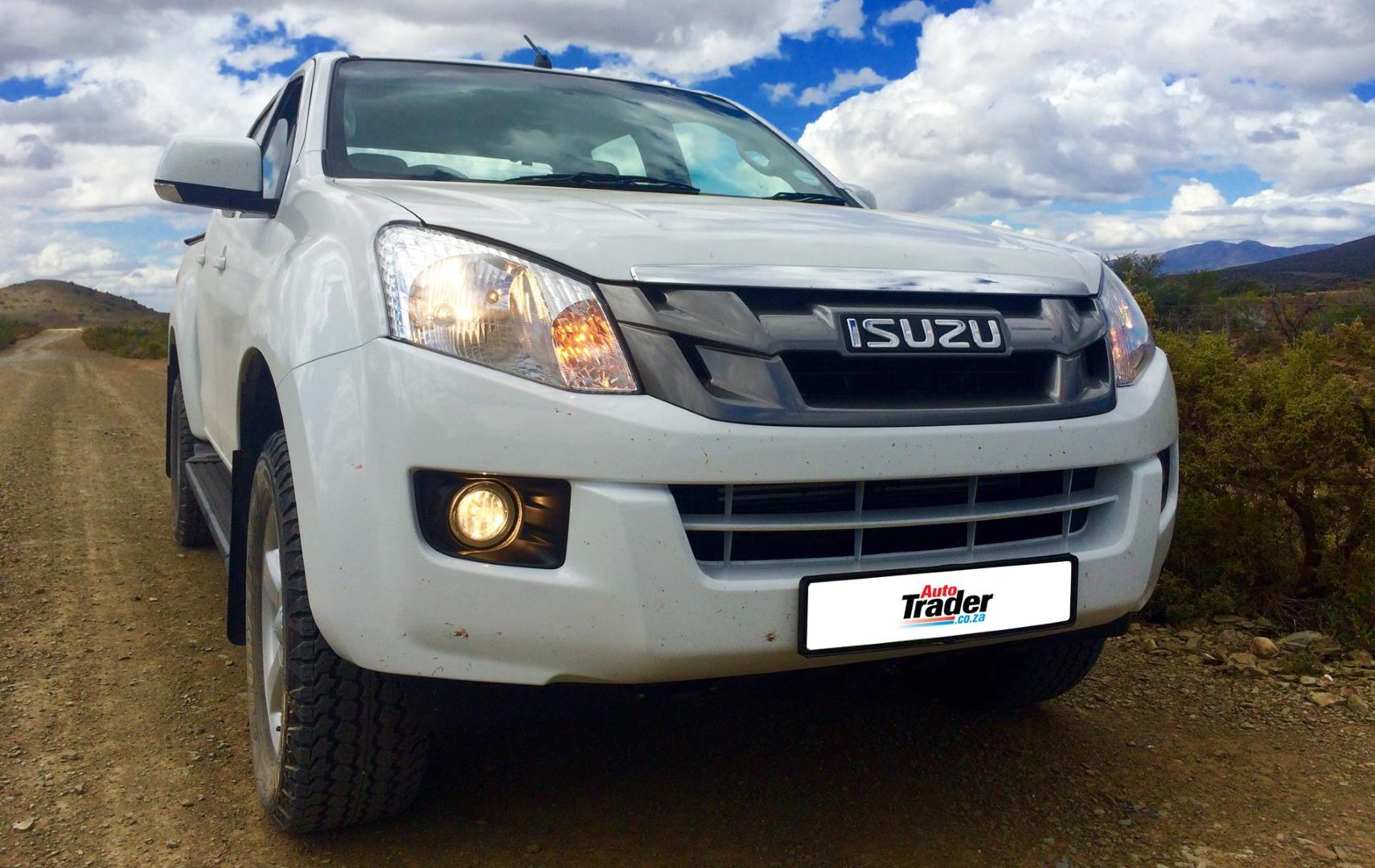
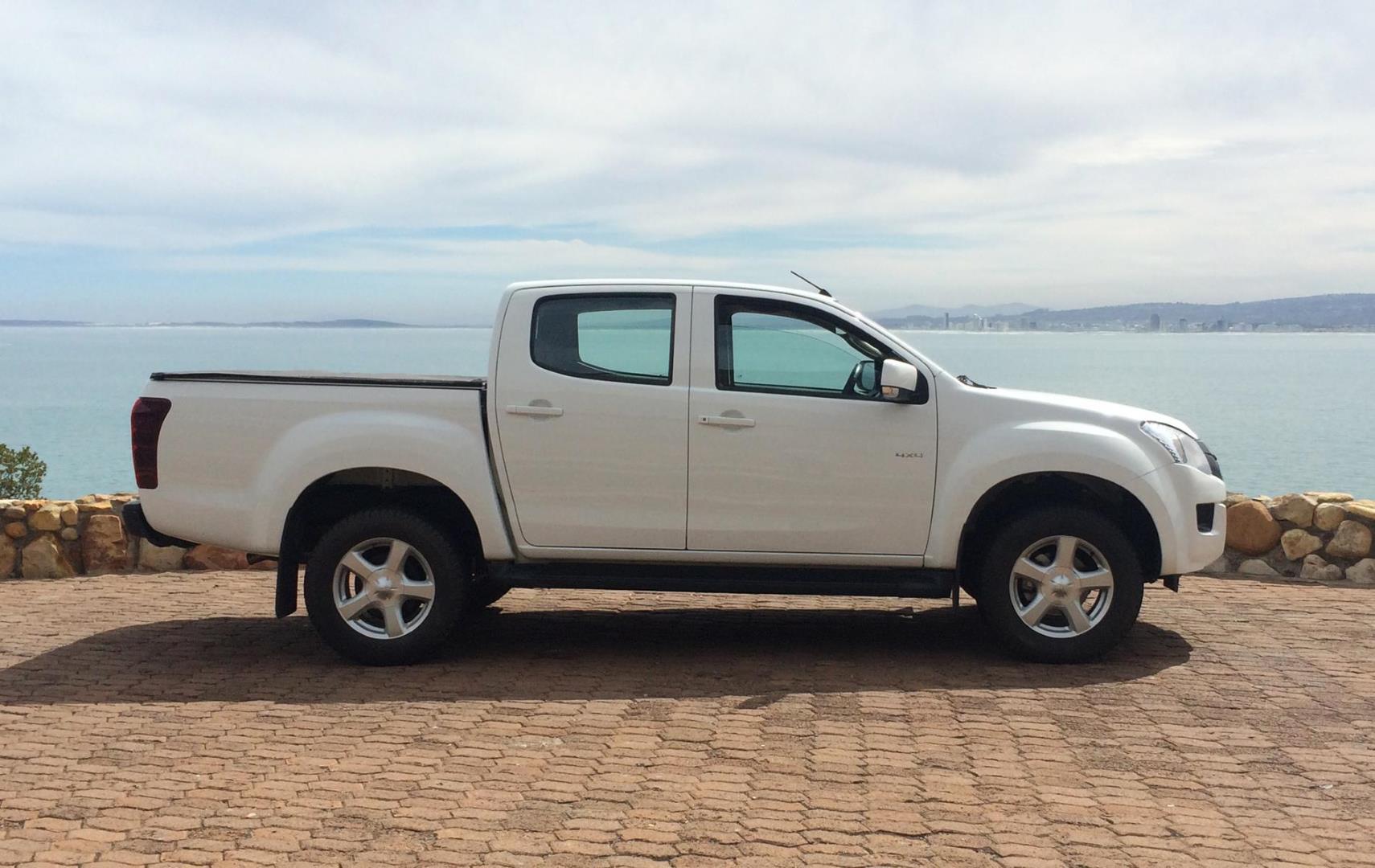
The battle of the bakkies, especially in South Africa, is fierce. Toyota have just launched their shiny-grilled new Hilux, and Fords very car-like Ranger continues to draw adventurous and practical consumers alike. But what about the tried-and-trusted Isuzu KB?
Hetero Bakkie
The Isuzu KB has been a firm favourite among farmers and other folk who aren’t that keen on all the bling these other bakkies are bringing. The KB perhaps has the most no-frills, work-horsey pick-up image of the bunch. While the Ford Ranger and the Toyota Hilux offer plenty of tech and refinement, I can almost see a farmer buying a Ranger for the wife and a more toned-down Isuzu KB for himself. But is the Isuzu KB too hardcore and impractical for everyday use by a luxury-loving lady like myself? There was only one way to find out: by driving it into the depths of the Little Karoo.
Diesel dreams
Another reason for choosing the Isuzu KB for this journey, was its fuel-economy. On Tuesday the Isuzu KB rocked up at my doorstep in Hermanus, after it had been filled up in Cape Town which is 116 km away. The KB 250’s favourable figure of 7.9 litres of diesel per 100 km would hopefully get me from Hermanus to Willowmore all on one tank. I hopped into the KB on Friday afternoon after lunch, and with Google Maps on hand, I was looking forward to some head-clearing country roads.
The N2 was quite congested, and after stopping for a coffee and a samoosa at Buffeljagsrivier, I left the N2 for Route 62. By now I had completed 151 km, and I was not feeling fatigued at all. The KB’s seats are supportive, and covered with soft material that feels rather pleasant when your legs are bare. The radio is good too, regardless of a little road noise that permeates the cabin. When my iPhone battery started to fade, I started hunting for a USB port, but alas! It is not the standard USB size. (There is an auxiliary Port for your iPod though, and Bluetooth is standard.) Apart from that little niggle, there isn't much to moan about. The cabin is solidly built, practical, and sufficiently modern. Satellite controls on the leather-covered steering wheel (as well as cruise control) are standard on this variant - a must-have on long road trips.
Smooth going
By the time I passed through De Rust, sunlight was waning and I still had 111 km to go. I was enjoying the drive immensely. The scenery between Oudtshoorn, De Rust and Willowmore is quite spectacular and the Isuzu KB’s road manners were better than expected. Did I need more power? Not really. There has been a small increase in power and torque from the previous generation and it does nicely, if you are not afraid of shifting the 5-speed manual box. For a robust bakkie-gearbox, it shifts easily and smoothly.
When I reached Willowmore just after sunset, I parked my KB, feeling rather pleased. The fuel light had come on after 800 kilometres, so I would need to fill up the next morning before heading into the Baviaanskloof for some off-roading.
Dirt King
After a hearty breakfast, I was told of some political unrest in Willowmore. People were burning tyres and buildings in the main road, so getting out of town would be impossible on either side. Instead I would have to take the 100 km dirt road to Meiringspoort, which did not lead to the Baviaanskloof. Maybe it was a blessing in disguise, because this desolately beautiful stretch of corrugated, rocky dirt road I had in front of me was just the thing the KB had been waiting for. It handled this alternative route with so much confidence that I was highly disappointed when it came to an end. It is not easy driving on dirt, yet this is exactly the type of terrain that KB owners spend most of their time on. This actually turned out to be the most fun part of the entire trip. For conditions such as these, the front differential can easily be switched to 4 High by turning the rotary dial on the centre tunnel. For more challenging terrain, just turn it to 4 Low (at standstill, of course). The button for the (standard) rear diff lock is located on the dash, to the left of the steering wheel.
When the KB 250’s all-terrain tyres were back on the tarmac, I had to admit that this bakkie felt very much at home on this surface too. Its execution of the hairpin bends on the Huisrivier Pass was rather good, considering its workhorse underpinnings.
Is the Isuzu KB 250 the bakkie for everybody?
So is the KB just as suited to the builder’s wife as it is to the builder? It is really easy to drive, and has enough room for the builder’s children in the back, or three adults. The fact that there are only 2 airbags in the LE-variant may prevent the moms from getting enthusiastic about the KB 250 as the official family vehicle. Other safety features include ABS, EBD, Brake Assist and Electronic Stability Control. There are Isofix anchors for child seats.
If rear airbags are of cardinal importance, the more powerful and higher-specced KB 300 D-TEQ LX 4x4 will cost you R549 800. Not going to do any extreme bundu-bashing? There’s always the KB 300 D-TEQ LX 4x2 at R 486 900. ( All LX- derivatives have six airbags.)
I love the way this bakkie drives, so if rear-passenger safety is not your number one concern, the reliable and economical Isuzu KB 250 D-TEQ LE 4x4 is a sound and logical choice.
Facts & Figures
| Price | : R 457 400 |
| Engine | : 2.5-litre, 4-cylinder |
| Power | : 100 kW @ 3500 rpm |
| Torque | : 320 Nm @ 1800 - 2800 rpm |
| Ground clearance | : 224 mm |
| Transmission | : 5-speed manual |
| Payload | : 1000 kg |
| Towing capacity | : 750kg (unbraked), 2100 (braked) |
| Fuel tank | : 80 litres |
| Fuel consumption | : 8 - 10 litres per 100 km |
| Also consider | : Toyota Hilux, Ford Ranger |
For the complete list of specifications, please visit www.isuzu.co.za