
Are cheques safe when selling a car?
Are cheques safe when selling a car?


By Stuart Johnston
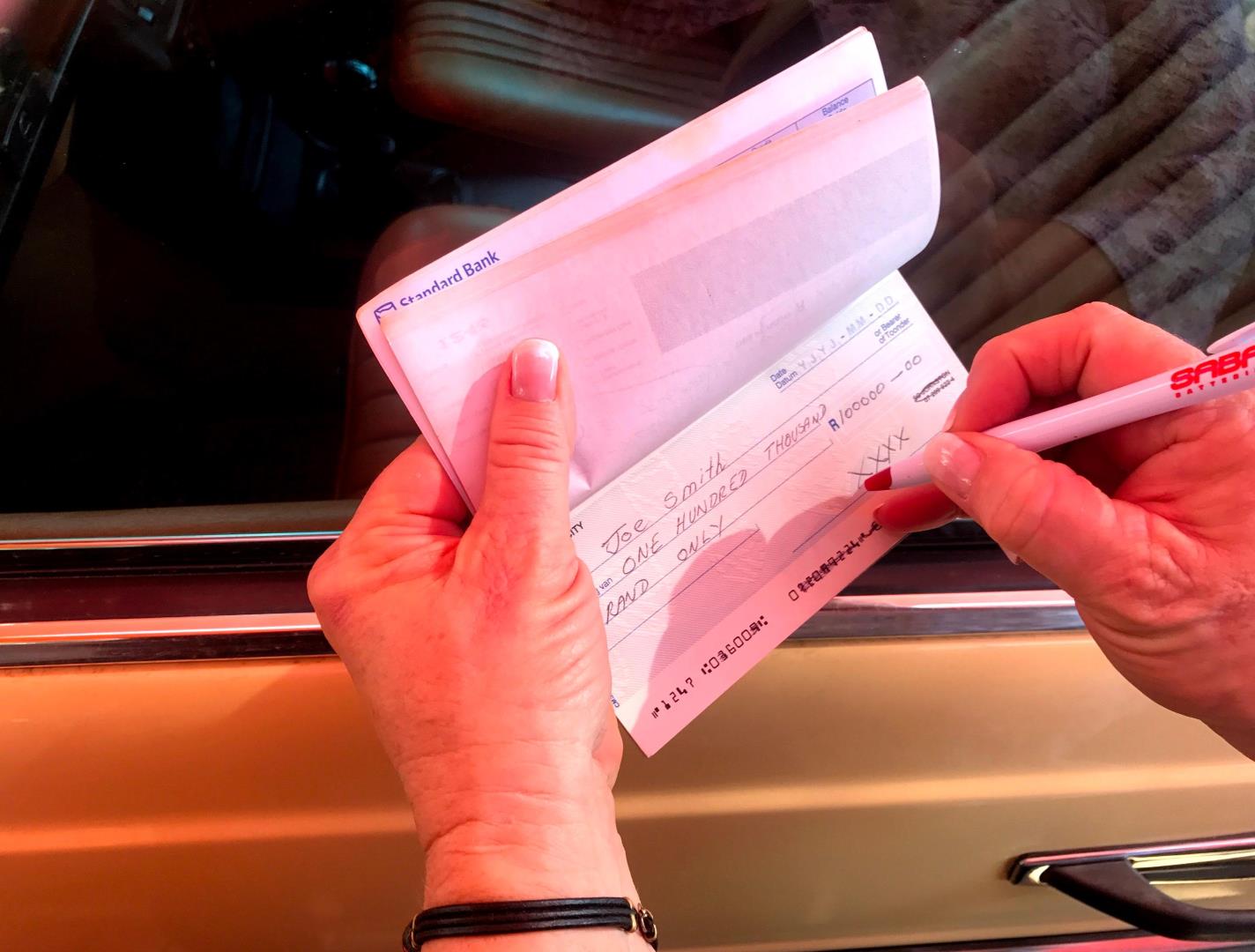
In this electronic age, most money transactions are done electronically. And yet paying by cheque is still considered legal tender. The question is, should you accept a cheque when selling your motorcar?
The answer to the question, here in South Africa, is a simple “No”. The accepted wisdom is that it is too easy to stop payment on a cheque, even once it has been lodged in your bank account.
This applies especially to personal cheques. There is nothing to stop a so-called ‘buyer” from writing a cheque for an amount that far exceeds the money residing in the bank account listed on a personal cheque. If you have already parted with your car and the registration papers of your car, and transferred ownership of the car, you could be left with no car and no money in your account to show for it.
Bank cheques are also not fraud-proof
In the past, a so-called bank cheque, also-known as a “bank-guaranteed cheque” was considered to be a fool-proof and fraud-proof method of rendering payment. But past experience has shown that even these bank cheques have been subject to fraudulent manipulations, resulting in the stated amount on the bank cheque being reversed by the bank at a later stage, due to a belated discovery of “insufficient funds” to cover the amount on the cheque.
Cash is also a suspect way of paying for a car
Financial advisors also warn against accepting cash for large transactions, such as the selling price of a motorcar. Counterfeit banknotes have been in circulation here in South Africa for some time, as anyone who has had their banknotes scrutinised in a supermarket check-out will verify.
Accepting a cash payment for an amount totalling between R50 000 and R200 000 also puts the seller at risk regarding handling all that untraceable cash. In addition, banks charge a large fee when accepting big amounts of cash for deposit into an account.
The safest and easiest payment method is an EFT
The safest way to receive a full payment for a car is an EFT, which stands for Electronic Funds Transfer. You supply the buyer with your bank account details, and he or she arranges for the full amount to be paid into your account.
When an EFT is made you will normally receive notification of this via your cell-phone. But to ensure that the money has been lodged, visit your bank to verify that the money is, in fact, safely residing in your account. Obtain a print-out proof of this transaction from your bank.
Then, and only then should you part with the keys to your car and the registration papers, and arrange for transfer of ownership of the car to the buyer.
Do not be swayed by requests to pay your car off in instalments.
Never accept a so-called deal whereby the buyer offers to pay off the car in instalments. You are in no way obligated to arrange a personal finance scheme for the buyer. Obtain the full agreed amount for your car via an ETF, and then the deal is done, quickly and cleanly. What you are after is a deal were there will be no come-backs.
Remember: If the buyer cannot afford the price you have set, and make that payment in one single and verified payment, that person doesn’t deserve to own the car.