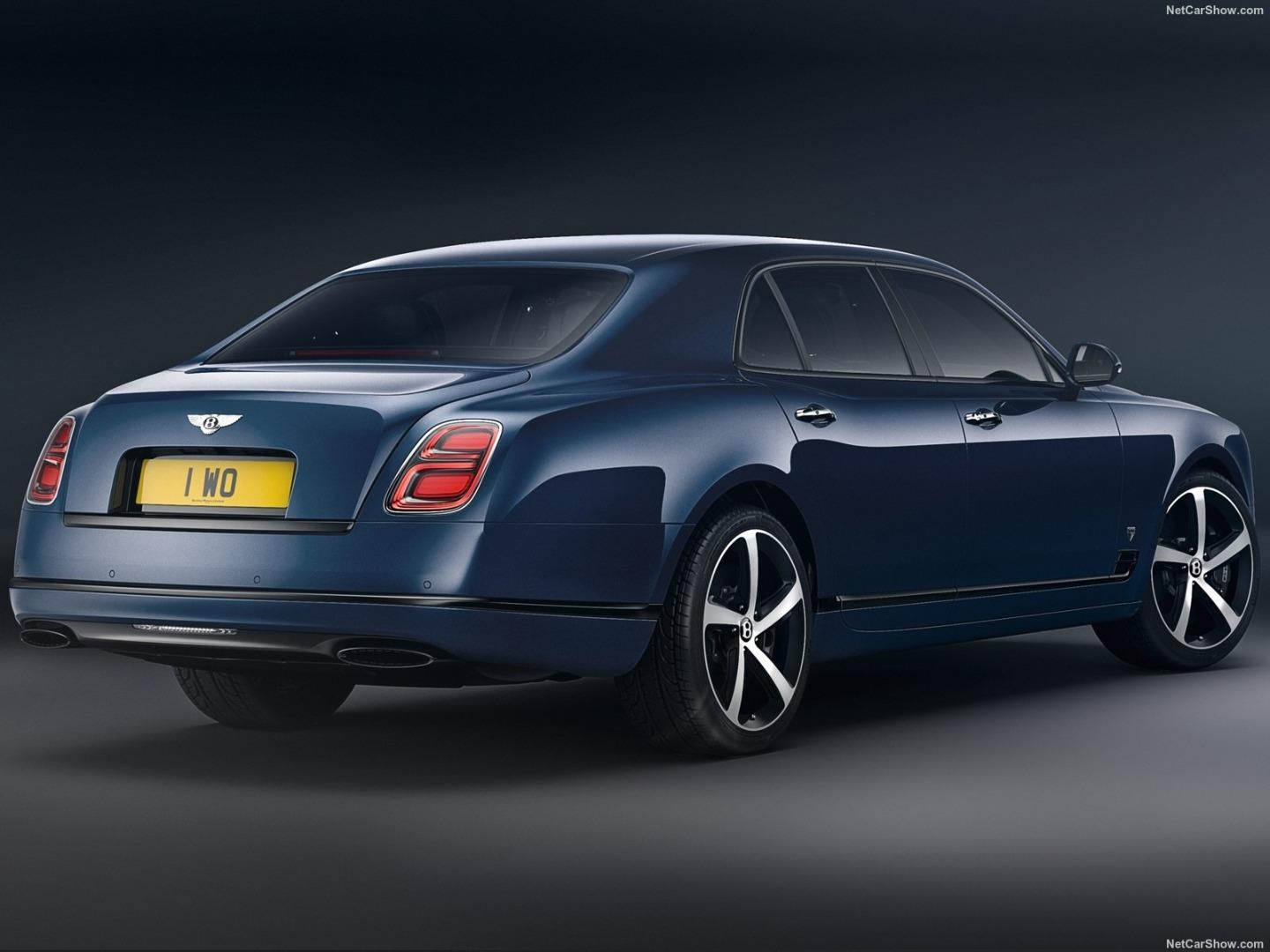
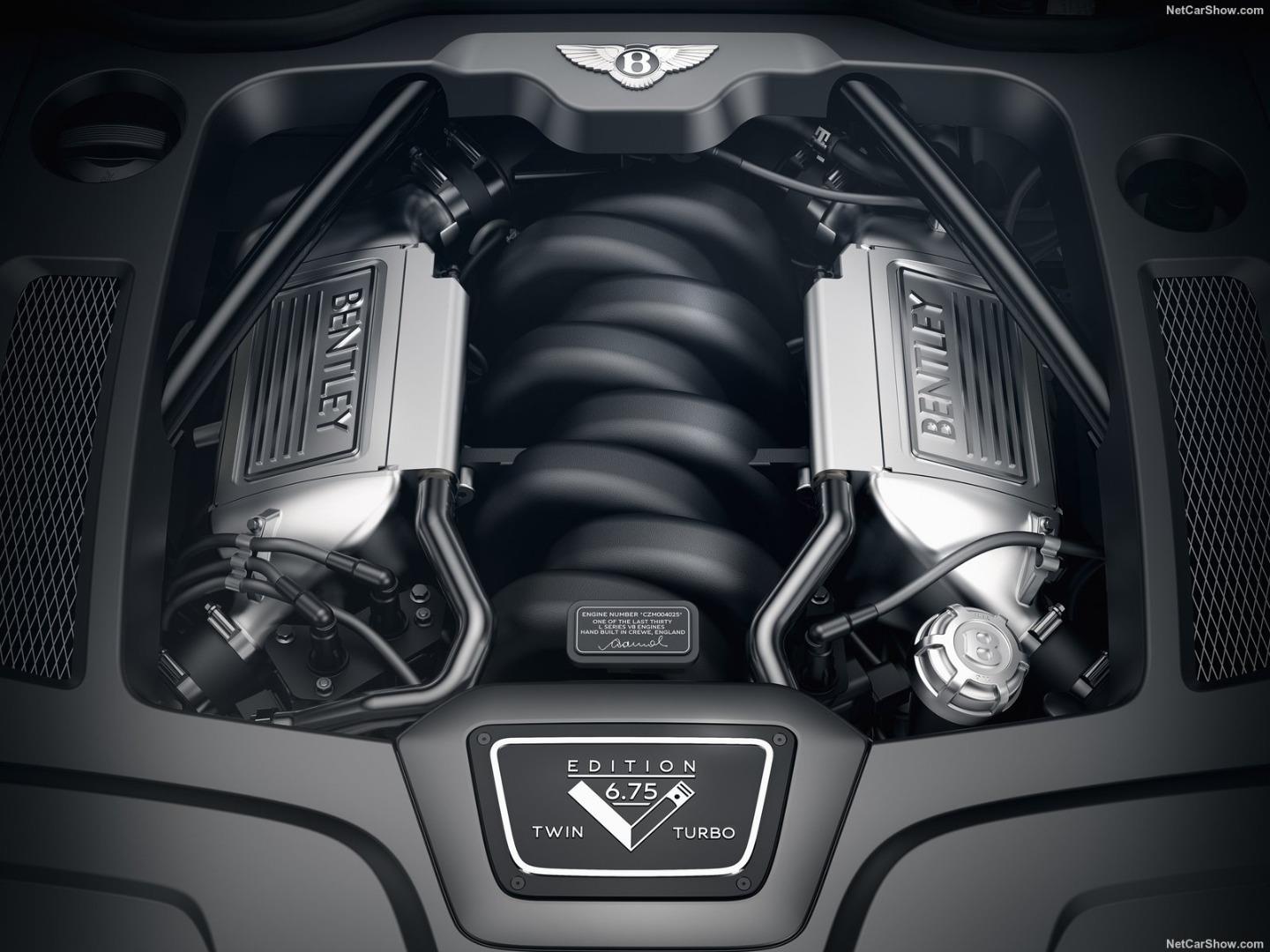
The Bentley Mulsanne has been around for nearly a decade and has seen a variety of special iterations presented to the market. The Mulsanne name, however, first appeared in 1980 as part of Bentley's model range. Most recently Bentley introduced the 6.75 Edition which pays homage to the famous 6.75-litre V8 which started production in 1959 and is the world's longest-serving V8 engine.
Related: 5 extras you should retrofit on a used Bentley Mulsanne
The Bentley Mulsanne 6.75 Edition will be limited to 30 units only and will most likely find their way to the most loyal collectors of the brand. The limited-edition vehicle incorporates styling cues which honour the 395 kW and 1 100 N.m motor with which it shares its namesake. This special model will also be the last of the Mulsanne vehicles to be produced with production halting in 2020.
Workmanship
The Bentley Mulsanne comes off the floor with a 3-year/unlimited-kilometre warranty and can be transferred to a second owner. The warranty in place cover workmanship which is the degree of quality each vehicle is made.
Bentley spends an average of 400 hours building each Mulsanne with more than 75 per cent of the 5 800 spot welds on the bodywork executed by hand. Technicians also build the motor by hand whilst the leather interior is hand-stitched over an average of 150 hours.
Manufacture
Although you can have the most skilled artisans assembling the vehicles, their quality of work is only as good as the components they use. Covered under the warranty is manufacturing which means that should the components fail or not be of the high standards of the marque, Bentley will repair or replace those parts for the owner.
This provided that the vehicle adheres to the service schedule at a certified dealership every 15 000 km or each year, whichever occurs first and was not in a collision or used outside its natural operating conditions.
Parts
Like all cars, a Bentley is the culmination of a variety of components and while some are produced by the automaker, others are sourced from reputable companies. These components while manufactured by a supplier undergoes the same high standard quality control executed on components made by Bentley.
This results in these components also being covered under the manufacturer warranty provided they have not been altered or modified in any way or have not sustained damage due to an accident. Owners should also take note that components that will naturally deteriorate with use such brake pads and disks do not constitute the part being faulty and is not covered under the warranty.
Recommended next:
Bentley Mulsanne vs Rolls-Royce Ghost vs Ferrari GTC4: which one has the best infotainment system?
Bentley Continental GT vs Aston Martin DB11 vs Mercedes-AMG S63 Coupé: which one is the best value?