Dont pop a gasket
Many drivers are not overly concerned with how the internal combustion engine in their car works and are less interested in how the oily bits work with each other. When a problem with their car emerges, many are none the wiser, and when the mechanic explains to them what needs to be done, they may as well be speaking Latin. It may not be necessary to understand the full engineering under the bonnet but having a basic understanding of a car engine may make these conversations a little bit easier.
Related: What is rear-wheel drive?
You will most likely have heard mention made of the mysterious "headgasket" an engine part that has been the cause of many tears and much consternation for drivers around the world. What is a headgasket, what does it do and how bad is it when it is broken?. We investigate!
What is power? We explain in plain English!
What is a head gasket?
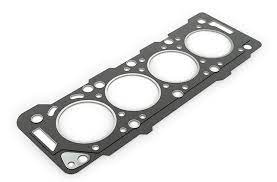
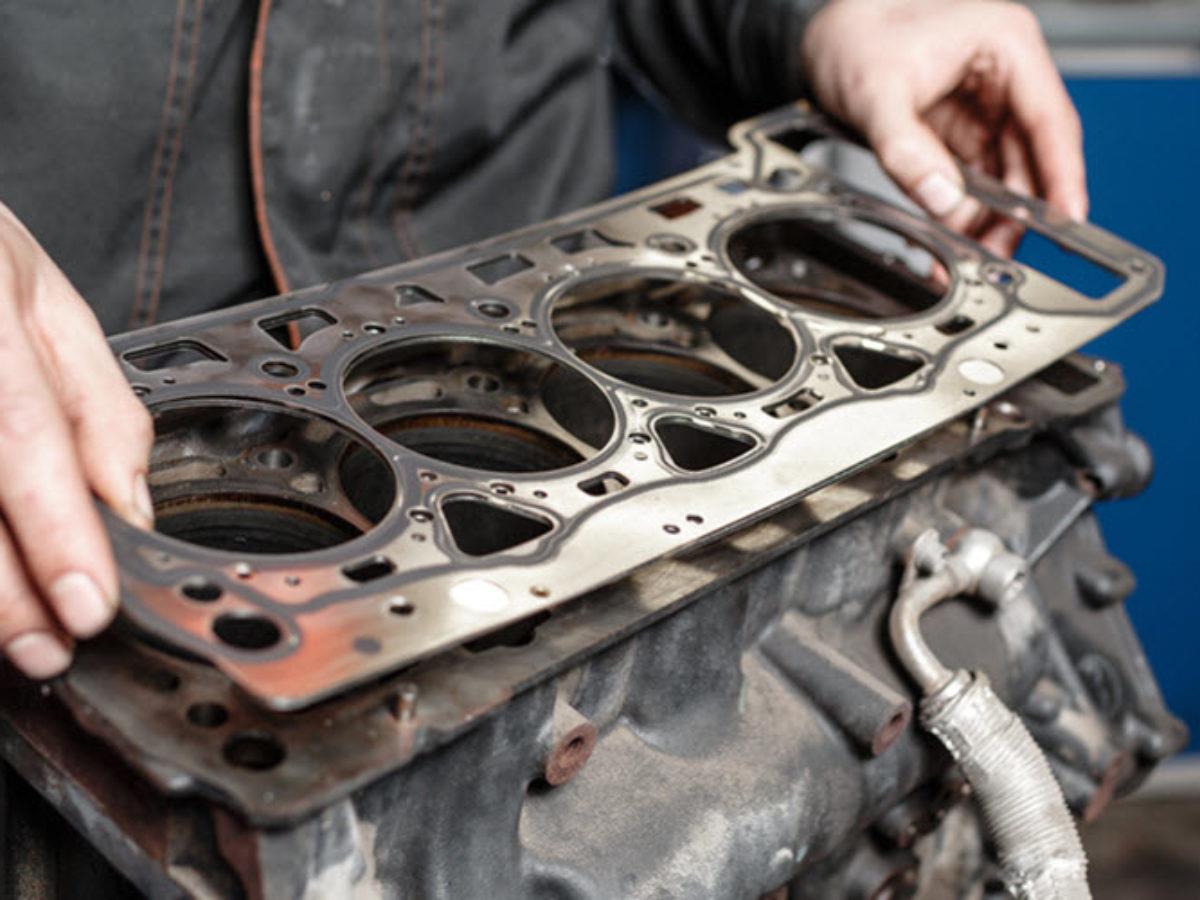
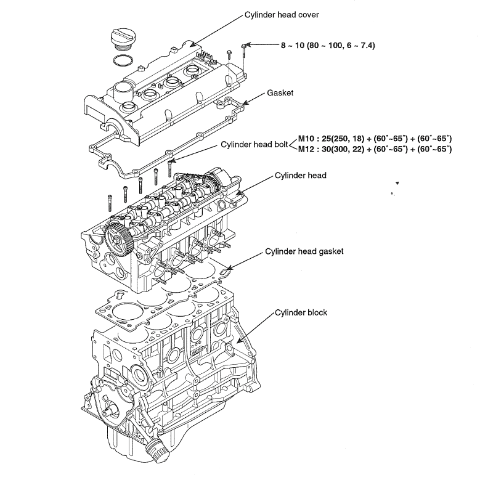
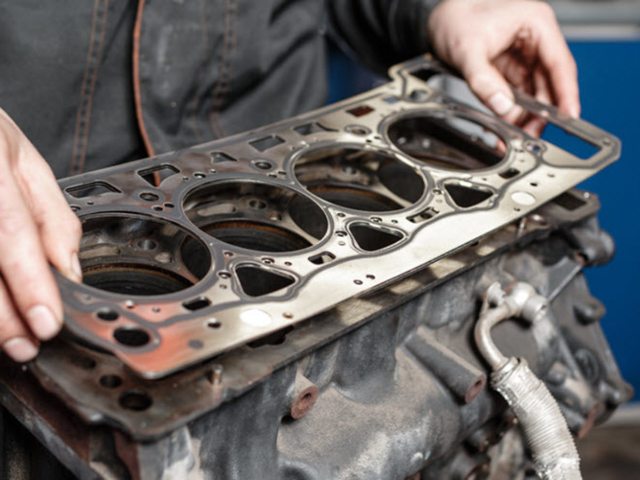
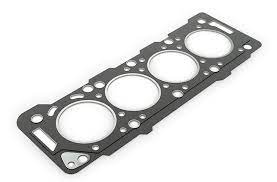
The engine block and the head of a car are both made of metal, which although strong, do not make for the best sealing surfaces. In order to contain the high-pressure combustion gasses from the cylinders and to keep oil and water running in their correct channels a compressible head gasket is placed between the block and head to ensure complete sealing. Head gaskets are usually made from metal around 1.5mm thick and will have sealing rings around all the ports. Some replacement head gaskets are made from graphite-impregnated materials with sealing rings, if the tolerances of the head and block are minutely out of sync after mechanical work has been completed, this ensures the best seal possible.
Why do head gaskets fail?
The number one reason why a head gasket fails is if the engine overheats, this could be due to low oil levels or low coolant levels. Other causes could be over-revving ( running the engine in redline for too long), which will also cause overheating as the engine simply doesn't have enough time to cool off. Another cause could be a water pump or thermostat failure or complete engine detonation.

What happens when the gasket fails?
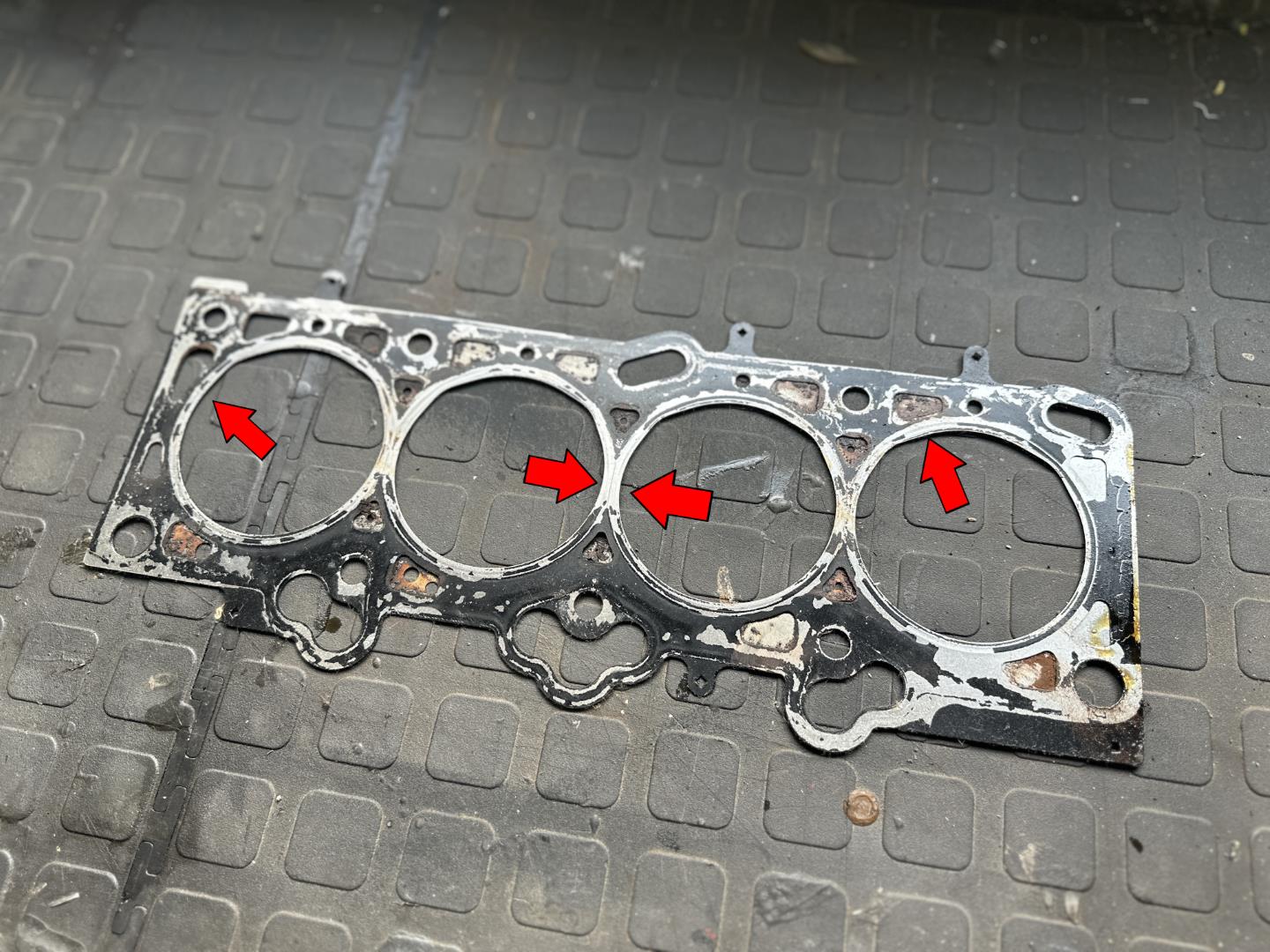
Nothing good, and it's almost always going to mean some form of engine rebuild. A head gasket is considered failed when any of the compression surfaces have been breached. This could be across the combustion chambers , between the combustion chamber into oil or coolant galleries or between oil and coolant channels. Due to the high pressures, the compressive gasses from the combustion process will find their way to the failure point and cause mixing of gasses, oil, and water and cause one serious mess.
What is torque? We explain in plain English!
Signs of a blown head gasket
- The vehicle is going to overheat continuously
- It will use up coolant very quickly
- The oil inside the engine may emulsify and turn white like mayonnaise
- The exhaust tip will emit white smoke and steam as it burns off the coolant
- The engine may seize up completely after overheating
Replacement costs?
It is never a good thing when a head gasket fails as it is always going to be expensive. The costs vary greatly depending on car, model and engine type and can run anywhere from a few thousand to tens of thousands. One should prepare for the bare minimum of labour to strip the engine, parts, and engineering work to flatten the contact surfaces. There will always be sundries and unexpected costs, so it is always best to speak to your preferred mechanic to get the best price for you.
How much does it cost to replace an engine?
In Closing
The head gasket on a car is designed to run for the life of the engine if the vehicle in question is well taken care of. It is best practice to check your oil and coolant levels regularly, and if you notice anything untoward like strange sounds, loss of power or the check engine lights up, stop immediately and don't drive the car anymore to keep the damage to a minimum. A blown head gasket is not the death of your car and the costs can be kept down if you minimise the damage. Keep in mind the old saying..... " If you open the engine you better open your checkbook!"