Toyota Hilux GR-Sport III Dashboard Warning Lights
The Toyota Hilux GR Sport is the brand's flagship UTE model and brings with it Toyota's reputation for reliability, so if you see a warning light on the dashboard, it immediately raises questions, but not all warning lights are bearers of bad news.




Toyota Hilux GR warning lights
The Toyota Hilux GR-Sport III, launched in South Africa in 2024, represents the most performance-focused and visually aggressive version of the Hilux to date. Positioned just below the top-tier Legend RS, this double-cab bakkie is engineered for serious off-road enthusiasts while offering premium comfort and technology.
Related: Toyota Hilux GR-Sport III (2024) Review
The Toyota Hilux GR-Sport III combines rugged off-road capabilities with refined interior features and advanced technology, making it a compelling choice for those seeking both adventure and comfort in a bakkie. However, if you see one of these warning lights on the dashboard and don't know what it means, you may be in for a world of problems. Here is our quick decode of the most common warning lights you will encounter and what you should do about them.
Toyota Hilux GR-Sport III vs Ford Ranger Wildtrak X vs Isuzu D-Max AT35: Here's our winner!

Yellow triangle with an exclamation point
This leading warning light lets you know that an alert error has been logged and will be illuminated until you acknowledge that you have seen it. It logs every alert and stores them in the vehicle's ECU.
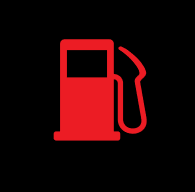
Petrol pump
This alert lets you know that you are running low on fuel or the vehicle's fuel delivery system is malfunctioning.
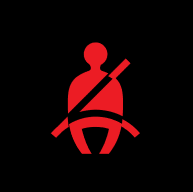
Crossed-out person
This alert lets you know the driver or passengers have not buckled their seatbelts. It may come as a single indicator, or the vehicle may have a layout that shows which seatbelt is unbuckled.
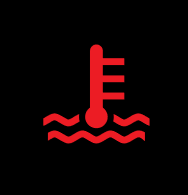
Floating key
This floating key indicates a thermometer and alerts you if the vehicle's coolant level is too hot. Some vehicles will have colour-changing versions indicating if the coolant is below freezing. This often warns you that the car is overheating or the cooling system is malfunctioning.
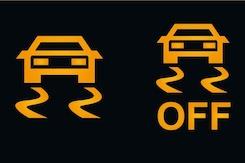
Wheel-spinning car
This alert will go off if the traction control system is deactivated or actively functioning. It prevents the car from losing traction or allows the driver to break traction actively.

4WD
This warning light indicates that the low-range or 4x4 system is active, enabling the vehicle to tackle harsh terrain.

Wheels with lines joining them
This warning light indicates that the rear wheels and diff have been locked so the vehicle can better negotiate the terrain.

Wheels with lines joining them, with a dot at the centre
This warning light indicates that the entire 4x4 system is locked up and will significantly improve the vehicle's off-road prowess (for extreme use cases)

ABS circle
This alert will go off if the anti-lock braking system malfunctions or flashes rapidly, indicating that it actively prevents the brakes from locking up under heavy braking.

Circle with an exclamation point or P
This alert will illuminate if the handbrake is activated or if there is a problem with the brakes. If you release the handbrake, electrical or manual, this alert should disappear. If it does not, there is a problem with the braking system, and you should not drive the car at all.
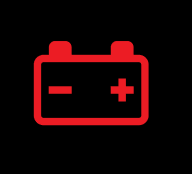
Battery
This warning light will come on if there is a problem with the car's battery or if there is a problem with the car's charging system.

Engine
This warning light will illuminate if there is a problem with the car's sensor array that controls the engine (ECU). If it stays illuminated, the sensor malfunctions, and the engine will not run properly.
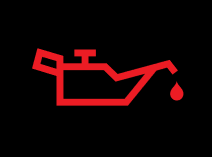
Oil Can
Sadly, if this warning light comes on and stays on, it is too late. It means the engine's oil level is below operating levels, and you are running low on oil. You risk serious engine damage if you continue operating without checking and refilling oil.

U-shape with an exclamation point
This warning light points toward the TPMS, or Tyre Pressure Monitoring System. This alert will come if one or more of your car's tyres run below the operating pressure. It could indicate a puncture or an underinflated wheel.