Is Your Suzuki Swift Costing You Too Much?
Consumers have been under financial strain for some time now, and many are looking toward their monthly transport costs to see if they can save some money by buying down or trading in a costly car. But do you know how much your car is actually costing you?


The Rising Cost of Car Ownership in South Africa
Car ownership in South Africa involves a significant financial commitment beyond the initial purchase price. If you're wondering if your current car is costing you too much, it's crucial to consider the total cost of ownership (TCO), including your monthly instalment, fuel, insurance, maintenance, and depreciation.
Related: Best fuel-efficient cars for budget-conscious South Africans
According to WesBank data, the average total cost to own and run a best-selling new hatchback in South Africa in 2025 is estimated at R11 760.29 per month. This marks a notable increase from the R11,578.70 monthly average in 2024, driven by vehicle price inflation, rising insurance premiums, and escalating fuel costs.
The Chinese Car Revolution: Is it Reshaping South Africa's Automotive Future?

Key Components of Car Ownership Costs
Purchase Price and Financing: The initial cost of the car is just the beginning. Financing adds significant interest, often totalling 20-30% of the borrowed amount over a typical 5-year loan term. On-the-road fees, licensing, and registration also add to the initial outlay.
Fuel is often the largest ongoing expense due to volatile fuel prices. A vehicle consuming 8 litres per 100 km can cost approximately R2 520 monthly for an average driver covering 1 500 km (based on the R21/litre fuel price in July 2025).
Insurance: Comprehensive car insurance typically costs 1-3% of your car's value annually, ranging from R800 to R2,000+ per month for comprehensive cover. Factors like your driving record, location, and the car's make and model significantly influence premiums.
Maintenance and Repairs: Even with a service plan, you must budget for wear-and-tear items like brake pads, tyres, and unforeseen mechanical issues. Average monthly maintenance can range from R475 for a mid-range hatchback, but major repairs can be significantly higher (e.g., R5,000 to R50,000+ for engine/transmission issues).
Depreciation: New cars lose 10-20% of their value immediately after purchase, and 50-60% over five years. Some brands hold their value better than others, which impacts your overall TCO.
Licensing and Registration: These fees vary by province and are calculated by weight, but they generally cost between R500 and R1,500 annually.

Analysing top-selling models in South Africa (2024-2025) and their potential costs
Affordability and practicality heavily influence South Africa's car market, with budget-friendly hatchbacks and SUVs dominating sales. Let's look at some top-selling models and factors affecting their ownership costs.
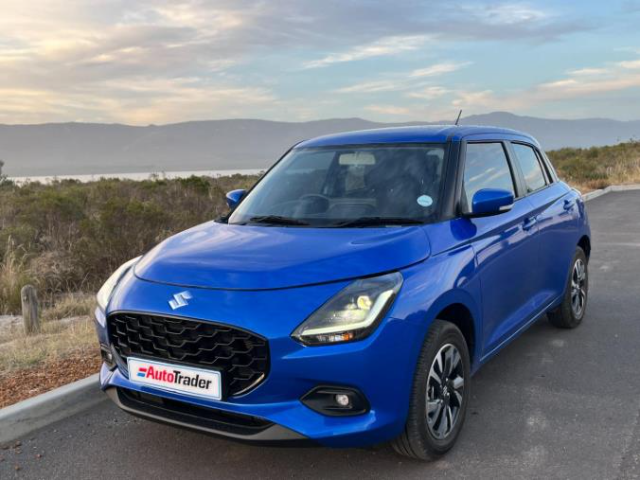
1. Suzuki Swift
Popularity: Consistently a top seller, even briefly holding the best-selling vehicle title in January 2025. It's known for being budget-friendly and fuel-efficient.
Purchase Price: Starts from around R219 900.
Fuel Consumption: Excellent, with claimed average consumption of 4.4 L/100km for the manual and 4.6 L/100km for the CVT. This makes it one of the most fuel-efficient petrol cars available.
Maintenance: Being an entry-level vehicle, its basic service costs are generally lower (around R1,010 for a minor service).
Insurance: Likely to be on the lower end due to its affordable price point and smaller engine.
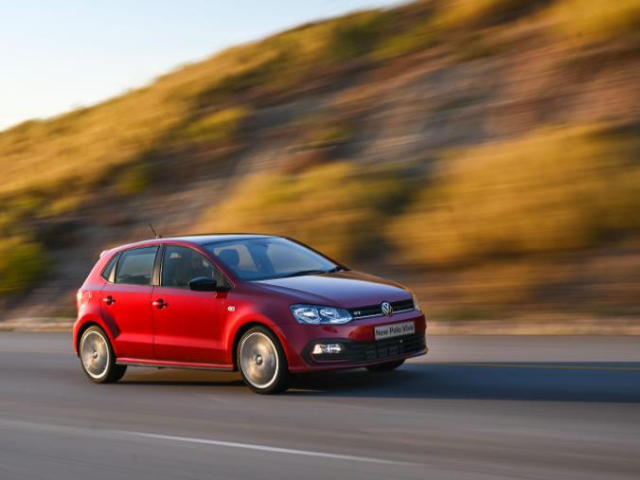
2. Volkswagen Polo Vivo
Popularity: A long-standing favourite and frequently South Africa's best-selling passenger car, known for affordability and reliability.
Purchase Price: Starts from R204 358.
Fuel Consumption: Around 5.7 L/100km, making it reasonably fuel-efficient for a popular hatchback.
Maintenance: Similar to the Swift, maintenance costs are generally lower for an entry-level car (around R1,010 for a minor service).
Insurance: While popular, its high theft rate in some areas might slightly influence insurance premiums compared to other entry-level cars, but still relatively affordable (e.g., R868.40 per month for a 2020 model).
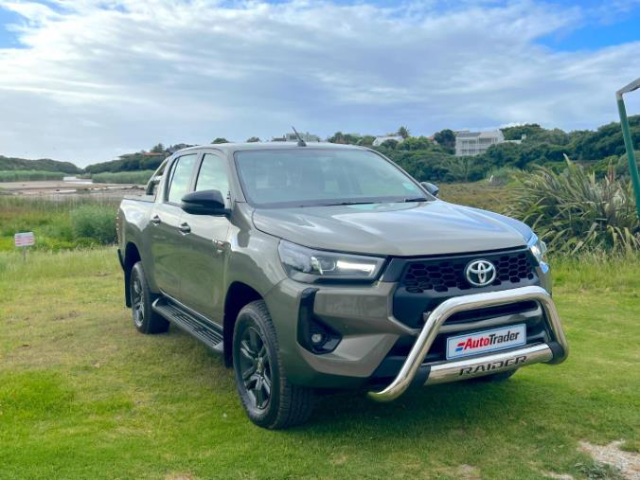
3. Toyota Hilux / Ford Ranger / Isuzu D-Max
Popularity: The Toyota Hilux is a perennial best-seller, followed closely by the Ford Ranger and Isuzu D-Max. These are highly popular utility vehicles.
Purchase Price: Significantly higher than hatchbacks. The Ford Ranger can go up to R501,546, and the Toyota Hilux around R464,498.
Fuel Consumption: Is generally higher due to larger engines. SUVs and Bakkies can average 10 L/100km, leading to higher monthly fuel bills.
Maintenance: Due to their robust nature and larger components, maintenance and repair costs for larger passenger cars can be higher than those for smaller ones.
Insurance: Reflects their higher value and potential for more expensive repairs (e.g., R1,611.25 per month for a 2021 Toyota Hilux 2.8 GD-6).

4. Toyota Corolla Cross
Popularity: South Africa's best-selling SUV and a strong contender in the passenger vehicle segment, particularly popular for its hybrid option.
Purchase Price: It starts at around R235,261 for the Starlet (related) and is higher for the Corolla Cross.
Fuel Consumption: Hybrid models offer excellent fuel efficiency (e.g., the Toyota Corolla Cross Hybrid can be economical).
Maintenance: As a Toyota, it is generally known for reliability and reasonable parts availability. Mid-level service costs (around R1,200 for a minor service).
Insurance: Comparable to other mid-range SUVs, influenced by its value and repair costs (e.g., R874.75 per month for a 2021 Toyota Corolla Cross 1.8 Xi).
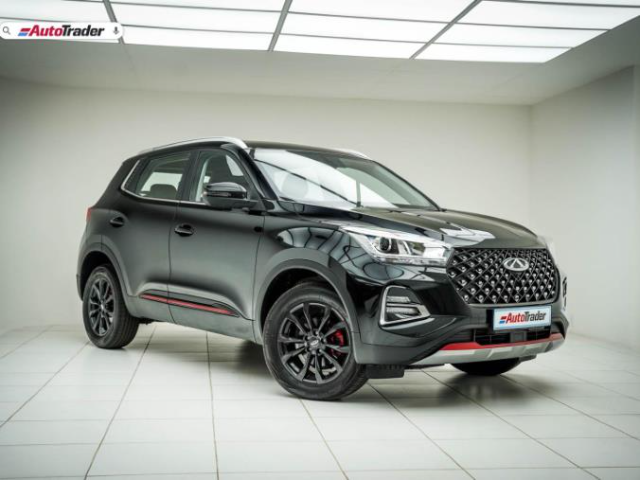
5. Chery Tiggo 4 Pro / Haval Jolion
Popularity: Chinese brands like Chery and Haval have seen significant growth due to offering value-for-money SUVs and crossovers.
Purchase Price: Competitive, with the Chery Tiggo 4 Pro starting around R270,900 and the Haval Jolion around R340,950.
Fuel Consumption: Varies by model and engine, but generally competitive for their segment.
Maintenance: As newer entrants, long-term maintenance costs are still being established, but parts availability and service network can play a role.
Insurance: Likely influenced by the vehicle's value and the availability/cost of parts for repairs.

Is Your Current Car Costing You Too Much?
You need to perform your own TCO analysis to determine if your current car model is costing you too much. Here's how:
Calculate Your Monthly Repayment: This is your primary fixed cost if financed.
Track Your Fuel Expenses: Monitor your fuel consumption and calculate your average monthly spend based on your mileage and current fuel prices (R21.40/litre inland for petrol as of May 2025).
Review Your Insurance Premium: Get an accurate quote for your car model, age, and driver profile.
Estimate Maintenance Costs:
Newer cars with service plans: You'll mostly pay for wear-and-tear items not covered.
Older cars without plans: Budget for regular services (R1,000 - R3,900 per service, depending on car category and service type) and set aside an emergency fund for unexpected repairs. A general rule of thumb is to budget 2% of the car's value annually for maintenance.
Consider Depreciation: While not a direct cash outflow, it's a real cost. Research the resale value of your specific model to understand how much value it's losing.
Example TCO Calculation (Mid-Range Hatchback, R300,000 purchase price, 60-month loan at 12% interest, 1500km/month driving, 8L/100km fuel consumption)
(Note: Depreciation is a significant factor in TCO but doesn't require a monthly cash payment. It's the loss in value over time.)
Verdict
The cost of car ownership in South Africa is substantial and often underestimated. While the initial purchase price might seem manageable, the ongoing expenses of fuel, insurance, and maintenance, coupled with depreciation, can significantly impact your budget. By carefully analysing these factors for your current car model and comparing them to the TCO of top-selling, more fuel-efficient, and potentially less expensive-to-maintain models, you can determine if your vehicle is costing you too much and make informed decisions about your automotive future.