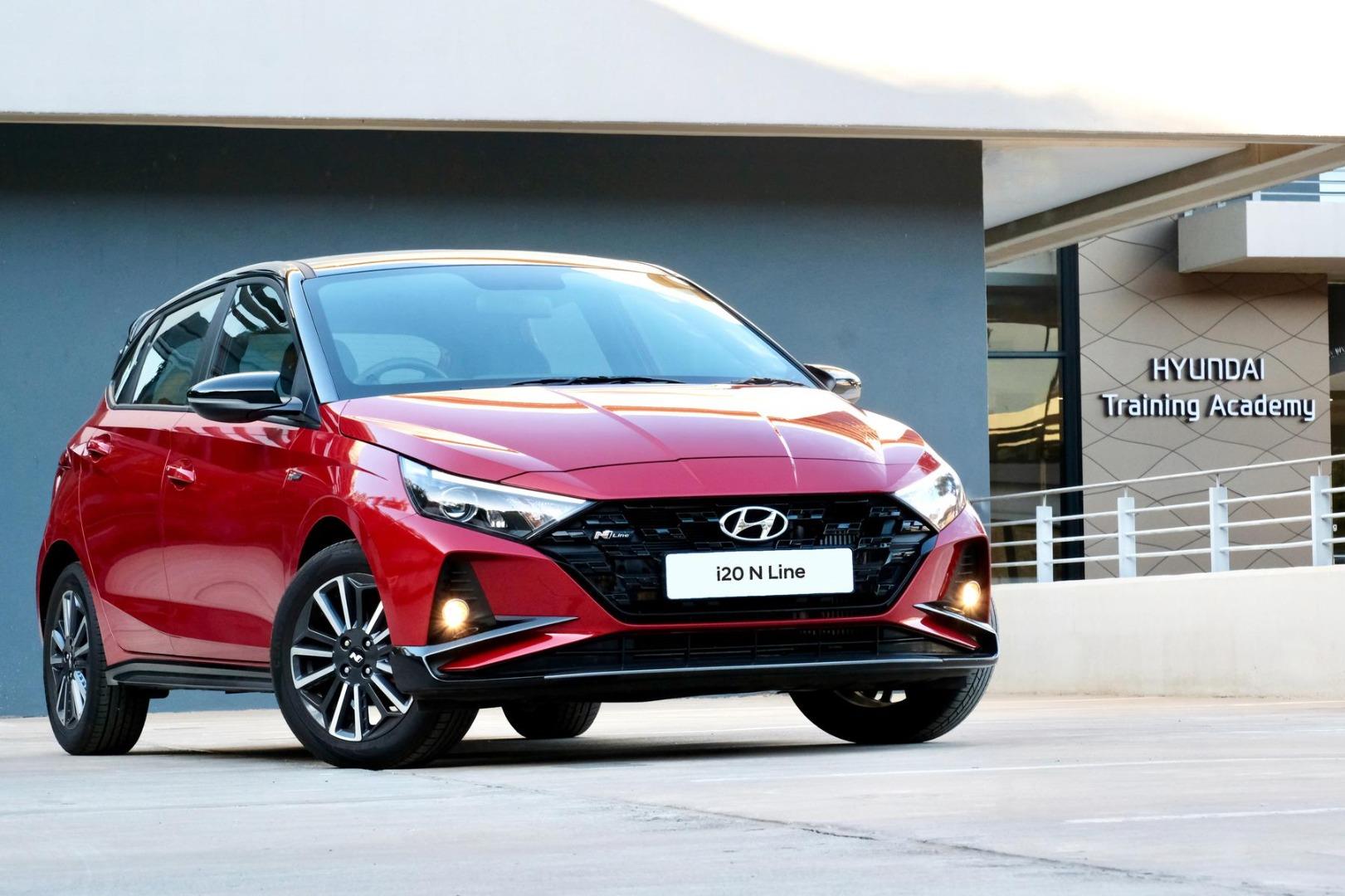
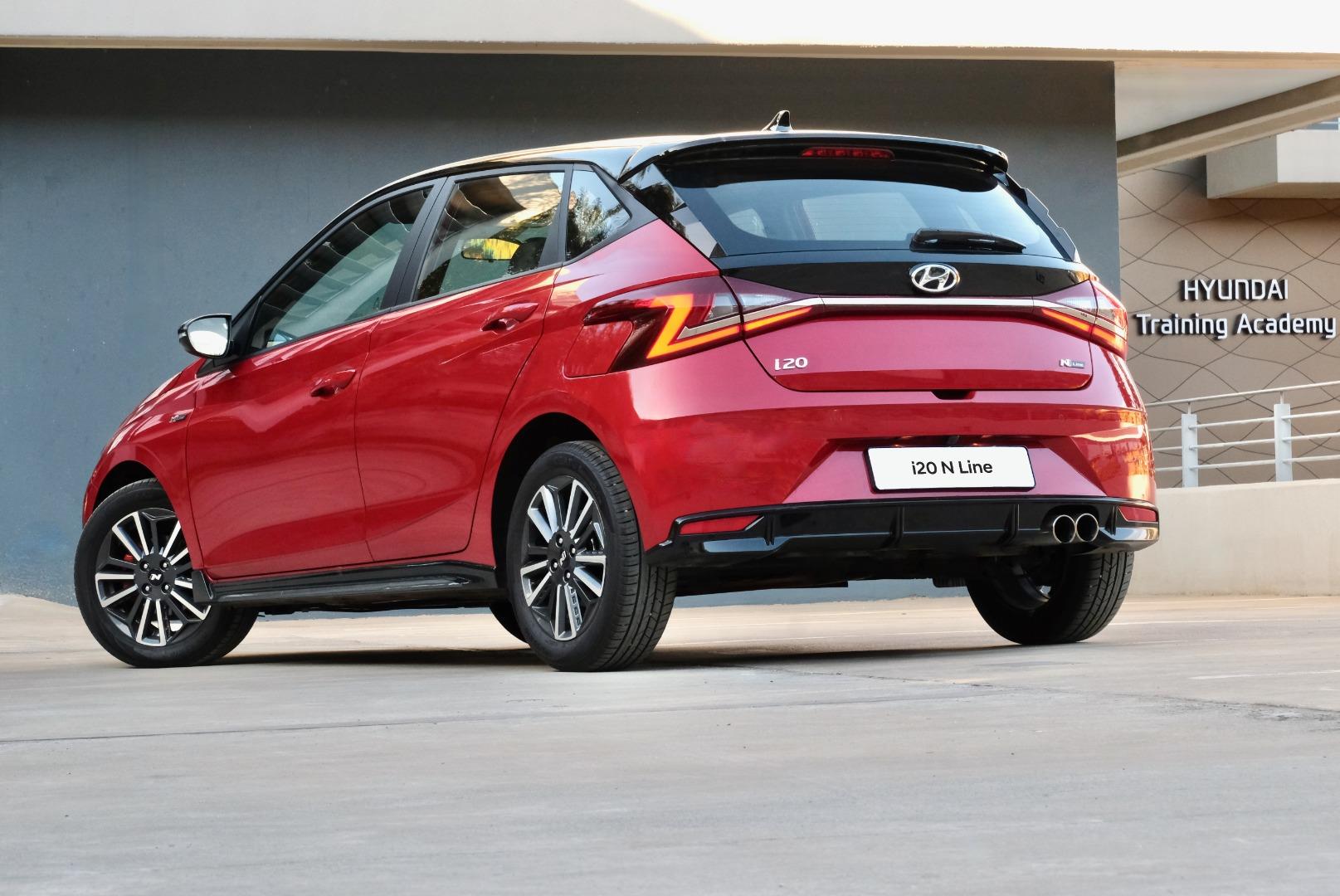
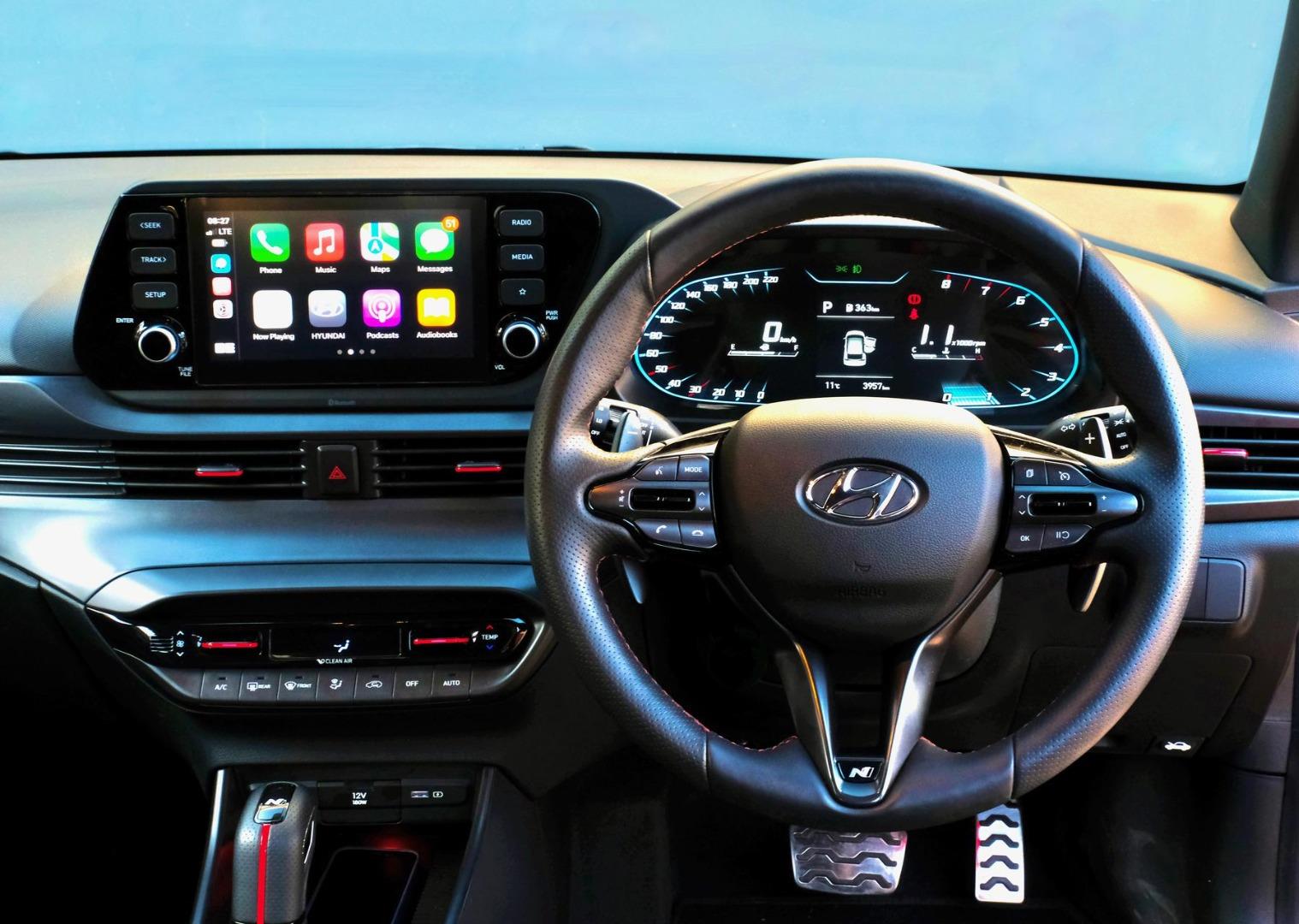
The i20 moniker first appeared in 2009 and has since grown to become a strong seller for Hyundai. The hatchback is frugal, practical and quite reliable too. The latest iteration of the i20 range was launched in 2022, and with its sharp lines and incorporation of the latest tech, it is a great departure from the earliest derivatives.
But as you drive around, suddenly, a light appears on the instrument cluster. Should you sell your car quickly and easily on AutoTrader here, and search for new or used Hyundai i20 models on AutoTrader here. Find out as we explain what some of these very important warning lights mean.
Related: Which Hyundai i20 depreciates the fastest?
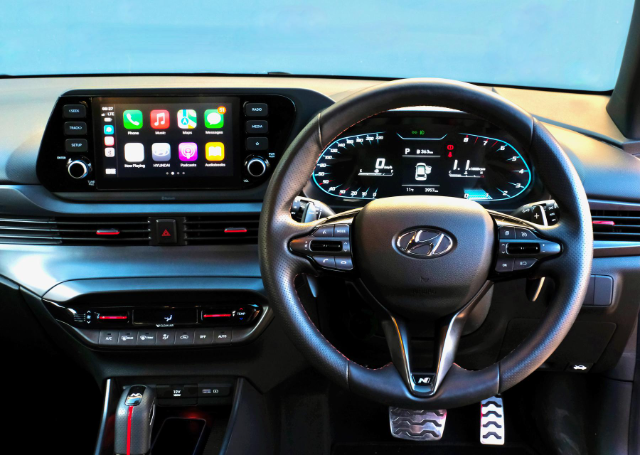
What do the Hyundai i20 dashboard warning lights mean?
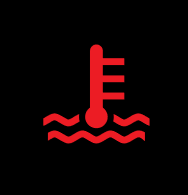
Engine Temperature Warning
The engine coolant temperature is too high and could cause damage to the engine.
Tyre Pressure Monitoring System Warning
One or more of the tyres have deflated to a dangerous level and should be checked.

Brake System Warning
There is an issue with the brake system, and you should not drive without brakes.

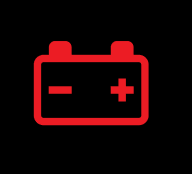
Battery Warning
This indicates that the battery is either very low and won't start the engine or that the battery isn't charging due to either a faulty battery, damaged wiring or a faulty alternator.
Oil Level / Pressure Warning
Switch off the engine as quickly as you can. This indicates a very low oil level or oil pressure, and without lubrication, catastrophic damage could occur to the engine.

Malfunction Warning
This indicates that the vehicle is either due for its service or that the onboard computer has found a fault that needs to be tended to.

SRS (Supplemental Restraint System) Warning
The SRS system is designed to deploy airbags and tighten seat belts when the computer determines the car is in an accident, and if this light appears, it means that the system will not operate properly or operate outside of intentions.

ABS Brakes Warning
There might be an issue with the ABS braking system.

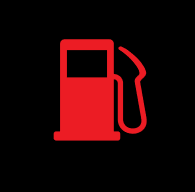
Fuel Warning
The vehicle's fuel level is very low.
Open Door Warning
One or more doors on the vehicle are still open or haven't been properly closed.

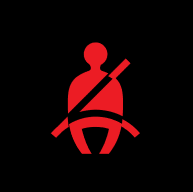
Seat Belt Warning
Either the driver or front passenger seatbelts have not been secured.
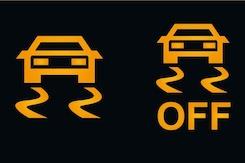
Traction Warning
The traction control system is either active or has been deactivated.
Master Warning
This could indicate problems with the engine but could be related to other areas of the vehicle too. Find assistance as soon as you can and avoid driving long distances with this warning appearing.