
How to replace a headlamp bulb on a Toyota Etios
How to replace a headlamp bulb on a Toyota Etios




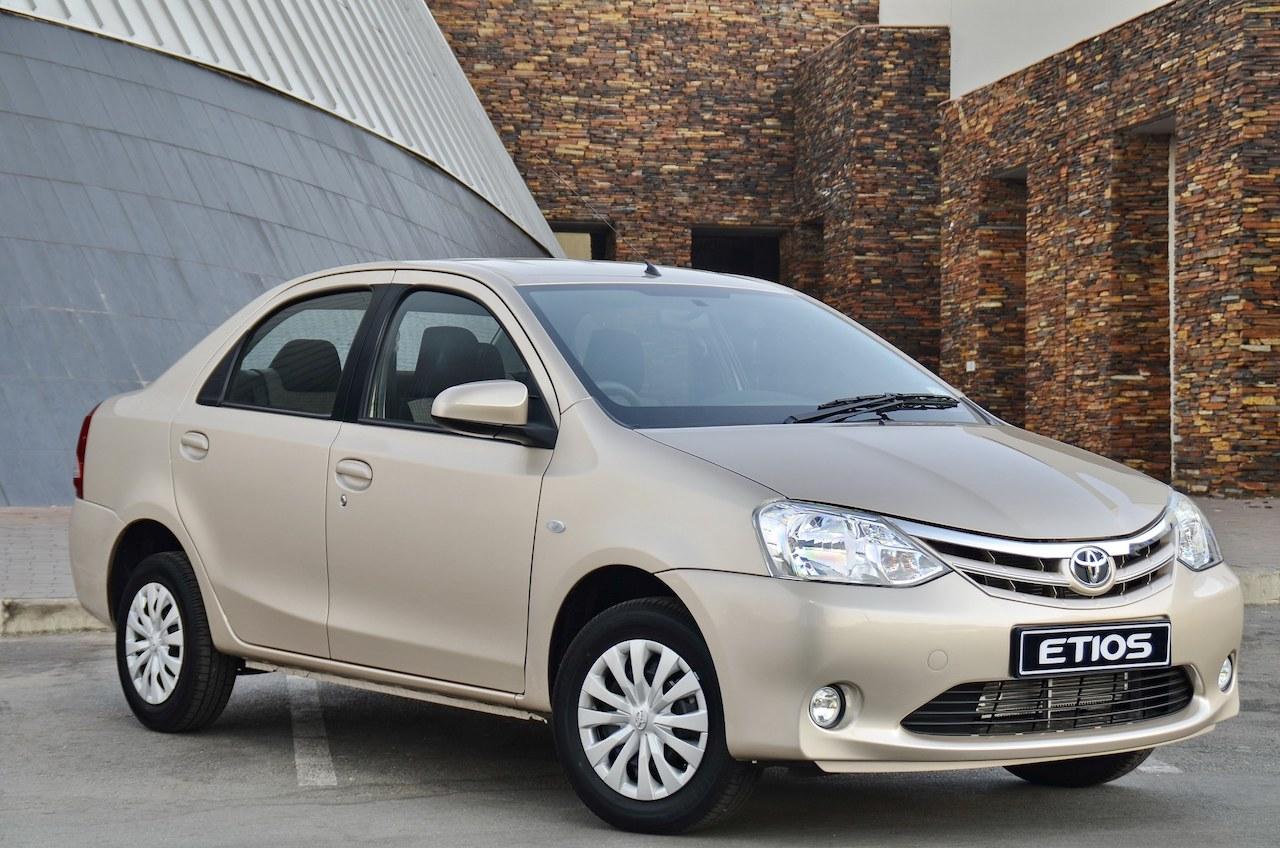
By Martin Pretorius
Sometimes, headlight bulbs may blow while you’re far from help. That’s why it’s a good idea to keep a spare set of light bulbs in your car, and why it’s useful to know how to tackle the job. We show you how to replace a headlamp bulb on a Toyota Etios.
We begin by turning off the headlights and ignition switch, just for safety’s sake: it’s unwise to introduce possible sparks to a car’s sensitive electrical system, so rather ensure that it’s all off before you start this operation.
Step 1: Unplug the connector (Figure 1)
Firmly grasp the plastic wiring connector on two sides, and gently wiggle it side-to-side while pulling it away from the headlight unit, to disconnect the terminals from the headlight bulb. Toyota uses a water-repellent grease to coat the connector terminals, so be aware that your hand will get a little dirty while you’re doing this.
Step 2: Remove the rubber dirt cap (Figure 2)
With the connector unplugged, the rubber cap will be easy enough to remove: simply pry it away from the headlight unit. It may be slightly sticky to begin with, but once it begins to move, it will simply slide off the headlight unit.
Step 3: Dislodge the metal spring clip (Figure 3)
This is the only slightly tricky part of the operation. One end of the spring clip pivots on the headlight unit, and the other end attaches to a hook at the other side with a small tab. To release it, simply press the tab towards the front of the headlight to unhook it, move it sideways a few millimeters to clear the hook, and then swing the clip away from the headlight bulb’s base.
Step 4: Remove the headlight bulb (Figure 4 and Figure 5)
Grasp the bulb by its electrical terminals, and slide it towards the rear of the car. Take note of the orientation of the locating tabs on the bulb’s base (shown in figure 5) – those tabs ensure that the bulb is located properly, and the replacement bulb will have to be fitted in the same orientation.
Step 5: Fit the new headlamp bulb
Slide the replacement bulb into the place vacated by the old bulb, taking care to seat it properly as dictated by the locating tabs. Be extra careful when handling these halogen bulbs: don’t bump it, and never touch the glass part with your bare fingers – doing so will deposit oil from your fingers on the glass, which will lead to premature bulb failure.
(If you do touch the glass, remove any trace of oily residue with methylated spirits and a piece of kitchen roll. Do not use any oil-based solvent, as doing so will have the same detrimental effect as your skin’s oil.)
Step 6: Re-assemble the headlight unit
Putting it together happens in the inverse order of taking it apart. Once the replacement bulb is fitted and the spring clip is securely located, simply re-fit the rubber dust cover and re-connect the wiring terminal. Test the headlights before you close the bonnet – simply switch them on at the column stalk. If everything works the way it should, you’ve earned a pat on the back.
* While you're replacing headlight bulbs, you might want to consider upgrading to Philips WhiteVision H4 globes. They cost around R300 for a set of two from most spares shops (and includes new park light bulbs), and dramatically improve the headlight performance of the standard Etios. They're also completely road legal, so you won't get in trouble with the cops.
** This operation was photographed on the driver’s (right) side headlamp, where access is fairly easy. The same procedure applies to the passenger’s (left) side headlamp, but the windscreen washer bottle filler obstructs access here, so some contortion will be required.
*** AutoTrader cannot accept any responsibility for improperly performed repairs, so if you’re still unsure of the procedure after reading this explanation, rather have a professional assist you.