
How to improve fuel economy
How to improve fuel economy


By Stuart Johnston
Saving fuel equals saving money. Here’s how.
1. Make sure your car is in an optimum state of engine tune. Engines run on a mixture of air and fuel and there is an optimum fuel-air ratio where an engine runs most economically. If you suspect your car is using more fuel than it should, get it checked out by an agent, or by a specialist diagnostics company, such as Bosch.
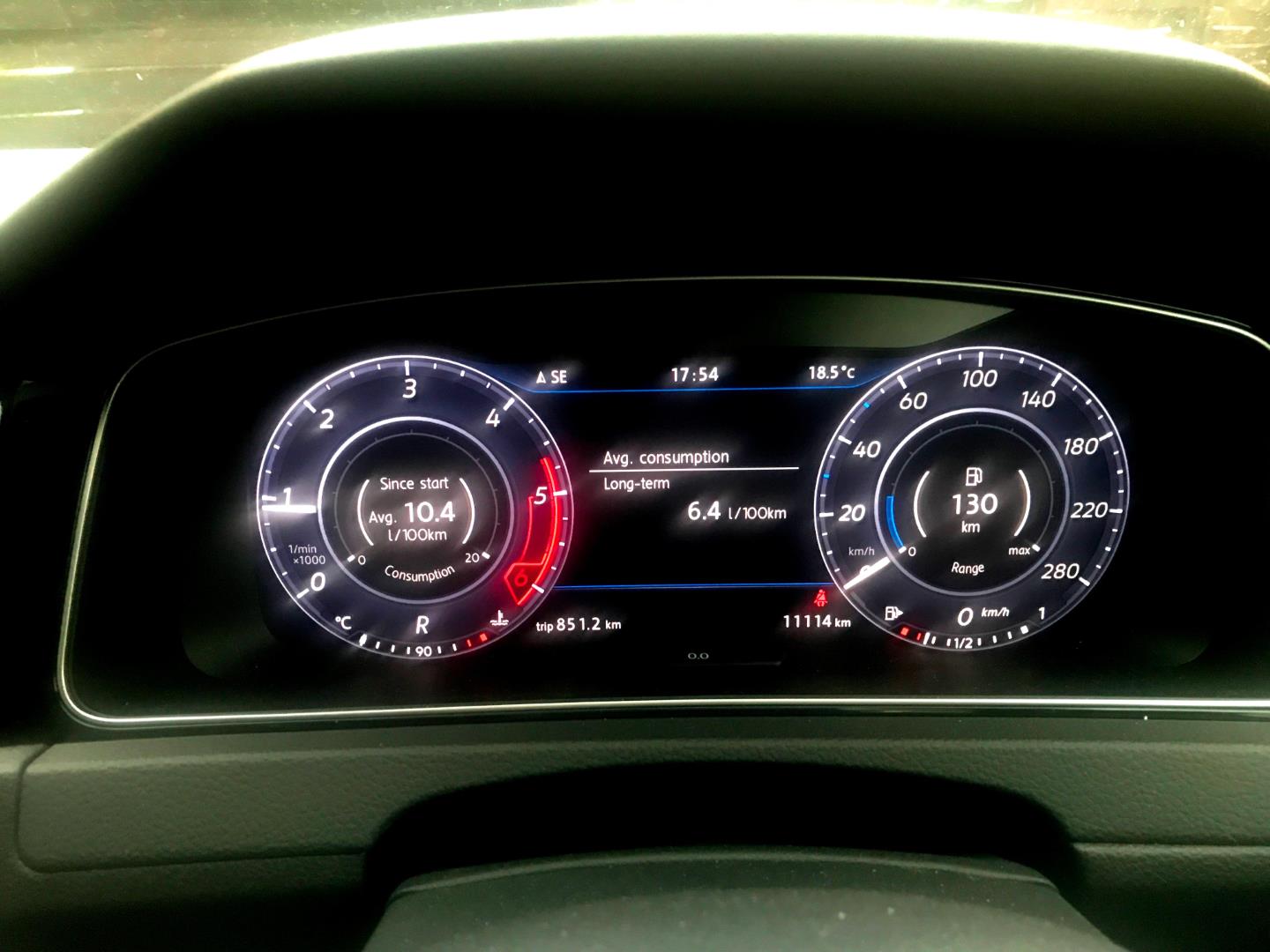
2. If your car is fitted with a trip fuel consumption meter, switch this display on and drive with the intent of bringing this consumption down as much as possible. You will find it will become a fun-filled challenge to get that consumption figure (usually measured in litres/100 km) as low as possible.
3. Simplistically, the faster you go, the more fuel your car will use. But it is possible to save fuel while driving reasonably briskly by using the correct techniques.
4. In traffic accelerate gently away from traffic lights or stop streets. Your car will use the most fuel moving a static weight up to speed, so achieve this as gently as possible.
5. Shift to a higher gear as soon as possible, according to traffic conditions. Pull away in first using a light throttle, change to second well before the redline, on a light throttle, and then change up to third, fourth and so on as quickly as you can.
6. The higher the gear you are in, the slower the engine will be revving, and the less fuel it will be burning. But don’t change up too soon, so that the engine labours (jerks or shudders) at engine revs too low. This can damage the engine and drive train components.
7. In a car fitted with an automatic gearbox, build speed gradually from a stoplight or stop sign. Practice a smooth accelerator action, so that you don’t signal the gearbox to downshift to a lower gear (and thus burn more fuel) unnecessarily.
8. If your automatic car is fitted with a manual over-ride to shift up or down manually, it is often beneficial to use this, to shift up to a higher gear more quickly than the gearbox would do when operated simply in the “Drive” mode.
9. Anticipate what the cars on the road ahead are doing, and adjust your speed to this well in advance, to avoid sudden acceleration or deceleration.
10. Don’t coast downhill in neutral. This will save you fuel, but a car in neutral is less stable than one in gear, and it could prove to be dangerous.