
How to clean car seats
How to clean car seats


By Stuart Johnston
Leather upholstery
One of the biggest advantages of leather upholstery over cloth fabric upholstery is that it doesn’t absorb dirt the way cloth fabric upholstery does.
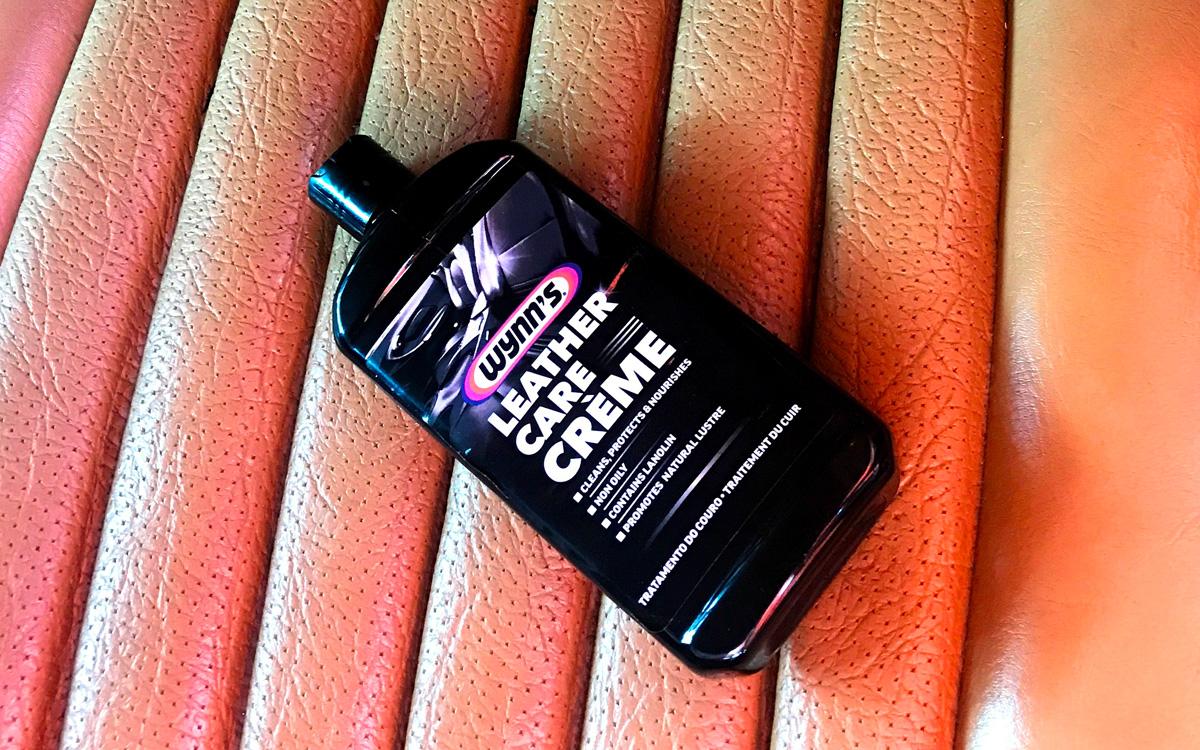
A quick brush or vacuum will normally get your leather upholstery looking good again. But over time, dirt will accumulate, and in this case you should use one for the specialist leather care products available to clean away grime that has built up over time.
Use a tooth brush for the crevices
Before doing a deep clean, it is a good idea to remove dirt from all the seam areas with a tooth brush, which can get into all the cracks and crevices. Once you have done this, vacuum again, and then it is time to apply your specialist leather cleaner of choice. A number are available through motor spares shops and in supermarkets and hardware stops.
White vinegar can remove ball-point ink stains
A note on light-coloured leather upholstery. Some stains are difficult to remove, particularly those made by ball-point pens. A trick that really works well here is to use good old white vinegar. Apply sparingly at first, and don’t rub too aggressively. But a few applications can remove a ball-point pen stain successfully.
Cloth upholstery
Cloth upholstery has the advantage of being warmer in winter, and cooler in summer. The disadvantage of cloth upholstery is that it absorbs stains.
Allow a good couple of hours for the job, and park the car outside on a sunny day. You are going to need warmth to dry out the seats (with the windows or doors open), to complete the drying process.
Remove lost dirt first with a brush and vacuum cleaner
The first step is, again, clean out all the crevices in the seams, and at the point where the seat squab and the backrest meet. Use a tooth brush to access tricky bits, and then vacuum the seat to remove any loose surface dirt before applying cleaning fluid
To remove stains, you can use a specialist car interior product, but any household carpet cleaner can do the trick.
Tackle the seat in sections, don’t try and clean all the seats in one go
Spray on the cleaner sparingly on the section you are working on, because you don’t want your fabric seat, which absorbs moisture, too become too wet.
The idea is to create foam
Then apply a damp (but not wet!) sponge and rub vigorously on the seat where the cleaner has been applied to create foam. The foam will draw the first to the surface. Wait for the foam to dry and then brush off with a dry cloth.
A hair dryer will speed up the drying process
No matter how sparingly you apply the cleaner, the seats will still be damp after you have finished. A hair dryer will speed up the drying process
Once all the seats sections are clean, allow them to dry thoroughly. To speed up this process, you may use a hair dryer. You don’t want to close up the car if the seat surfaces are still damp, as this will fog up the interior, and possibly create a mouldy atmosphere inside the car.