How South African women can travel safer and defend themselves legally
Stay safe on South Africa’s roads by discovering practical habits, legal self-defence tools, and expert tips every woman needs for confident, empowered travel in a country where gender-based violence is a daily reality for many.

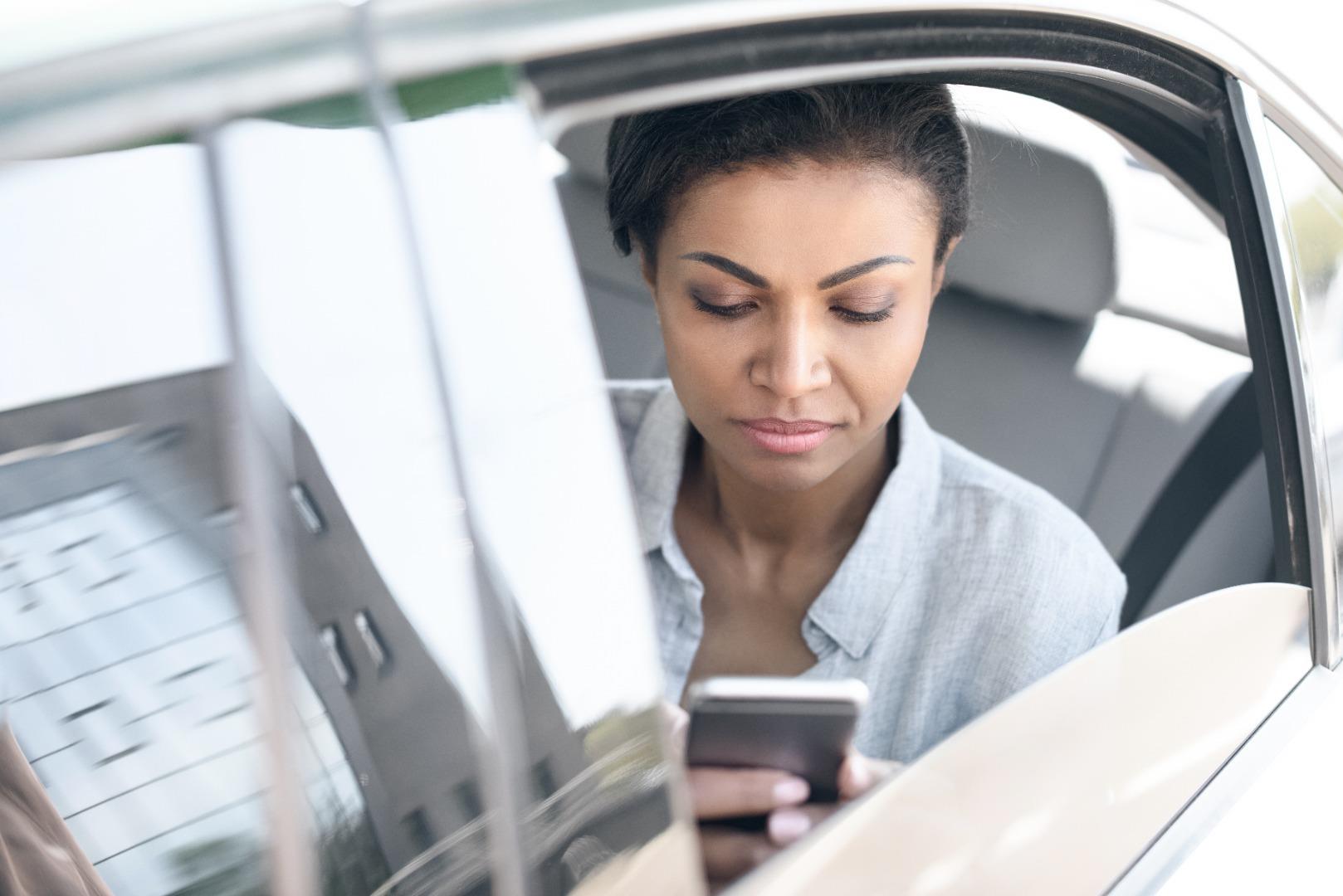
In South Africa, the persistent threat of gender-based violence (GBV) means women face danger not just at home, but every time they travel by car, taxi, or e-hailing. Alarming statistics and tragic headlines are a daily reminder that safety cannot be taken for granted.
Read: South Africa declares gender-based violence a national disaster amid G20 protests
As GBV remains a crisis in our country, knowing how to stay safe and which self-defence tools are legal is no longer optional; it’s essential. Here’s how you can protect yourself, make confident choices, and reduce your risk, one journey at a time.
Starting with practical habits
Most threats are avoided before they begin. Planning routes and letting someone know your ETA isn’t just for peace of mind; it opens a lifeline if anything goes wrong.
Waiting for a ride or parking in a busy, well-lit area is sometimes as critical as sharing your trip live via an app or WhatsApp pin.
If you use e-hailing services, keeping your conversation light and professional with the driver helps. The less they know about your daily routine or personal life, the better. Please don't share personal details. They already have your name, phone number, and, if you're dropped off at home, your home address. (If they ask, tell them you don't live there or that it's your boyfriend's house.)

Smartphones are more than communication tools; they’re pocket safety nets. So always keep yours charged, emergency contacts set, and safety apps installed. Apps like Namola or MY911, designed for South African emergencies, let you summon help or share your location in seconds. I use Life 360. Check out some other alternatives here.
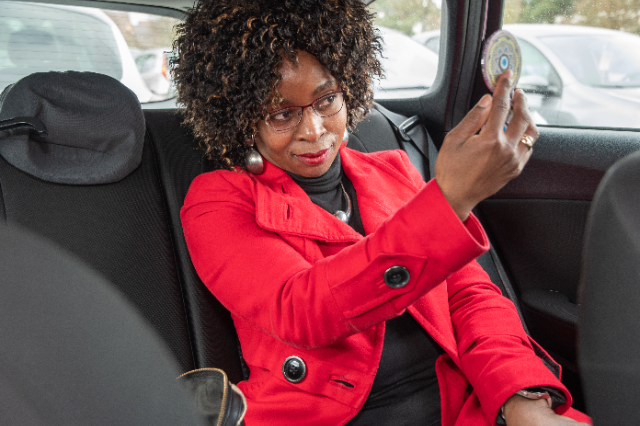
When e-hailing, only get into the back after you've checked that the child locks have not been activated, which will prevent you from opening the rear doors if you sense trouble brewing.
If you don't check this beforehand, sitting next to the driver, up front, is better. (I always do this because the passenger seat has a guaranteed frontal airbag in case of an accident.)
It is your right to check if the child locks may be on. Here's how:
Open the back door and examine the side panel close to the latch. Check for a small lever, switch, or key slot.
Typically, the lock is activated when the switch is in one position (usually down) and deactivated in the opposite position (usually up).
Ensure the switch is set to the position that allows the door to be opened from the inside before you fully enter the vehicle. Ask the driver to roll down the rear window so you can check from the outside if it's too dark to see the child lock latch itself.
Related: Top alternatives to SA's most stolen vehicles.
Using technology to strengthen your defences
Technology isn’t just for information; it’s your invisible protector. Wearable devices, such as smartwatches or keychain panic buttons, are widely available, and many allow you to send an SOS and share your location with a quick press. These silent alerts are invaluable if you feel something is wrong or if you’re unable to speak.
The much-publicised alerting earpiece for GBV protection (the one invented by Bohlale Mphahlele) is still in development and not yet on sale. For now, smartwatches and wearable panic buttons are the best practical choice.

What you can legally carry for self-defence
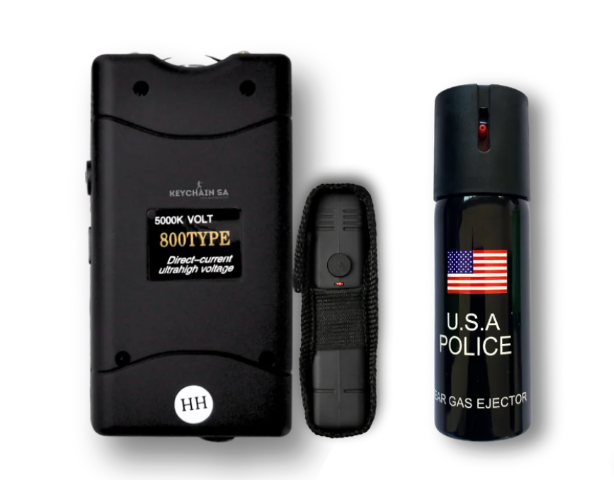
Being prepared often means carrying a tool you hope you’ll never have to use. In South Africa, pepper spray is your most trusted companion. It’s completely legal, lightweight, and effective for stopping an attack at close range. It fits almost anywhere and, if used responsibly in self-defence, is unlikely to lead to legal trouble. Ensure it sprays in a stream, or you could end up inhaling it.
A stun gun or taser offers an extra deterrent. These are legal to own and use, provided you activate them only if you’re in real, immediate danger. Never carry them as a threat or use them carelessly.
Personal alarms, such as keychains that emit a loud siren, are also obviously legal. These draw attention and signal you need urgent help, often scaring off an attacker.
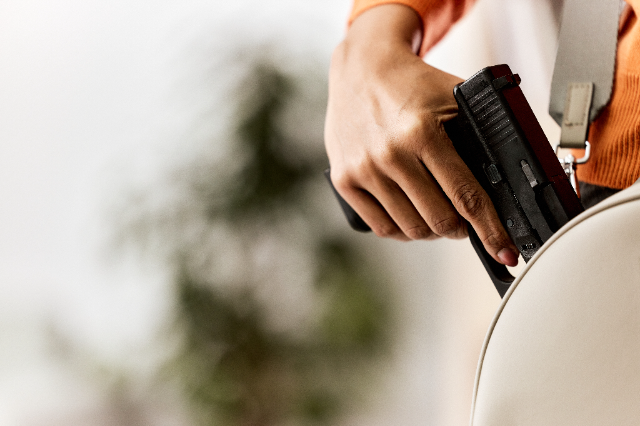
If you’re a licensed firearm owner, you can carry your loaded firearm concealed in a bag, holster, or your car.
The law is strict: only those with a valid licence may do so, and use for self-defence requires proof that your life was in immediate danger. After any use, expect a full police investigation and temporary loss of your firearm, pending the outcome. Unlicensed possession remains a serious criminal offence.
Gas pistols with calibres smaller than 5.6mm (.22 calibre), regardless of their power, or those with calibres of 5.6mm and above but with a muzzle energy of 8 joules or less, do not require a firearm license. These are legally considered airguns or "non-lethal firearms."
However, any gas gun that exceeds both a 5.6mm calibre and 8 joules of muzzle energy is classified as a firearm under South African law. This includes some .22-calibre guns if they exceed the power limit.
Ownership and use of these require a full firearm license, a competency certificate, and adherence to all firearm regulations. Ensure you know the exact calibre size and muzzle energy to stay out of trouble. (Read Gas Gun Laws in SA.)
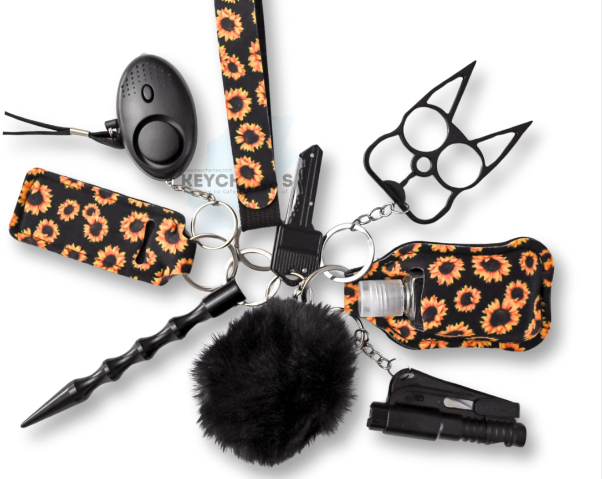
Car escape tools, such as compact window breakers and seatbelt cutters, can be easily carried on a keychain or stored inside your bag. These aren’t weapons, but a vital safety kit, designed for situations where doors are jammed or you need to escape a crash or hijacking quickly.
(We found a great selection of protection tools on this website, including glass breakers, cutter tools, whistles, multifunctional torches, pepper spray gel and tasers; please note that we are not affiliated with them).
After an incident: what to do
If you’ve used force or a defensive tool in any incident (even just pepper spray), consistently report it to the police and the e-hailing provider. Cooperate fully; provide a clear, honest account and seek legal advice if needed. Immediate, open communication is your best protection after the fact.
Making every journey safer
Safety is more than equipment. It’s an attitude: a combination of awareness, preparation, and lawful action. By sharpening your habits, using technology designed for emergencies, and choosing only legal self-defence tools, your journey becomes not just possible but empowered.
Every South African woman deserves the confidence of making her own way home, secure and prepared for whatever comes.
Questions South African women ask about staying safe on the road
How can I stay safe when travelling by myself?
Most threats can be avoided by planning, sharing your journey live, and keeping your smartphone charged and ready—while using legal self-defence tools.
What self-defence items are legal in South Africa?
You can carry pepper spray, stun guns, personal alarms, a concealed knife/cutting tool, a gas pistol with a calibre smaller than 5.6 mm and power limit not exceeding 8 joules, and compact car-escape tools. Firearms are legal only with a licence, and must be concealed and controlled at all times.
How do I use a panic button or safety app?
Many smartwatches and devices allow you to send an SOS with just one press, and safety apps are widely available for both Android and iOS. Always register trusted contacts.
What should I do after a self-defence incident?
Immediately contact the police and the service you were using. Open communication and legal advice can protect your rights.