
How do I know when my car tyres aren't safe anymore?
Tyres are of course one of the most important parts of your car. They are the only contact that your vehicle has with the road and in most cases that contact patch is only the size of the palm of your hand. A question many motorists ask themselves is " How do I know when my tyres are no longer safe?" To answer this you need to know a little about how tyres are made and function, to understand why a tyre is no longer safe and will need to be replaced.
Related: How to choose the best tyres for your car
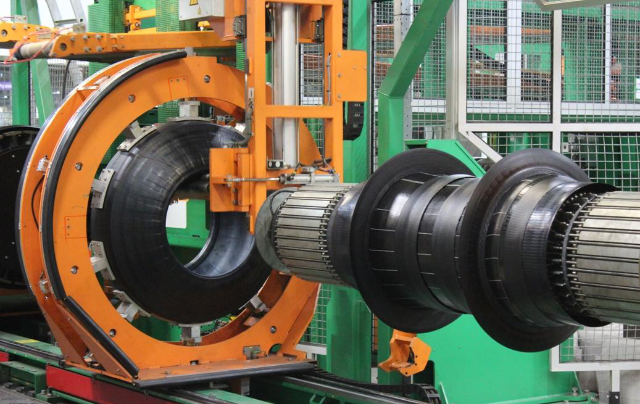
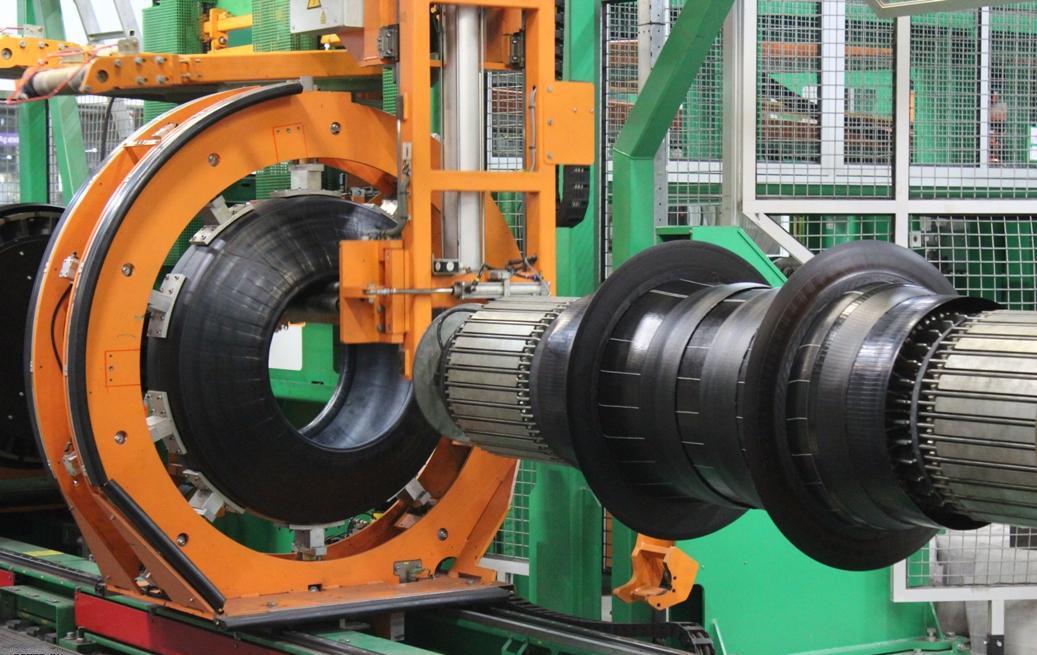
Tyres are made using a chemical mix of natural and synthetic rubber which is rolled onto a mill shaper, in layers, with other strengthening materials such as steel mesh and cordage. This mix is then heated in a tyre mould, under pressure in a process called vulcanization, until the finished tyre emerges. Tyres are tested rigorously by the factory to ensure only the best quality units make it onto your car but once they end up on a vehicle it becomes very difficult to control how drivers take care of their rubber. Below are just a few of the situations that make a tyre unsafe to use.
Damage
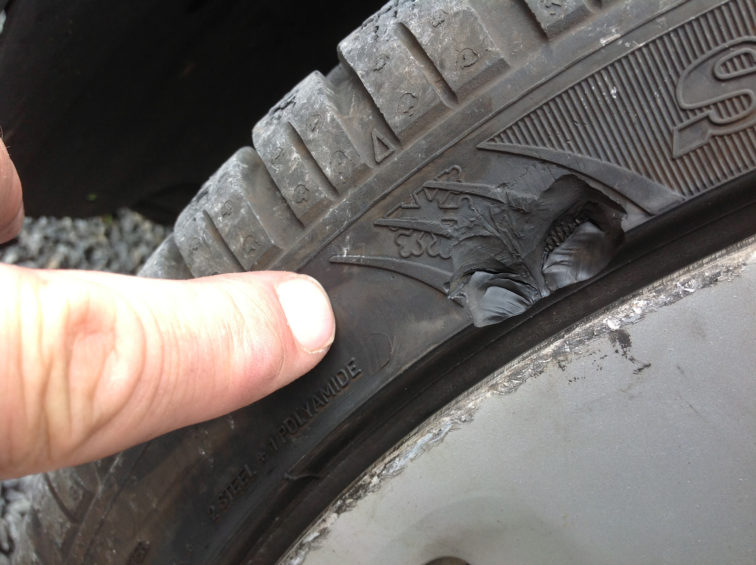
Tyre damage costs drivers millions each year. Tyre damage is anything that damages the construction of the tyre. Punctures from nails and bits of steel, rocks, curb damage, potholes these can all break down the layers of rubber and steel mesh inside the tyre leading to rapid deflation or bubbles on the tyre.

If your tyre is loosing air pressure, you should take steps to have the puncture repaired as soon as possible by an authorised tyre centre. If you hit an obstruction and the tyre shows visible signs of damage such as a sidewall bubble or cuts/tears in the rubber you should immediately replace the tyre.

Tread separation
Tread separation occurs due to the layers of rubber inside the tyre failing. This can be due to over / under inflation, overloading the vehicle (that is exceeding the tyres load capacity) and in rare occasions a manufacturing defect when the tyre was built.

Sadly in most cases tread separation will occur when the vehicle is in motion and usually results in complete tyre failure but it can be avoided by ensuring that your tyres are correctly inflated and that you don't exceed the manufacturers load rating
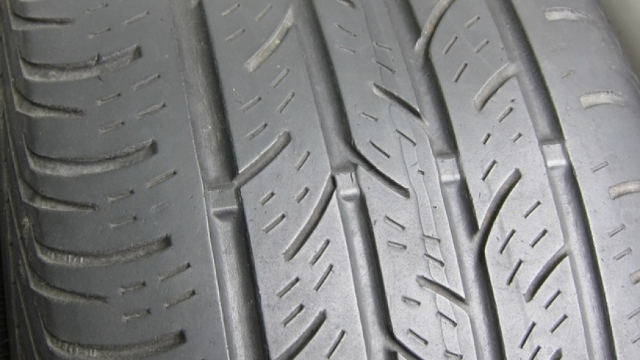
Tread depth
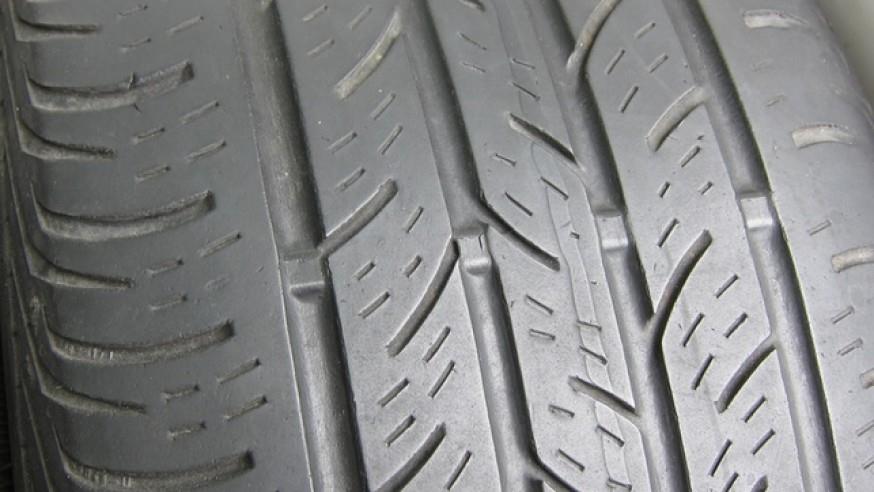
If you have navigated our roads without getting a puncture or running through a pothole and you balance and rotate your tyres at the right times, your tyres will have successfully completed their 100 000 km journey and will need to be replaced. The easiest way to tell when this is the case is when your tyres reach the tread wear indicators embedded in the tyre tread, these are small blocks of rubber that indicate how much tread is left on the tyre and tell you when it's time to change your rubber.

Failing to heed this small warning may endanger you and your passengers as the grip and water despertion capability of the tyre decreases exponentially as the tyre wears beyond this point.
In Closing
The average life span of a tyre is anywhere from 80 000 km to 120 000km but that tyre life and wear are also very dependant on driving style, vehicle performance and roads travelled. Take care of your cars tyres and they will take care of you, balance and rotate them at regular intervals, avoid bad roads if you can and when they are worn out replace them as soon as possible.
Safe driving!
Recommended next:
6 Best tyre repair kits to buy
Reasons why a car tyre won't inflate
VIDEO: Tyre Test - How important is the type of tyre tread you use?