
GWM Steed 5 vs JMC Boarding vs Mahindra Bolero: which one has the lowest running costs?
In this running cost investigation, we have three bare-bones workhorse bakkie squaring up to determine which one would be the least expensive to run. We’re talking about the very bottom of the bakkie pecking order here: with no modern safety features in sight and very few creature comforts inside, these machines are meant to work hard and not much else. But, apart from being cheap to buy, which one will be the cheapest to run in the longer term?


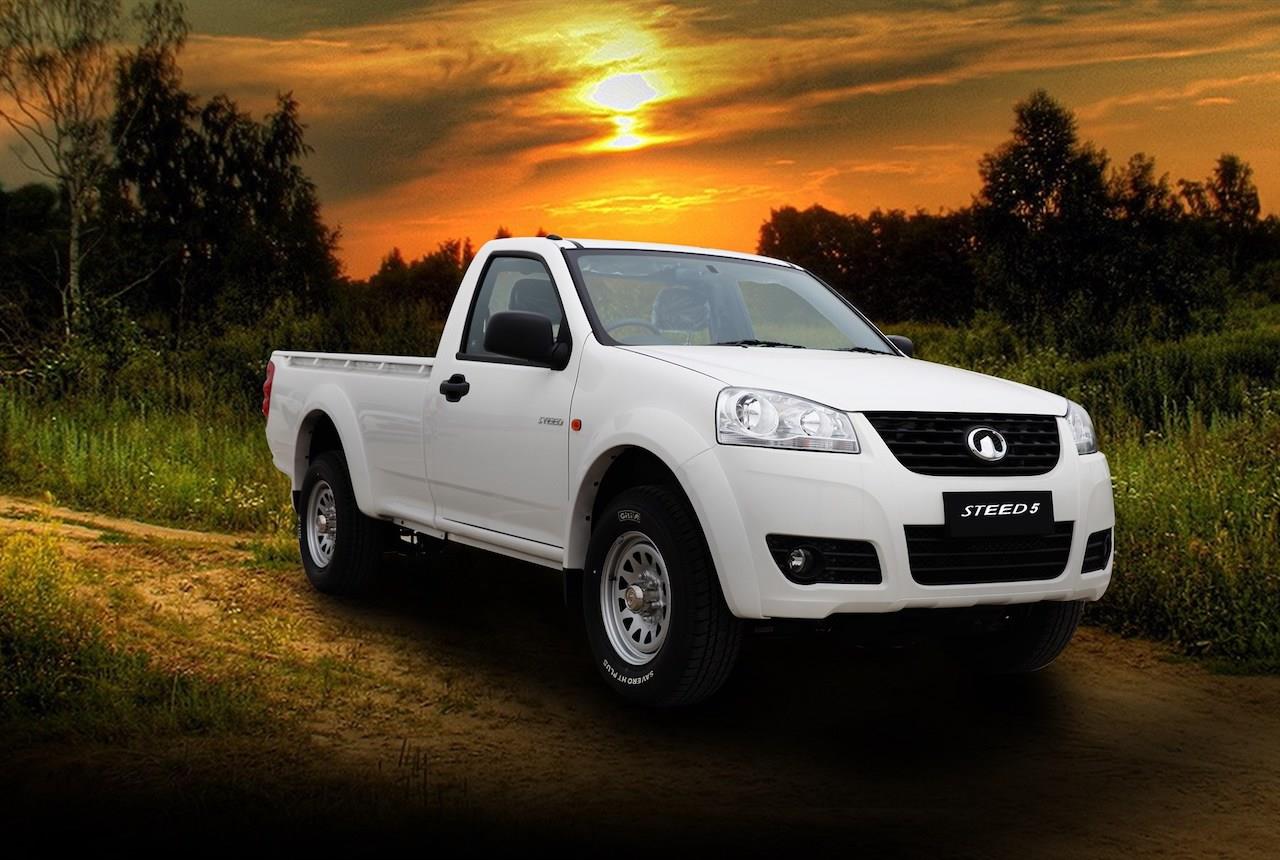
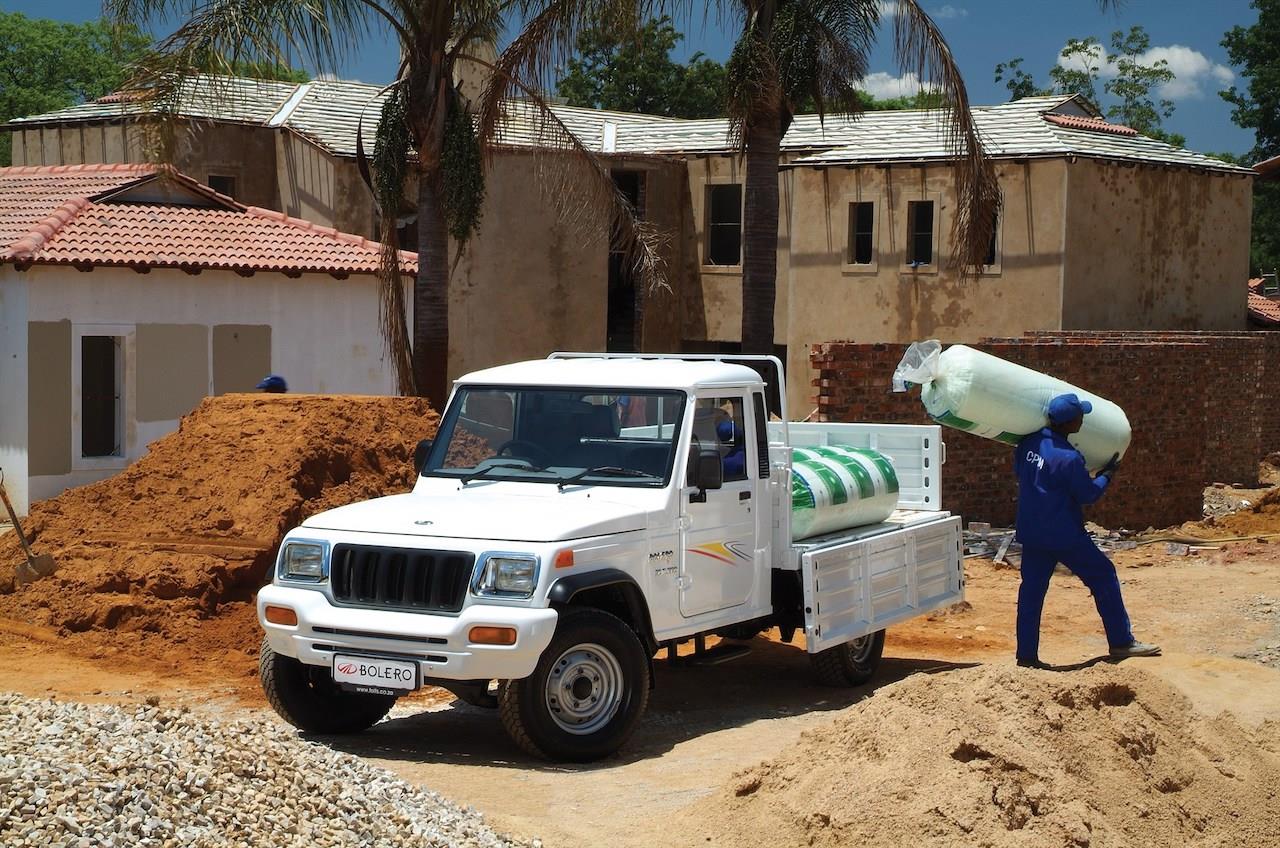
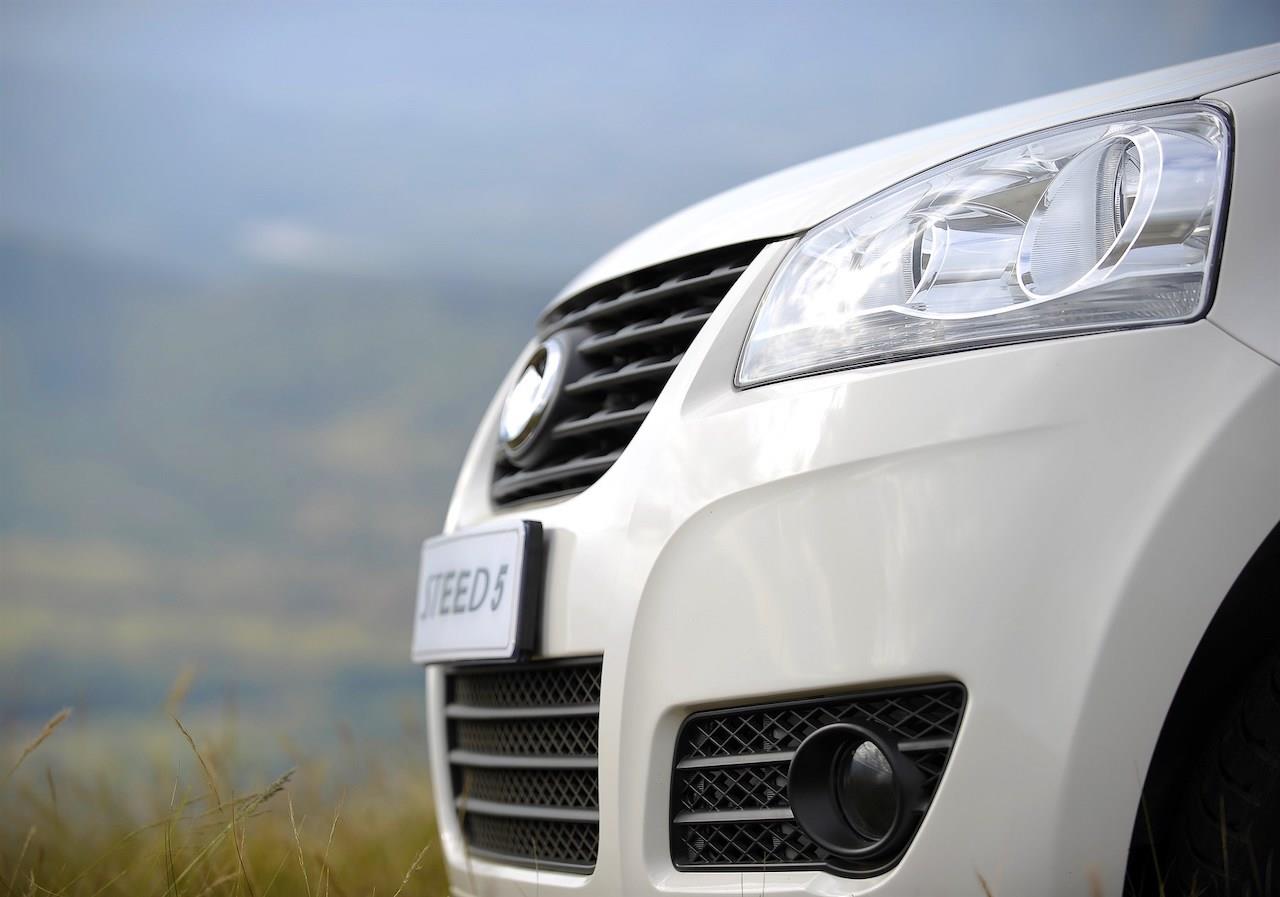
Seeing as diesel bakkies are usually much more frugal than their petrol counterparts, we’ve selected the three least-expensive 1-ton turbodiesel bakkies (from their respective ranges) for the purpose of this comparison. They’re all single-cab variants, with manual transmissions and two-wheel drive, and their pricetags undercut their mainstream opponents by considerable margins.
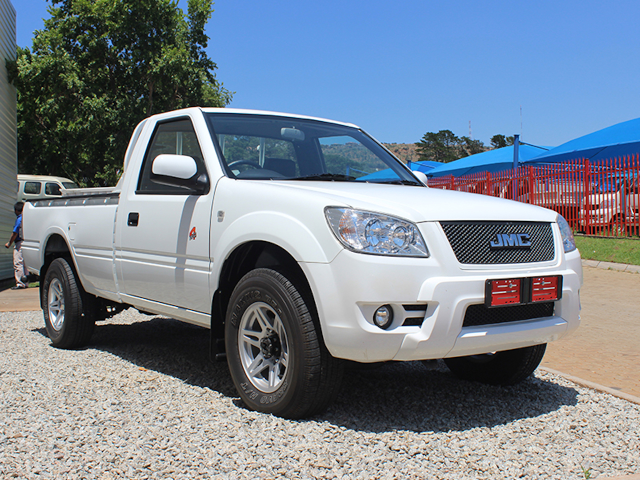
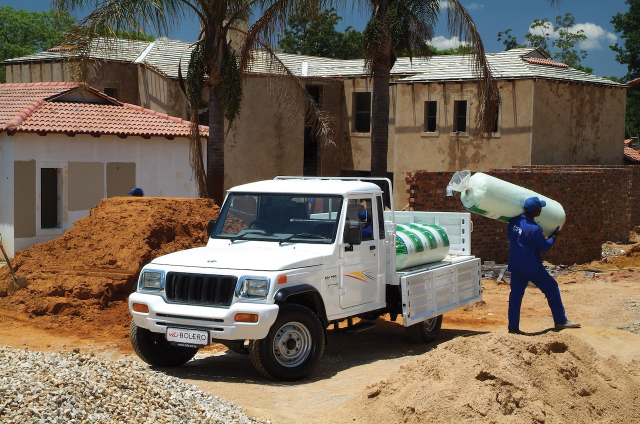
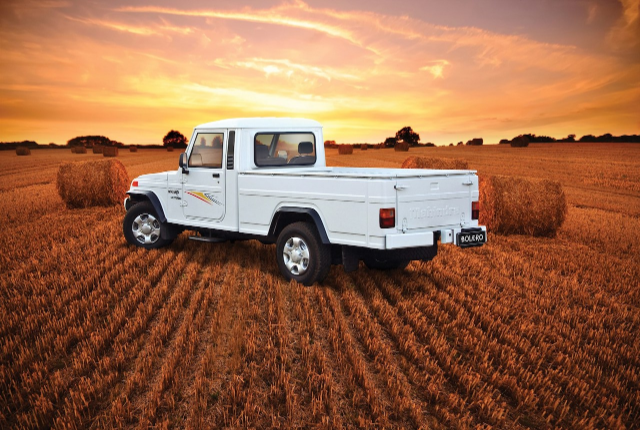
In ascending price order, we start with the JMC Boarding 2.8TD at R 176 880. After a R 11 119 price jump, we have the Mahindra Bolero 2.5TD, yours for R 187 999. An extra R6 901 gets you a GWM Steed 5 2.0WGT Workhorse, with a list price of R 194 900.
Purchase price, warranty, service plans, and depreciation
There’s about R 20 000 (but less than a 10% deviation) between these price extremes, which really serves to demonstrate how newer technology adds to the cost of today’s vehicles. The less-expensive two have older-generation turbodiesel engines, while the most expensive one here (the GWM) has a much more up-to-date, downsized turbodiesel.
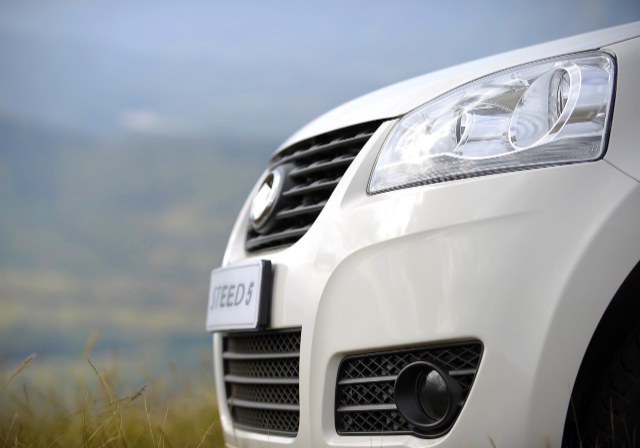
Newer engine technology aside, the GWM also compensates for its higher purchase price with a stronger warranty: 5 years or 100 000 km comfortably eclipses the 3 years (but similar mileage limits) on offer in the others. At this price point, none of them offer even a service plan as standard, although this is an optional extra for the GWM Steed 5.
Because these vehicles are generally bought for business use, depreciation is of lesser concern to typical buyers. In general, they will be seen as disposable items, and end up being tax write-offs over a few years. However, they’ll still find their way onto the second-hand market, where the good reputation (in this market segment) and proven longevity of the Bolero and Steed 5 will see them retain more of their value over the longer term. The JMC Boarding is less well-known in this role, which will have a negative impact on its value retention.
Related: Find out more about the slightly more-upmarket GWM Steed 5E's value proposition here.
Parts prices
None of these bakkies were investigated in the 2019 AA Kinsey report, but there’s enough historical data available to make reasonably accurate assessments of their parts prices. Accident repairs should cost roughly the same across the board, due to their manufacturers all sourcing their parts from developing countries.
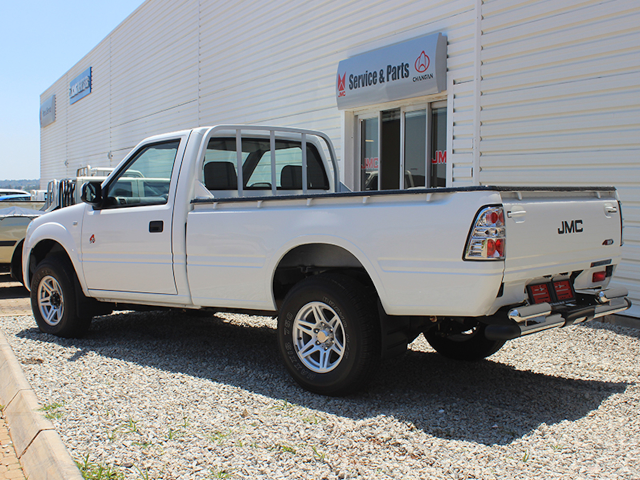
However, there is very little aftermarket support for any of these vehicles, although some of the JMC and GWM’s main body parts may be interchangeable with those of other brands. This means that the only real deviations between them will likely come down to the mark-ups applied by their individual dealerships, so parts will be best sourced by contacting and comparing different dealerships.
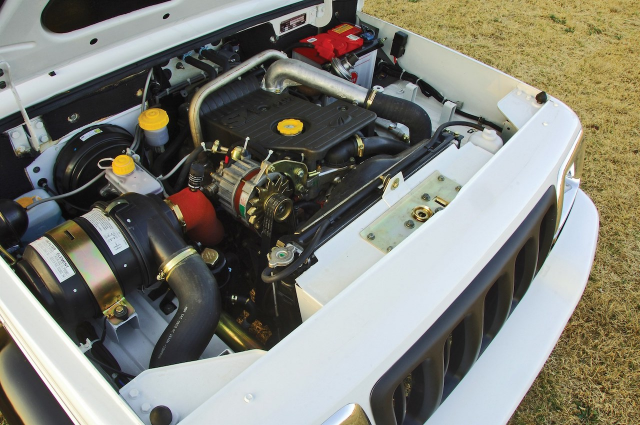
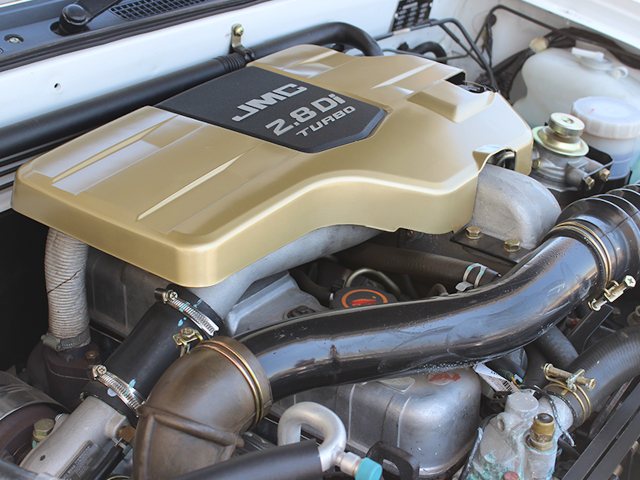
As far as general servicing maintenance goes, the JMC should be the least-expensive to run, because it uses old Isuzu mechanical bits, which are freely available on the aftermarket. The Mahindra’s drivetrain has never been available in another vehicle in our market, so aftermarket support will be negligible, but those oily parts are at least proven to be robust and easy to find (albeit at a price premium) from the agents.
With the most modern engine here, the common-rail-injected GWM may prove to be the most problematic to maintain, were it not for GWM’s extensive aftersales network and very good spares supply. This higher-tech engine will cost more to maintain as it ages, however, due to its more complex injection system which requires more effective fuel filtering.
Related: How much bakkie can you buy for R5000 per month?
Tyre costing
The Mahindra Bolero and JMC Boarding both roll on 15-inch tyres (215/75R15 on the Boarding, and 235/75R15 on the Bolero), while the GWM Steed 5 employs 235/70R16 tyres. Conventional wisdom would suggest that the 15-inch tyres should be less expensive to replace, but the reality looks somewhat different.
15-inch commercial vehicle tyres are a bit of an odd size, see, and the relatively wide treads on both the Bolero and Boarding mean that replacement tyres of their respective sizes are much less common than the 16-inch items as used on the GWM. By means of illustration, we visited a leading tyre retailer’s website to look for appropriate tyres.
Searching for the sizes used on the JMC and Mahindra showed only one suitable replacement tyre for each one in their stock selection (both from a big-name tyre brand), while a similar search for tyres in the GWM’s size resulted in 9 suitable replacements (from budget brands to more-premium brands). This means that it will most likely cost less to keep the GWM shod with rubber than either of the other two, which inflates the long-term running costs of both the Mahindra and the JMC.
Related: GWM Steed 5E - Rolling with the big guns.
Fuel economy
Bakkies, even ones running on diesel, are known to be quite thirsty at the fuel pumps. Working purely on their respective manufacturers’ claimed average consumption figures, the JMC Boarding 2.8TD should consume 8.0 ℓ/100 km, the GWM Steed 5 2.0 WGT should return 8.1 ℓ/100 km, and the Mahindra Bolero 2.5TD should use 9.5 ℓ/100 km.
This consumption variation could easily be explained by the Bolero’s significantly higher kerb weight and bluff front-end styling (which will have a negative effect on its aerodynamic efficiency), while the GWM and JMC weight difference amounts to only 20 kg. Of course, all of them will use rather more fuel in real-world driving, but the Mahindra will still prove to be the thirstiest of the bunch. The JMC Boarding should use the least fuel in this group, followed closely by the GWM Steed 5 2.0WGT.
It must however be borne in mind that fuel consumption figures will vary widely, depending on the vehicle’s driving style and operating conditions. Consumption will drop on the freeway (and with gentle driving), and go up in town (or if the driver has a heavy foot), so it’s really up to the owner to maximise their car’s fuel efficiency.
Our verdict
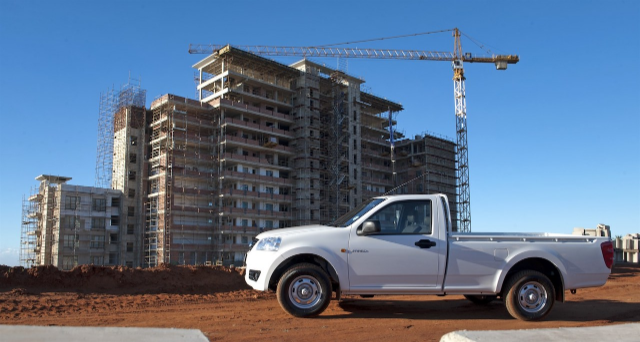
After considering all the factors listed above, the GWM Steed 5 should have the lowest long-term running costs: its fuel consumption is very close to the best in this group (that honour belongs to the JMC), and its more-affordable tyres, higher projected resale value and stronger warranty all add to its advantages.
Coming in a close second is the JMC Boarding, based on the knowledge that its Isuzu-based drivetrain is proven to be both durable and inexpensive to maintain. Its lower initial pricetag is offset by its lower resale value, though. The big and brutish Mahindra Bolero has to end up in third place here, due to its lack of parts commonality with other vehicles, much higher fuel thirst, and more-expensive tyres. It might just outlast the others, however, purely based on its heavy-duty build quality and the absence of anything which could go wrong…
Recommended:
The full AA-Kinsey Report compares parts prices across various market segments. Read more here.
Looking for a GWM Steed 5? We have a nice variety of new and used ones in our listing pages.
Find your ideal new or used JMC Boarding workhorse right here on AutoTrader.