

Master your fuel consumption
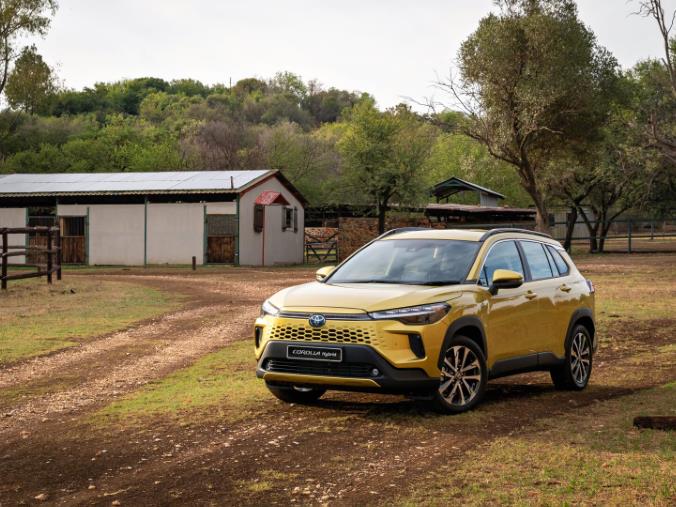
The Toyota Corolla Cross has been a local runaway success for the Japanese automaker. It is the epitome of everything local buyers are after: it's spacious, has a commanding driving position, is safe, and most importantly, it's a Toyota!. There is one other aspect that consumers are really enjoying, and that is the fantastic fuel economy the Cross delivers.
Related: How does the Chery Tiggo Cross compare to the Toyota Corolla Cross?
The fuel consumption figures are impressive, but you can make them even better if you drive smart. Optimising fuel efficiency in your Toyota Corolla Cross involves a combination of smart driving habits and regular vehicle maintenance. Here's a comprehensive guide to help you save fuel.
What safety features does the Toyota Corolla Cross have?

1. Adjust your driving style
Smooth Acceleration and Braking: Avoid aggressive driving. Gentle acceleration and gradual braking are key. Rapid starts and stops can increase fuel consumption by up to 30%. Aim to "coast" to a halt when possible, maintaining momentum.
Maintain a Steady Speed: Consistency is crucial, especially on highways. Use cruise control for long, flat stretches to maintain optimal efficiency and prevent unnecessary acceleration bursts. A steady cruising speed between 60 and 80 km/h is often recommended for best efficiency.
Anticipate Traffic: Look ahead to anticipate traffic lights, stops, and turns. This allows you to ease off the accelerator earlier and reduce the need for sudden braking and re-acceleration.
ECO Mode: Your Corolla Cross has an ECO driving mode. Activating this mode (especially in urban driving) adjusts engine and transmission settings to prioritise fuel efficiency, potentially lowering fuel usage by 4-7%.
Understand the Hybrid System (if applicable to your car):
EV Mode: If you have a hybrid Corolla Cross, utilise EV mode for low-speed zones like parking lots or residential areas, as it uses only electric power (0 L/100km).
Regenerative Braking: Gentle, early braking in a hybrid helps regenerate energy back into the battery, allowing for more extended periods of electric driving.
Traffic Benefits: Hybrid systems excel in stop-and-go traffic, often allowing vehicles to run on electric power in many urban conditions.

2. Keep your vehicle well-maintained and healthy
Tyre Pressure: Check your tire pressure at least once a month, or more frequently with significant temperature changes. Underinflated tires increase rolling resistance and can significantly reduce fuel efficiency (around 3% increase in consumption for underinflated tires). Refer to your owner's manual or the driver's side door jamb sticker for the recommended pressure.
Oil Changes: Adhere to the manufacturer's recommended oil change schedule and use the specified motor oil. Proper lubrication ensures the engine runs smoothly and efficiently.
Air Filter Replacement: A clean air filter ensures proper engine breathing. Replace it every 15 000 km or as recommended.
Fuel Injector Cleaning: Clean fuel injectors at 30 000 km intervals to maintain optimal fuel delivery.
Spark Plugs: Ensure that the spark plugs are in good condition and that they are replaced as part of routine maintenance.
Wheel Alignment: Proper wheel alignment reduces drag and improves fuel economy.
Battery Health (Hybrid): For hybrid models, schedule a battery check every 12 months. To keep the battery active, perform a full charge and discharge cycle each month.
3. Drop the load
Lighten Your Load: Remove unnecessary items from your trunk or cargo area. Every extra pound forces the engine to work harder.
Remove Roof Racks/Cargo Carriers: Remove roof racks or cargo boxes if they are not in use. They create significant aerodynamic drag, especially at higher speeds, which negatively impacts fuel economy.
Keep Windows Closed at Higher Speeds: Open windows create drag, particularly at highway speeds. If needed, use air conditioning instead.
Aerodynamic Optimisation: The Corolla Cross has design elements like a low drag coefficient and features like automatic grille closure (on some models) to reduce air resistance. Maximising these is less about driver input and more about keeping the vehicle in good condition.

4. Make use of the vehicle's features
Minimise Idling: Use the City Start/Stop feature. Idling consumes fuel without moving your vehicle. Turn off the engine if you anticipate being stationary for more than 30-60 seconds (e.g., at railroad crossings, long stoplights, or drive-throughs). Modern engines warm up quickly while driving, so avoid extended warm-up periods.
Strategic Air Conditioning Use: Air conditioning can increase fuel consumption by 5-9% (or even 8-12% in hot weather). Use it judiciously. If available, use the "recirculate" mode for climate control to reduce the load on the system.
Heated Seats: It's hard to believe, but heated seats can add 2-3% to fuel consumption. The current draw puts a load on the alternator, which puts a load on the engine. Use them only when necessary.
Plan Routes: Use GPS or navigation apps to find the most fuel-efficient routes, minimising distance, traffic signals, and stop-and-go scenarios. Combining errands into one trip also helps.
Smart driver
By implementing these tips, you can significantly improve the fuel efficiency of your Toyota Corolla Cross, saving money at the pump and even reducing your environmental impact.