Integrating Artificial Intelligence (AI) in the automotive industry has sparked a significant debate about whether AI will ultimately take over cars. This transformation is not merely hypothetical but is already underway, with various levels of autonomy being developed and deployed in modern vehicles.
Related: Everything you need to know about self-driving cars
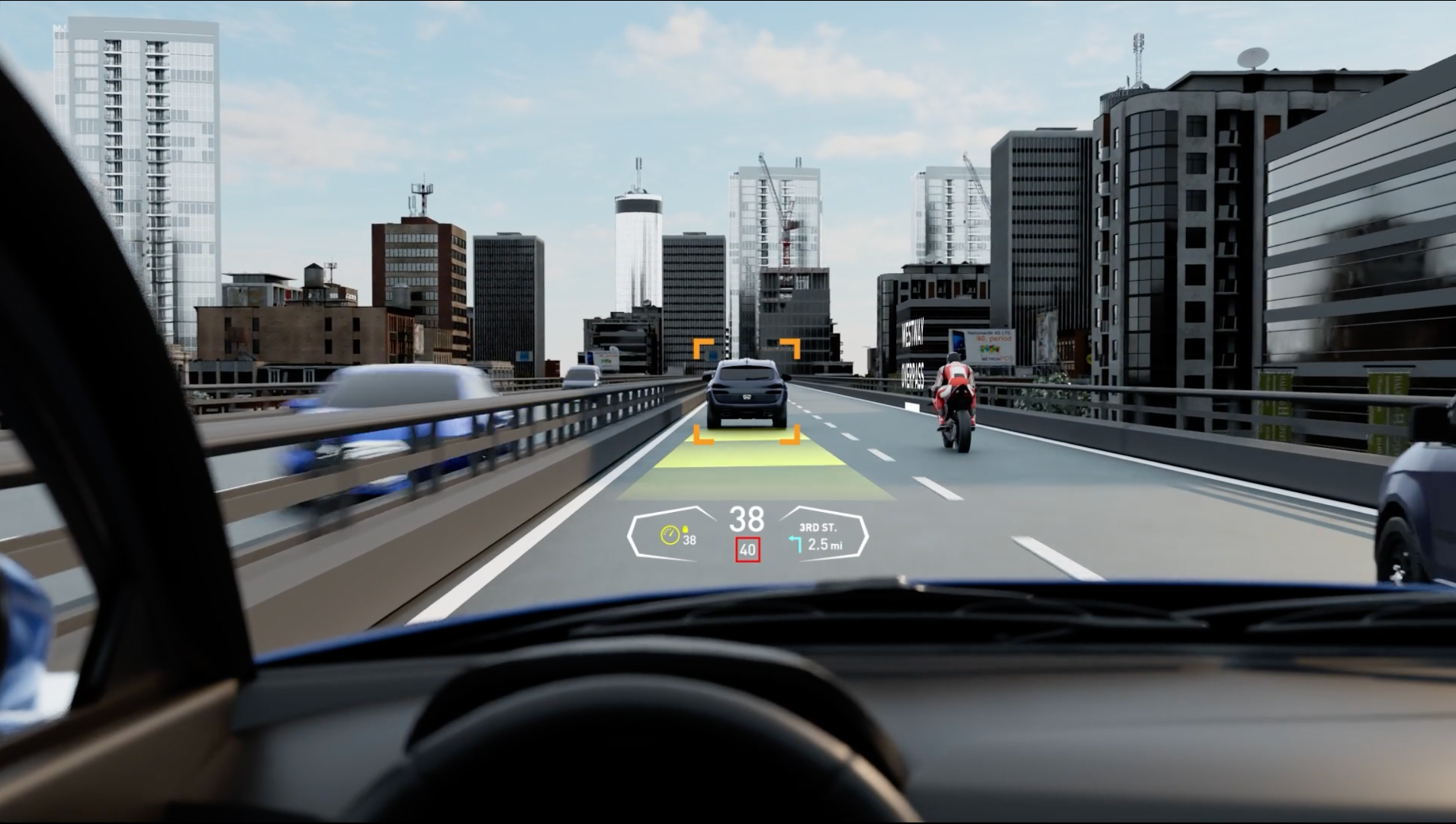
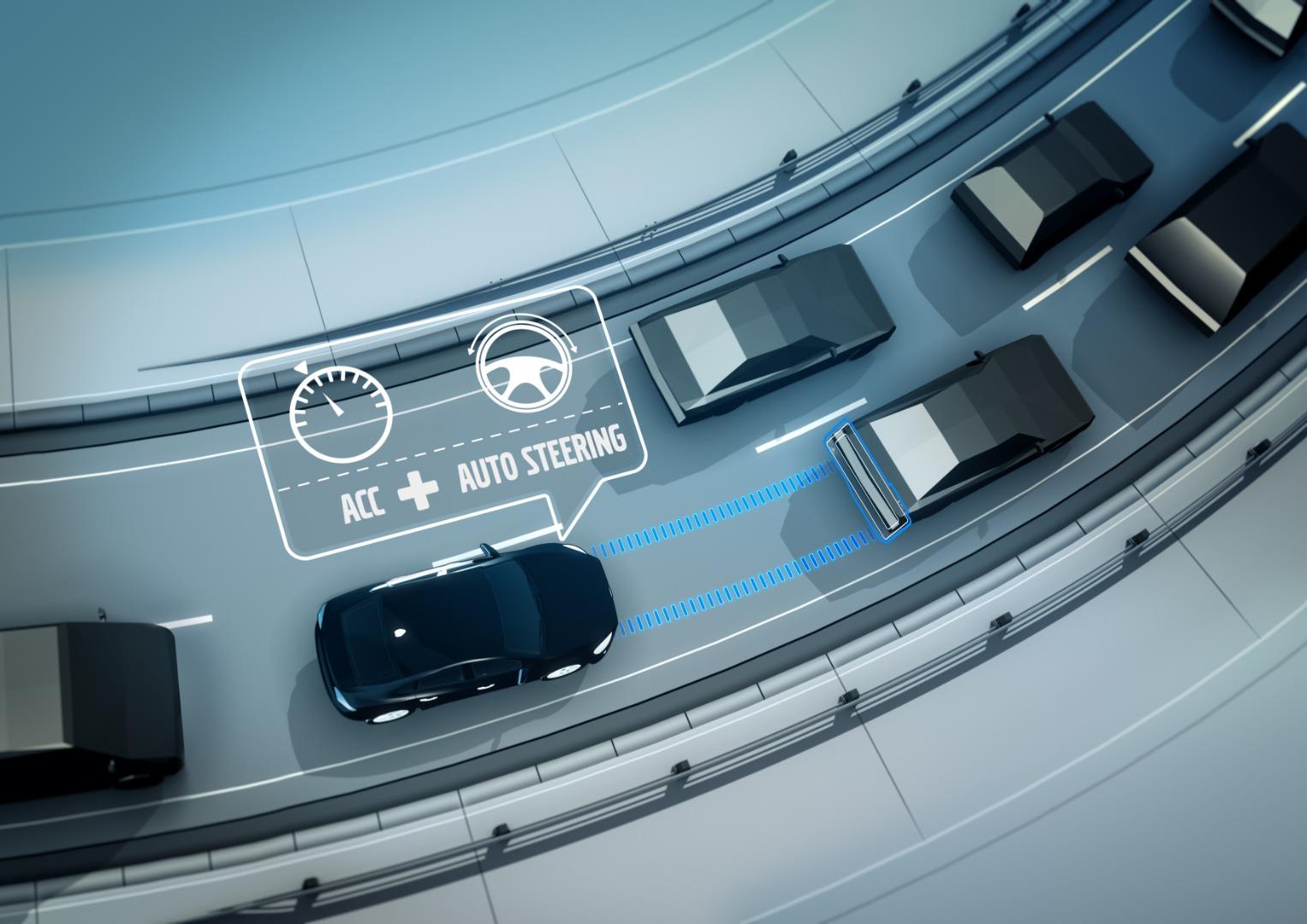
AI's role in the automotive sector primarily involves enhancing driving safety, efficiency, and convenience. Advanced Driver Assistance Systems (ADAS) are today's most common AI applications, including features like lane-keeping assistance, adaptive cruise control, and automatic emergency braking. These systems utilise machine learning algorithms, sensors, and cameras to interpret real-time data and make driving decisions that reduce human error and enhance safety.
The most ambitious vision of AI in cars is the fully autonomous vehicle, often classified as Level 5 autonomy, where no human intervention is required. Companies like Tesla and Uber are at the forefront of developing such technologies. These vehicles use sophisticated AI to navigate complex environments, interpret traffic signals, and make decisions based on real-time conditions.
We're also seeing the increased adoption of AI in-vehicle infotainment systems, with virtual assistants and other machine learning protocols rendering services to make driving safer and more convenient for vehicle occupants.
However, the widespread adoption of fully autonomous vehicles faces several challenges. Technologically, achieving the high reliability and safety required for public trust is crucial. AI systems must handle many unpredictable scenarios that human drivers navigate intuitively. Regulatory hurdles also pose significant barriers, as governments and regulatory bodies must establish frameworks to address the safety and ethical implications of autonomous driving adequately.
There are also social and economic considerations. The transition to AI-driven vehicles could disrupt industries, particularly affecting jobs in driving and transportation. Public acceptance remains critical, as trust in AI's ability to safely control vehicles is not universal. The question of insurance and liability in the event of an incident also comes into question.
While AI's role in the automotive industry is set to expand, the idea of AI fully taking over cars is more nuanced. AI will likely collaborate with human drivers in the short to medium term, enhancing safety and convenience. Full autonomy, while a plausible future scenario, will require overcoming significant technological, regulatory, and societal hurdles.